
Midwest region · IA
Iowa home risk profile
Overall home hazard risk: Moderate
How to use this profile
- Scan the hazard list. Anything rated Major or Extreme is the next page to open.
- Read the insurance note — flood and earthquake are usually separate policies.
- Look up your ZIP, then confirm the address on the official maps linked from each hazard page.
You've got a closing date and one weekend to figure out whether the house near the Cedar River is a good idea. Here's the short version for Iowa: water and winter are the two things that will actually cost you money. Flooding scores 4 out of 5 in our rating, and winter storms score 4 out of 5 as well. Neither is hypothetical. The Cedar, the Des Moines, the Missouri, and the Mississippi flood in patterns that repeat, and a levee on a map doesn't automatically put you outside the floodplain.
Tornadoes and severe storms sit at the same 4 out of 5. Iowa's spring and summer can turn in twenty minutes — hail the size of golf balls, straight-line winds, and tornadoes that touch down in open country and in town. Most of those tornadoes are brief and weak; the one that isn't is why your agent asks about roof age and whether the garage is attached. The Iowa Homeland Security and Emergency Management agency runs the state's response and posts county-level guidance worth reading before you sign anything.
Extreme heat and drought rate 3 out of 5. Wildfire, earthquake, hurricane, and landslide all rate 1 — you won't evacuate from a hurricane in Iowa, and there's no western-style fire season. Heat is the quieter one: a week in the 90s with heavy humidity is rough on an upstairs bedroom and rougher on an older relative living alone. Drought years still dry out grass, field edges, and roadside ditches, which is why burn bans show up in August.
If I had one free afternoon before the inspection deadline, I'd pull the FEMA flood map for the address, then call an agent with two questions: is flood covered, and what's my wind and hail deductible? Standard homeowners policies exclude flood, so coverage runs through the NFIP or a private carrier — FloodSmart explains the difference. Ask the seller for a claims history, too. Water follows the lot, not the family. Everything else in Iowa is manageable with a sump pump, a generator, and an evening spent reading your policy instead of skimming it.
Risk levels in Iowa
Statewide scores, highest first. A neighborhood can look different from the state average — use these to decide which official map to open.
What the ratings mean
"MinimalMinorModerateMajorExtreme
Each rating is a statewide starting point, framed for a typical 30-year stay — the length of a standard mortgage. A neighborhood can look different from the state average. Always verify your address with official FEMA, NOAA or USGS maps.
Questions about Iowa
- What is the overall home-hazard rating in Iowa?
- Iowa scores Moderate overall on our statewide scale. That average can hide one severe local peril — open the highest-rated hazard pages and then verify your address.
- Does a standard homeowners policy cover the main risks in Iowa?
- Standard homeowners insurance almost never covers flood. You need a separate NFIP or private flood policy, and it usually has a waiting period.
- How should I use this Iowa page?
- Treat it as a briefing, not a determination. Check the hazard list, open the pages rated Major or Extreme, then confirm the parcel on FEMA, NOAA or USGS maps and with Iowa Homeland Security and Emergency Management.
Last updated: October 10, 2026. Risk levels are state-wide estimates based on public hazard data (FEMA, NOAA, USGS) — always verify your specific address with official sources.
Guides to read with this profile
 InsuranceExcess Flood Insurance: Coverage Above NFIP's $250,000 LimitThe NFIP caps flood coverage at $250,000 for the building and $100,000 for contents. If your home would cost more to rebuild,…Oct 15, 2026Read guide →
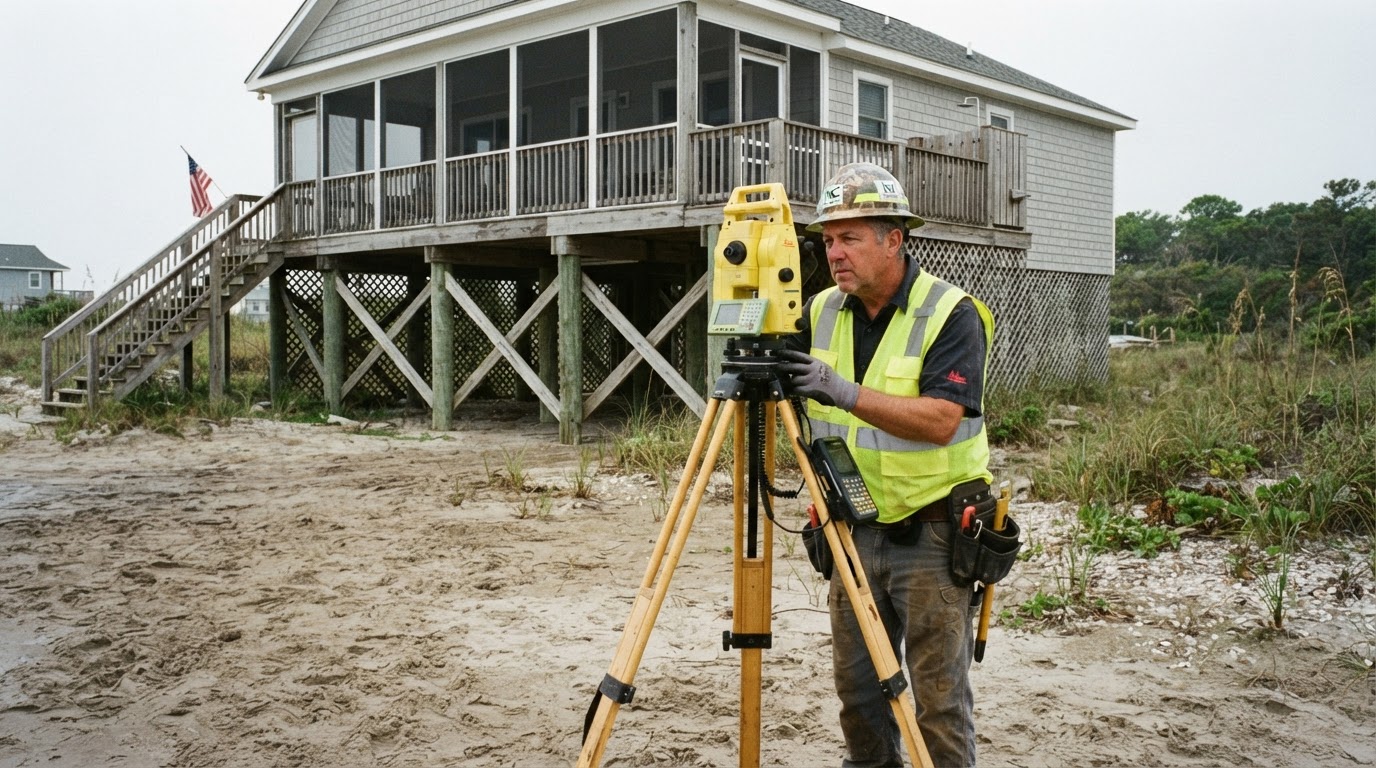 How Elevation Certificates Lower Your Flood Insurance PremiumLearn how an elevation certificate can save you hundreds on flood insurance by accurately showing your home's flood risk. This…Jun 21, 2026Read guide →
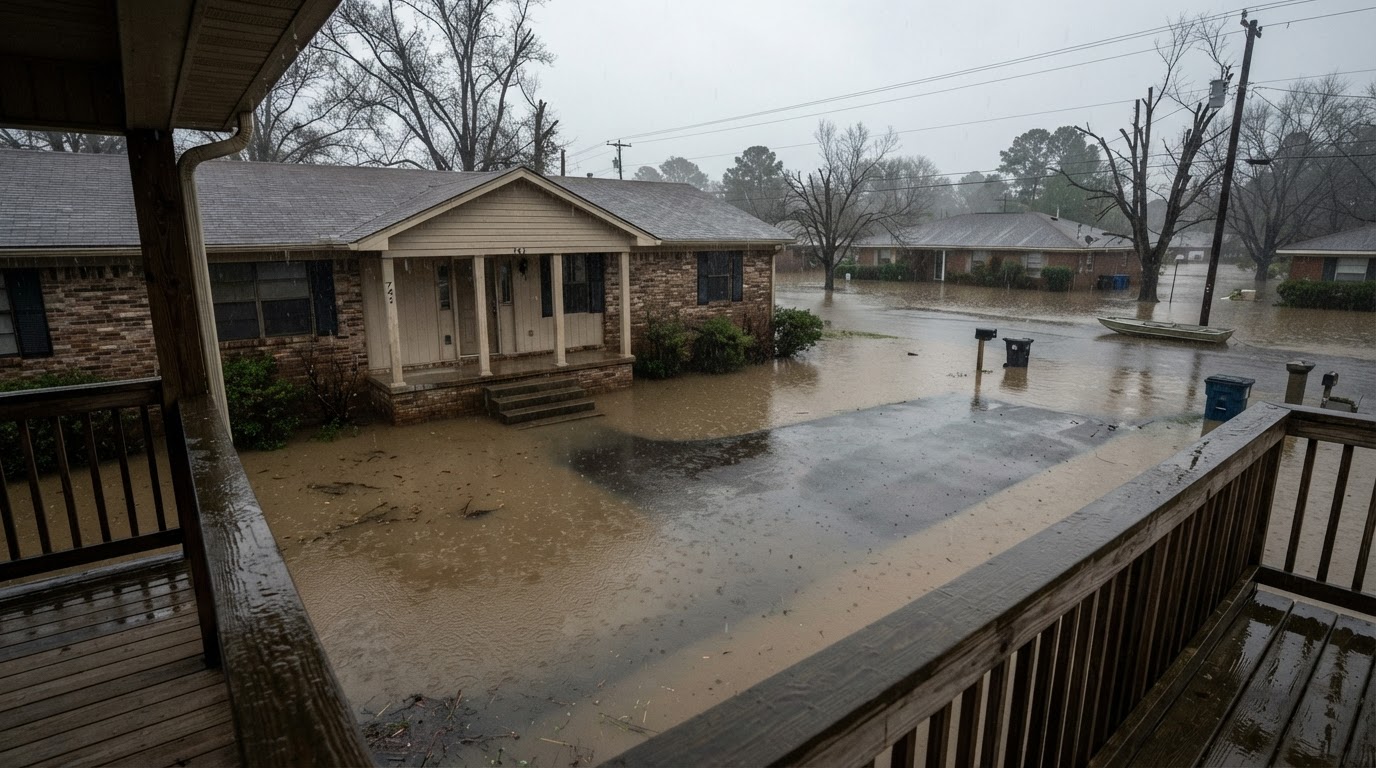 Flooded While Inside: Your Survival GuideIf your home floods while you're inside, every second counts. Learn the life-saving steps from FEMA, the CDC, and Ready.gov to…Jun 21, 2026Read guide →