
Midwest region · MO
Missouri home risk profile
Overall home hazard risk: Moderate
How to use this profile
- Scan the hazard list. Anything rated Major or Extreme is the next page to open.
- Read the insurance note — flood and earthquake are usually separate policies.
- Look up your ZIP, then confirm the address on the official maps linked from each hazard page.
You've got a closing date in two weeks, the inspection report mentions a sump pump, and your insurance agent wants to know the roof's age. Welcome to Missouri, where the weather rarely asks permission. A calm Tuesday can turn into a tornado warning before lunch, and the same state that gets ice storms in January can hit 100 degrees in July with humidity that makes the air feel like a wet blanket.
Tornadoes are the headline risk — we rate them 5 out of 5. Missouri sits where warm Gulf air meets cold Canadian air, spawning twisters from the Bootheel to the Iowa line. Flooding is close behind at 4 out of 5, and it's not just river towns. Flash flooding can hit any low-lying road, and FEMA's flood maps show plenty of Missouri properties in or near a Special Flood Hazard Area. Pull the flood map for the specific address before you waive anything.
Extreme heat and severe storms also rank high, so the summer you're picturing and the summer you get may not match. The New Madrid seismic zone in the southeast is worth knowing about, even if it's quiet most years. Wildfires and hurricanes are not part of the everyday picture here, though a dry fall can still bring grass fires to the Ozarks.
If you have limited time and money, do this first: look up the FEMA flood zone for the house and check the tornado history on the NOAA Storm Events database. Then talk to your agent about separate flood insurance — most homeowners policies don't cover rising water. The Missouri State Emergency Management Agency has county-by-county guidance and links to local emergency plans. Missouri is a good place to live, but it rewards people who plan for the sky.
Risk levels in Missouri
Statewide scores, highest first. A neighborhood can look different from the state average — use these to decide which official map to open.
What the ratings mean
"MinimalMinorModerateMajorExtreme
Each rating is a statewide starting point, framed for a typical 30-year stay — the length of a standard mortgage. A neighborhood can look different from the state average. Always verify your address with official FEMA, NOAA or USGS maps.
Questions about Missouri
- What is the overall home-hazard rating in Missouri?
- Missouri scores Moderate overall on our statewide scale. That average can hide one severe local peril — open the highest-rated hazard pages and then verify your address.
- Does a standard homeowners policy cover the main risks in Missouri?
- Wind damage is usually covered; flood from the same storm often is not. Photograph the roof now, before hail or a tornado makes the “before” pictures impossible.
- How should I use this Missouri page?
- Treat it as a briefing, not a determination. Check the hazard list, open the pages rated Major or Extreme, then confirm the parcel on FEMA, NOAA or USGS maps and with Missouri State Emergency Management Agency.
Last updated: October 8, 2026. Risk levels are state-wide estimates based on public hazard data (FEMA, NOAA, USGS) — always verify your specific address with official sources.
Guides to read with this profile
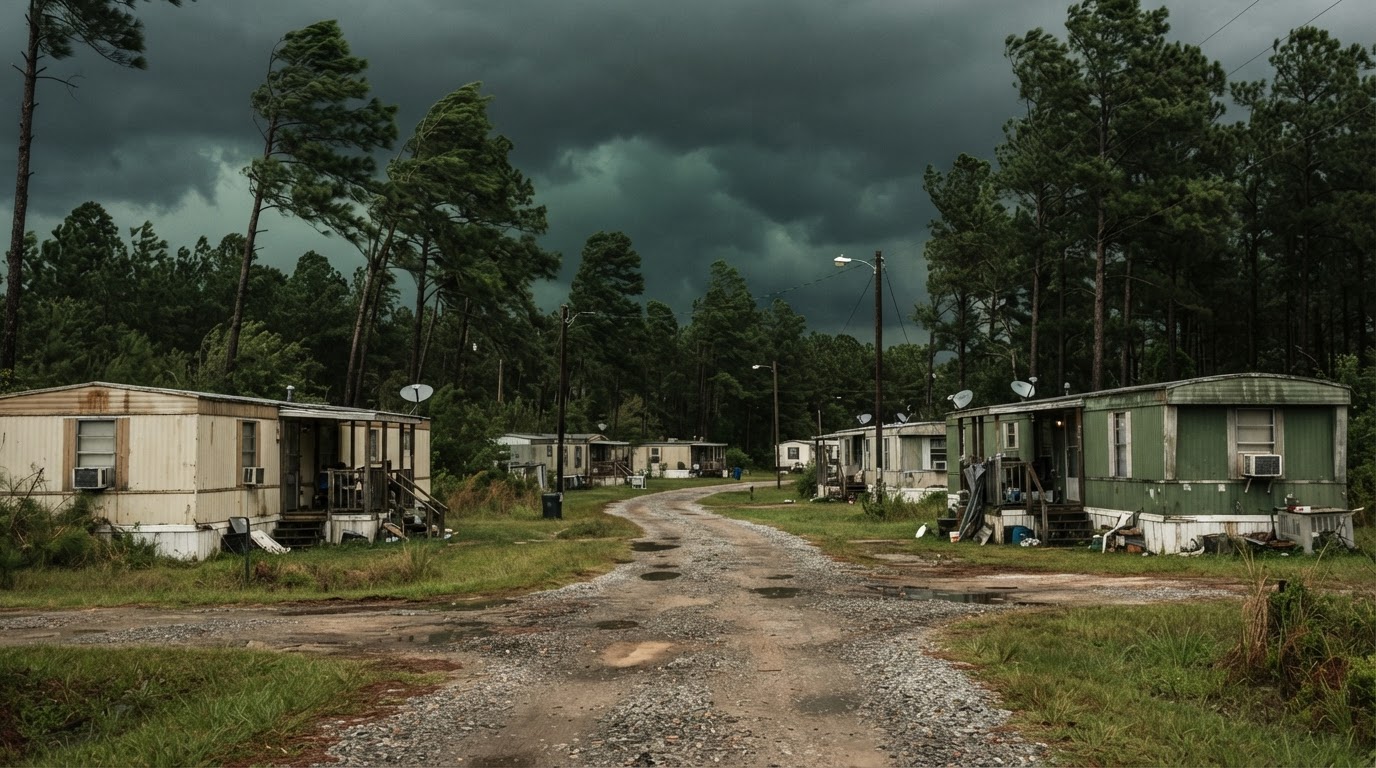 Mobile Home Tornado Safety: What Actually WorksMobile homes are particularly vulnerable to tornadoes. Learn the proven strategies that save lives, based on official guidance…Jun 21, 2026Read guide →
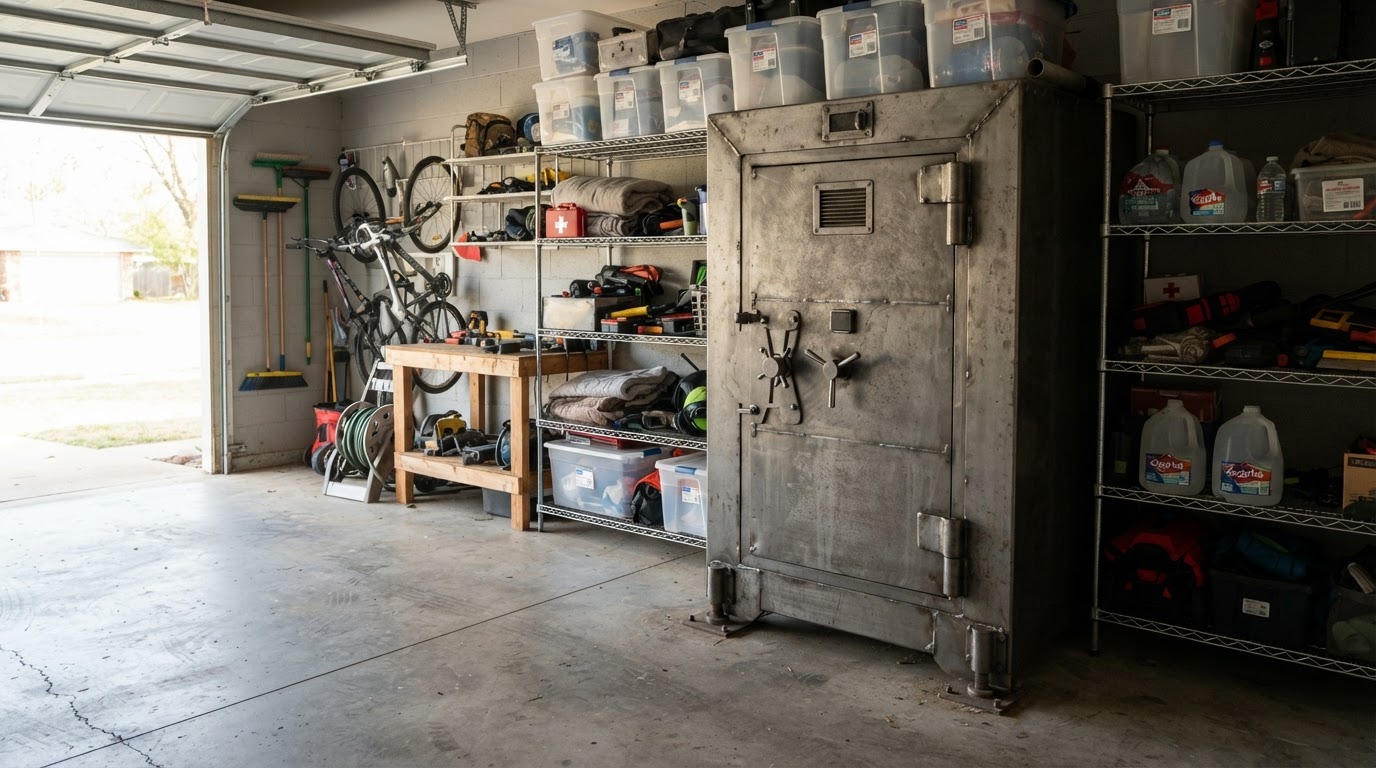 Tornado Safe Room vs Storm Shelter: Costs & Options for HomeownersLearn the key differences between tornado safe rooms and storm shelters, including costs, installation options, and FEMA…Jun 21, 2026Read guide →
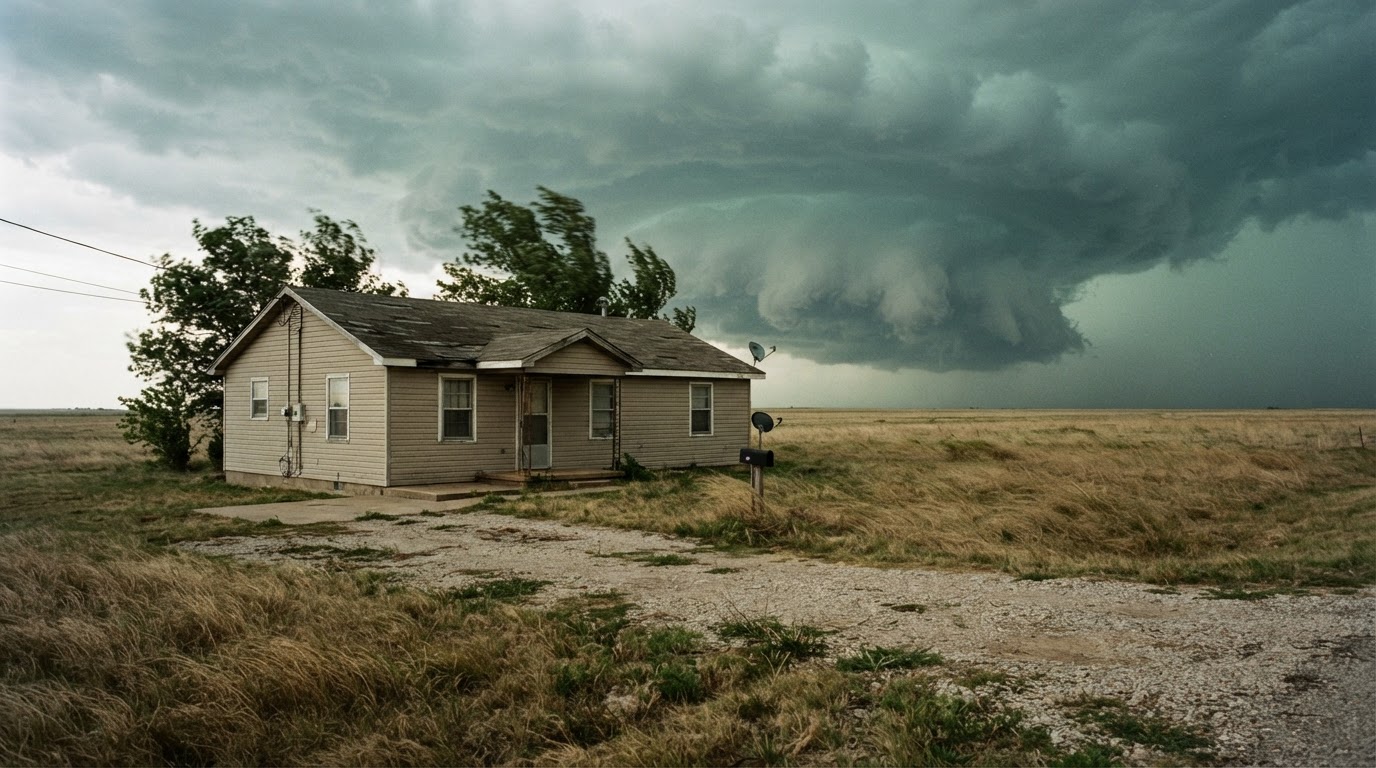 Safest Place in Your House During a Tornado by Home TypeWhere you take shelter during a tornado depends on your home type. Learn the safest locations for single-family homes,…Jun 21, 2026Read guide →