
West region · MT
Montana home risk profile
Overall home hazard risk: Moderate
How to use this profile
- Scan the hazard list. Anything rated Major or Extreme is the next page to open.
- Read the insurance note — flood and earthquake are usually separate policies.
- Look up your ZIP, then confirm the address on the official maps linked from each hazard page.
You've got a closing date in Bozeman and a lender asking about insurance. Before you sign, know that Montana's two biggest home hazards aren't hurricanes or tornadoes — they're winter storms and wildfires, both rated 5 out of 5 in our state profile. That means heavy snow loads, ice dams, and power outages on one side, and evacuation zones, smoke damage, and insurance non-renewals on the other. The Montana Disaster and Emergency Services site is where you can check county-specific plans and alerts.
Wildfires don't just burn trees. In Montana, embers can travel a mile ahead of a fire and ignite a wood-shake roof. If you're looking at a house in the wildland-urban interface — and a lot of Montana homes are — ask your agent for the property's fire risk score. Some insurers won't write new policies in high-risk zones, so get a quote before you remove contingencies. Premiums can jump after a nearby fire, so ask about claims history on the street.
Winter storms are the other 5/5. Think ice dams, frozen pipes, and snow loads that can crack a flat roof. A missed mortgage payment because you can't get to work for a week is a real risk. Check the roof age and insulation. Ask the seller for heating bills from last January. If the house has a long driveway, budget for a plow service.
If you only do one thing before closing, call an insurance broker who writes in Montana and ask for a quote with the exact address. Then pull the FEMA flood map — flooding scores a 3/5 here, mostly along rivers and creeks. The risk is real, but it's manageable. That's the point of this profile: know what you're buying.
Risk levels in Montana
Statewide scores, highest first. A neighborhood can look different from the state average — use these to decide which official map to open.
What the ratings mean
"MinimalMinorModerateMajorExtreme
Each rating is a statewide starting point, framed for a typical 30-year stay — the length of a standard mortgage. A neighborhood can look different from the state average. Always verify your address with official FEMA, NOAA or USGS maps.
Questions about Montana
- What is the overall home-hazard rating in Montana?
- Montana scores Moderate overall on our statewide scale. That average can hide one severe local peril — open the highest-rated hazard pages and then verify your address.
- Does a standard homeowners policy cover the main risks in Montana?
- Fire is usually covered, but in high-risk ZIP codes the hard part is keeping a policy at all. Mitigation (defensible space, roof, vents) can matter as much as the premium.
- How should I use this Montana page?
- Treat it as a briefing, not a determination. Check the hazard list, open the pages rated Major or Extreme, then confirm the parcel on FEMA, NOAA or USGS maps and with Montana Disaster and Emergency Services.
Last updated: October 8, 2026. Risk levels are state-wide estimates based on public hazard data (FEMA, NOAA, USGS) — always verify your specific address with official sources.
Guides to read with this profile
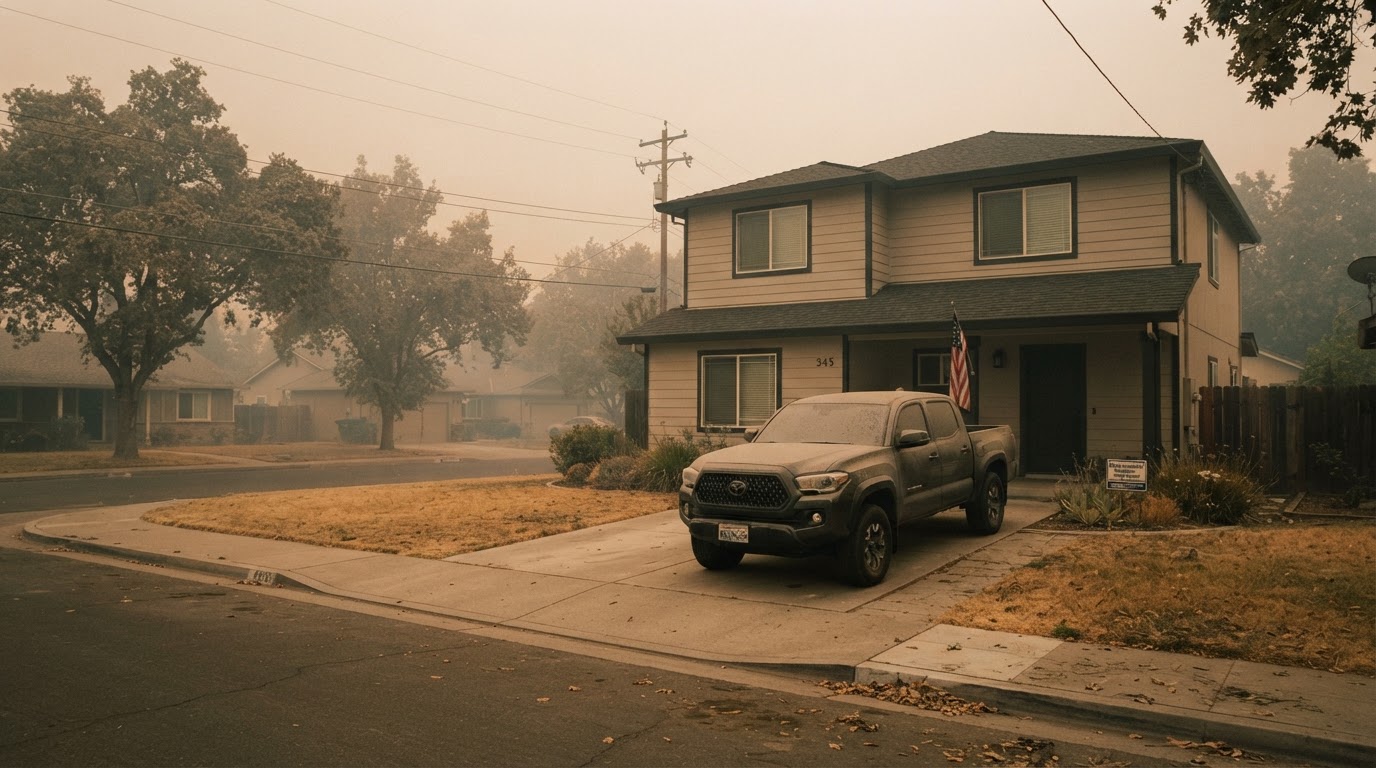 Wildfire Smoke & Air Quality: How to Protect Your HomeLearn how to protect your home and family from wildfire smoke with practical steps from FEMA, CDC, and EPA. From sealing your…Jun 21, 2026Read guide →
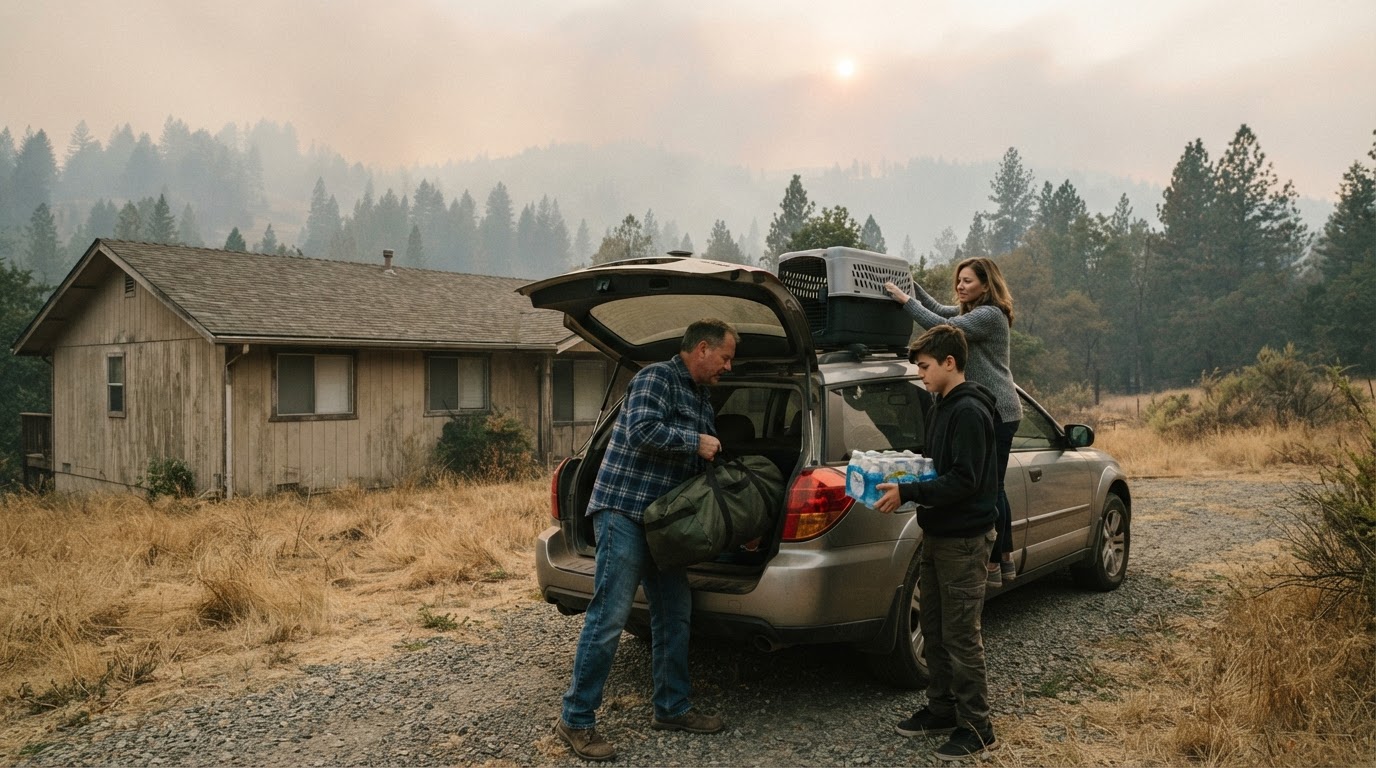 Wildfire Evacuation Prep in 60 Minutes: A Step-by-Step GuideWhen a wildfire threatens, you may have less than an hour to evacuate. Learn how to prepare a go-bag, safeguard your home, and…Jun 21, 2026Read guide →
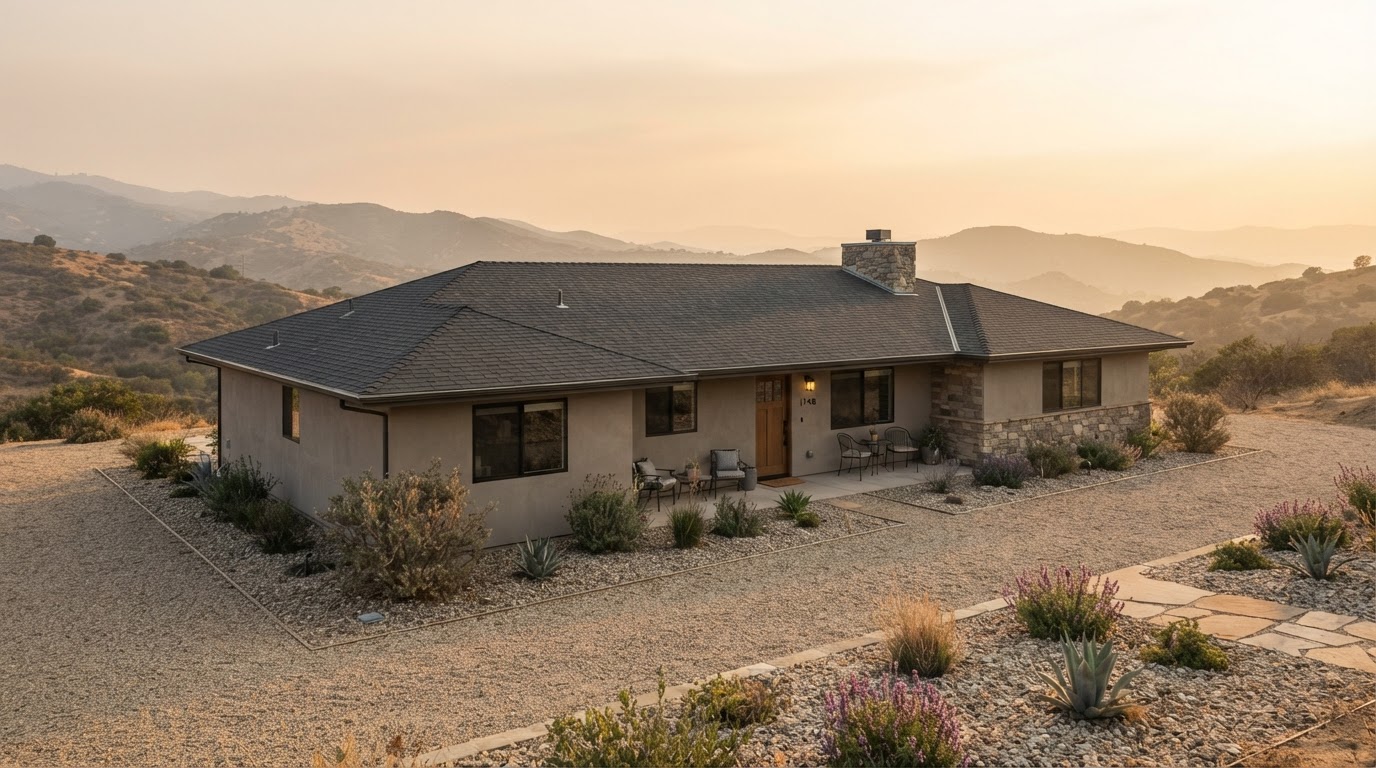 Wildfire Home Hardening: Roof, Vents, Gutters, and Deck ChecklistLearn how to harden your home against wildfire by focusing on four critical areas: roof, vents, gutters, and deck. This checklist…Jun 21, 2026Read guide →