
West region · NV
Nevada home risk profile
Overall home hazard risk: Moderate
How to use this profile
- Scan the hazard list. Anything rated Major or Extreme is the next page to open.
- Read the insurance note — flood and earthquake are usually separate policies.
- Look up your ZIP, then confirm the address on the official maps linked from each hazard page.
You're closing on a house in Las Vegas next Friday, and the seller's disclosure says 'no flood damage.' Good. But Nevada's biggest home hazards don't show up in a standard inspection. Drought and wildfire are the two that should shape your weekend checklist.
FEMA's National Risk Index rates both drought and wildfire at 5 out of 5 for Nevada. That means the risk is very high, not theoretical. In Reno, Carson City, and the rural edges of Clark County, wildfire ember zones reach neighborhoods that look like they're miles from a forest. Drought dries out the brush that feeds those fires. The Nevada Division of Emergency Management is the state agency to follow for current warnings and evacuation routes. Check FEMA's National Risk Index for your county's scores before you make an offer.
Extreme heat is also a 5 out of 5—the third top-tier hazard for Nevada. In Las Vegas, Reno, and Elko, a failed AC unit can turn a normal July into a medical emergency. The CDC's heat health page is a good starting point for planning. Earthquakes rate 4 out of 5. The USGS earthquake map shows faults running near Reno, Carson City, and parts of the Las Vegas valley. If you're buying, ask about foundation bolting, water heater strapping, and whether the roof has been retrofitted. Those are cheaper than rebuilding.
Flooding, landslides, winter storms, and severe storms generally sit lower in Nevada—often 2 out of 5—but lower is not zero. Flash floods happen in desert canyons and on burn scars. Winter storms bury mountain passes. Ready.gov has practical checklists for both. Tornadoes and hurricanes are the least of your worries here. If you have one weekend before closing, spend it on defensible space and a heat pump inspection. That's the Nevada-specific advice I'd give a friend. The rest can wait.
Risk levels in Nevada
Statewide scores, highest first. A neighborhood can look different from the state average — use these to decide which official map to open.
What the ratings mean
"MinimalMinorModerateMajorExtreme
Each rating is a statewide starting point, framed for a typical 30-year stay — the length of a standard mortgage. A neighborhood can look different from the state average. Always verify your address with official FEMA, NOAA or USGS maps.
Questions about Nevada
- What is the overall home-hazard rating in Nevada?
- Nevada scores Moderate overall on our statewide scale. That average can hide one severe local peril — open the highest-rated hazard pages and then verify your address.
- Does a standard homeowners policy cover the main risks in Nevada?
- Fire is usually covered, but in high-risk ZIP codes the hard part is keeping a policy at all. Mitigation (defensible space, roof, vents) can matter as much as the premium.
- How should I use this Nevada page?
- Treat it as a briefing, not a determination. Check the hazard list, open the pages rated Major or Extreme, then confirm the parcel on FEMA, NOAA or USGS maps and with Nevada Division of Emergency Management.
Last updated: October 8, 2026. Risk levels are state-wide estimates based on public hazard data (FEMA, NOAA, USGS) — always verify your specific address with official sources.
Guides to read with this profile
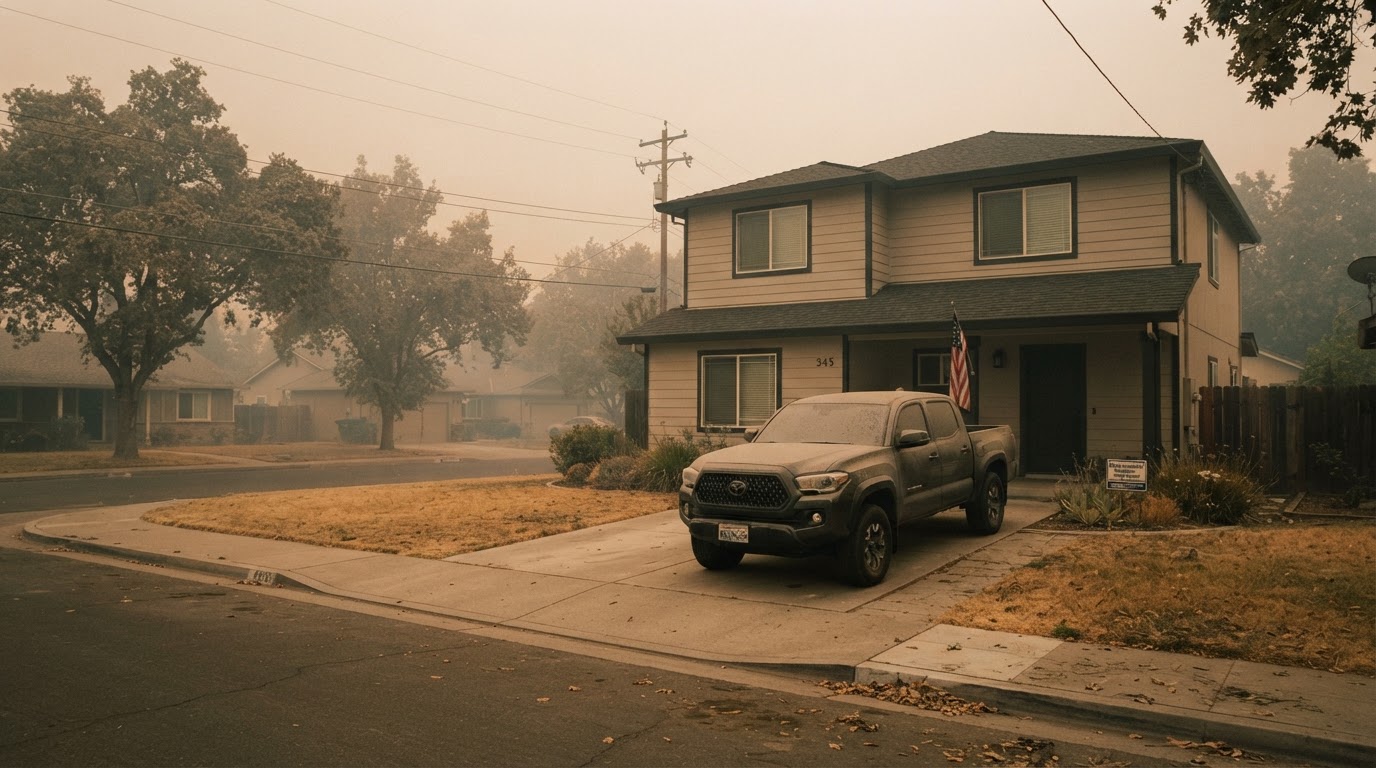 Wildfire Smoke & Air Quality: How to Protect Your HomeLearn how to protect your home and family from wildfire smoke with practical steps from FEMA, CDC, and EPA. From sealing your…Jun 21, 2026Read guide →
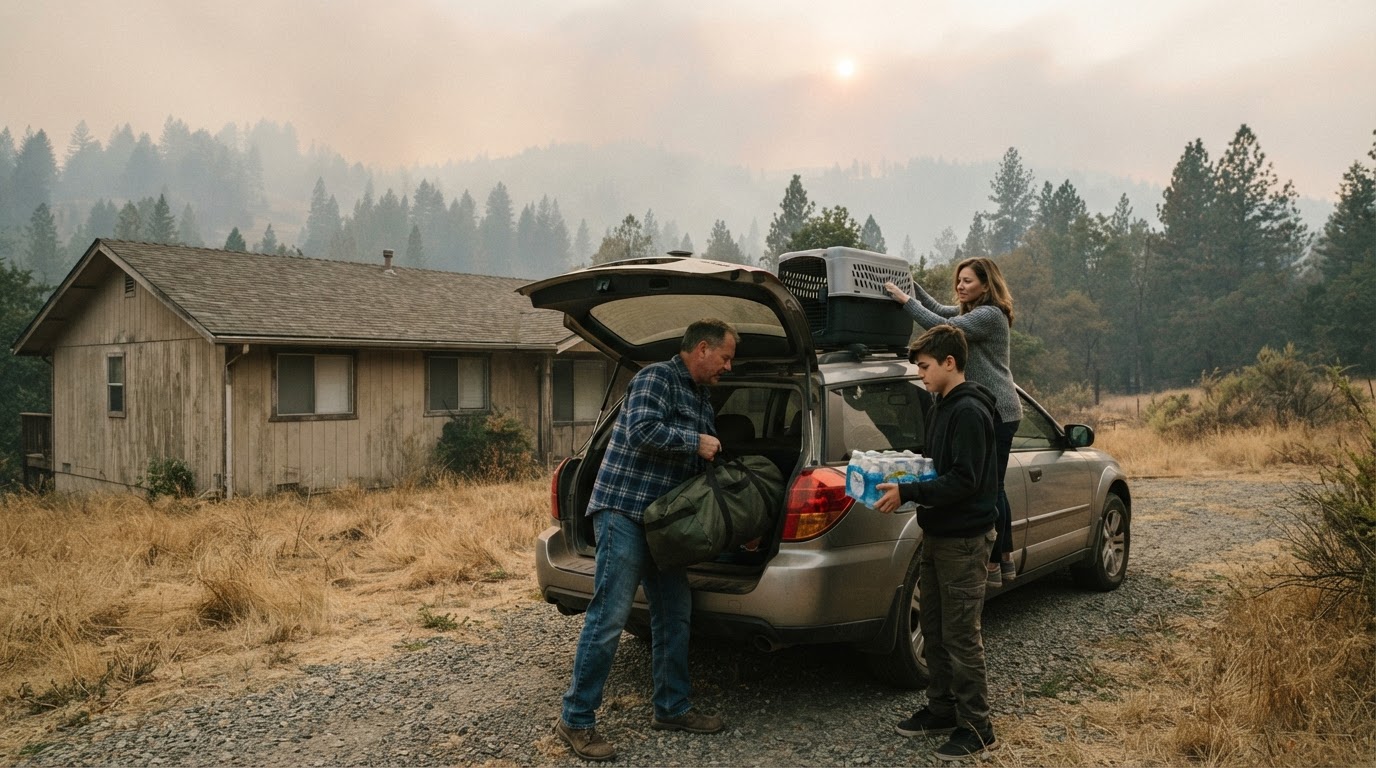 Wildfire Evacuation Prep in 60 Minutes: A Step-by-Step GuideWhen a wildfire threatens, you may have less than an hour to evacuate. Learn how to prepare a go-bag, safeguard your home, and…Jun 21, 2026Read guide →
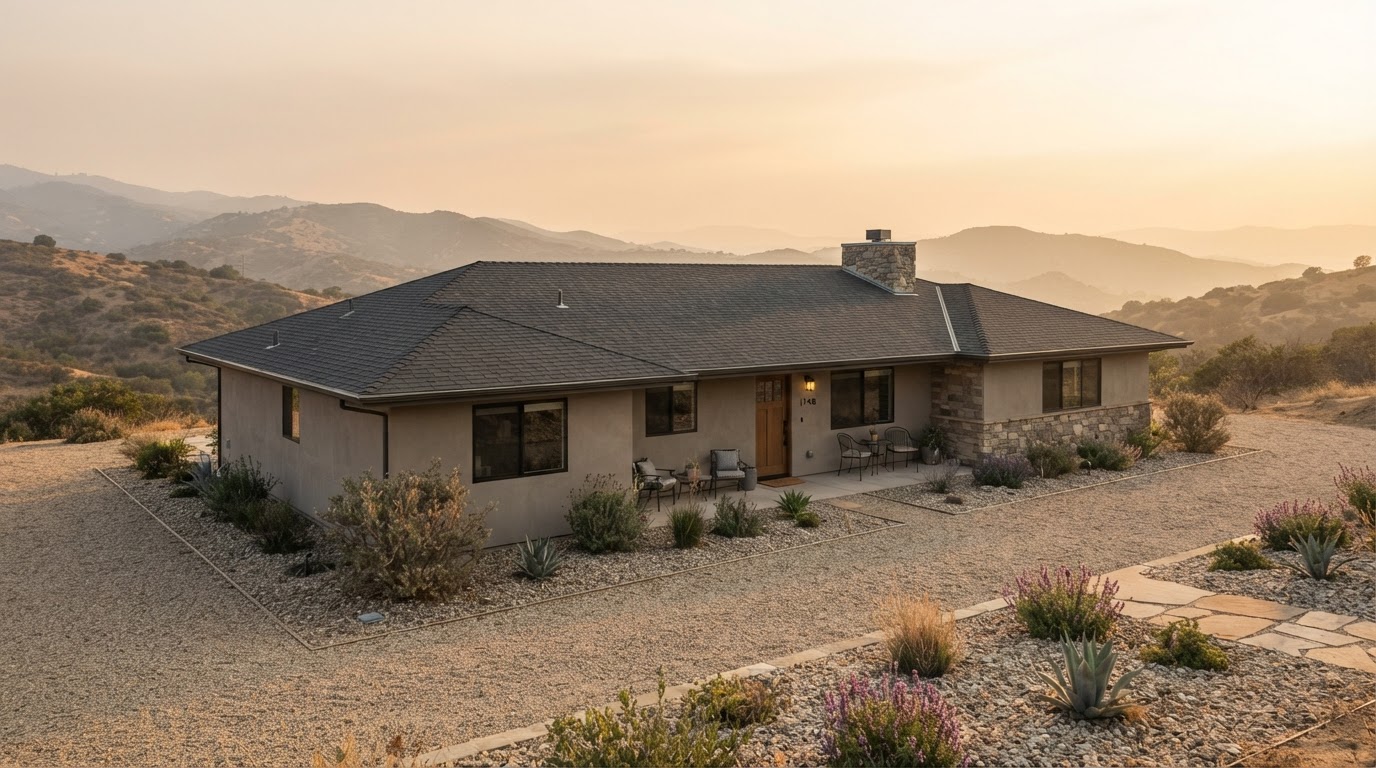 Wildfire Home Hardening: Roof, Vents, Gutters, and Deck ChecklistLearn how to harden your home against wildfire by focusing on four critical areas: roof, vents, gutters, and deck. This checklist…Jun 21, 2026Read guide →