
Southwest region · OK
Oklahoma home risk profile
Overall home hazard risk: Moderate
How to use this profile
- Scan the hazard list. Anything rated Major or Extreme is the next page to open.
- Read the insurance note — flood and earthquake are usually separate policies.
- Look up your ZIP, then confirm the address on the official maps linked from each hazard page.
You land in Oklahoma City on a Friday, closing is Monday, and the inspection report just says 'roof: fair.' That's your first clue. Oklahoma doesn't do 'fair' weather. Severe storms and tornadoes both rate 5 out of 5 here—the highest risk levels we track. This isn't a scare tactic; it's what FEMA's National Risk Index and NOAA's storm records show year after year. The state sits in the heart of Tornado Alley, but the risk is year-round—ice storms in January, hail in April, heat in August.
Tornadoes get the headlines, but the severe storm rating covers the whole package: hail, straight-line winds, and flash flooding. Flooding is a 4 out of 5 across much of Oklahoma, and drought and extreme heat also sit at 4. So the same week you're buying, you might be dealing with a 100-degree day and a burn ban. That's Oklahoma. Drought can crack your foundation and kill your lawn, and extreme heat stresses your AC and your electric bill.
What should you do first with limited time and money? Skip the earthquake retrofit for now (that's a 2 out of 5) and put your cash toward a roof inspection by a local contractor and a flood insurance quote. Standard homeowners policies don't cover flood. Check FEMA flood maps for your address and talk to an agent about NFIP. The Oklahoma Department of Emergency Management is the state's hub for preparedness, but your best resource is a neighbor who's been through a May storm.
Winter storms and wildfires are real but lower on the list (3 out of 5). Hurricanes and landslides? Basically not a thing here (1 out of 5). So your Oklahoma home risk is mostly about the sky above you and the water that pools around your foundation. Budget for both before you sign. A little prep goes a long way.
Risk levels in Oklahoma
Statewide scores, highest first. A neighborhood can look different from the state average — use these to decide which official map to open.
What the ratings mean
"MinimalMinorModerateMajorExtreme
Each rating is a statewide starting point, framed for a typical 30-year stay — the length of a standard mortgage. A neighborhood can look different from the state average. Always verify your address with official FEMA, NOAA or USGS maps.
Questions about Oklahoma
- What is the overall home-hazard rating in Oklahoma?
- Oklahoma scores Moderate overall on our statewide scale. That average can hide one severe local peril — open the highest-rated hazard pages and then verify your address.
- Does a standard homeowners policy cover the main risks in Oklahoma?
- Wind damage is usually covered; flood from the same storm often is not. Photograph the roof now, before hail or a tornado makes the “before” pictures impossible.
- How should I use this Oklahoma page?
- Treat it as a briefing, not a determination. Check the hazard list, open the pages rated Major or Extreme, then confirm the parcel on FEMA, NOAA or USGS maps and with Oklahoma Department of Emergency Management.
Last updated: October 8, 2026. Risk levels are state-wide estimates based on public hazard data (FEMA, NOAA, USGS) — always verify your specific address with official sources.
Guides to read with this profile
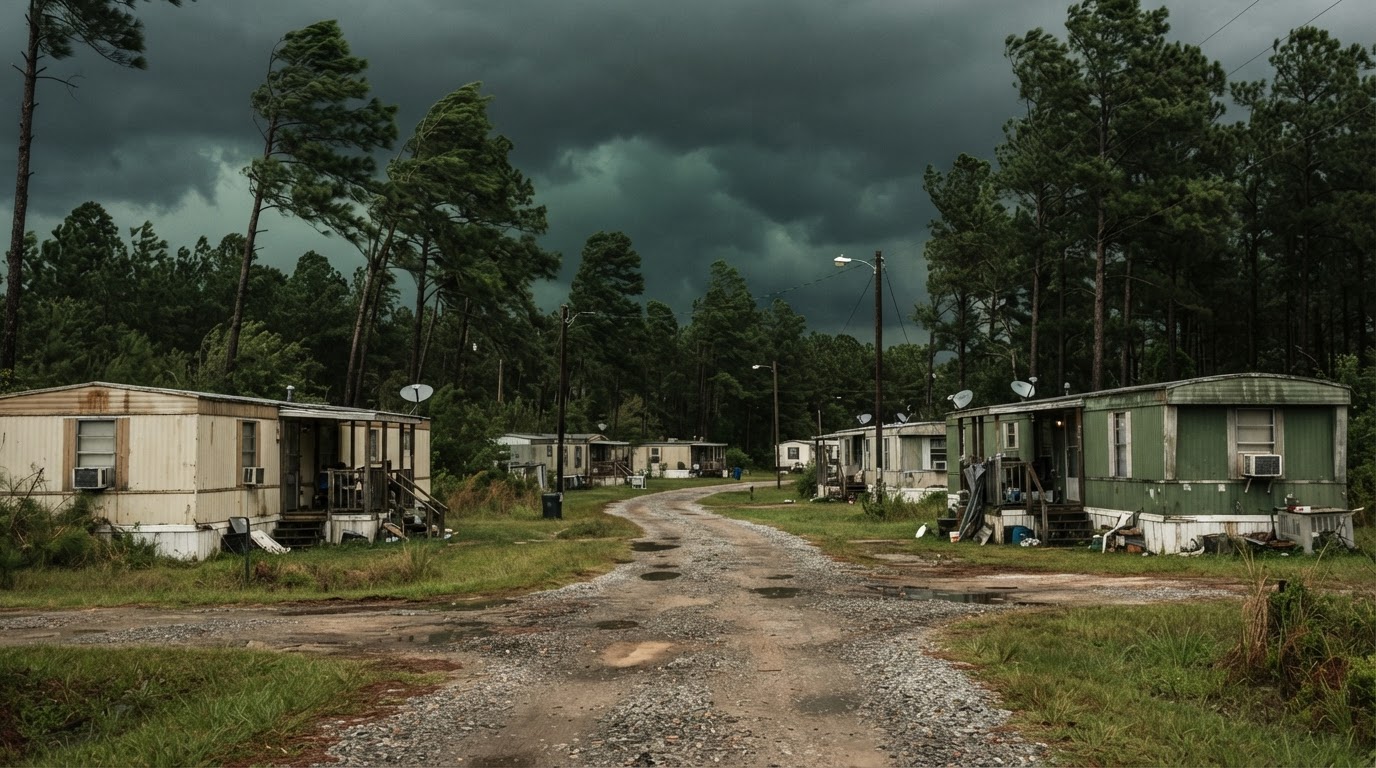 Mobile Home Tornado Safety: What Actually WorksMobile homes are particularly vulnerable to tornadoes. Learn the proven strategies that save lives, based on official guidance…Jun 21, 2026Read guide →
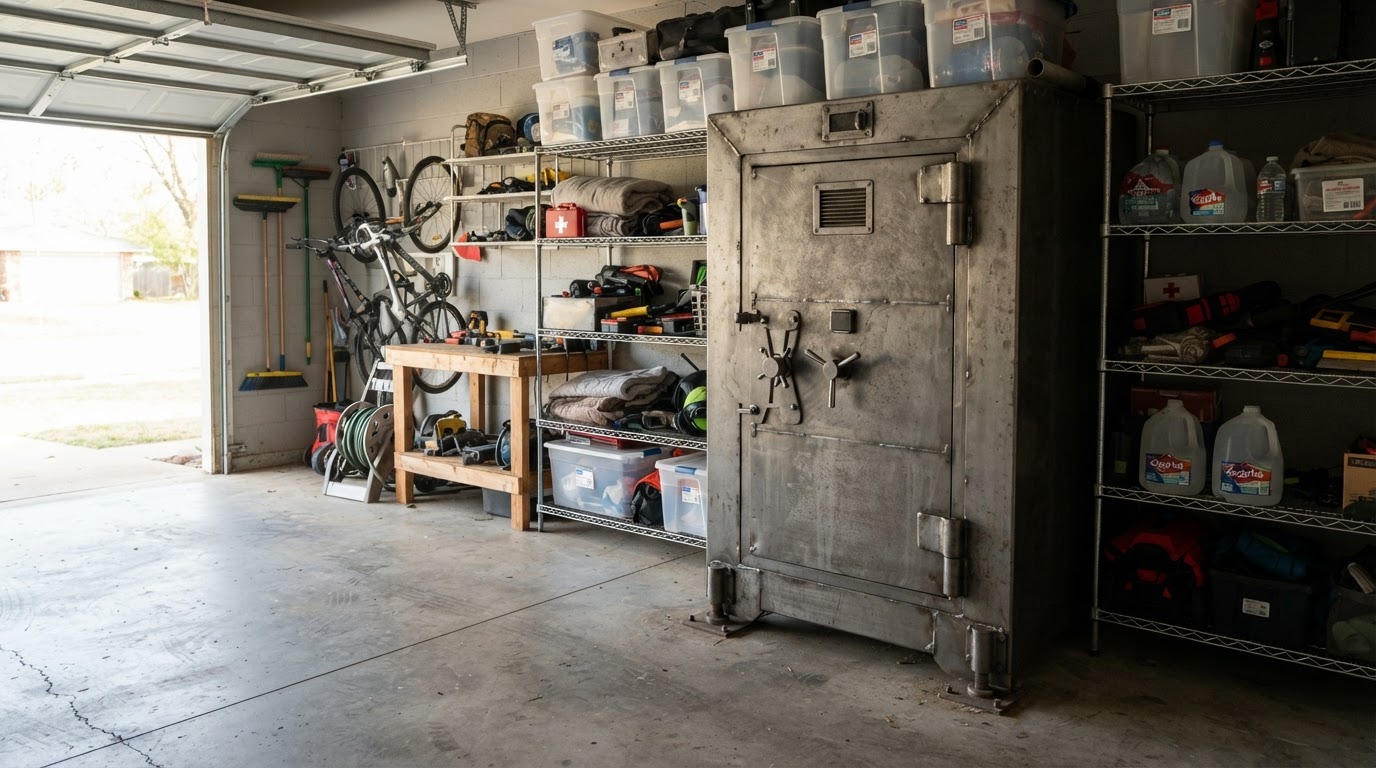 Tornado Safe Room vs Storm Shelter: Costs & Options for HomeownersLearn the key differences between tornado safe rooms and storm shelters, including costs, installation options, and FEMA…Jun 21, 2026Read guide →
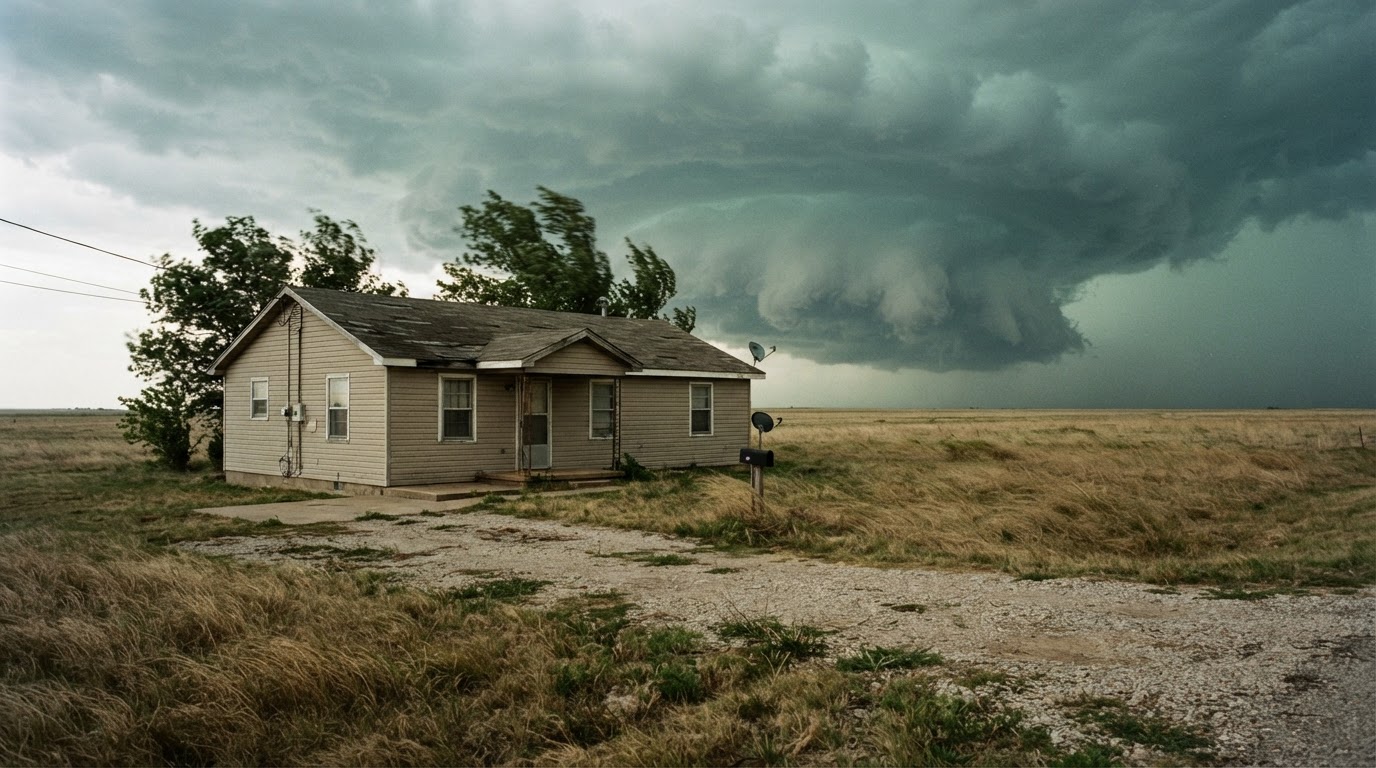 Safest Place in Your House During a Tornado by Home TypeWhere you take shelter during a tornado depends on your home type. Learn the safest locations for single-family homes,…Jun 21, 2026Read guide →