
5 Questions to Ask About Flood and Fire Risk at a Home Showing
4 min read
On this page
Before you fall in love with a property, ask these critical questions about flood and fire risk. Learn what to look for and which official resources to check.
Introduction
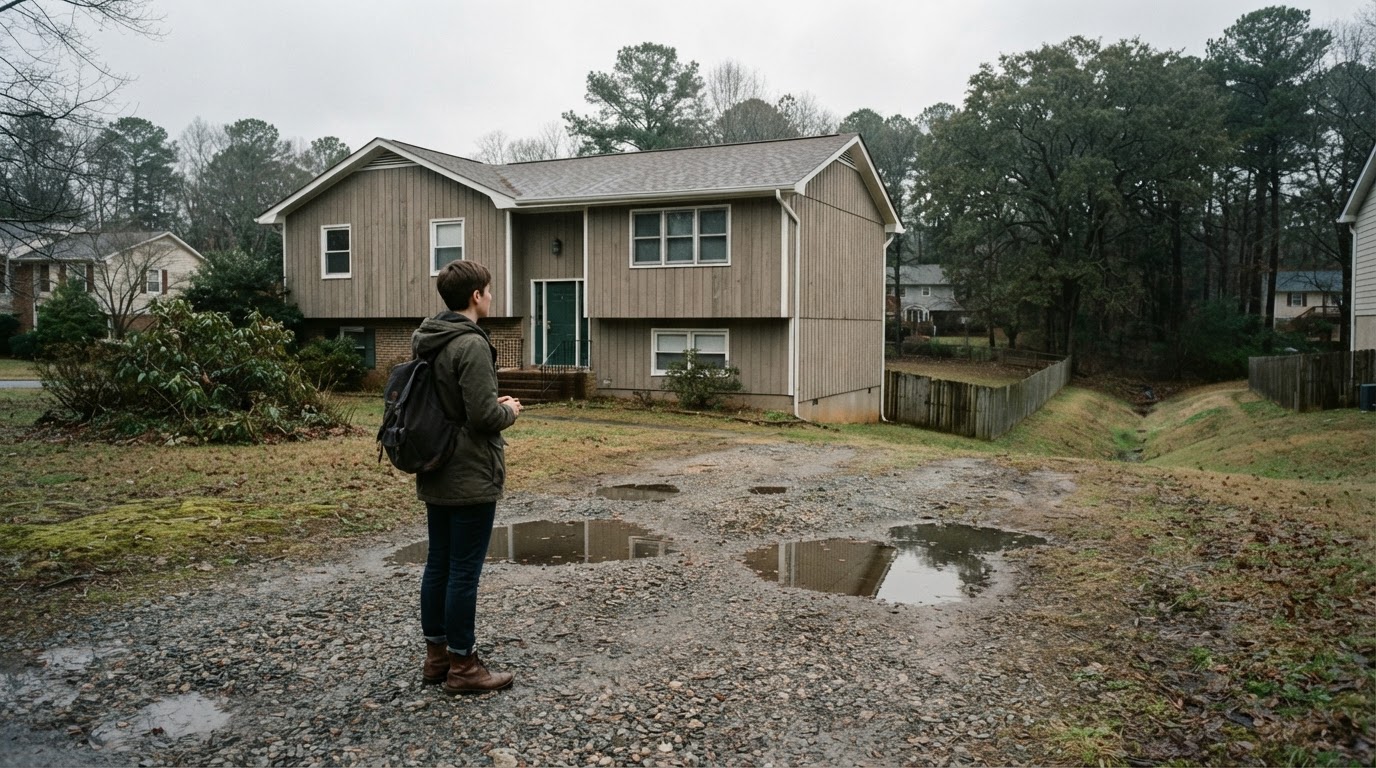
When you walk into a home showing, it's easy to be swayed by granite countertops or a sunny backyard. But beneath the surface, flood and fire risks can affect your safety, insurance costs, and property value. Asking the right questions—and knowing where to verify the answers—can prevent costly surprises. Here are five essential questions to ask, backed by official government sources.
1. Is the property in a FEMA flood zone?
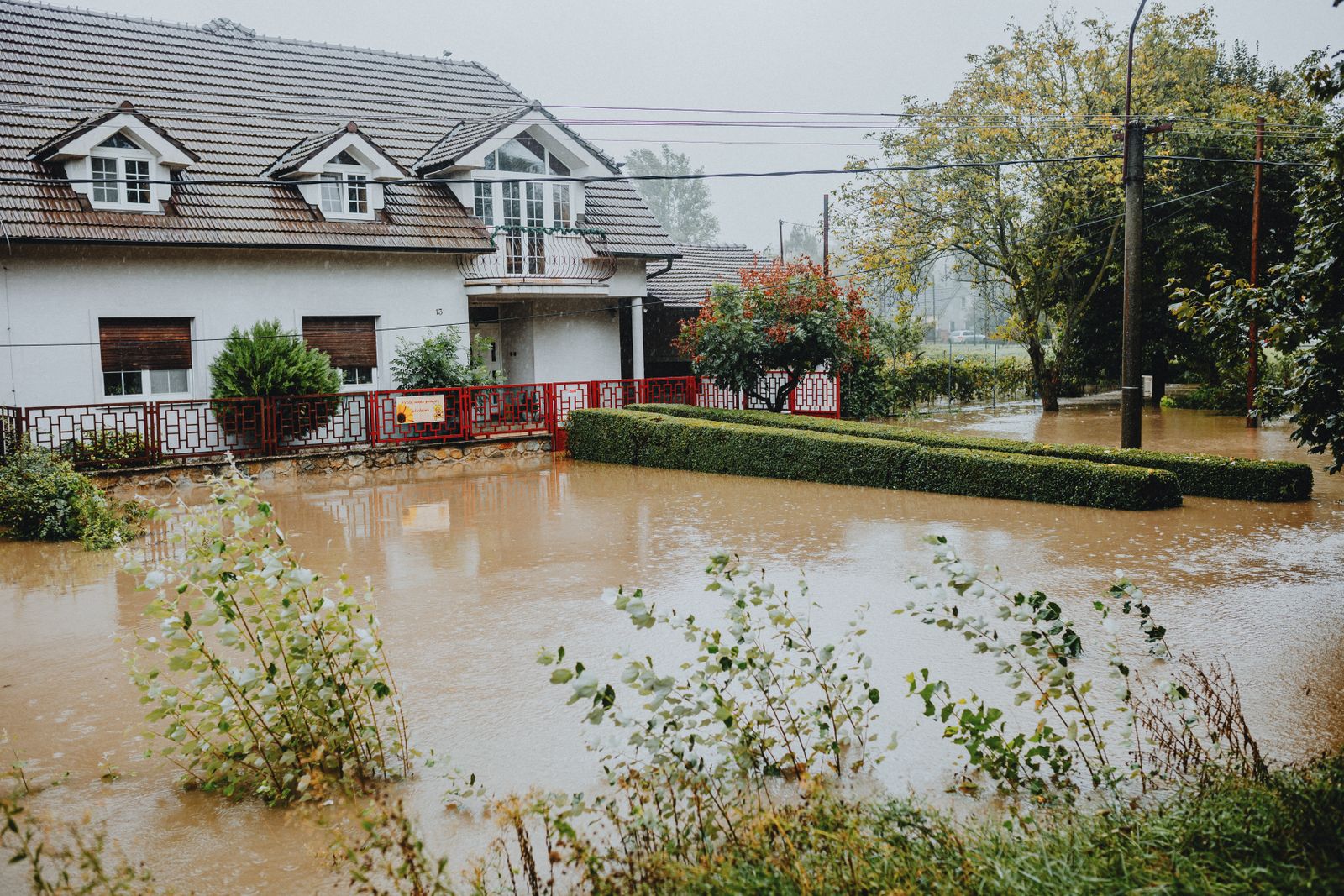
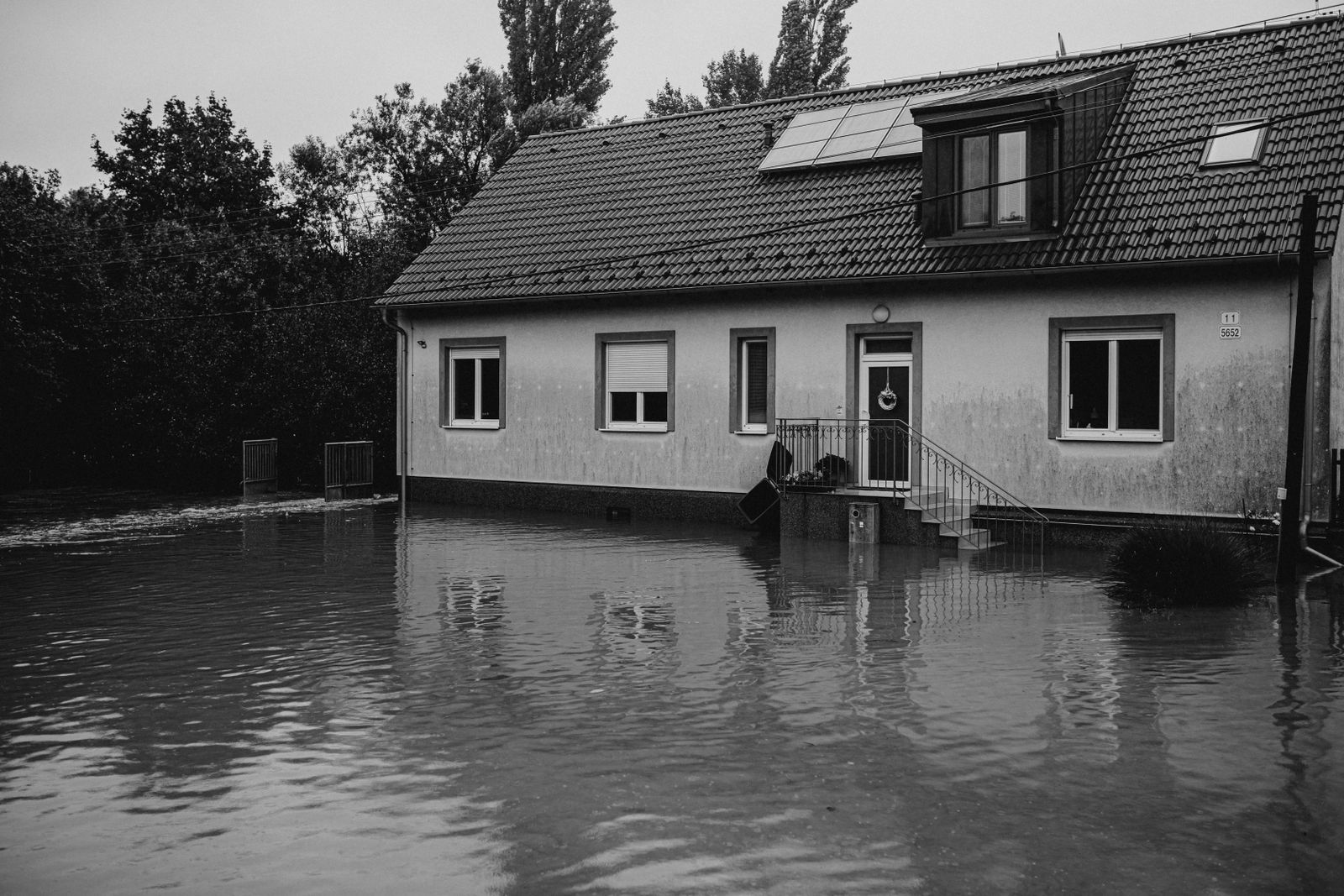
Flooding is the most common natural disaster in the United States. Start by asking the seller or agent: Is this property in a FEMA-designated flood zone? You can verify this yourself using the FEMA Flood Map Service Center. Enter the property address to see the Flood Insurance Rate Map (FIRM).
Properties in high-risk zones (starting with "A" or "V") are required to have flood insurance if there's a federally backed mortgage. Even if not required, consider purchasing flood insurance through the National Flood Insurance Program (NFIP). Ask if the seller has an Elevation Certificate, which shows the building's elevation relative to flood levels—this can lower your premium if the home is elevated.
2. What is the property's flood history?
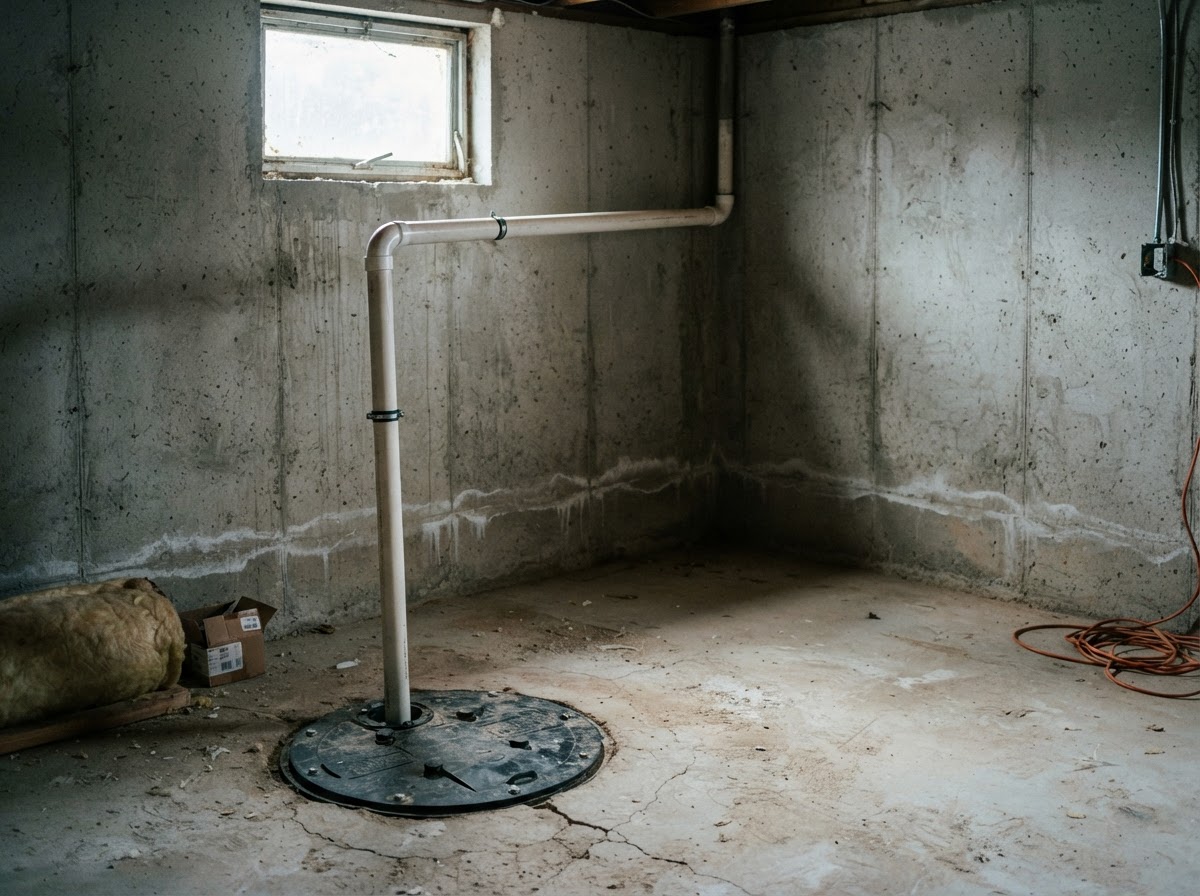
Even if the property is not in a high-risk zone, it may have flooded before. Ask: Has the property ever experienced flooding? Many states require sellers to disclose past flood damage, but laws vary. Look for water stains, musty odors, or recent renovations that could conceal past damage.
You can also check if there have been past flood insurance claims on the property. Unfortunately, FEMA claims data is not easily searchable by address, but your insurance agent may be able to help. For additional context, check the National Weather Service for rainfall totals and flood events in the area.
3. Is the property in a wildfire hazard zone?
Wildfire risk is growing in many parts of the U.S. Ask: What is the property's wildfire risk rating? Use the Wildfire Risk to Communities website, a USDA Forest Service tool, to see the risk level for the community. For California properties, check the Fire Hazard Severity Zones map from CalFire.
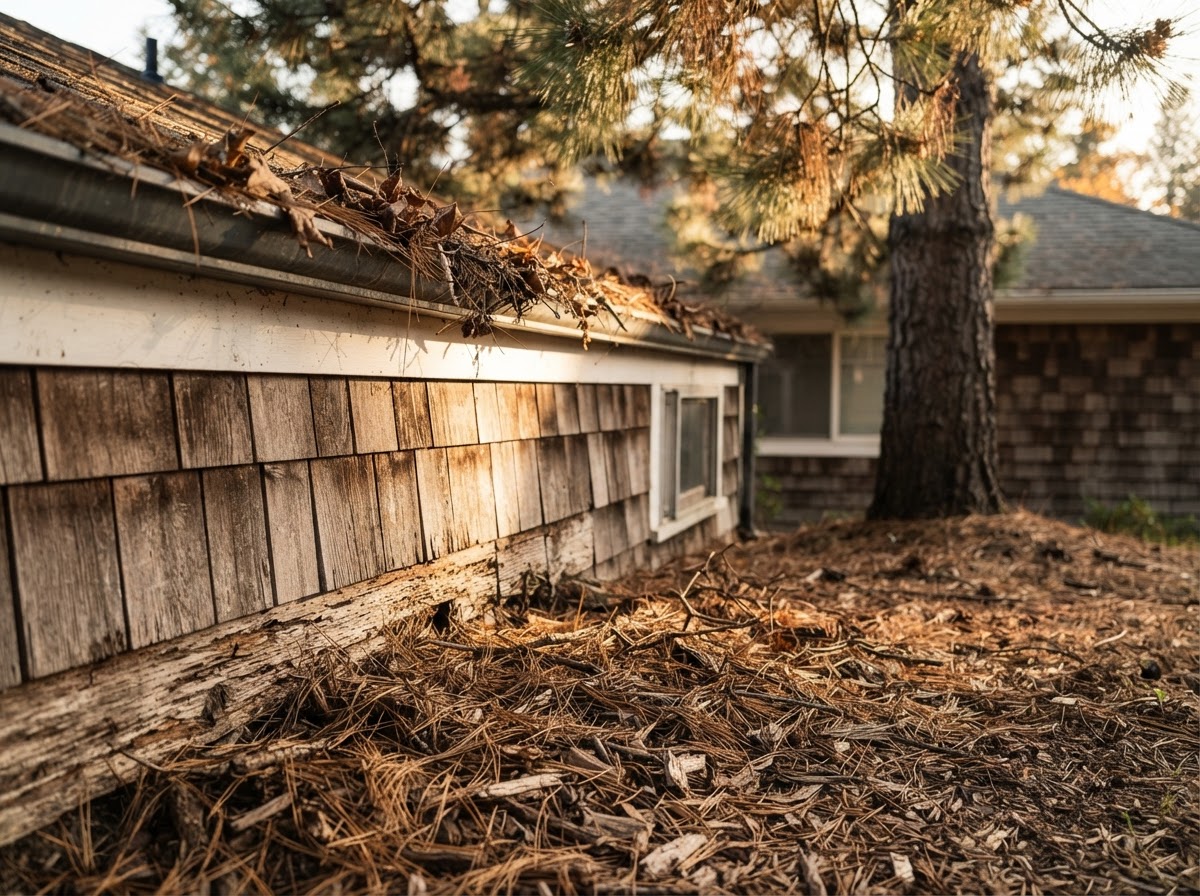
Ask about the home's defensible space—the area around the house where vegetation is managed to reduce fire fuel. The Ready.gov Wildfire page recommends at least 5 feet of non-flammable landscaping. Also inquire about building materials: Class A roofing, dual-pane windows, and non-combustible siding can make a home more fire-resistant.
4. What is the local fire department's response capability?
In a wildfire or structure fire, response time matters. Ask: How far is the nearest fire station, and what is its rating? Insurance Services Office (ISO) assigns a Public Protection Classification (1 to 10, with 1 being best) that reflects fire protection quality. You can ask the local fire department or check online maps.
Water availability is another factor. Homes in rural areas may rely on cisterns or wells for firefighting. Ask about nearby hydrants, and whether the local fire department has access to water tenders or drafting ponds.
5. Have there been previous fire incidents on or near the property?
Past fires can indicate recurring risk. Ask the seller: Has the property been affected by a wildfire or structure fire before? Also check with the local fire department for any records of incidents at the address. For larger fires, the National Interagency Fire Center provides annual statistics, but for specific properties, you may need to contact local emergency management.
In some states, sellers must disclose if they have filed a fire insurance claim. If you find evidence of past fire, dig deeper: Was the home rebuilt with fire-resistant materials? Are there currently any code violations related to fire safety?
Conclusion
Asking these five questions at a home showing gives you a solid start in understanding flood and fire risks. But don't stop there—always verify with official sources: FEMA's Flood Map Service Center for flood zones, Wildfire Risk to Communities for fire hazard, and your local emergency management office for additional records. Finally, talk to an insurance agent about coverage options before you close. A little due diligence now can protect your home and peace of mind for years to come.
About our guidance
Our guides are grounded in publicly available information from official sources such as FEMA, NOAA, USGS and Ready.gov. Information is general in nature — always verify details for your specific property and policy with official sources and your insurer.
Related guides
 InsuranceLender-Placed Flood Insurance: The Expensive Backup If Your Policy LapsesYour lender can force-place flood insurance if your policy lapses — and bill you for it, usually at a higher price. Here is how…Oct 15, 2026Read guide →
 InsuranceWhat Happens to Your NFIP Policy If Congress Lets the Program LapseCongress extended the NFIP through December 11, 2026. If the program lapses, existing policies stay in force and claims get paid…Oct 15, 2026Read guide →
 InsuranceExcess Flood Insurance: Coverage Above NFIP's $250,000 LimitThe NFIP caps flood coverage at $250,000 for the building and $100,000 for contents. If your home would cost more to rebuild,…Oct 15, 2026Read guide →