
Climate Risk and Your Next Home: What to Consider
4 min read
On this page
Thinking about buying a home? Climate risks like floods, wildfires, and hurricanes can impact safety and property value. Learn how to evaluate hazards using official tools and make an informed decision.
Introduction
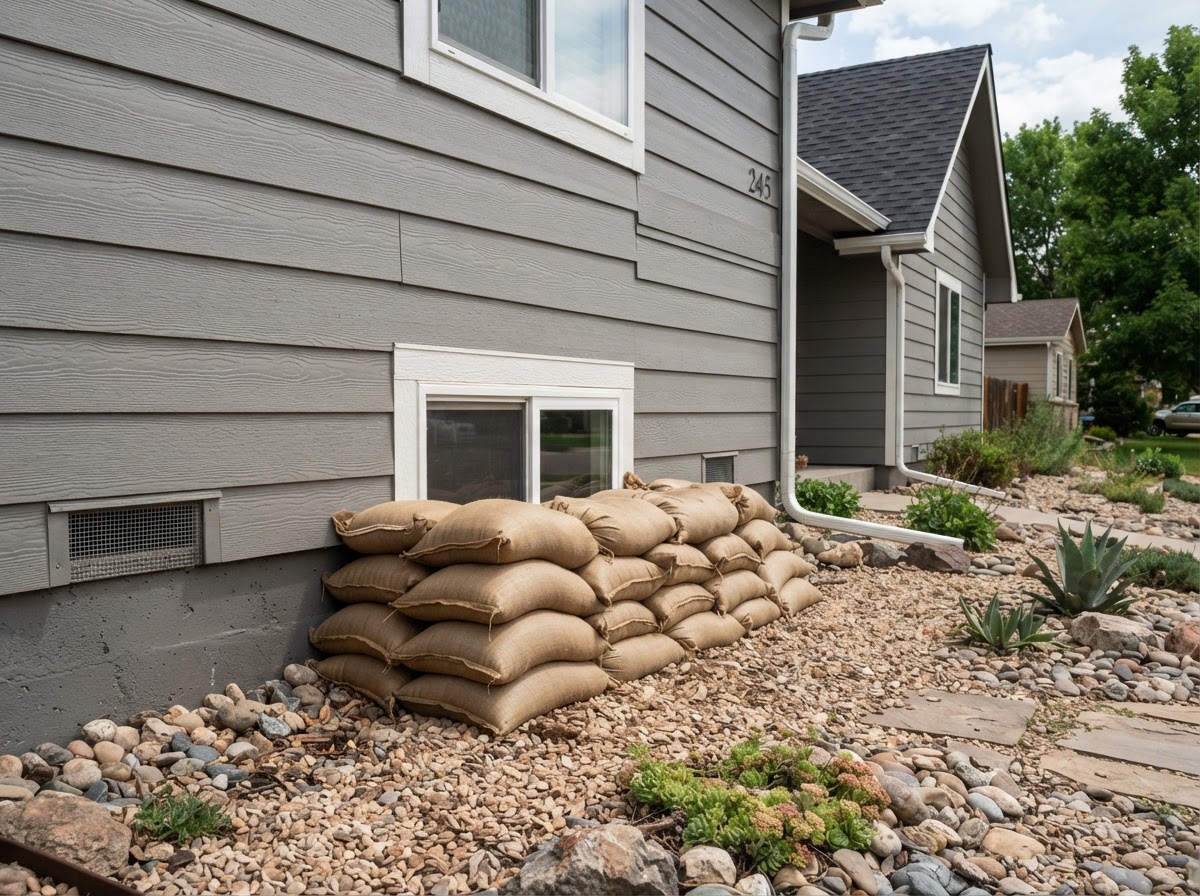
Where you live has always been a big decision, but climate change is adding a new layer of complexity. Floods, wildfires, hurricanes, and extreme heat are becoming more frequent and intense in many parts of the United States. As a homebuyer, you need to consider not only the charm of a neighborhood but also its long-term safety and financial stability. This article explains how to evaluate climate risk using official government resources so you can make a confident choice.
Climate Risks Vary by Location

Different regions face different hazards. The FEMA National Risk Index provides a clear, county-level map of 18 natural hazards, including riverine flooding, coastal flooding, wildfire, tornado, hurricane, and earthquake. You can look up any county and see its risk rating compared to the rest of the U.S. Similarly, NOAA's U.S. Drought Monitor tracks drought conditions that can increase wildfire risk.
Before you fall in love with a house, check these resources to understand the baseline hazards in that area.
Flood Risk is Often Overlooked
Flooding is the most common and costly natural disaster in the U.S. according to Ready.gov. Many homes outside of high-risk flood zones still flood. FEMA’s Flood Map Service Center lets you view flood maps by address. If the property lies in a Special Flood Hazard Area, your lender will require flood insurance. But even if it’s not mapped as high risk, consider purchasing flood insurance—about 25% of flood claims come from low-to-moderate risk areas.
Key Flood Facts
- One inch of floodwater can cause $25,000 in damage.
- Standard homeowners insurance does not cover flooding.
- Flood insurance through the National Flood Insurance Program (NFIP) is available nationwide.
Wildfire Risk in the Wildland-Urban Interface
Homes in or near wooded areas face growing wildfire risk. USGS defines the wildland-urban interface (WUI) as areas where human development meets undeveloped wildland. The Fire Adapted Communities program and Ready.gov recommend creating defensible space around your home using fire-resistant landscaping and building materials.
Check state wildfire hazard maps (e.g., California Department of Forestry and Fire Protection) for property-specific risk. Some insurance companies now decline coverage in high-risk areas or charge higher premiums.
Hurricanes, Storm Surge, and Wind
Coastal homes from Texas to Maine face hurricane threats. NOAA's National Hurricane Center provides historical storm tracks and storm surge maps. Storm surge is often the deadliest hazard. If you buy in a coastal area, check whether the home meets current building codes for wind resistance and whether it is in an evacuation zone. The FEMA Hurricane Wind and Water page offers guidance.
Extreme Heat and Your Home
Extreme heat is the deadliest weather-related hazard in the U.S., according to the CDC. Homes in urban heat islands (areas with little green space and lots of pavement) can be dangerously hot. Look for homes with energy-efficient cooling, shade trees, and reflective roofing. The National Integrated Heat Health Information System provides heat risk maps and planning tools.
Insurance Availability and Cost
One of the most immediate ways climate risk affects homeownership is through insurance. In states like California, Florida, and Louisiana, some insurers have stopped writing new policies or have raised premiums dramatically. Before making an offer, call local insurance agents to get a quote. If coverage is limited or extremely expensive, factor that into your budget.
For flood insurance, use the NFIP’s FloodSmart tool to estimate the premium. For earthquake insurance, check with your state’s insurance department; earthquake coverage is a separate policy sold by private insurers.
Property Value and Future Resiliency
Homes in high-risk areas may appreciate more slowly or even depreciate as awareness grows. Some local governments are requiring sellers to disclose flood history or wildfire risk. Research whether the community has invested in hazard mitigation, such as levees, floodwalls, or fire breaks. The FEMA Hazard Mitigation Assistance program funds such projects; you can ask local planning departments about any projects in the area.
Practical Steps Before You Buy
- Check multiple risk maps: Use FEMA National Risk Index, Flood Map Service Center, and state hazard portals.
- Get a professional inspection: A home inspector can spot signs of past water damage, mold, or fire damage.
- Ask the seller for disclosure: Many states require sellers to disclose past flood claims or known hazards.
- Talk to neighbors: Ask about insurance costs, recent disasters, and community preparedness.
- Review building codes: Newer homes in some areas are built to stricter standards (e.g., elevated foundations in flood zones, fire-resistant materials in wildfire zones).
Conclusion
Climate risk should not necessarily stop you from buying a home, but it should inform your decision. By using official government tools and asking the right questions, you can understand the hazards and choose a home that is both affordable and safe for the long term. A little research today can prevent big problems tomorrow.
About our guidance
Our guides are grounded in publicly available information from official sources such as FEMA, NOAA, USGS and Ready.gov. Information is general in nature — always verify details for your specific property and policy with official sources and your insurer.
Related guides
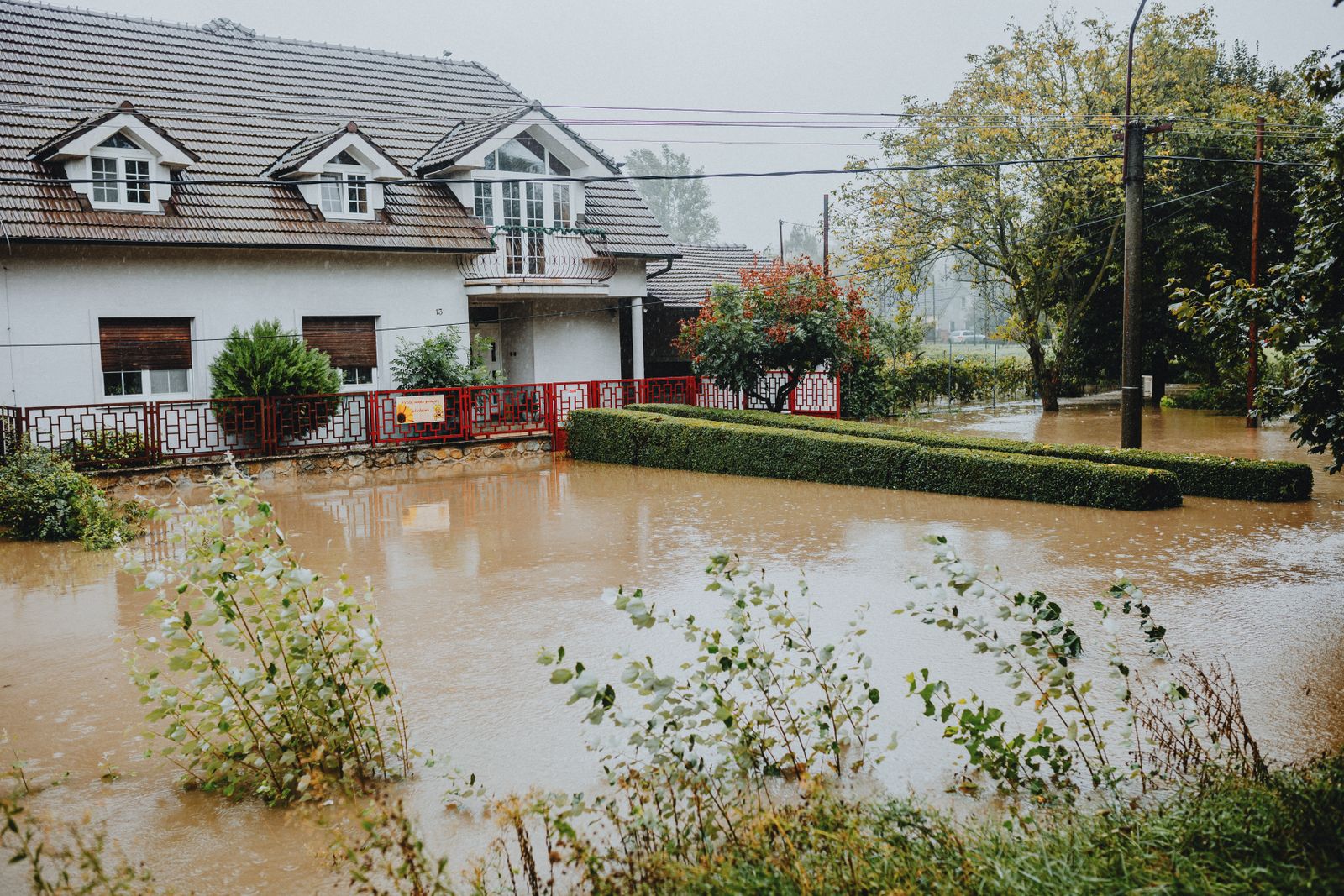 InsuranceLender-Placed Flood Insurance: The Expensive Backup If Your Policy LapsesYour lender can force-place flood insurance if your policy lapses — and bill you for it, usually at a higher price. Here is how…Oct 15, 2026Read guide →
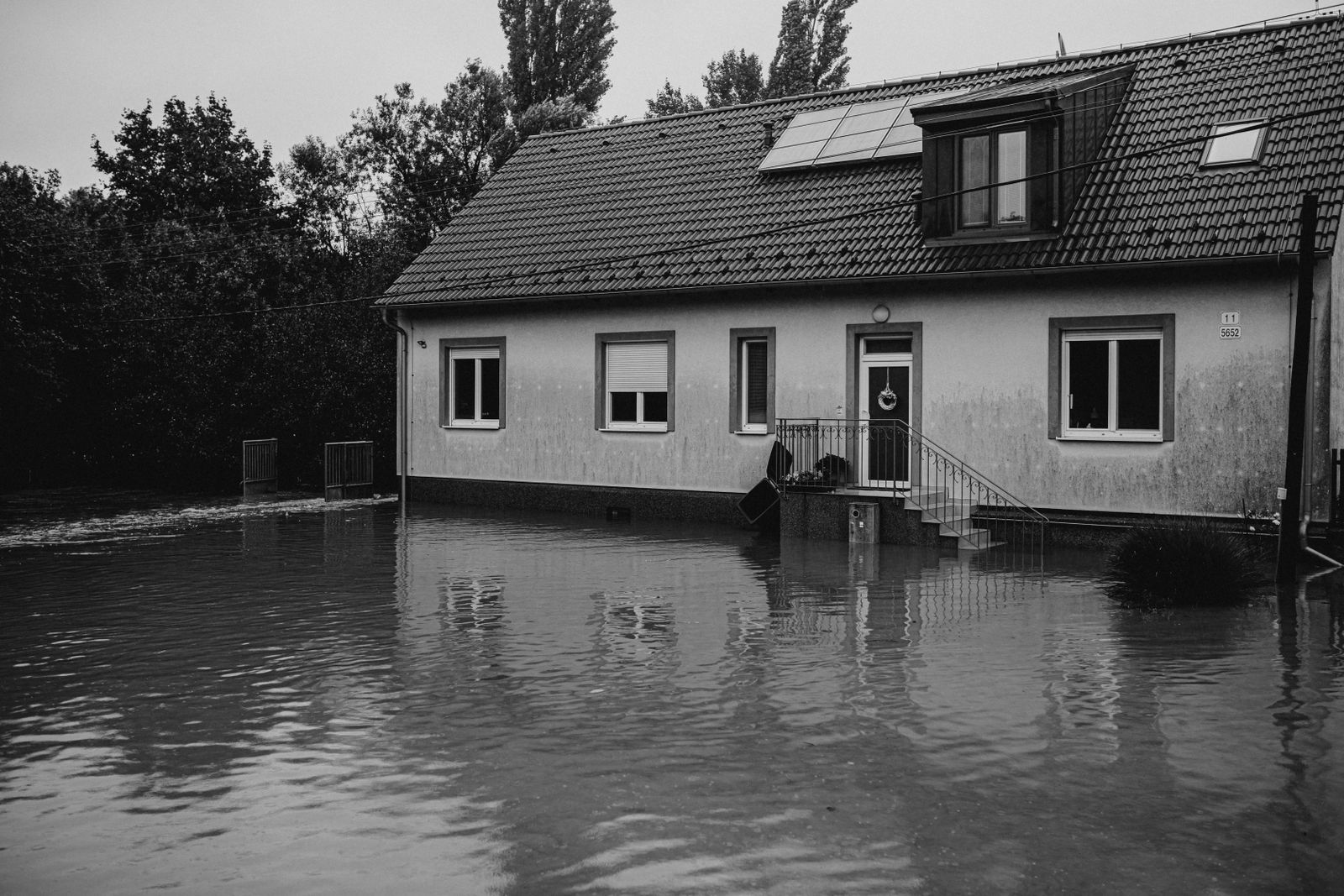 InsuranceWhat Happens to Your NFIP Policy If Congress Lets the Program LapseCongress extended the NFIP through December 11, 2026. If the program lapses, existing policies stay in force and claims get paid…Oct 15, 2026Read guide →
 InsuranceExcess Flood Insurance: Coverage Above NFIP's $250,000 LimitThe NFIP caps flood coverage at $250,000 for the building and $100,000 for contents. If your home would cost more to rebuild,…Oct 15, 2026Read guide →