
New vs Old Homes: Which Survives Disasters Better?
5 min read
On this page
Discover how newer building codes and materials stack up against the durability of older homes when facing natural disasters like hurricanes, earthquakes, and wildfires.
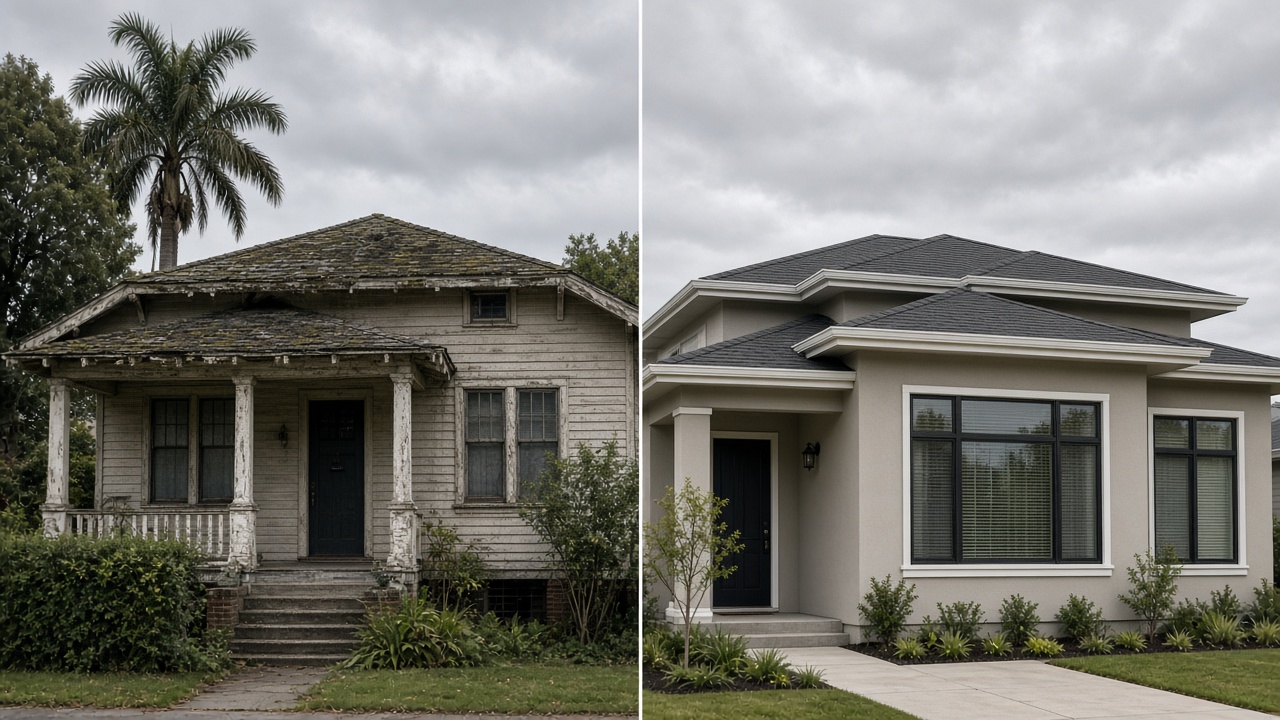
When shopping for a home or deciding whether to buy new construction or an older property, disaster resilience is a key factor. Both new and old homes have strengths and weaknesses depending on the hazard. This article compares them using official guidance from FEMA, NOAA, the USGS, and other federal agencies.
Earthquake Risk
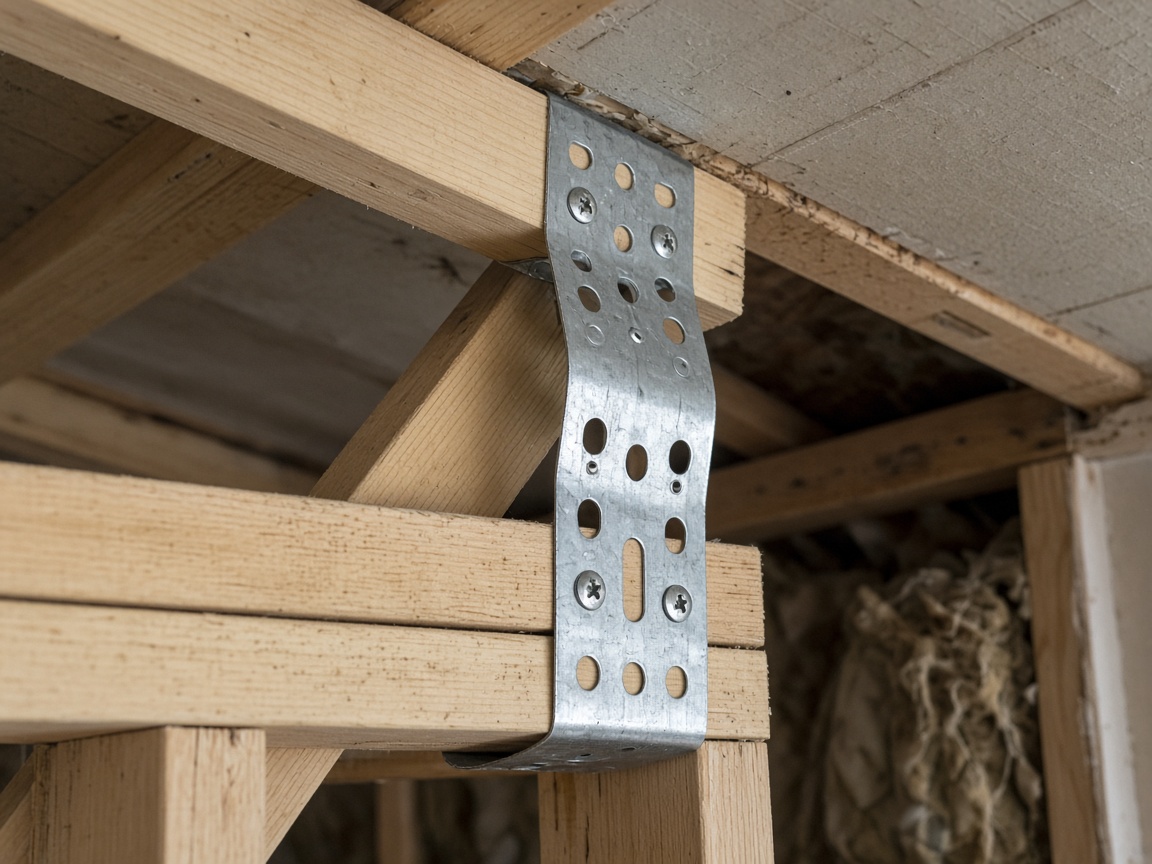
Older homes, especially those built before the 1970s in seismic zones, often lack modern earthquake-resistant features like continuous load paths, plywood shear walls, and proper foundation bolting. Newer homes in California, Oregon, Washington, and other active areas must comply with updated building codes that require steel bracing, anchor bolts, and flexible connections. However, even a new home can be vulnerable if the soil is unstable. The FEMA Earthquake Guidelines recommend retrofitting older homes with foundation bolts and cripple wall bracing.
Winner: Newer homes (but only if built to modern seismic codes; check with local building department).
Flood Risk
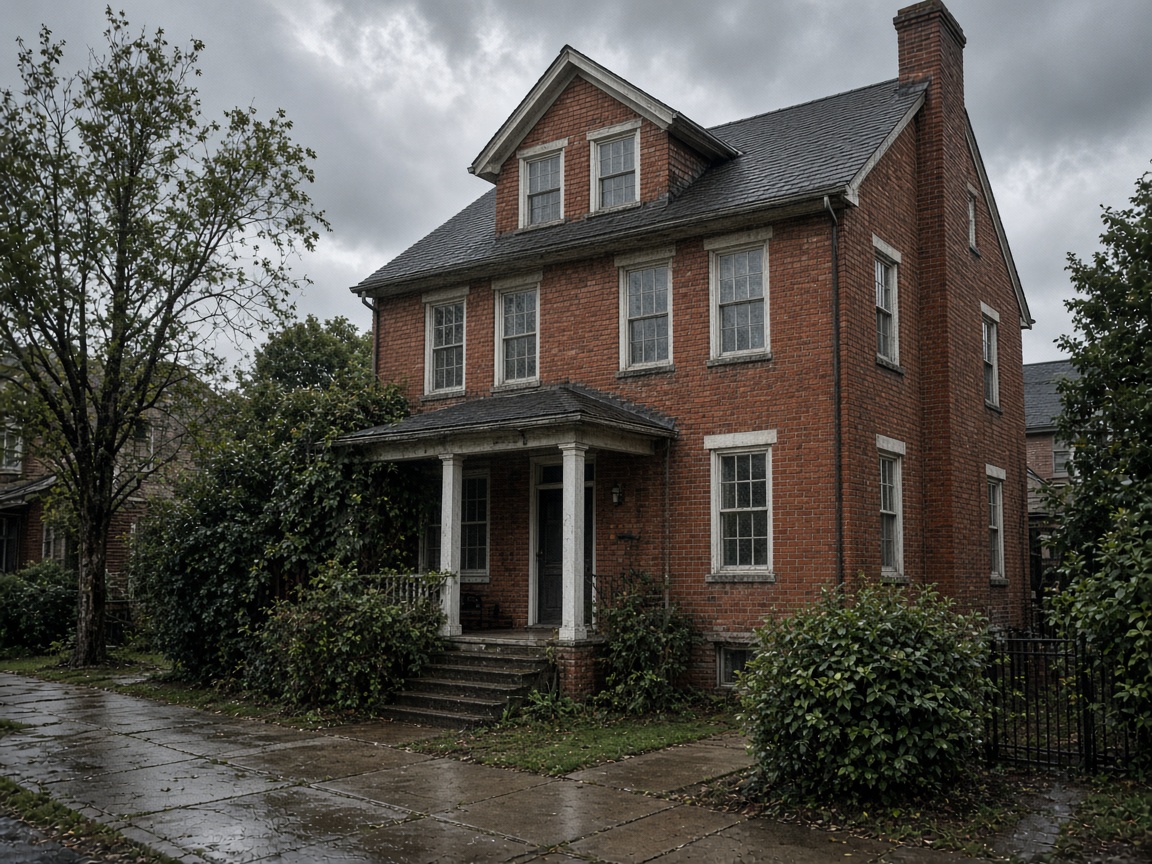
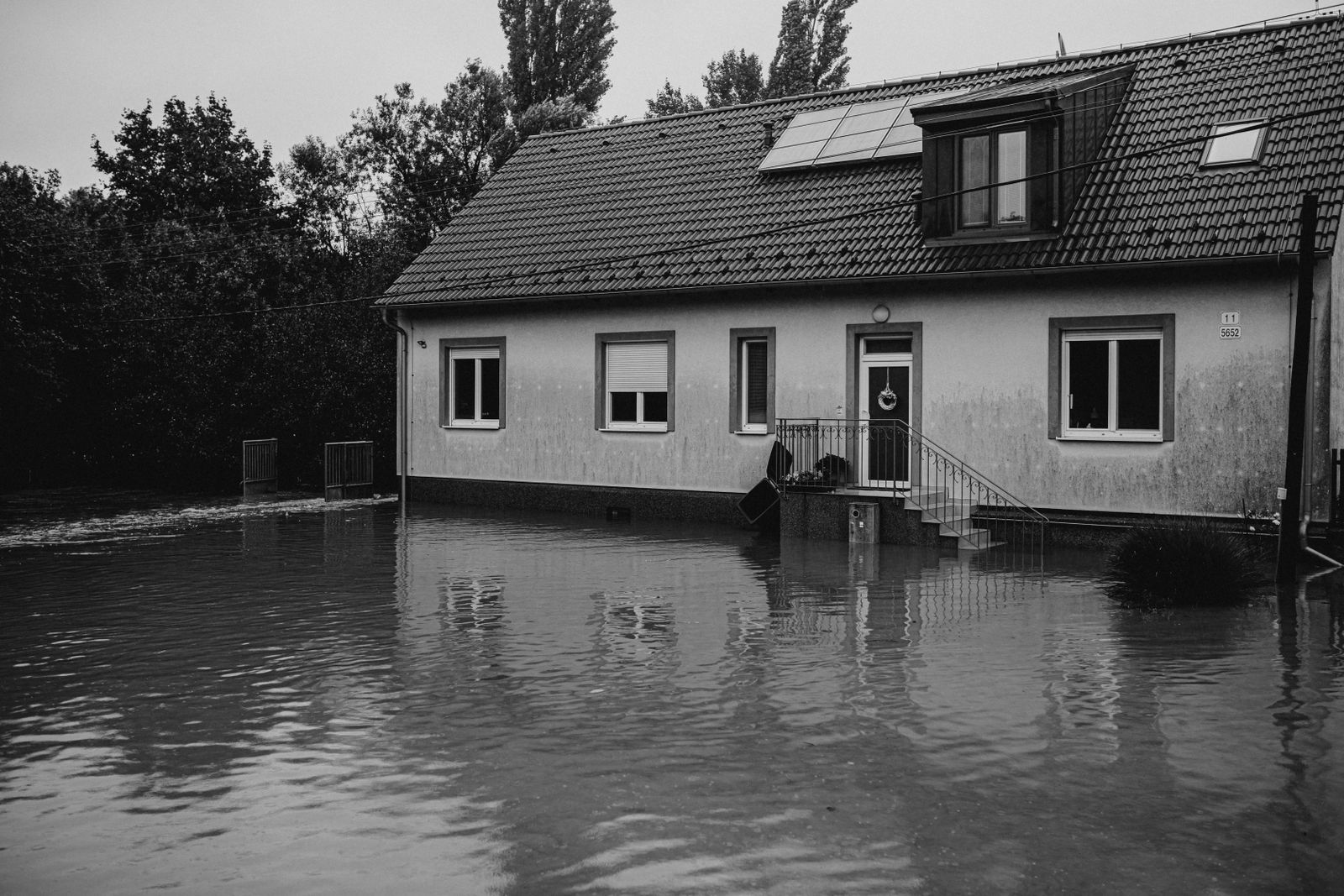
In floodplains, new construction often raises the first floor above the base flood elevation (BFE) per FEMA floodplain management requirements. Older homes may sit at grade or even below. However, the age of the home matters less than its elevation and floodproofing. Both types should have a flood insurance policy through the National Flood Insurance Program (NFIP). Even a new home in a low-risk area can flood if drainage is poor. Check FEMA Flood Insurance Rate Maps (FIRMs) before buying.
Winner: Newer homes (if elevated per code; otherwise, both need mitigation).
Hurricane and High Wind Risk
Coastal states like Florida, Texas, and the Carolinas have strict wind-resistant building codes after past hurricanes. New construction must include impact-resistant windows, hurricane straps, and reinforced roof decks. Older homes often lack these and may have gable-end weakness or inadequate nailing patterns. The FEMA Hurricane Wind Program provides guidance on retrofitting older homes with secondary water barriers and metal straps. An older home with a recent roof replacement may be just as good as new if proper installation techniques are used.
Winner: Newer homes (if built after the latest code adoption; older homes can be retrofitted).
Wildfire Risk
In wildfire-prone states like California, Colorado, and Oregon, new homes must follow Ready.gov wildfire safety guidelines: ignition-resistant roofing, non-combustible siding, screened vents, and defensible space. Older homes often have wood roofs, open eaves, and flammable landscaping. However, any home can be made more resilient through retrofits like replacing mulch with rock, installing metal gutters, and double-pane windows. The age is less important than the home’s immediate surroundings and the materials used.
Winner: Newer homes (if built to current wildfire codes, but both can be retrofitted).
Tornado Risk
Tornadoes are so violent that no home is truly safe. But newer homes in tornado-prone areas (e.g., Oklahoma, Kansas) may have safer room designs—steel-framed interior closets or basements—while older homes often lack any safe room. The FEMA Safe Room Program recommends a storm shelter built to ICC 500 standards. Adding a safe room is possible in both old and new homes, but new construction can incorporate it from the start. Continuous load paths also help older homes resist wind better if retrofitted.
Winner: Tie (newer may have safer layout, but both need a safe room).
General Construction Quality and Durability
Older homes often boast old-growth lumber, plaster walls, and brick or stone masonry that can be very durable if maintained. New homes may use engineered lumber, gypsum board, and cheaper materials that can deteriorate faster. However, new homes have better insulation, sealed ducts, and modern electrical/plumbing that reduce risk of mold and fire. The CDC Disaster Safety emphasizes maintenance: an older home with rotted wood or outdated wiring is far riskier than a well-built new home.
Winner: Depends on builder quality. A well-maintained older home can outlast a poorly built new one.
What the Studies Show
FEMA’s National Risk Index shows that while building codes reduce vulnerability, the greatest factor is how a home is maintained and upgraded. For example, a 1970s home that has been seismically retrofitted, has a new roof with hurricane straps, and elevated services may outperform a 2020 home built on a steep slope with poor drainage. The USGS and NOAA hazard maps are valuable for evaluating specific site risks.
Table: Quick Comparison of Key Hazards
- Earthquake: Newer home wins (if built to modern code)
- Flood: Newer home wins (if elevated above BFE)
- Hurricane: Newer home wins (if built to latest wind code)
- Wildfire: Newer home wins (if ignition-resistant materials used)
- Tornado: Tie (both need a safe room)
- Durability: Older home wins if well-maintained with quality materials
How to Make Either Home More Resilient
- Know your hazards: Use FEMA’s National Risk Index to see risks in your area.
- Retrofit: For older homes, consider earthquake bracing, wind protection, and flood proofing. FEMA’s disaster guides can help.
- Upgrade utilities: Raise electrical panels above flood level, install backflow valves, and protect HVAC.
- Landscaping: Create defensible space against wildfire, and slope ground away from foundation to reduce flood risk.
- Insure properly: Most disasters require separate policies (flood, earthquake, wind). Check Ready.gov insurance tips.
Conclusion: Which Should You Choose?
There is no universal answer. Newer homes generally have an advantage for earthquake, flood, hurricane, and wildfire risks because they are built to modern codes. However, a well-maintained older home with targeted retrofits can be equally resilient, and often offers better materials and character. Before buying, inspect the home for past disaster damage, check local building department records, and consult USGS and NOAA hazard maps. Ultimately, the best home is one that matches your risk tolerance and has been proactively prepared. Whether new or old, invest in mitigation—it’s the only way to truly handle disasters better.
About our guidance
Our guides are grounded in publicly available information from official sources such as FEMA, NOAA, USGS and Ready.gov. Information is general in nature — always verify details for your specific property and policy with official sources and your insurer.
Related guides
 InsuranceLender-Placed Flood Insurance: The Expensive Backup If Your Policy LapsesYour lender can force-place flood insurance if your policy lapses — and bill you for it, usually at a higher price. Here is how…Oct 15, 2026Read guide →
 InsuranceWhat Happens to Your NFIP Policy If Congress Lets the Program LapseCongress extended the NFIP through December 11, 2026. If the program lapses, existing policies stay in force and claims get paid…Oct 15, 2026Read guide →
 InsuranceExcess Flood Insurance: Coverage Above NFIP's $250,000 LimitThe NFIP caps flood coverage at $250,000 for the building and $100,000 for contents. If your home would cost more to rebuild,…Oct 15, 2026Read guide →