
HOA Wildfire Rules: What Homebuyers in Fire Country Must Check
5 min read
On this page
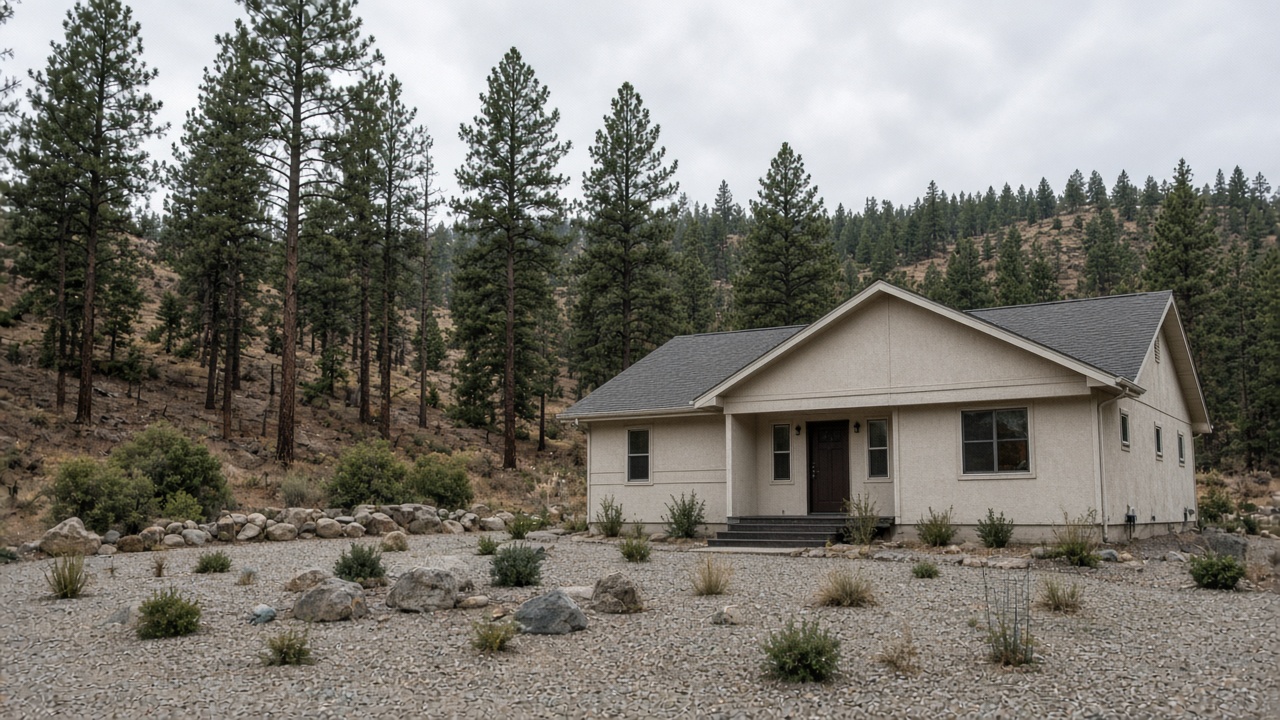
Thinking of buying a home in a wildfire-prone area? Your homeowners association (HOA) may have rules that affect your safety and insurance. Learn what to verify before you buy.
When buying a home in a wildfire-prone area, many buyers focus on the house itself—its construction, location, and defensible space. But an often-overlooked factor is the homeowners association (HOA). HOA rules can significantly impact your ability to create a fire-safe property, and they may also affect your insurance costs. This article guides you through the key wildfire-related HOA rules to verify before purchasing a home in fire country.
Why HOA Rules Matter for Wildfire Safety
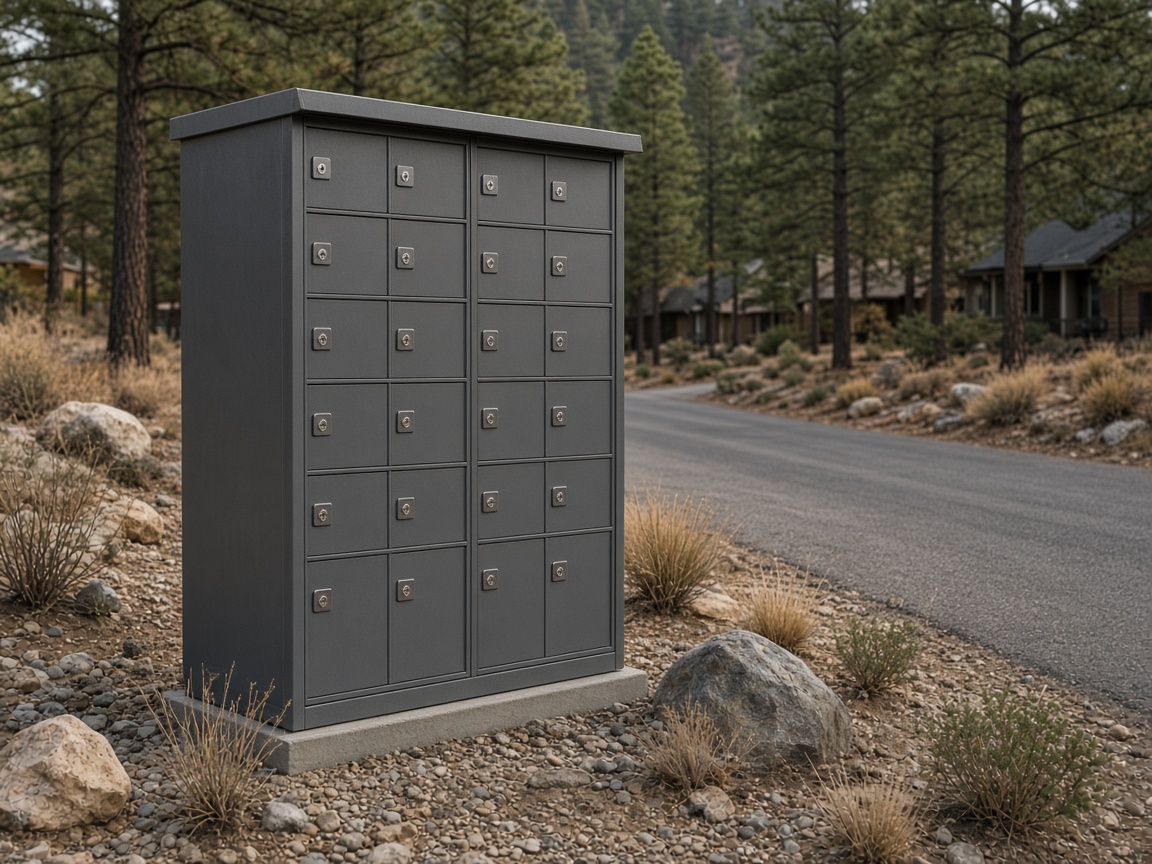
According to Ready.gov, creating defensible space—a buffer zone around your home—is one of the most effective ways to reduce wildfire risk. However, HOAs often have covenants, conditions, and restrictions (CC&Rs) that regulate landscaping, building materials, and outdoor structures. If these rules conflict with fire safety best practices, you may be unable to implement necessary measures. Additionally, some HOAs require specific roofing or siding materials that may not be fire-resistant. Knowing the rules beforehand can save you from costly retrofits or disputes.
Key HOA Rules to Investigate
1. Landscaping and Defensible Space
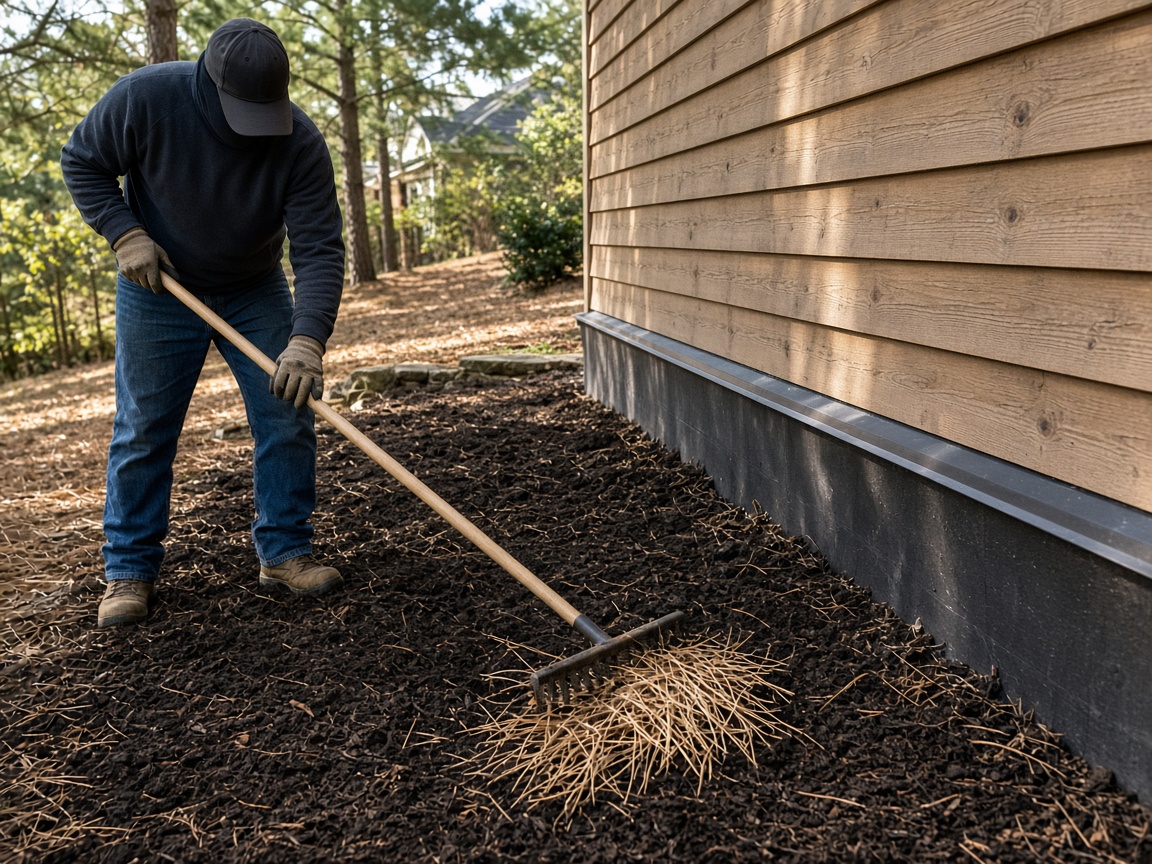
HOAs commonly enforce uniform landscaping, which can limit your ability to remove flammable vegetation or install fire-resistant plants. Check for rules that:
- Require certain types of plants (e.g., conifers or hedges) that may be highly flammable.
- Mandate non-combustible ground cover (e.g., rock or gravel) vs. bark mulch, which can spread fire.
- Restrict the removal of trees or limit pruning.
- Prohibit xeriscaping (water-efficient landscaping) or require irrigated lawns.
The FEMA Home Builder’s Guide recommends a defensible space of at least 30 feet from the home, with Zone 1 (0–5 feet) being completely non-combustible. If your HOA forbids removing plants within that zone, you may face increased risk. Ask for written exceptions or modifications.
2. Building Materials and Exteriors
Many HOAs have aesthetic guidelines for roofing, siding, decks, and fences. Verify that the allowed materials meet wildfire resistance standards, such as Class A roofing (e.g., asphalt shingles, metal, tile) and ignition-resistant siding (e.g., stucco, fiber cement). Some HOAs may require wood shake roofs, which are highly flammable. The National Fire Protection Association (NFPA) and U.S. Fire Administration provide guidance on fire-resistant construction. Check if the HOA allows:
- Fire-resistant roofing (Class A or B).
- Non-combustible siding or fire-retardant-treated wood.
- Enclosed eaves and soffits to prevent ember entry.
- Tempered or dual-pane windows with metal frames.
3. Outdoor Structures and Storage
HOAs often regulate sheds, fences, decks, patios, and even furniture. In wildfire zones, combustible structures near the home can be hazardous. Look for rules regarding:
- Fences: Some HOAs require wood fences, which can carry fire. Ask if metal or ignition-resistant materials are permitted.
- Decks: Check if decks must be constructed of fire-resistant materials and if the area underneath must be enclosed or cleared of debris.
- Outdoor furniture and cushions: Some HOAs require fire-resistant covers or prohibit flammable items.
- Propane tanks and firewood storage: Rules may restrict quantities and placement. Store firewood at least 30 feet from structures per Ready.gov.
4. Access and Emergency Response
HOAs may control gates, roads, and signage. Ensure that:
- Gated communities have emergency access for fire trucks (minimum 12-foot wide, 15-foot vertical clearance).
- Street signs and house numbers are clearly visible from the road (required by Ready.gov).
- The HOA has a wildfire evacuation plan and communicates it to residents.
5. Insurance and Liability
HOAs may require homeowners to carry a minimum level of property insurance, and some even have master policies that cover common areas. However, your individual policy may be affected by the HOA's fire safety rules. If the HOA restricts defensible space or fire-resistant upgrades, insurers might charge higher premiums or deny coverage. The FEMA Insurance Guidance emphasizes reducing risk to maintain insurability. Check if the HOA:
- Mandates insurance that covers replacement cost for common areas.
- Requires compliance with local wildfire mitigation codes.
- Has liability for common area fire hazards (e.g., overgrown vegetation).
How to Research HOA Wildfire Rules
Before making an offer, request the following documents and review them with a real estate attorney or wildfire risk specialist:
- CC&Rs (Covenants, Conditions & Restrictions) – Look for sections on landscaping, building standards, and modifications.
- Architectural Review Guidelines – These detail approval processes and material restrictions.
- Board Meeting Minutes – Review recent discussions about wildfire mitigation, fuel reduction projects, or disputes with homeowners.
- HOA Insurance Policy – Understand what common areas are covered and whether the HOA carries liability for fire damage.
- Wildfire Risk Assessment – Some HOAs commission professional assessments; ask for a copy.
Additionally, contact the local fire department or FEMA National Risk Index to understand the area's wildfire hazard level. The U.S. Fire Administration also provides resources for homeowners and communities.
What to Do If HOA Rules Conflict with Fire Safety
If you find restrictive rules, you have several options:
- Request a variance – Many HOAs allow exceptions for health and safety. Submit a request with evidence from fire officials.
- Get involved – Join the HOA board or attend meetings to advocate for fire-smart rule changes.
- Negotiate – Some sellers may agree to modify rules before closing, especially if the property has been on the market.
- Walk away – If the HOA is unwilling to accommodate basic fire safety, it may be a sign of deeper issues. Proceed with caution.
Conclusion
Wildfire risk is increasingly important for homeowners in fire-prone states. Your HOA can either help or hinder your efforts to protect your home. Before buying, invest time in reviewing HOA documents, asking pointed questions about wildfire mitigation, and confirming that you can implement essential safety measures. By doing so, you'll not only protect your investment but also ensure your family's safety. For more information, visit Ready.gov, FEMA National Risk Index, and your state's emergency management agency.
About our guidance
Our guides are grounded in publicly available information from official sources such as FEMA, NOAA, USGS and Ready.gov. Information is general in nature — always verify details for your specific property and policy with official sources and your insurer.
Related guides
 InsuranceLender-Placed Flood Insurance: The Expensive Backup If Your Policy LapsesYour lender can force-place flood insurance if your policy lapses — and bill you for it, usually at a higher price. Here is how…Oct 15, 2026Read guide →
 InsuranceWhat Happens to Your NFIP Policy If Congress Lets the Program LapseCongress extended the NFIP through December 11, 2026. If the program lapses, existing policies stay in force and claims get paid…Oct 15, 2026Read guide →
 InsuranceExcess Flood Insurance: Coverage Above NFIP's $250,000 LimitThe NFIP caps flood coverage at $250,000 for the building and $100,000 for contents. If your home would cost more to rebuild,…Oct 15, 2026Read guide →