
7 Landslide Warning Signs Every Slope Homeowner Should Know
5 min read
On this page
- Introduction
- 1. New Cracks in Foundations, Pavement, or Bare Ground
- 2. Tilting Trees, Fence Posts, or Utility Poles
- 3. Sticking Doors and Windows or Sagging Floors
- 4. Unusual Water Flow or Seepage
- 5. Rumbling Sound or Unusual Creaking
- 6. Sudden Change in Stream Flow
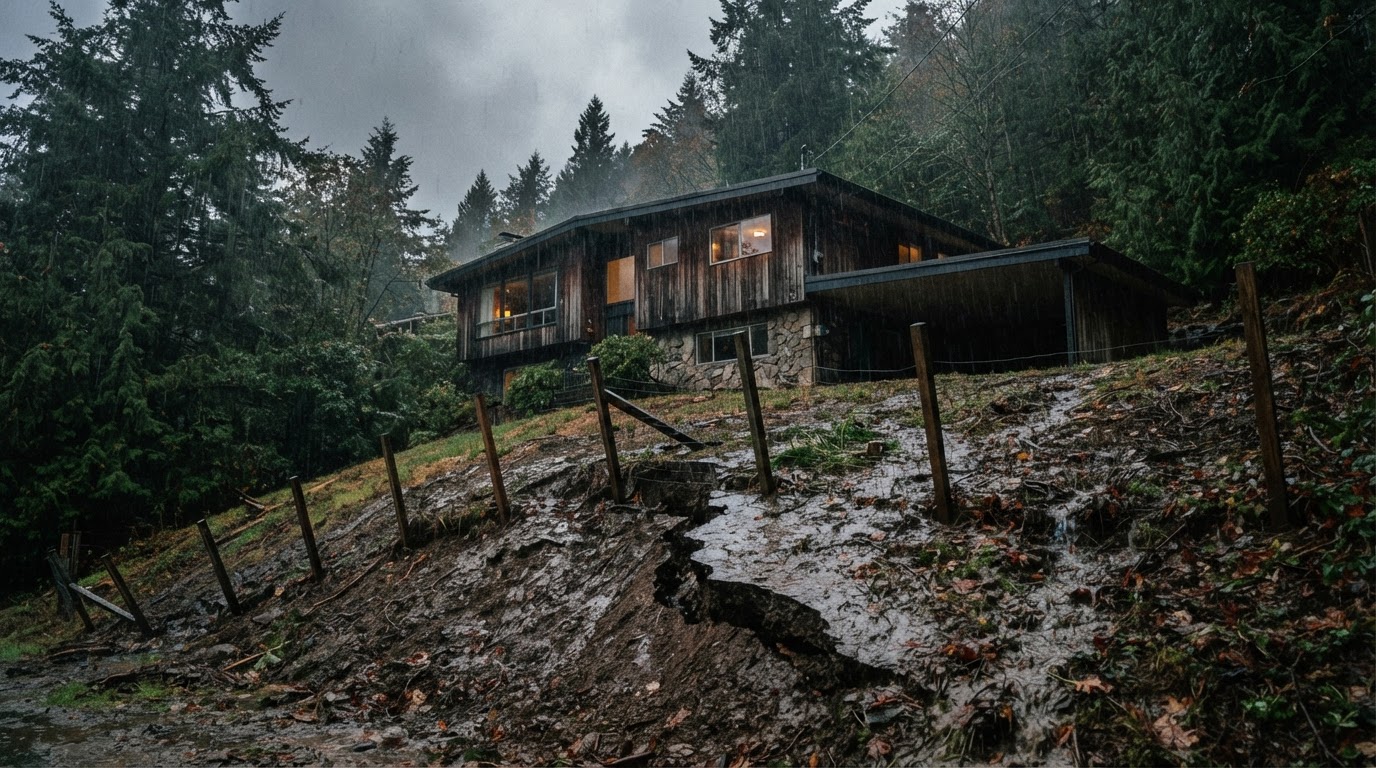
- 7. Disturbed Soil or Cracked Hillside
- What to Do If You See Warning Signs
- Prevention and Mitigation
- Conclusion
Learn the key warning signs of an impending landslide from official government sources. Protect your home and family with these actionable tips.
Introduction
Living on a slope offers beautiful views and a sense of tranquility, but it also comes with unique risks. Landslides—the movement of rock, earth, or debris down a slope—can happen suddenly and with devastating consequences. According to the U.S. Geological Survey (USGS), landslides cause billions of dollars in damage and dozens of fatalities each year in the United States. The good news is that landslides rarely occur without warning. By learning the warning signs, you can take action early to protect your property and family. This guide, based on guidance from FEMA, NOAA, and the USGS, outlines seven critical warning signs every homeowner on a slope should know.
1. New Cracks in Foundations, Pavement, or Bare Ground
One of the most common and visible signs of slope instability is the appearance of cracks. Look for:
- Cracks in your home’s foundation, especially widening gaps or stair-step cracks in masonry.
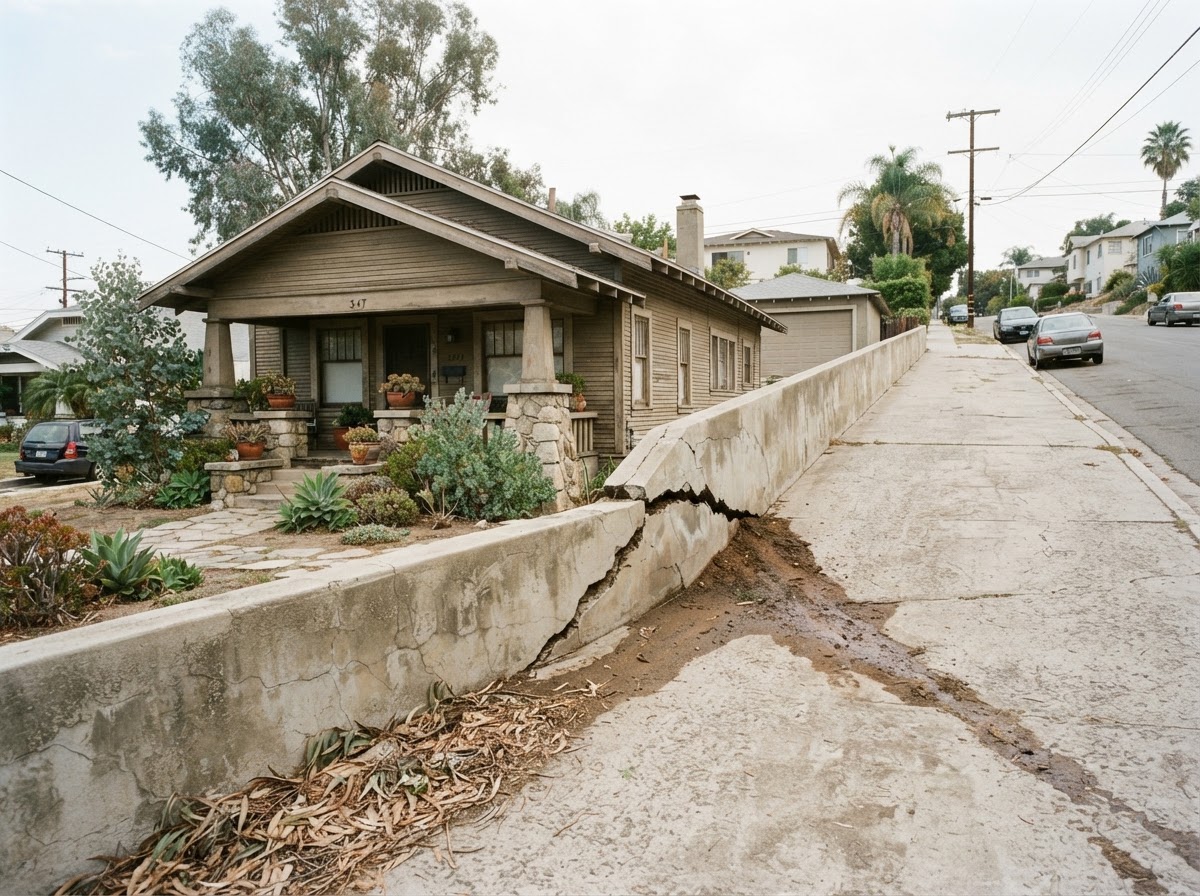
- Cracks in driveways, patios, or sidewalks that are new or expanding.
- Ground cracks on the hillside above or below your home, particularly those that run parallel to the slope.
- Bulges or humps in the ground at the base of a slope, which may indicate pressure buildup.
As noted by Ready.gov, these structural changes are often the first clues that the ground is shifting.
2. Tilting Trees, Fence Posts, or Utility Poles
Vegetation and man-made structures can reveal soil movement. Watch for:
- Trees leaning at unusual angles, especially if they are straight but the trunk is curved (indicating long-term movement).
- Fence posts or utility poles that are tilted or out of alignment.
- Leaning retaining walls or bulging concrete.
The FEMA Landslide Hazard Mitigation page emphasizes that such tilting is a red flag that the soil beneath is slowly creeping downhill.
3. Sticking Doors and Windows or Sagging Floors
As the ground shifts, it can warp your home’s structure. Signs include:
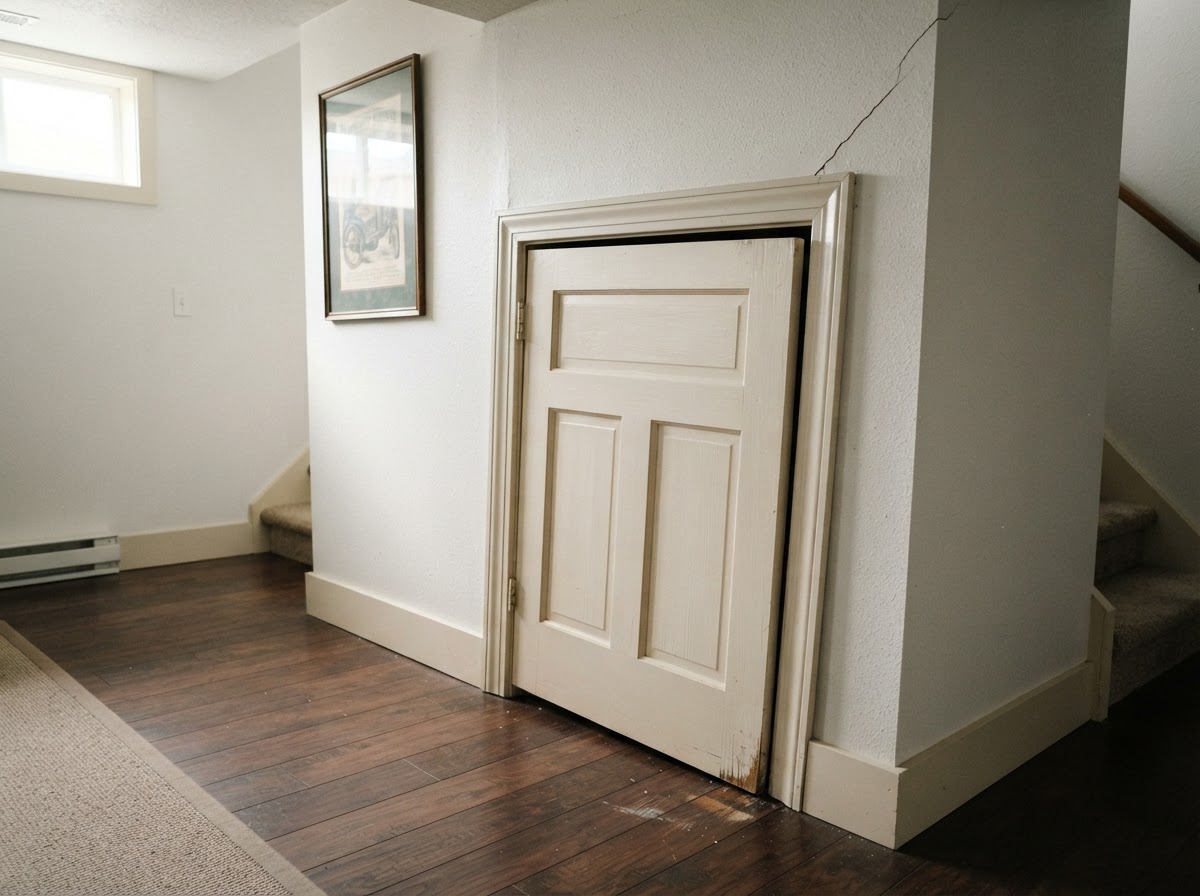
- Doors or windows that stick or jam, even when the weather is dry.
- Gaps appearing around window frames or doorframes.
- Sloping or sagging floors, or walls that begin to lean.
- New or widening cracks in interior walls or ceilings, especially around door openings.
These issues often signal that your foundation is being stressed by soil movement.
4. Unusual Water Flow or Seepage
Water is a primary trigger for landslides. Pay attention to:
- New springs or pools of water appearing on the slope, even during dry weather.
- Sudden increase in water flow from existing springs or irrigation systems.
- Irregular patterns of wet or dry soil on the hillside.
- Water seeping from the hillside at unexpected locations.
The National Weather Service warns that changes in water behavior can indicate that the ground is becoming saturated and unstable.
5. Rumbling Sound or Unusual Creaking
As the earth moves, it can create audible noises. Listen for:
- A low rumbling or grinding sound that grows louder as the landslide approaches.
- Creaking, cracking, or popping noises from the ground or from trees nearby.
- Bending or snapping sounds from trees or power poles.
The USGS notes that such sounds are caused by the movement of rocks and soil and should prompt immediate action.
6. Sudden Change in Stream Flow
If you live near a stream or drainage channel, watch for:
- A sudden decrease in stream flow or the water turning muddy, which may indicate a blockage upstream.
- A sudden increase in water flow or a surge of mud and debris.
- New debris jams or fallen trees in the channel.
These signs can indicate that a landslide has dammed the stream upstream, creating a potential for a debris flow—a fast-moving mixture of water, rock, and mud.
7. Disturbed Soil or Cracked Hillside
Finally, examine the slope itself. Look for:
- New areas of bare soil or patches of discolored vegetation, which can indicate recent soil movement.
- Cracks or fissures in the hillside, especially if they form a ‘scarp’ (a stepped or vertical face).
- Small landslides or rockfalls nearby, which may precede a larger event.
- Erosion at the base of the slope or along drainage paths.
The CDC recommends regular slope inspections after heavy rain, earthquakes, or human activity.
What to Do If You See Warning Signs
If you observe any of these signs, take them seriously. According to Ready.gov, the most important step is to evacuate immediately if you feel threatened. Do not wait for a disaster to occur. Also:
- Contact your local emergency management office or call 911 if you believe a landslide is imminent.
- Notify neighbors who may be in the danger path.
- If you can safely do so, document the signs with photos for insurance or local authorities.
- Be aware that heavy rain, rapid snowmelt, or earthquakes can trigger landslides, so stay alert during these conditions.
Prevention and Mitigation
While you cannot prevent all landslides, you can reduce your risk. The FEMA mitigation guidelines suggest:
- Maintain proper drainage around your home—direct water away from slopes.
- Plant deep-rooted vegetation to stabilize soil, but avoid heavy irrigation that can saturate the ground.
- Avoid constructing retaining walls, decks, or additions without consulting a geotechnical engineer.
- Install flexible gas and water lines to reduce breakage during ground movement.
- Check your homeowner’s insurance policy, as landslide coverage is typically not included and requires a separate policy.
Conclusion
Knowing the warning signs of a landslide can give you precious time to protect your home and family. Cracks, tilting structures, changes in water flow, and unusual noises are all red flags that demand immediate attention. Stay informed by monitoring forecasts from the National Weather Service and reviewing hazard maps from the USGS. If you live on a slope, make an emergency plan today and share these signs with your household. Being prepared is the best defense against nature’s power.
About our guidance
Our guides are grounded in publicly available information from official sources such as FEMA, NOAA, USGS and Ready.gov. Information is general in nature — always verify details for your specific property and policy with official sources and your insurer.
Related guides
 InsuranceLender-Placed Flood Insurance: The Expensive Backup If Your Policy LapsesYour lender can force-place flood insurance if your policy lapses — and bill you for it, usually at a higher price. Here is how…Oct 15, 2026Read guide →
 InsuranceWhat Happens to Your NFIP Policy If Congress Lets the Program LapseCongress extended the NFIP through December 11, 2026. If the program lapses, existing policies stay in force and claims get paid…Oct 15, 2026Read guide →
 InsuranceExcess Flood Insurance: Coverage Above NFIP's $250,000 LimitThe NFIP caps flood coverage at $250,000 for the building and $100,000 for contents. If your home would cost more to rebuild,…Oct 15, 2026Read guide →