
7 Warning Signs of Slope Failure Every Homeowner Should Know
4 min read
On this page
Learn to identify early warning signs of landslides and slope instability around your property, based on guidance from FEMA, USGS, and Ready.gov.
Understanding Slope Failure
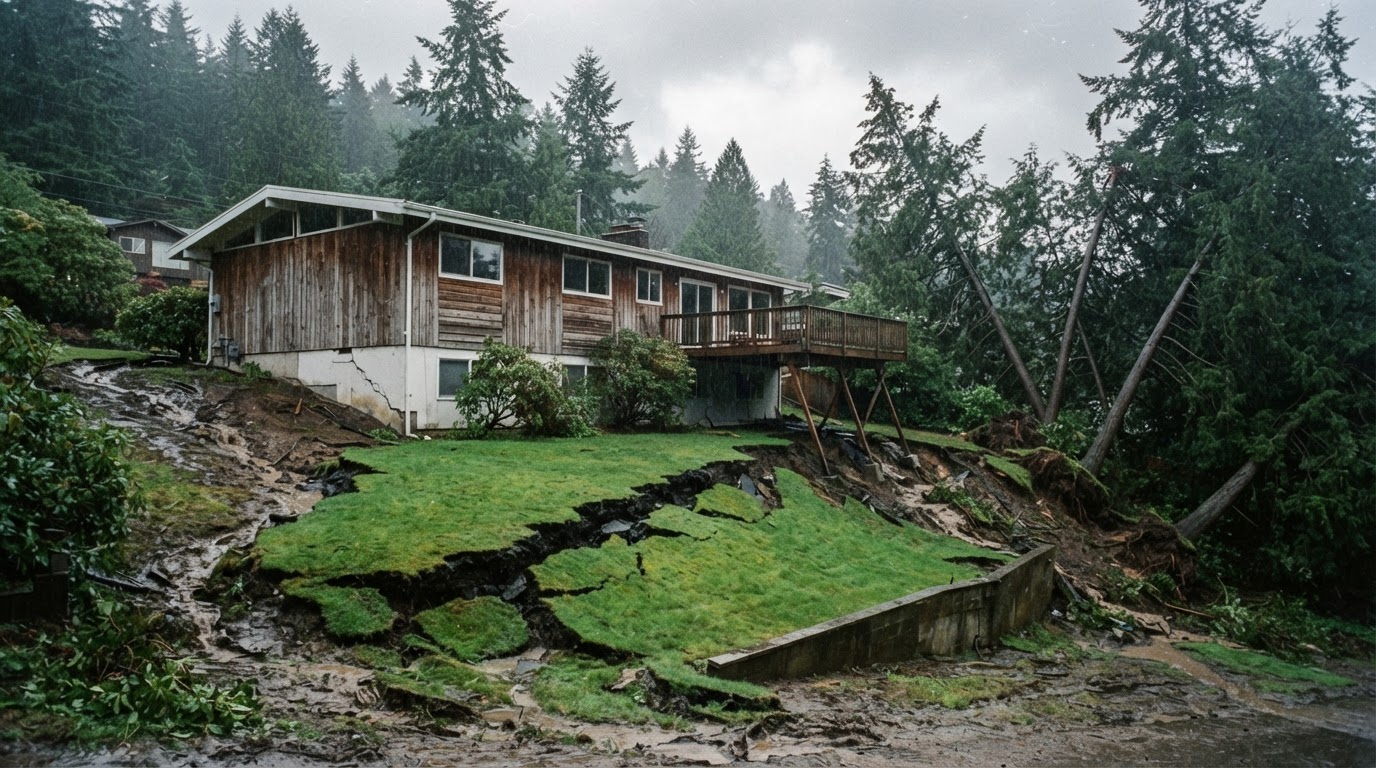
Slope failure, commonly known as a landslide, occurs when soil, rock, or debris moves down a slope due to gravity. It can happen slowly or suddenly, causing significant damage to homes, roads, and utilities. According to the U.S. Geological Survey (USGS), landslides are a serious natural hazard in all 50 states, affecting thousands of homes each year. Recognizing early warning signs is crucial for protecting your property and family. The following signs are identified by the Federal Emergency Management Agency (FEMA) and other experts as key indicators of potential slope failure.
Common Warning Signs
Tension Cracks
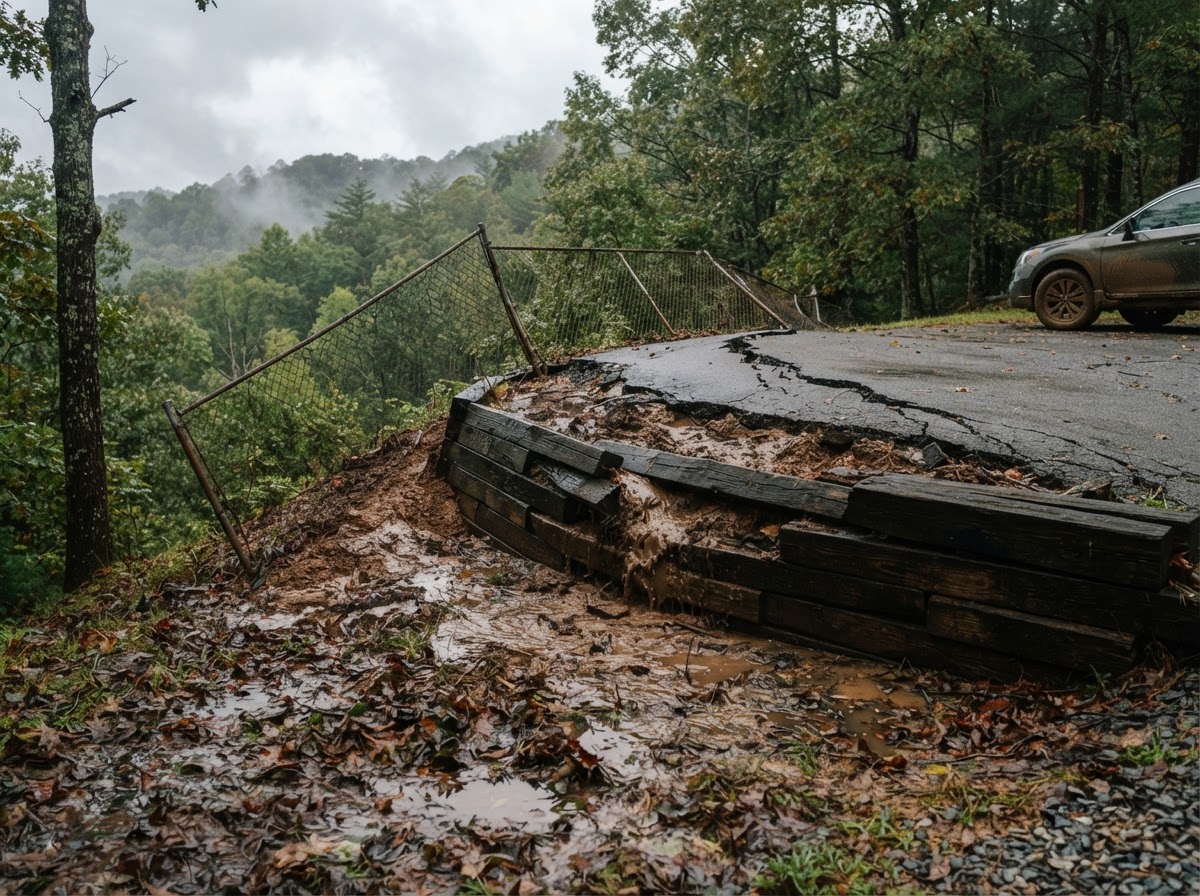
Look for new, irregular cracks in the ground, especially on slopes above your home. These cracks often form parallel to the slope and indicate that the soil is stretching and pulling apart. As the ground moves, cracks may widen, creating separation lines. FEMA warns that tension cracks can be a precursor to a more significant slide. Inspect your property after heavy rain, snowmelt, or earthquakes, as these events can trigger crack formation.
Bulging Ground
If you notice a bulge or swelling at the base of a slope, it may signal that soil is accumulating as the upper slope shifts downward. This is a classic sign of a rotational landslide. The USGS notes that bulges often appear in the lower portions of a hillside. Walk around your property regularly and compare the slope profile to previous years to spot subtle changes.
Leaning Trees or Fences
Trees, utility poles, or fences that suddenly lean downhill or appear crooked can indicate ground movement. Even if roots hold the tree in place, the soil around them may be eroding or sliding. Ready.gov advises homeowners to pay attention to “pistol-butted” trees—trunks that grow at an angle due to soil creep. Also watch for new exposed roots on the uphill side of trees, which suggest soil loss.
Changes in Water Flow
Unusual water patterns on your property are strong warnings. Look for new seeps, springs, or areas of damp ground on slopes. Sometimes, water that was previously clear becomes muddy or changes direction. According to FEMA, saturation from heavy rain or irrigation is a leading trigger for landslides. If you see water pooling where it didn’t before, or if your gutters and downspouts overflow near slopes, take note.
Tilting or Cracking of Structures
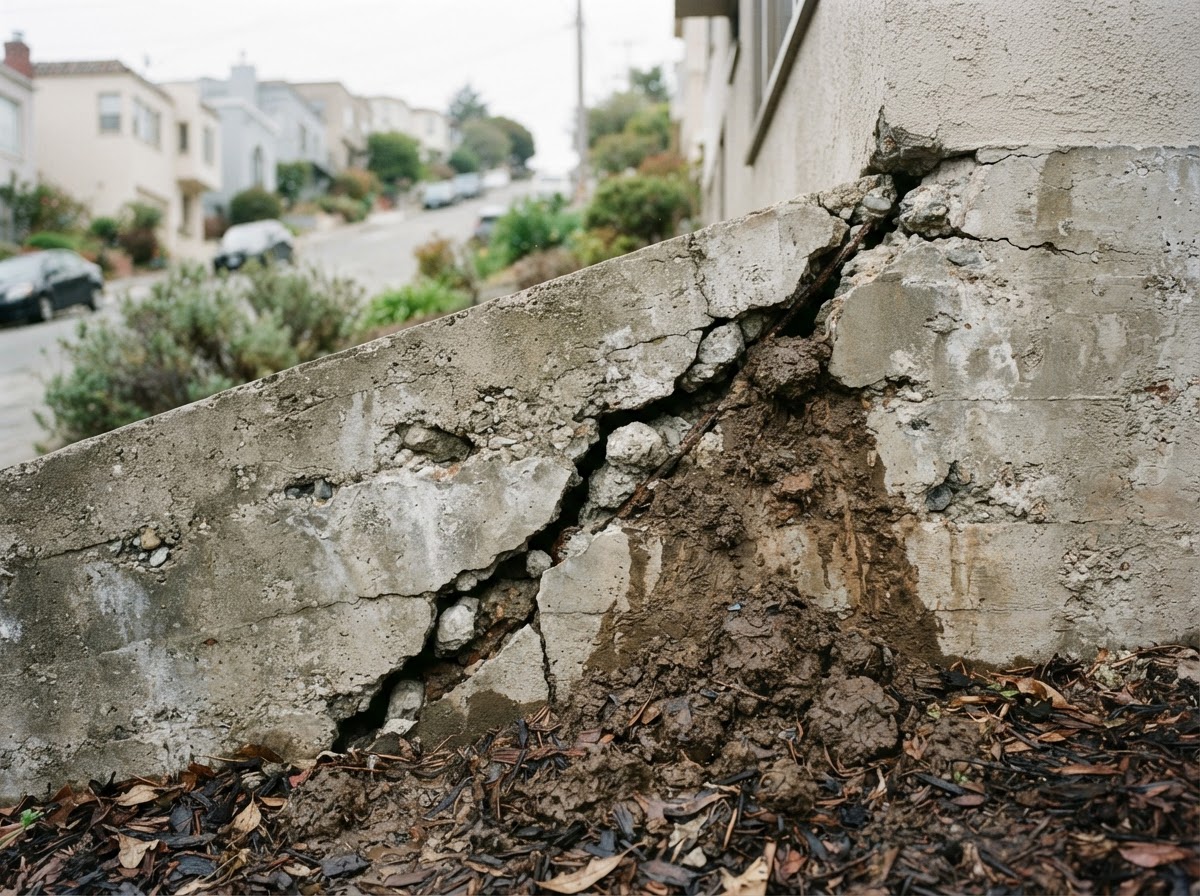
Check your home’s foundation, decks, patios, and driveways for new cracks, sticking doors or windows, or tilting. Staircases that separate from the house, cracked concrete, and misaligned door frames can all signal ground movement. The USGS emphasizes that structural damage often accompanies landslide activity, especially in the early stages. If you see these signs inside your home, they may originate from slope failure outside.
Unusual Sounds
Rumbling or creaking noises from the ground can precede a fast-moving landslide. In slower slides, you might hear snapping branches or moving rocks. The National Weather Service (NWS) advises that if you hear such sounds during or after a storm, evacuate immediately—they may indicate an imminent slide. While not always present, sounds are a critical alert.
What to Do If You Observe Signs
If you spot any of these warning signs, take the following steps recommended by FEMA and Ready.gov:
- Notify local authorities—contact your city or county emergency management office or building department. They may send a geologist to assess the site.
- Monitor the area—use a marker to track crack width or leaning posts over time. Take photos and notes daily.
- Create an emergency plan—identify two evacuation routes away from the slope, and pack a go-bag with essentials.
- Consider professional evaluation—hire a licensed geotechnical engineer to inspect your property and recommend mitigation measures.
- Stay alert—listen to local weather reports for heavy rain or flood watches, which increase risk.
How to Reduce Risk
While you cannot prevent all landslides, you can take steps to lower the risk around your home, as outlined by the USGS:
- Improve drainage—divert surface water away from slopes with graded channels, French drains, and rain barrels. Ensure downspouts discharge at least 10 feet from the foundation.
- Plant vegetation—deep-rooted plants and grasses absorb water and hold soil. Avoid overwatering near slopes.
- Avoid excessive excavation or loading—do not cut into hillsides or add heavy fill near the top of slopes.
- Retaining walls—if professionally designed, these can stabilize moderate slopes. Consult an engineer.
- Regular inspections—walk your property after storms and at least twice a year, especially during spring thaw.
Conclusion
Slope failure can happen without much notice, but early detection of warning signs gives you time to act. Stay vigilant for tension cracks, bulging ground, leaning trees, water changes, structural damage, and unusual sounds. If you observe these signs, contact local authorities and consider a professional evaluation. By understanding the risks and taking proactive measures, you can significantly reduce the potential harm to your home and family. For more information, visit the FEMA, USGS, and Ready.gov websites.
About our guidance
Our guides are grounded in publicly available information from official sources such as FEMA, NOAA, USGS and Ready.gov. Information is general in nature — always verify details for your specific property and policy with official sources and your insurer.
Keep exploring
Related guides
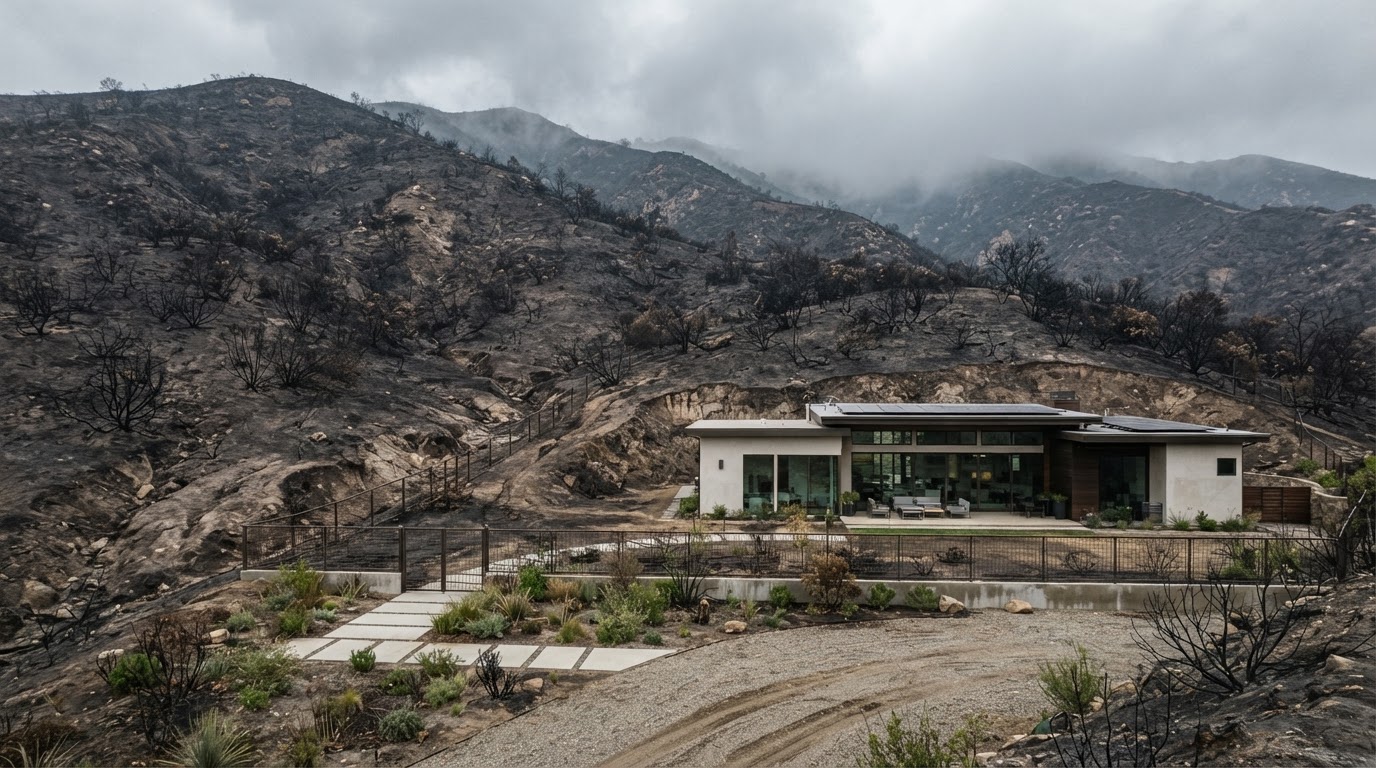 Debris Flow Risk After Wildfires: What Hillside Homeowners Should KnowLearn how wildfires increase debris flow hazards on hillsides and get practical tips from FEMA, USGS, and Ready.gov to protect…Jun 21, 2026Read guide →
 InsuranceLender-Placed Flood Insurance: The Expensive Backup If Your Policy LapsesYour lender can force-place flood insurance if your policy lapses — and bill you for it, usually at a higher price. Here is how…Oct 15, 2026Read guide →
 InsuranceWhat Happens to Your NFIP Policy If Congress Lets the Program LapseCongress extended the NFIP through December 11, 2026. If the program lapses, existing policies stay in force and claims get paid…Oct 15, 2026Read guide →