
72-Hour vs 7-Day Emergency Kit: Which Do You Need?
6 min read
On this page
- Introduction
- Understanding the 72-Hour Emergency Kit
- When Is a 72-Hour Kit Sufficient?
- Why a 7-Day Emergency Kit Is Increasingly Recommended
- Comparing the Two Kits: Key Factors
- How to Decide Which Kit You Need
- Building Your Kit on a Budget
- Maintenance and Rotation
- Special Considerations for Prolonged Disasters
- Conclusion
Wondering whether to pack a 3-day or a week-long emergency kit? We explain the differences, why longer preparedness matters, and how to build both—all based on official FEMA, Ready.gov, and CDC guidance.
Introduction
When disaster strikes, having an emergency kit can make the difference between comfort and crisis. Federal emergency management guidelines have long recommended a basic 72-hour supply of food, water, and essentials. However, recent events—from hurricanes that knock out power for weeks to wildfires that force prolonged evacuations—have prompted many homeowners to ask: is a three-day kit enough, or should I prepare for a full week?
This article, grounded in official guidance from FEMA, Ready.gov, and the CDC, compares 72-hour and 7-day kits, explains the reasoning behind each, and helps you decide which level of preparedness fits your home and region.
Understanding the 72-Hour Emergency Kit
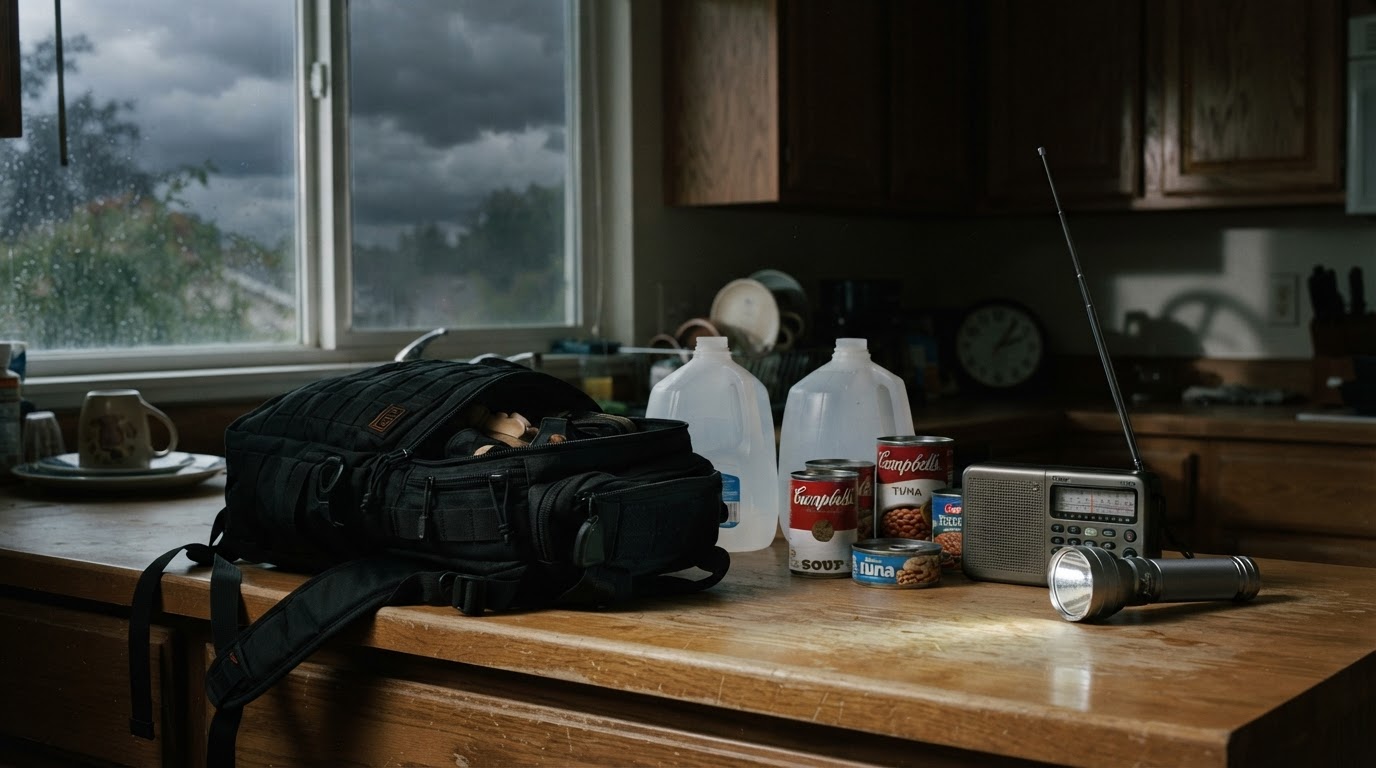
The 72-hour kit—often called a “go-bag” or “bug-out bag”—is designed to sustain you and your family for three days following a disaster. This timeframe stems from the historical assumption that it would take emergency services about 72 hours to reach affected areas after a major incident. Ready.gov still recommends a basic emergency supply kit with at least three days of supplies for evacuation or shelter-in-place scenarios.
What a 72-Hour Kit Typically Includes
- Water: One gallon per person per day (for drinking and sanitation). For three days, that’s three gallons per person.
- Food: A three-day supply of non-perishable food (canned goods, energy bars, etc.).
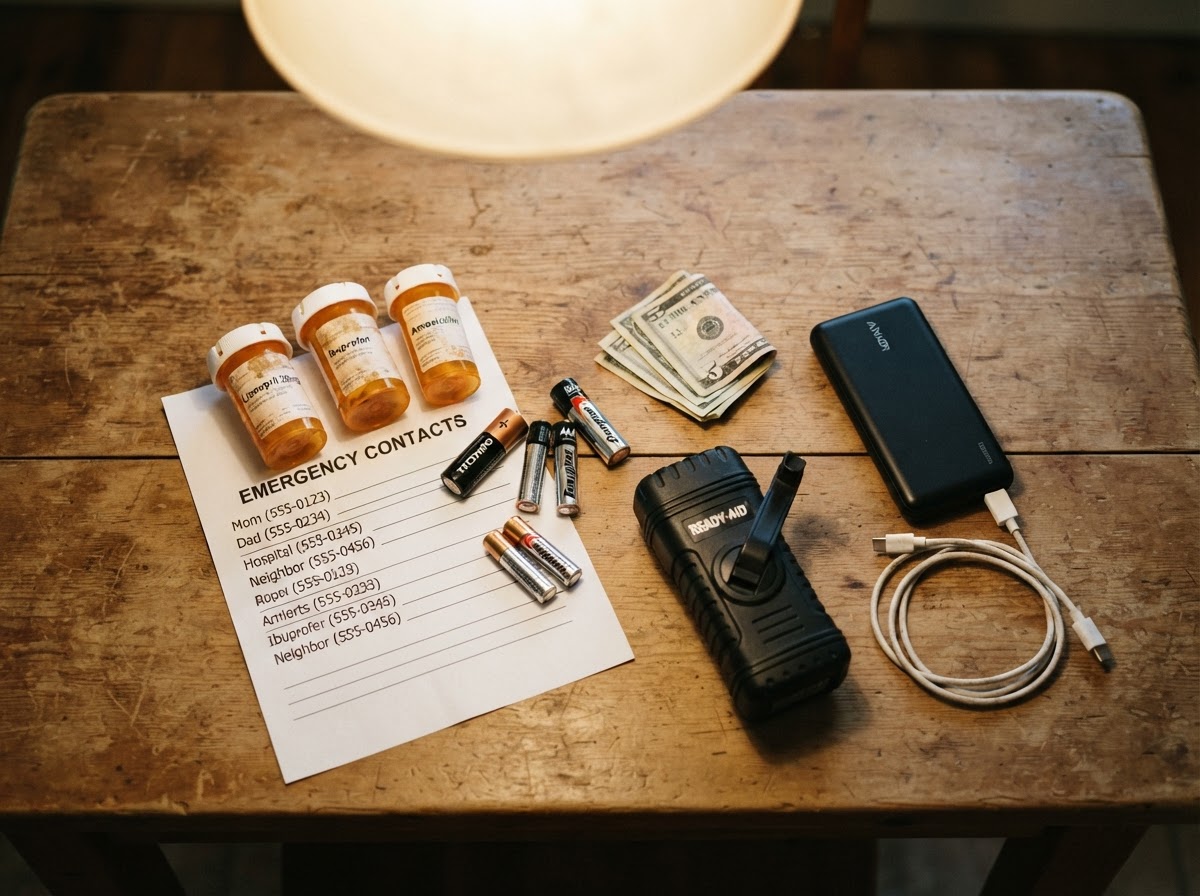
- First aid kit and any prescription medications.
- Flashlight, batteries, and a battery-powered or hand-crank radio (NOAA Weather Radio recommended).
- Multi-purpose tool, whistle, and dust mask.
- Personal documents (insurance, IDs) in a waterproof container.
- Cash, blankets, and a change of clothes.
This kit is portable, fits in a single backpack or duffel, and is ideal for short-notice evacuations or the first few days after a disaster when roads may be blocked or stores closed.
When Is a 72-Hour Kit Sufficient?
A 3-day kit is often adequate for tornadoes, flash floods, or earthquakes where emergency response is likely within 72 hours. However, many experts now caution that larger-scale disasters—especially hurricanes, winter storms, or pandemics—can delay help for much longer. Ready.gov notes that after a catastrophic event, it may take days or even weeks for federal assistance to arrive.
Why a 7-Day Emergency Kit Is Increasingly Recommended
In the wake of Hurricanes Harvey, Maria, and Irma, which left millions without power or water for weeks, preparedness organizations began emphasizing longer-term supplies. The CDC recommends storing at least a two-week supply of food and water for some emergencies, particularly pandemics or prolonged power outages. For most homeowners, a 7-day kit strikes a practical balance between storage space and resilience.
What a 7-Day Kit Adds to the 72-Hour Foundation
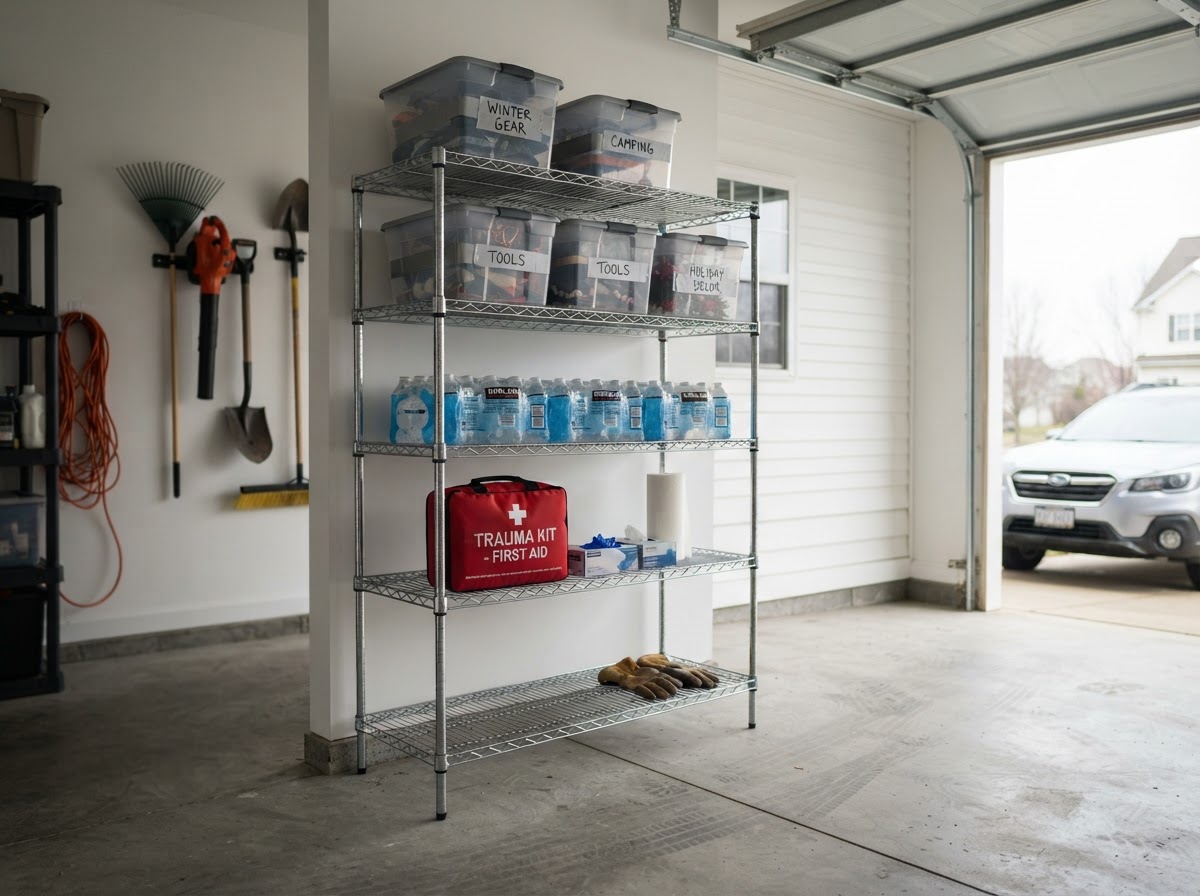
- More Water: Seven gallons per person (one gallon per day for seven days).
- More Food: A full week of non-perishable meals, including more variety and shelf-stable favorites.
- Extended First Aid and Medications: A larger supply of prescription meds (check expiration dates), plus additional first aid supplies.
- Sanitation and Hygiene: Extra garbage bags, moist towelettes, hand sanitizer, and plastic buckets for emergency toilets.
- Power and Communication: A portable solar charger, extra batteries, and possibly a generator (with safe storage and usage).
- Tools and Comfort: Lanterns, camp stove (propane or butane), and a manual can opener.
The 7-day kit is less portable but provides a much wider margin of safety. It’s particularly valuable if you live in an area prone to hurricanes, wildfires, blizzards, or earthquakes that can disrupt infrastructure for a week or more.
Comparing the Two Kits: Key Factors
| Factor | 72-Hour Kit | 7-Day Kit |
|---|---|---|
| Cost | Lower initial cost | Higher cost, but better value per day |
| Storage Space | Fits in a closet or car trunk | Often requires a larger bin or dedicated shelf |
| Portability | Easy to grab and go | Heavy; may need multiple containers or a cart |
| Best For | Tornadoes, short-notice evacuations | Hurricanes, winter storms, shelter-in-place |
How to Decide Which Kit You Need
The answer depends on your location, risk profile, and household needs.
Assess Your Local Hazards
Check FEMA’s National Risk Index to understand which disasters are most likely in your county. If you live in a hurricane zone, a 7-day kit is strongly recommended. For inland areas prone to tornadoes or earthquakes, a 72-hour kit may be sufficient—but consider adding a few extra days of supplies as a buffer.
Consider Family and Pets
Do you have infants, elderly family members, or pets? They may require specialized supplies (formula, diapers, pet food, medications) that increase the volume needed. The Ready.gov pet page recommends at least a two-week supply of pet food.
Think About Water and Food Storage
Water is the heaviest item. For a 7-day kit, you may need to store 7 gallons per person—that’s 56 pounds for just one person. Many homeowners store a 3-day water supply in their go-bag and additional water in larger containers at home. The same goes for food: canned goods can be bulky, so rotate your stock regularly. Ready.gov advises storing water in food-grade containers and replacing it every six months.
Building Your Kit on a Budget
You don’t have to buy everything at once. Start with a 72-hour kit, then gradually add supplies to reach a 7-day goal. Watch for sales on non-perishable foods, and use the Ready.gov kit checklist to track your progress. Consider purchasing a pre-assembled 72-hour kit and supplementing it with extra water and food.
Maintenance and Rotation
Both kits require regular maintenance. Check expiration dates every six months (use daylight saving time as a reminder). Update medications, refresh batteries, and replace worn-out items. The CDC recommends reviewing your kit annually and after any major life change (new baby, new home, etc.).
Special Considerations for Prolonged Disasters
Some disasters—like a major earthquake or pandemic—may require two weeks or more of supplies. While a 7-day kit is a great start, you might expand to a two-week supply if you have the space. FEMA’s earthquake supply list suggests storing enough for at least two weeks if you live in a seismic zone.
Conclusion
Both 72-hour and 7-day emergency kits have their place. A 72-hour kit is the absolute minimum and is ideal for mobile evacuations. A 7-day kit offers a much greater safety margin and is better suited for prolonged disruptions that are common with hurricanes, blizzards, and other large-scale events.
Our recommendation: Start with a 72-hour kit that you can grab and go, then build a 7-day kit at home for sheltering in place. The extra effort could prove invaluable. Use the official checklists from Ready.gov and CDC to ensure nothing is overlooked. Preparedness is a journey—take the first step today.
About our guidance
Our guides are grounded in publicly available information from official sources such as FEMA, NOAA, USGS and Ready.gov. Information is general in nature — always verify details for your specific property and policy with official sources and your insurer.
Related guides
 InsuranceLender-Placed Flood Insurance: The Expensive Backup If Your Policy LapsesYour lender can force-place flood insurance if your policy lapses — and bill you for it, usually at a higher price. Here is how…Oct 15, 2026Read guide →
 InsuranceWhat Happens to Your NFIP Policy If Congress Lets the Program LapseCongress extended the NFIP through December 11, 2026. If the program lapses, existing policies stay in force and claims get paid…Oct 15, 2026Read guide →
 InsuranceExcess Flood Insurance: Coverage Above NFIP's $250,000 LimitThe NFIP caps flood coverage at $250,000 for the building and $100,000 for contents. If your home would cost more to rebuild,…Oct 15, 2026Read guide →