
After a Disaster: First 48 Hours for Homeowners
4 min read
On this page
Learn the critical steps to take in the first 48 hours after a natural disaster, from ensuring safety to documenting damage and filing insurance claims. Official guidance from FEMA, Ready.gov, and other U.S. government sources.
Stay Safe and Assess Your Immediate Environment
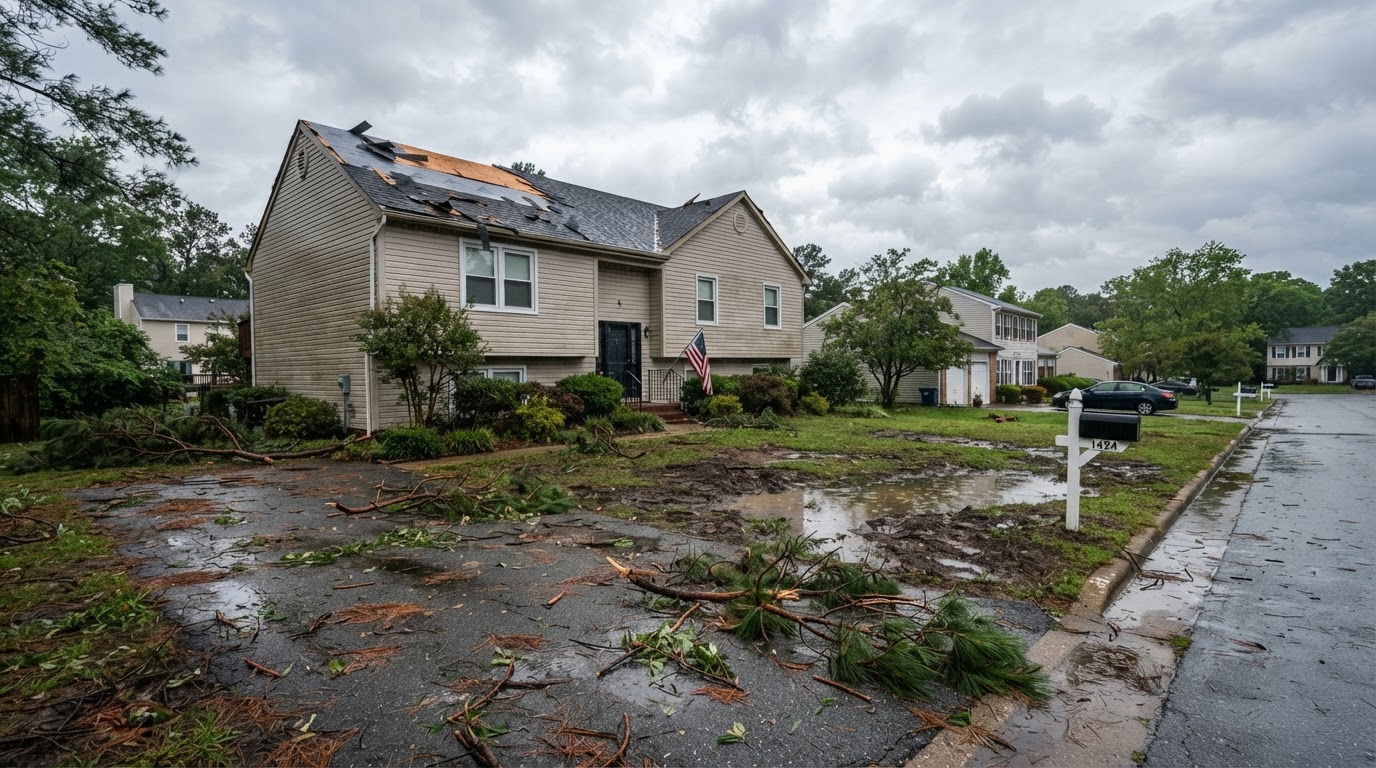
The first 48 hours after a disaster are critical for your safety and for protecting your property. Your priority should always be personal safety and the safety of your family. Follow these steps grounded in guidance from Ready.gov and FEMA.
Check for Immediate Hazards
- Listen to local authorities: Do not return home until officials say it is safe. If you evacuated, wait for an all-clear from local emergency management. Radio, NOAA Weather Radio, or mobile alerts are your best sources (NOAA).
- Inspect for structural damage: Look for cracks in the foundation, sagging roof, or leaning walls. If you suspect gas leak (smell of rotten eggs), leave immediately and call the gas company from outside. USGS advises turning off gas only if you suspect a leak.
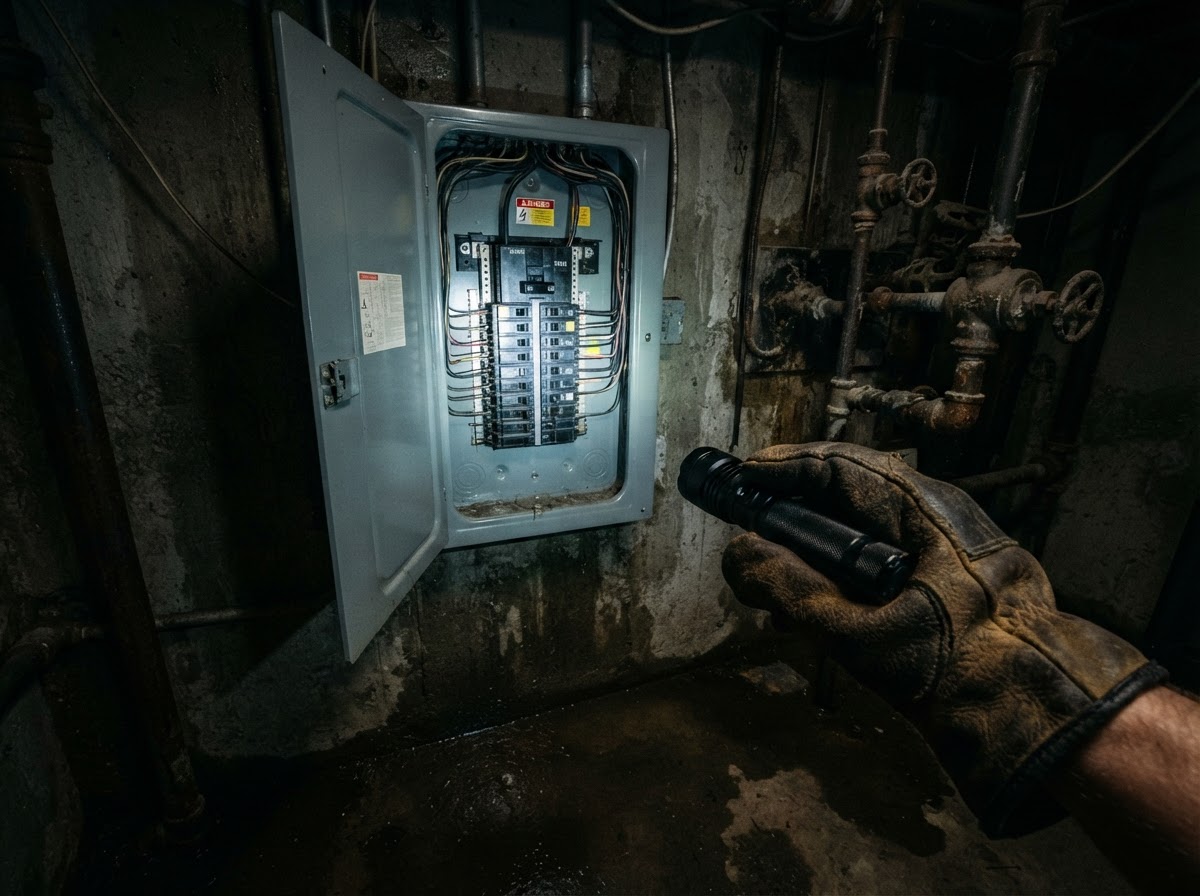
- Watch for downed power lines: Assume any downed line is live. Stay at least 35 feet away and report to the utility company. Never enter flooded areas with power lines (Ready.gov).
- Check for carbon monoxide: Do not use generators, charcoal grills, or camp stoves inside your home or garage. Place generators at least 20 feet from doors and windows (CDC).
Document Damage Thoroughly
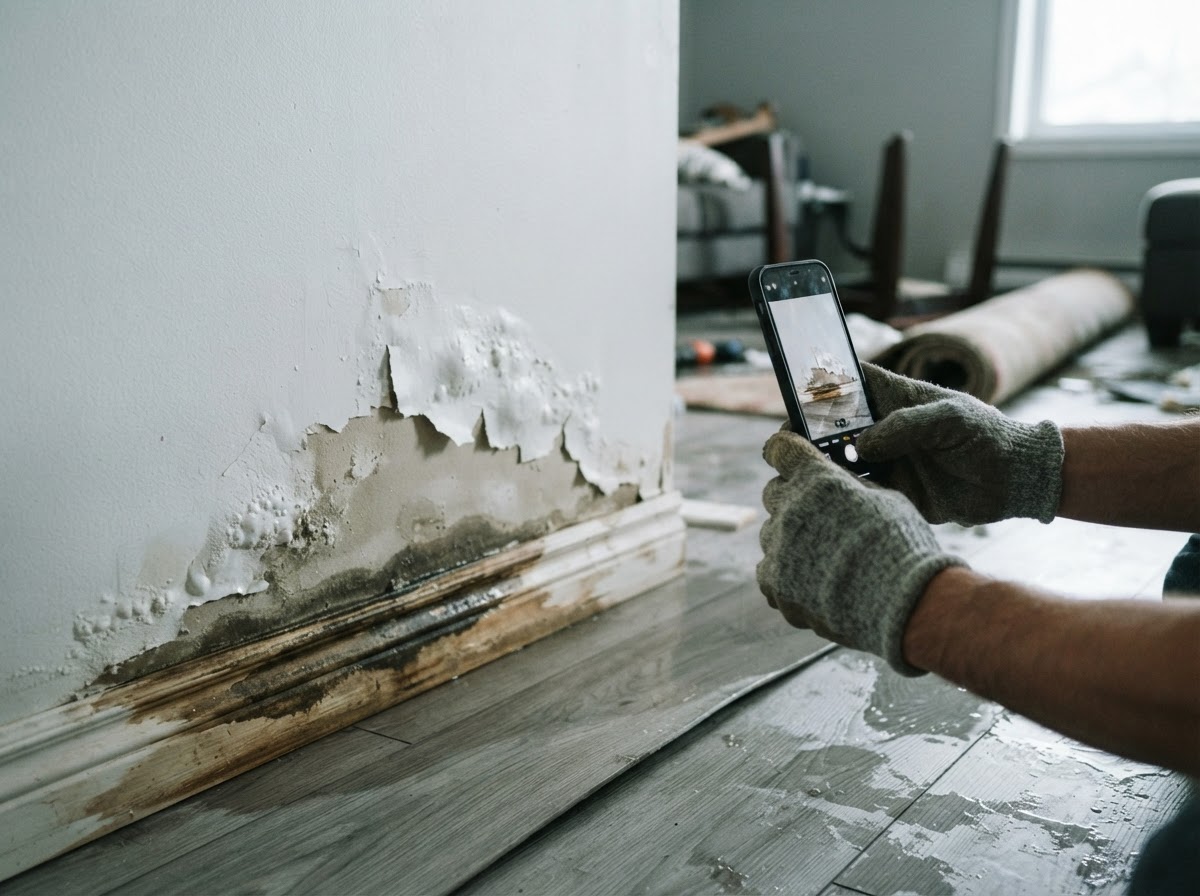
Once you are certain the home is safe to enter, begin documenting damage. This is essential for insurance claims and potential FEMA assistance. FEMA's Individual Assistance program requires proof of loss. Use these steps from Ready.gov and the National Flood Insurance Program (NFIP).
Take Photos and Videos
- Photograph every room from multiple angles, including walls, floors, ceilings, and belongings.
- Capture close-ups of damage to structural elements, appliances, and personal property.
- Record videos with commentary describing the date, time, and extent of damage.
- If possible, document the condition before any cleanup or removal. Do not discard damaged items until an adjuster has seen them, unless required for health or safety (FEMA).
Create a Written Inventory
List all damaged or destroyed items with approximate value, purchase date, and model/serial numbers if available. Use a notebook or a free app like Ready.gov's home inventory checklist. This will speed up your insurance claim.
Contact Your Insurance Company
Notify your insurance agent or company as soon as possible. Most policies require prompt notice. NAIC recommends having your policy number ready. Be prepared to describe the damage and provide initial reports.
What to Ask Your Insurer
- What does my policy cover? Standard homeowners insurance may not cover flood or earthquake damage; you may need separate policies.
- What is my deductible? Per-occurrence deductible applies.
- What documentation is required? Sending photos and inventory can speed adjuster visit.
- Are there deadlines for filing? NFIP requires proof of loss within 60 days for flood claims. Check with your insurer.
- What about additional living expenses? If your home is uninhabitable, your policy may cover hotel costs. Keep receipts (FEMA).
Make Temporary Repairs to Prevent Further Damage
After documenting, take steps to protect your property from additional harm. FEMA guides that reasonable temporary repairs are often required by insurance policies to prevent further loss. Keep receipts for materials and labor.
Examples of Temporary Repairs
- Cover broken windows with plywood or heavy plastic.
- Tarp damaged roofs to prevent water intrusion.
- Dry out wet areas by opening windows (if safe) and using fans or dehumidifiers. CDC emphasizes controlling mold growth within 24-48 hours.
- Stop water leaks by shutting off main water valve if necessary.
Do not make permanent repairs until the insurance adjuster has inspected the property, unless urgent safety concerns require them. Always get approval from your insurance company first (Ready.gov).
Apply for Federal Assistance if Needed
If your area is declared a federal disaster by the President, you may be eligible for assistance from FEMA's Individual Assistance program. Apply online or by phone at 1-800-621-3362. You will need your Social Security number, insurance information, and details about the damage. Applications typically open within days of the disaster declaration. Visit FEMA's disaster declarations to check your area.
What FEMA Assistance Covers
- Temporary housing (rental assistance or hotel)
- Home repair costs not covered by insurance
- Other serious disaster-related needs: medical, dental, personal property, transportation
Do not wait for an insurance settlement to apply; FEMA may provide initial help while your claim is processed. You must also apply for a low-interest disaster loan from the Small Business Administration, as FEMA may refer you.
Take Care of Your Health and Well-Being
Disasters are stressful. The Substance Abuse and Mental Health Services Administration (SAMHSA) offers a Disaster Distress Helpline: 1-800-985-5990. Practice safety during cleanup: wear gloves, masks, and sturdy shoes. Avoid mixing chemicals and avoid standing water that may contain sewage or chemicals (CDC). Stay informed through NOAA Weather Radio or local alerts for secondary hazards like flooding or aftershocks.
Actionable Conclusion
The first 48 hours after a disaster set the stage for your recovery. Prioritize safety, document everything, notify your insurance, and make only emergency repairs. Use official resources like Ready.gov, FEMA, and CDC for ongoing guidance. By acting quickly and methodically, you can protect your home and speed your path to rebuilding.
About our guidance
Our guides are grounded in publicly available information from official sources such as FEMA, NOAA, USGS and Ready.gov. Information is general in nature — always verify details for your specific property and policy with official sources and your insurer.
Related guides
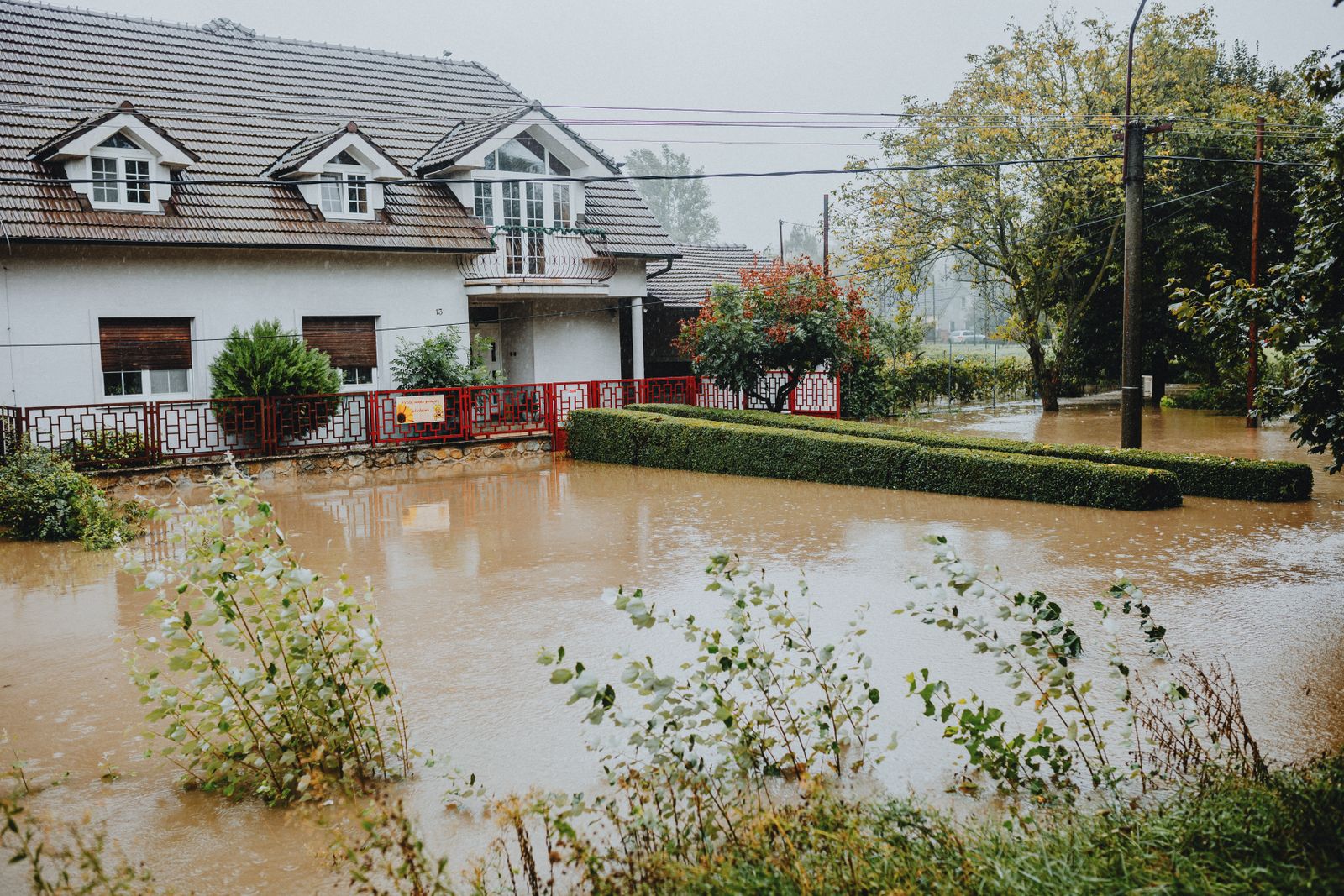 InsuranceLender-Placed Flood Insurance: The Expensive Backup If Your Policy LapsesYour lender can force-place flood insurance if your policy lapses — and bill you for it, usually at a higher price. Here is how…Oct 15, 2026Read guide →
 InsuranceWhat Happens to Your NFIP Policy If Congress Lets the Program LapseCongress extended the NFIP through December 11, 2026. If the program lapses, existing policies stay in force and claims get paid…Oct 15, 2026Read guide →
 InsuranceExcess Flood Insurance: Coverage Above NFIP's $250,000 LimitThe NFIP caps flood coverage at $250,000 for the building and $100,000 for contents. If your home would cost more to rebuild,…Oct 15, 2026Read guide →