
Basement Flooding Prevention: Gutters, Grading, and Sump Pumps
4 min read
On this page
Learn how proper gutters, grading, and sump pump maintenance can protect your basement from flooding, based on official guidance from FEMA and Ready.gov.
Introduction
Basement flooding is a common and costly hazard for homeowners across the United States. According to FEMA, just one inch of water in a home can cause up to $25,000 in damage (though exact figures vary). Fortunately, many floods are preventable with proper maintenance of three key systems: gutters, grading, and sump pumps. This article provides practical, government-backed advice to help you keep your basement dry.
Gutters and Downspouts
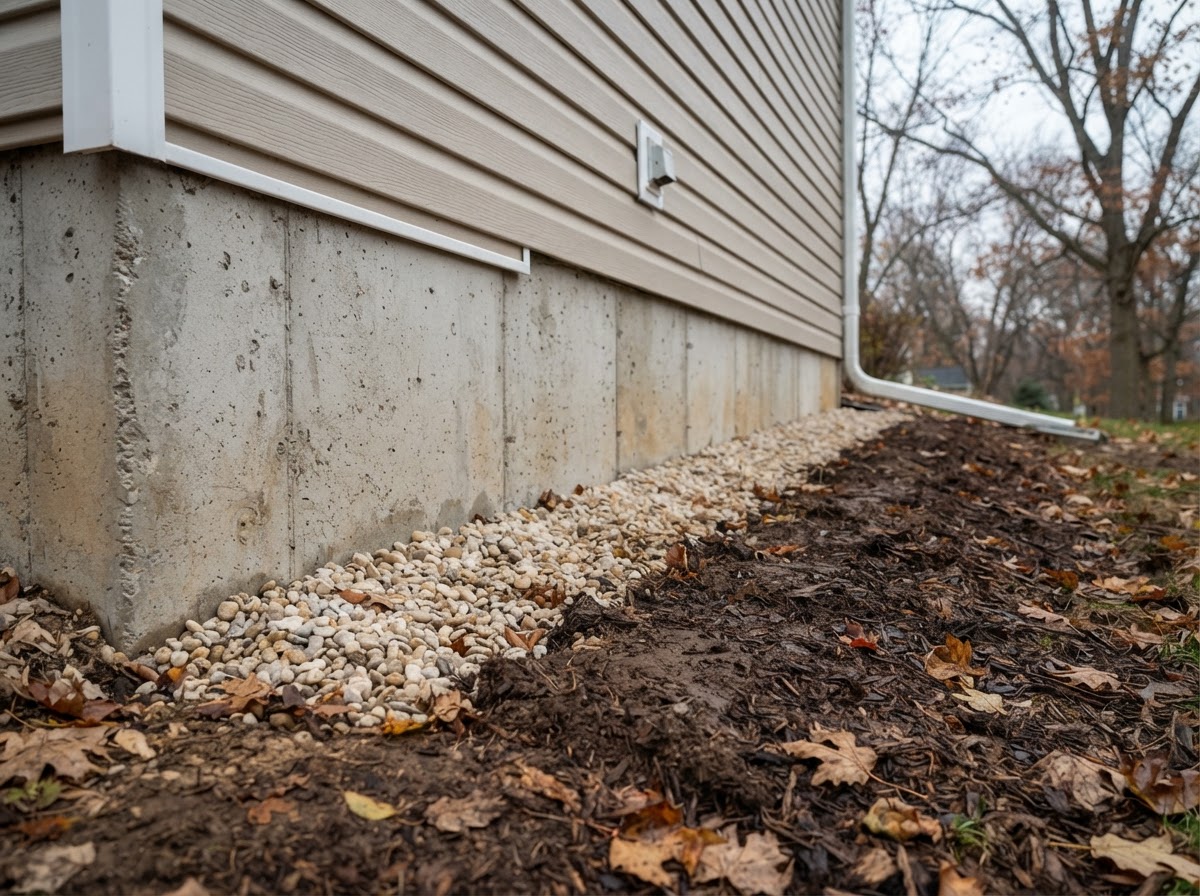
Gutters are your first line of defense against basement flooding. They channel rainwater away from your foundation. The National Weather Service recommends the following practices:
- Keep gutters clean. Clogged gutters cause water to overflow and pool near the foundation. Clean them at least twice a year, especially after autumn leaf fall.
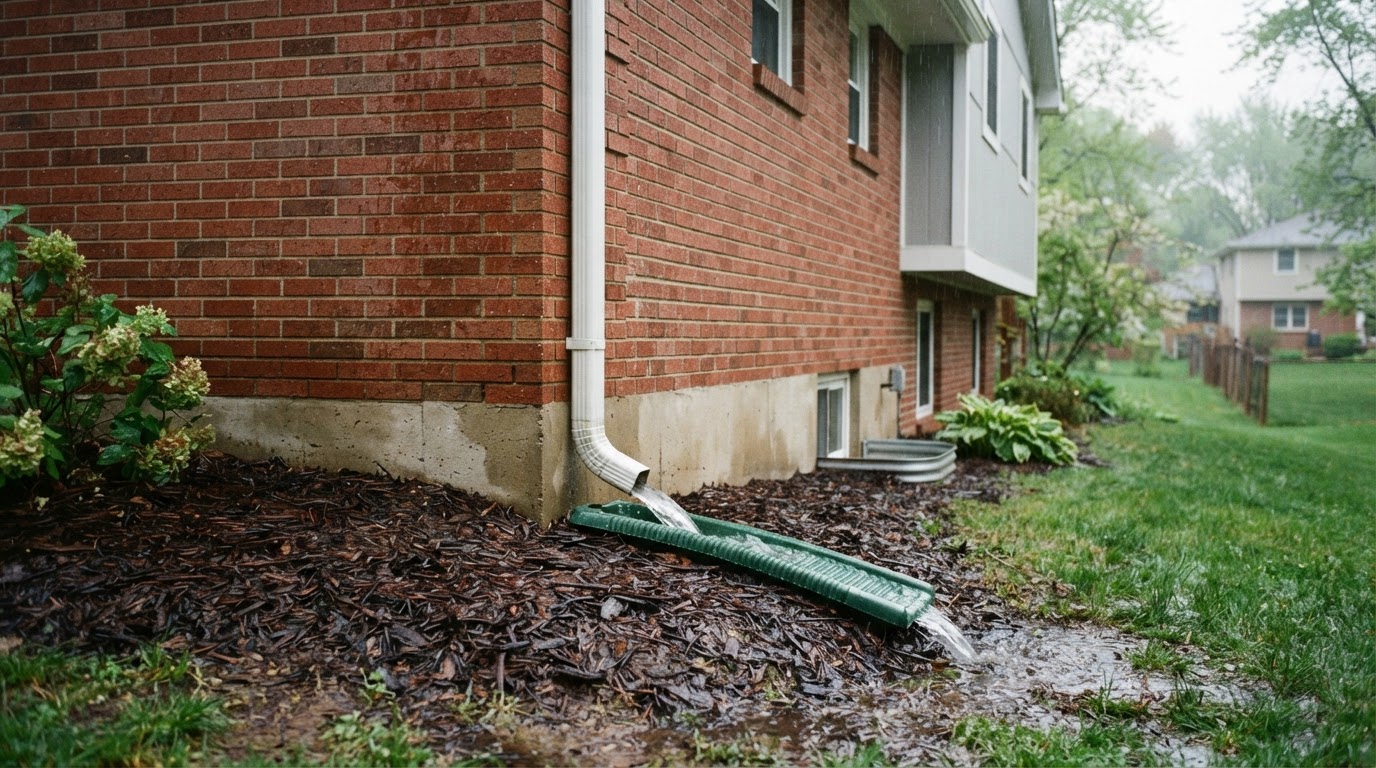
- Extend downspouts. Downspouts should discharge water at least 5–10 feet away from the foundation. Use flexible extensions or splash blocks to achieve this distance. Ready.gov emphasizes this as a key step.
- Check for leaks. Inspect gutters for holes or separations. Seal leaks with gutter caulk or replace damaged sections.
- Consider gutter guards. While not a substitute for cleaning, guards can reduce debris buildup. However, the National Association of Home Builders notes they still require periodic maintenance.
Grading and Landscaping
The slope of the ground around your home—called grading—directs water away from the foundation. FEMA's flood prevention guidance recommends:
- Positive grading. Ensure the ground slopes away from the foundation at a rate of at least 1 inch per foot for the first 10 feet. Use a level or hire a professional to check.
- Install swales or drains. If your lot is flat or slopes toward the house, consider adding a French drain or swale to redirect water. The USDA Natural Resources Conservation Service offers guidance on residential drainage.
- Avoid planting too close. Roots can damage foundation walls and create pathways for water. Keep shrubs and trees at least 5 feet from the house, and use mulch to absorb runoff.
Proper grading is especially important if you have a basement window well or walkout basement. Keep these areas clear of soil and debris.
Sump Pumps
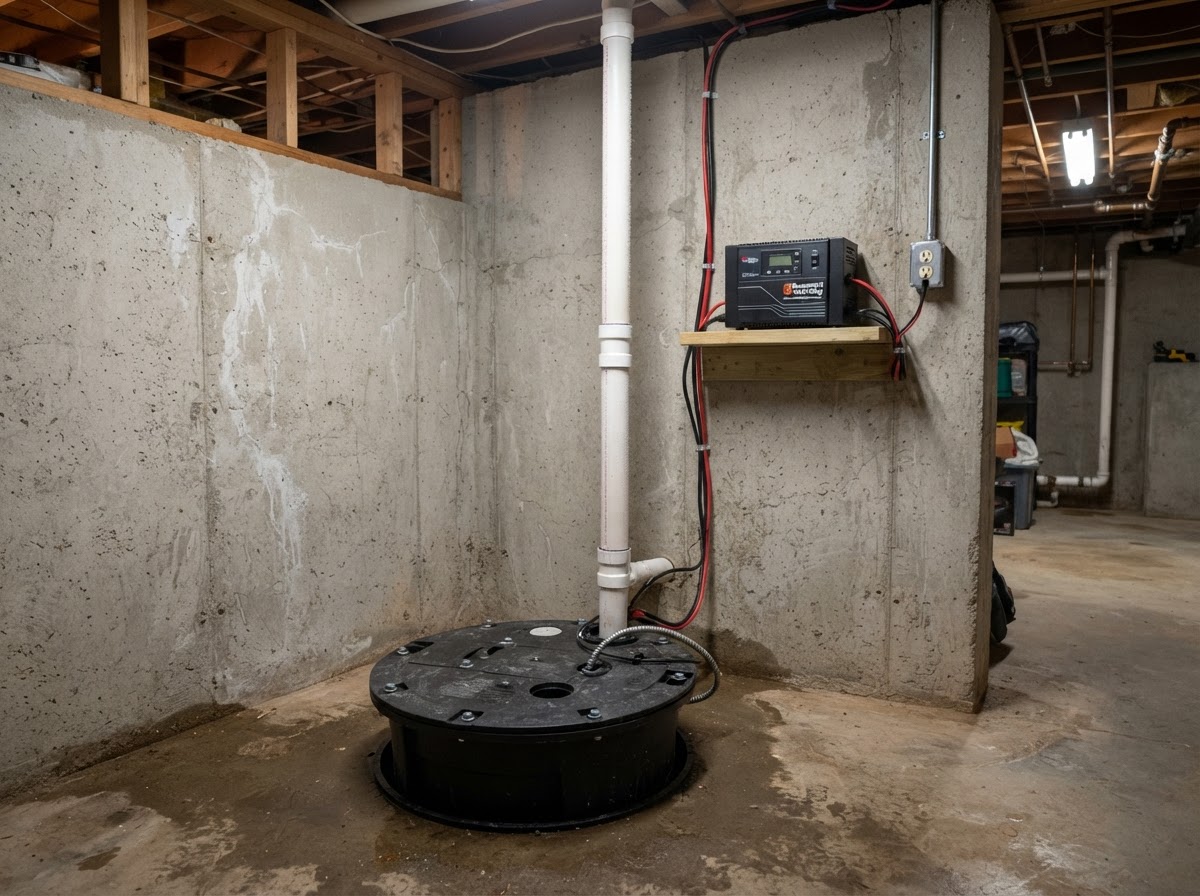
A sump pump is your last line of defense, actively removing water that accumulates in a basin. The CDC and Ready.gov recommend the following for sump pump reliability:
Types of Sump Pumps
- Submersible pumps are installed inside the basin and are quieter and more efficient for continuous use.
- Pedestal pumps sit outside the basin and are easier to service but can be noisier.
Choose a pump with a capacity appropriate for your risk area. The National Ground Water Association suggests testing your pump by pouring water into the basin to ensure it activates.
Maintenance
- Test monthly. Pour water into the sump pit to confirm the pump turns on and drains properly.
- Clean the pit. Remove gravel, dirt, or debris that could clog the pump or intake screen.
- Check the discharge line. Ensure it empties away from the foundation (same rule as downspouts: at least 5–10 feet) and isn't frozen or blocked in winter.
Backup Systems
Power outages often accompany heavy storms—exactly when sump pumps are needed most. FEMA recommends having a backup plan:
- Battery backup sump pump. Many models automatically switch over when main power fails.
- Water-powered backup. These use municipal water pressure (where allowed by code) and don't depend on electricity.
- Generator. A portable generator can run a sump pump, but never run it inside the home due to carbon monoxide risk.
Additional Tips for Basement Flood Prevention
- Seal cracks. Use hydraulic cement to seal minor cracks in basement walls and floor. USGS notes that even tiny cracks can let in water under hydrostatic pressure.
- Install a backwater valve. This prevents sewage from backing into the basement during heavy rains. Check local building codes.
- Waterproof basement walls with a waterproof coating or membrane. This is especially effective for poured concrete or block walls.
Conclusion
Basement flooding doesn't have to be inevitable. By maintaining clean gutters, ensuring proper grading, and keeping your sump pump in good working order, you can drastically reduce your risk. For more detailed guidance, refer to FEMA's flood maps to see your home's flood risk, and visit Ready.gov for seasonal preparedness tips. Start with one system today—your basement will thank you.
About our guidance
Our guides are grounded in publicly available information from official sources such as FEMA, NOAA, USGS and Ready.gov. Information is general in nature — always verify details for your specific property and policy with official sources and your insurer.
Keep exploring
Related guides
 InsuranceExcess Flood Insurance: Coverage Above NFIP's $250,000 LimitThe NFIP caps flood coverage at $250,000 for the building and $100,000 for contents. If your home would cost more to rebuild,…Oct 15, 2026Read guide →
 How Elevation Certificates Lower Your Flood Insurance PremiumLearn how an elevation certificate can save you hundreds on flood insurance by accurately showing your home's flood risk. This…Jun 21, 2026Read guide →
 Flooded While Inside: Your Survival GuideIf your home floods while you're inside, every second counts. Learn the life-saving steps from FEMA, the CDC, and Ready.gov to…Jun 21, 2026Read guide →