
Build Your Go-Bag: Essentials for Fast Evacuation
5 min read
On this page
A well-stocked go-bag can save precious minutes during an evacuation. Learn what to pack based on official guidance from FEMA, Ready.gov, and the CDC.
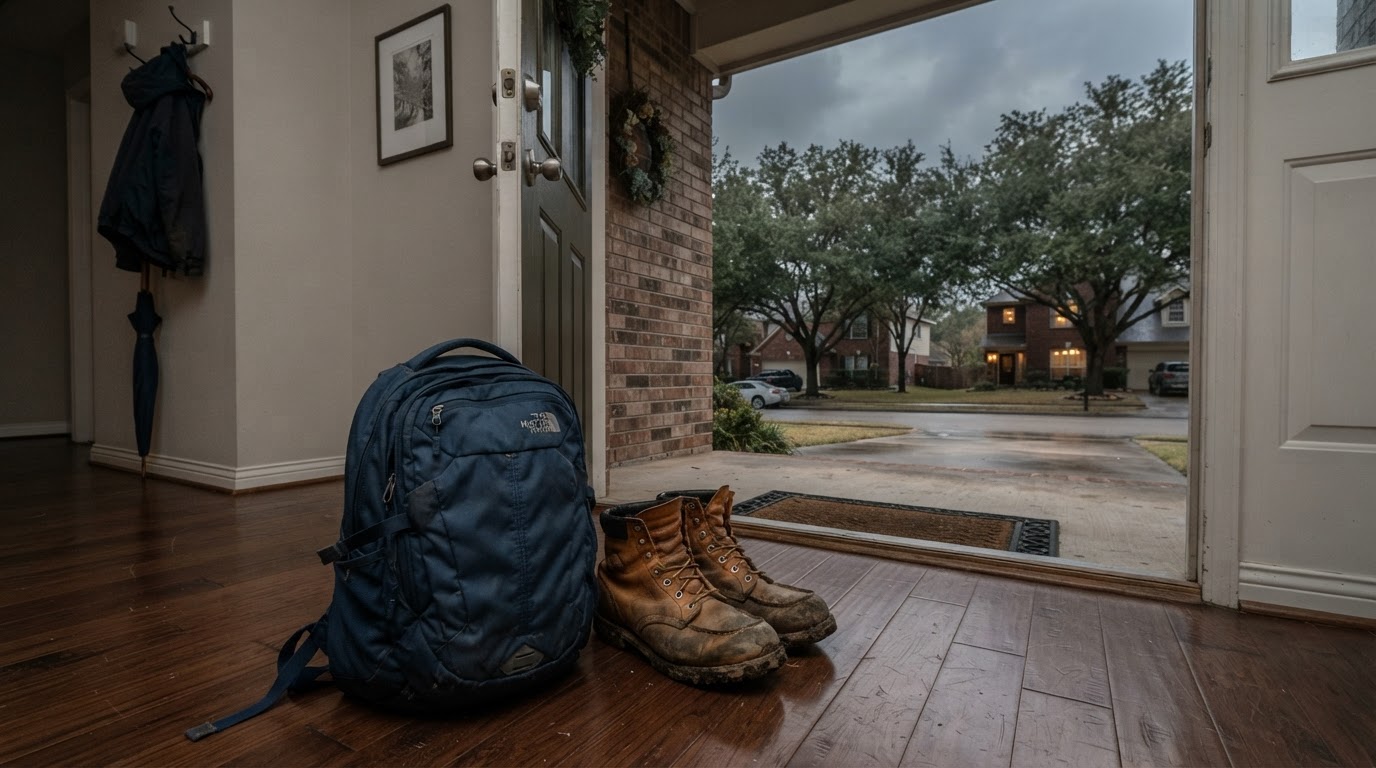
When a wildfire, flood, hurricane, or earthquake forces you to leave your home in minutes, every second counts. A go-bag (or emergency kit) is a pre-packed collection of essentials that can help you and your family survive for at least 72 hours after an evacuation. Federal agencies like Ready.gov, FEMA, and the CDC recommend having a bag that is easy to grab and carry. This article walks you through what to put in your go-bag, based on official U.S. government guidance.
Why You Need a Go-Bag
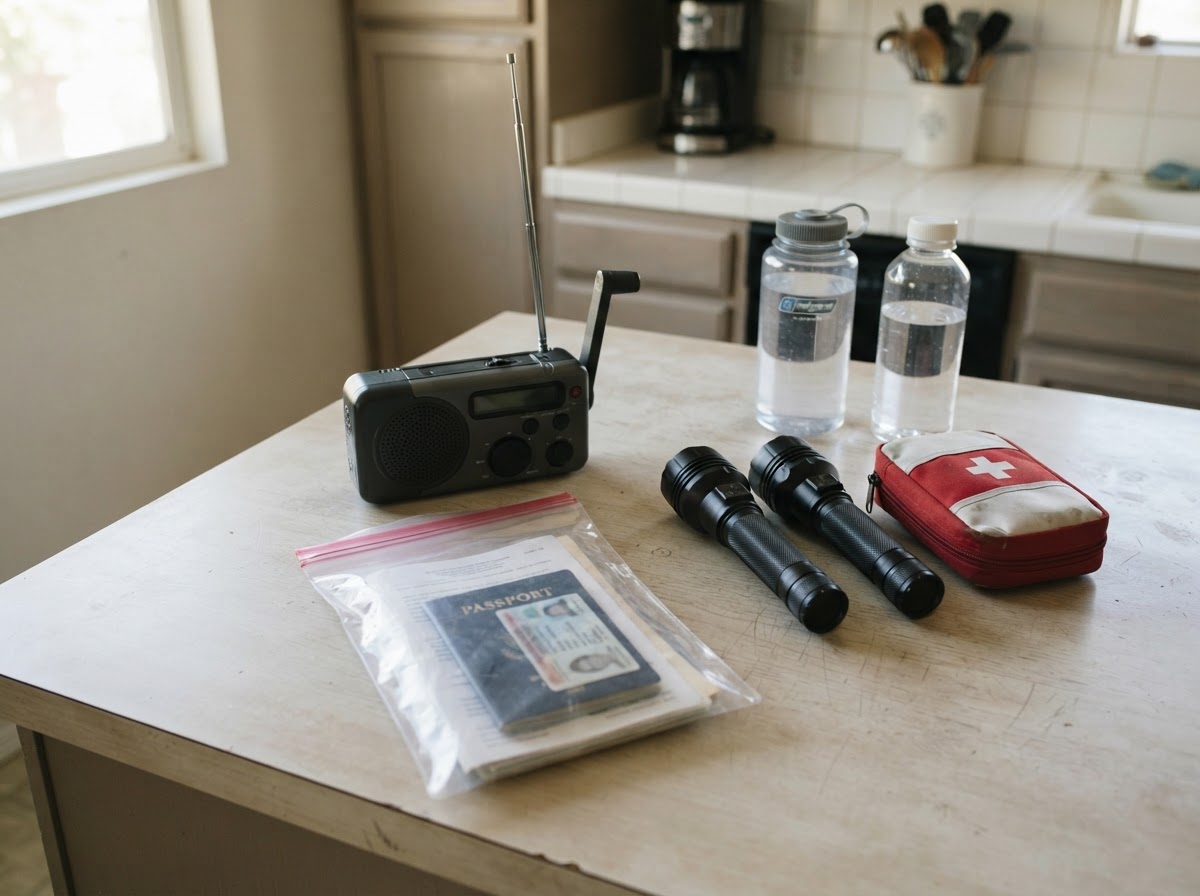
During a disaster, stores may be closed, roads blocked, and utilities disrupted. FEMA’s emergency supply kit checklist emphasizes that your kit should be tailored to your family’s specific needs. Having a go-bag ready means you don’t waste time gathering supplies when you should be evacuating.
Choosing the Right Bag
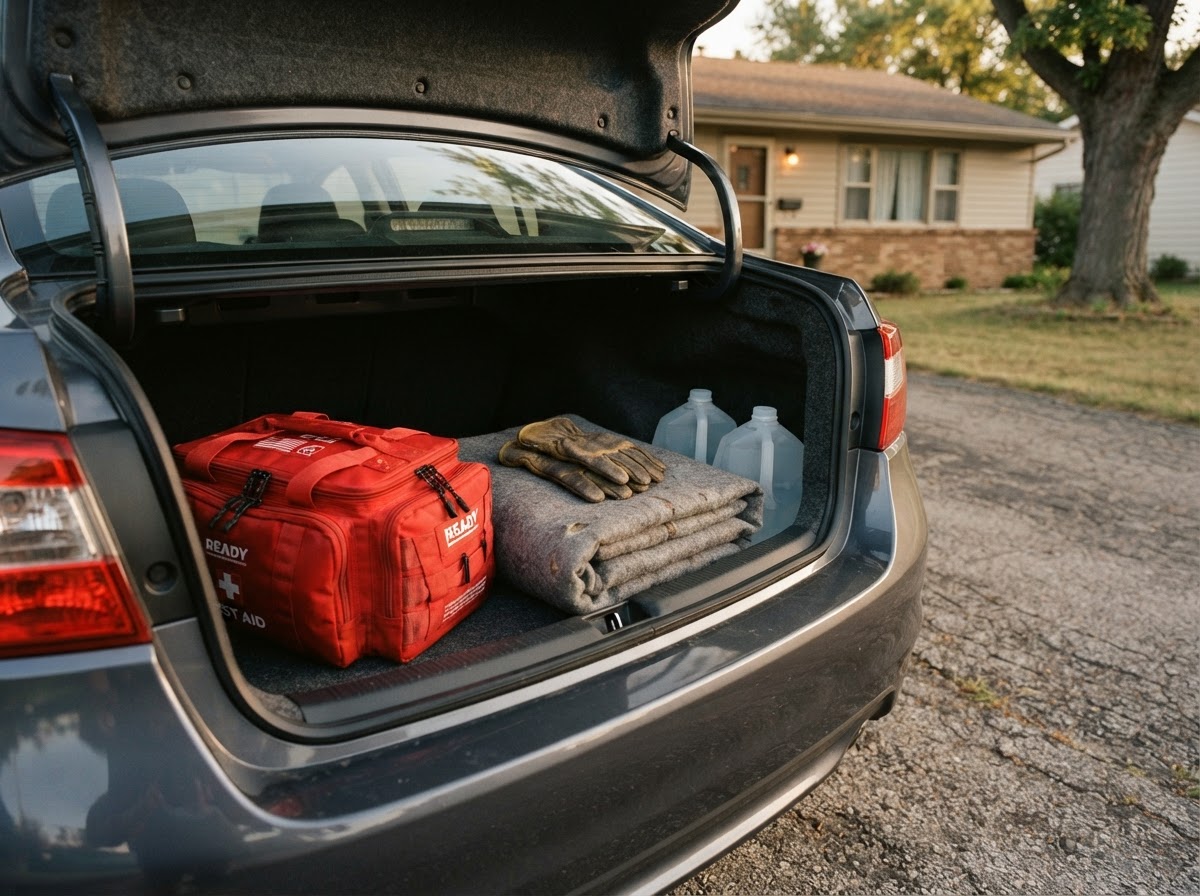
Use a sturdy, durable bag that you can carry easily. A backpack, duffel bag, or rolling suitcase works well. Label it clearly and store it in a known, accessible location. Keep a smaller version in your car as well. Check your bag every six months to replace expired items and update documents.
Core Essentials: The Basics
Ready.gov’s basic disaster supplies kit recommends at minimum:
- Water: One gallon per person per day for at least three days (for drinking and sanitation).
- Food: A three-day supply of non-perishable, easy-to-prepare items such as canned goods, energy bars, and dried fruit. Don’t forget a manual can opener.
- First aid kit: Include bandages, antiseptic, pain relievers, tweezers, and any prescription medications (a two-week supply is ideal).
- Flashlight and extra batteries: Avoid candles if natural gas leaks are possible.
- Battery-powered or hand-crank radio: NOAA Weather Radio all hazards is recommended for alerts.
- Whistle: To signal for help.
- Dust masks: N95 or better to filter contaminated air.
- Plastic sheeting and duct tape: For sheltering in place if needed.
- Moist towelettes, garbage bags, and plastic ties: For personal sanitation.
- Wrench or pliers: To turn off utilities.
- Local maps: Paper maps in case GPS fails.
Additional Items for Comfort and Safety
- Multi-tool or Swiss army knife
- Portable phone charger (power bank) and cables
- Cash in small bills (ATMs may be down)
- Blankets or sleeping bags
- Change of clothing and sturdy shoes
- Rain gear
- Sunscreen and insect repellent
Important Documents and Records
Keep copies of critical documents in a waterproof, portable container. The FEMA checklist includes:
- Identification (driver’s license, passports)
- Insurance policies (home, auto, health)
- Medical records and prescriptions
- Bank account numbers, credit cards, and important contacts
- Marriage, birth, and death certificates
- Wills and powers of attorney
- Deeds and titles
- Digital copies on a USB drive or cloud storage
Special Considerations for Your Family
Infants and Young Children
- Diapers, wipes, diaper rash cream
- Formula, bottles, and baby food (powdered formula is lightweight)
- Comfort items like a favorite toy or blanket
- Children’s medications (consult pediatrician)
Older Adults or People with Disabilities
- Extra eyeglasses, hearing aids and batteries, mobility aids (walkers, canes)
- List of medical devices and instructions
- Medical alert tags or bracelets
- Special dietary needs (ensure non-perishable options)
- Contact info for doctors and caregivers
Pets
The CDC’s pet disaster preparedness recommends:
- Food, water, bowls, and manual can opener for three days
- Leash, harness, collar with ID tags, and carrier
- Medical records, vaccination proof, and medications
- Litter box, scoop, and plastic bags for waste
- Familiar items to reduce stress (toys, blanket)
- List of pet-friendly shelters or hotels
Tailoring Your Kit to Local Hazards
Depending on where you live, your go-bag may need extra items:
- Wildfire: N95 masks, goggles, a fire extinguisher, and cotton clothing. Include a flashlight and a portable radio for evacuation orders. (See Ready.gov Wildfires.)
- Hurricane: Waterproof bags for documents, extra tarps, and a sturdy pair of boots. (See Ready.gov Hurricanes.)
- Earthquake: Hard hat, heavy-duty gloves, and a crowbar. (See Ready.gov Earthquakes.)
- Flood: Rubber boots, waterproof containers, and a dry bag for electronics. (See Ready.gov Floods.)
- Winter Storm: Hand warmers, extra warm layers, and a snow shovel. (See Ready.gov Winter Weather.)
Tools and Supplies for Emergency Communication
Maintaining contact is vital. Include:
- Charged power bank for phones (consider solar-powered)
- List of emergency contacts in a waterproof case
- Family communication plan (who to call, where to meet)
- Out-of-state contact (often easier to reach)
- Hand-crank radio with NOAA weather alerts
Ready.gov’s make a plan page has free templates for your family plan.
Maintenance and Storage Tips
- Store your go-bag in a clean, cool, dry place near an exit.
- Check expiration dates every six months (daylight saving time changes are a good reminder).
- Rotate food, water, and medications as needed.
- Update documents annually or after major life changes.
- Ensure all family members know where the bag is located.
Conclusion: Be Ready Now
You don’t need to prepare for every possible scenario—focus on the most likely hazards in your area. Start with the basics from Ready.gov, then customize for your family and pets. A go-bag is a small investment that can make a huge difference when moments matter. For more detailed checklists, visit Ready.gov and FEMA’s community resources. Take 30 minutes this weekend to assemble your bag—you’ll be glad you did.
About our guidance
Our guides are grounded in publicly available information from official sources such as FEMA, NOAA, USGS and Ready.gov. Information is general in nature — always verify details for your specific property and policy with official sources and your insurer.
Related guides
 InsuranceLender-Placed Flood Insurance: The Expensive Backup If Your Policy LapsesYour lender can force-place flood insurance if your policy lapses — and bill you for it, usually at a higher price. Here is how…Oct 15, 2026Read guide →
 InsuranceWhat Happens to Your NFIP Policy If Congress Lets the Program LapseCongress extended the NFIP through December 11, 2026. If the program lapses, existing policies stay in force and claims get paid…Oct 15, 2026Read guide →
 InsuranceExcess Flood Insurance: Coverage Above NFIP's $250,000 LimitThe NFIP caps flood coverage at $250,000 for the building and $100,000 for contents. If your home would cost more to rebuild,…Oct 15, 2026Read guide →