
Buying a Home in a Flood Zone: Pros, Cons, and Hidden Costs
5 min read
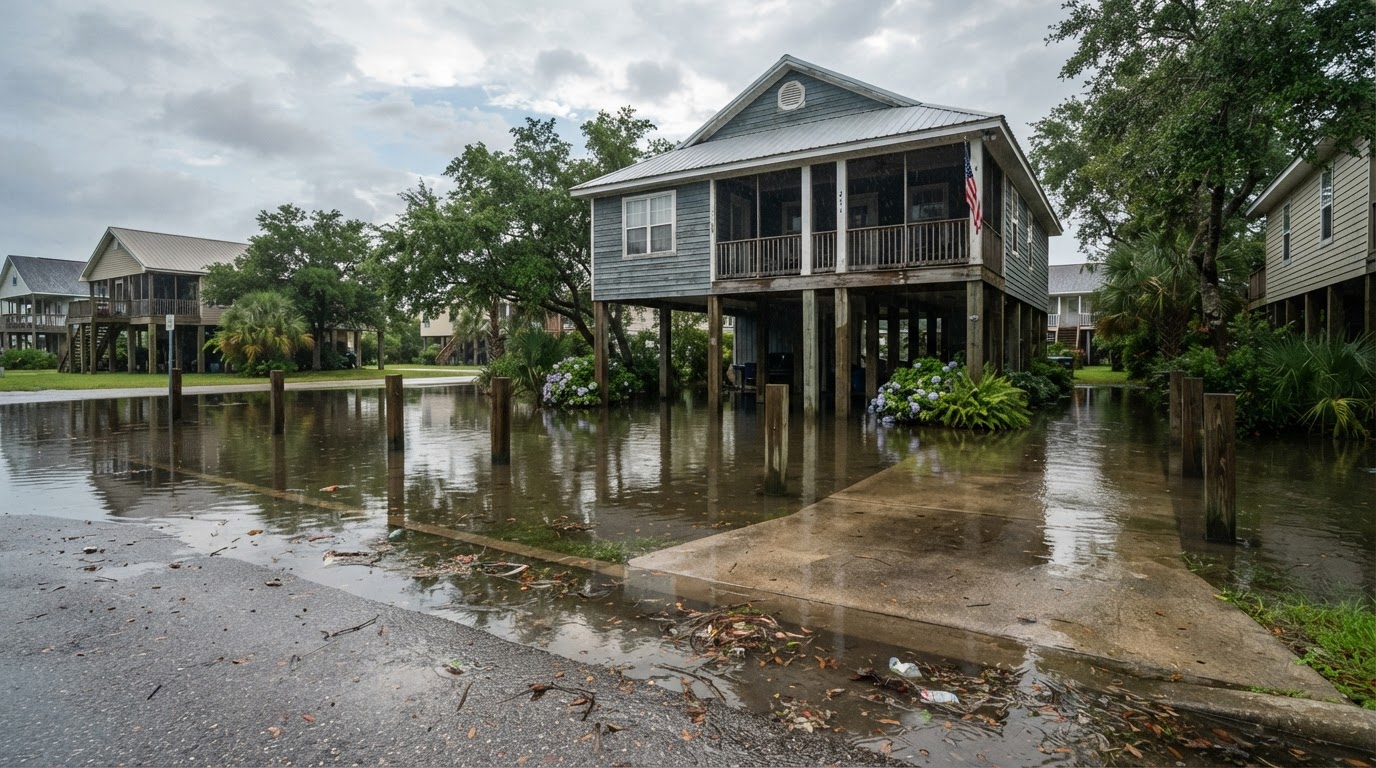
On this page
Thinking about buying a home in a flood zone? Learn the key pros, cons, and costs—including flood insurance requirements, safety considerations, and tips for making an informed decision based on official FEMA and NOAA guidance.
Understanding Flood Zones: What Every Homebuyer Should Know
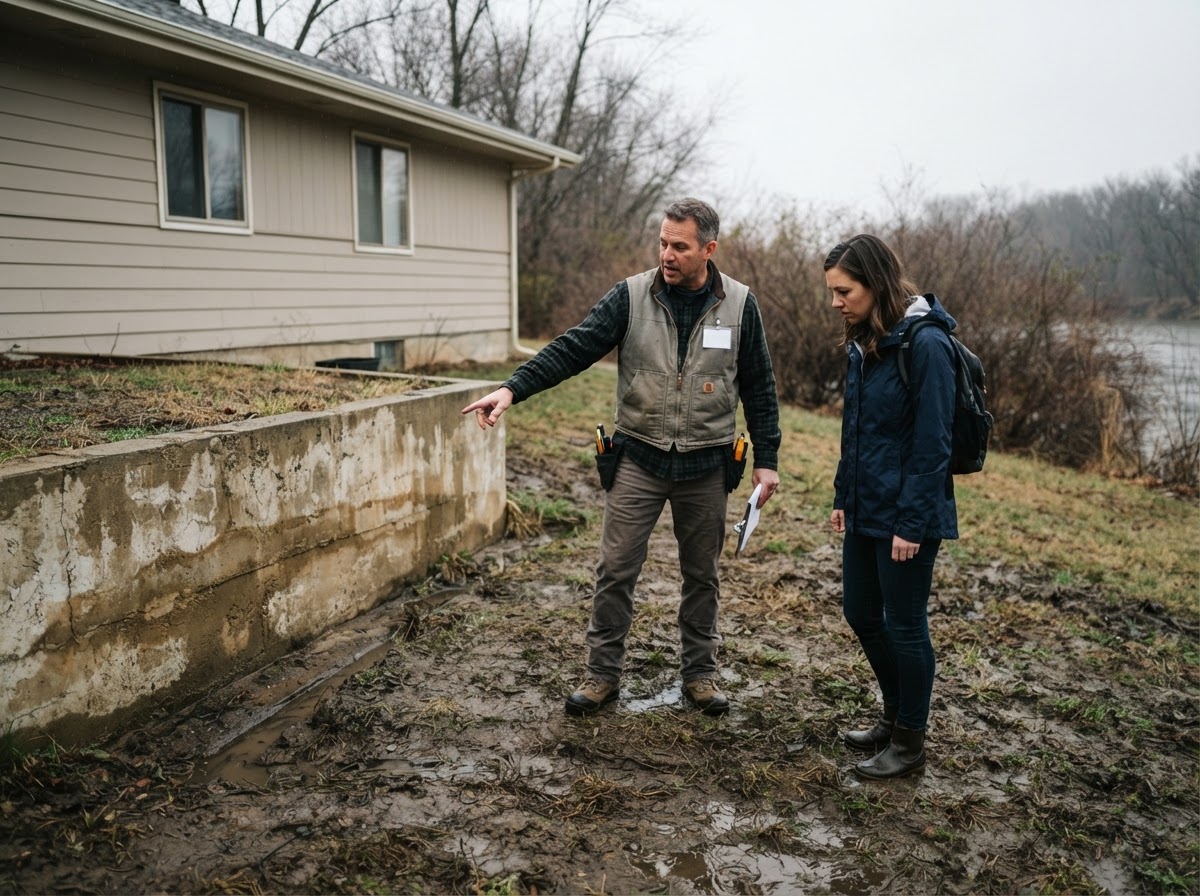
When you’re house hunting, the term “flood zone” can be daunting. But not all flood zones are equal, and buying a home in one may be a smart decision if you understand the risks, costs, and protections involved. This article explains the pros, cons, and true costs of buying a home in a flood zone, using official guidance from FEMA, NOAA, and other federal agencies to help you make an informed choice.
First, know that FEMA maps flood hazard areas into zones: High-risk areas (Zones A, V, etc.) have a 1% annual chance of flooding (the “100-year floodplain”). Moderate-to-low risk areas (Zones B, C, X) have a reduced risk but are still flood-prone. Check your property’s flood zone using FEMA’s Flood Map Service Center.
Pros of Buying a Home in a Flood Zone
Lower Purchase Price
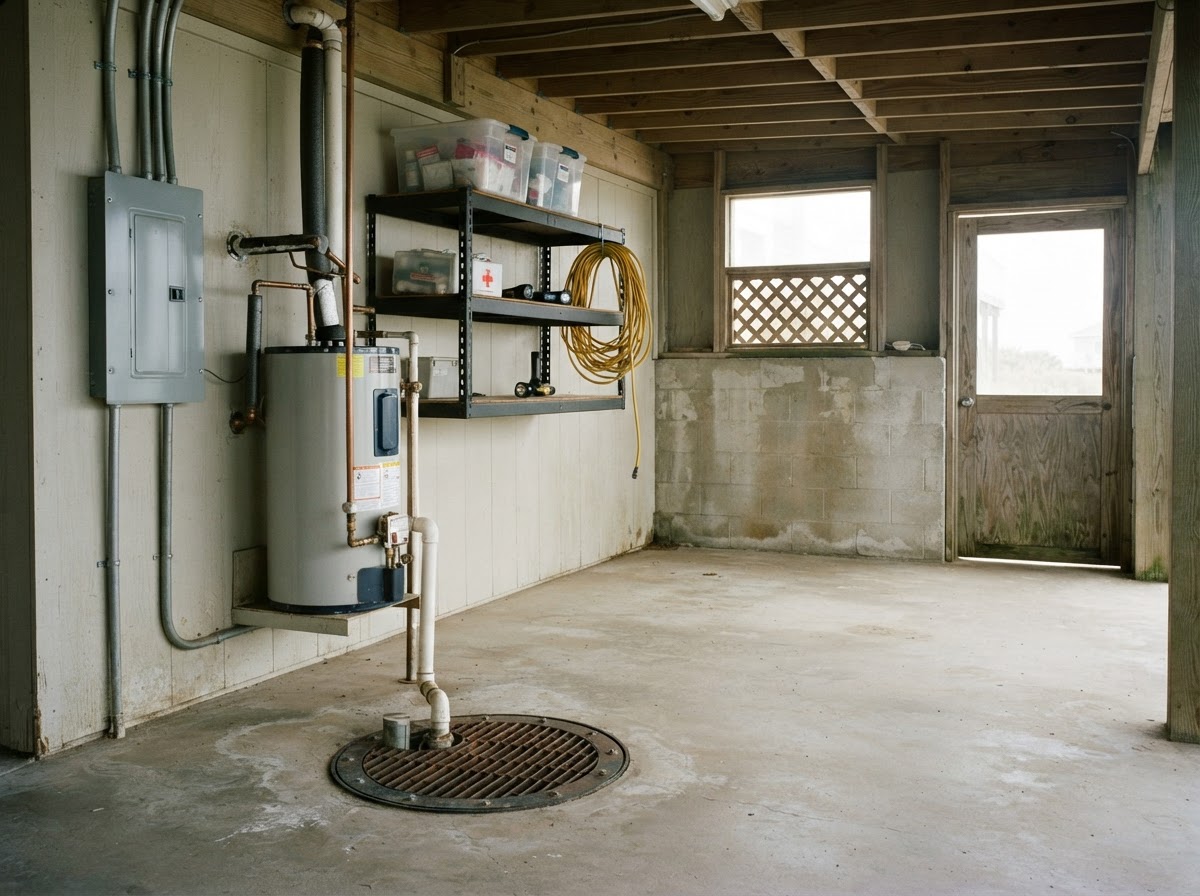
Homes in designated flood zones often sell for less than comparable homes outside them. Sellers may discount the property to account for flood insurance costs and perceived risk. If you’re willing to manage the additional requirements, you could get more house for your money.
Desirable Locations Near Water
Many flood zones exist near rivers, lakes, or coastlines—scenic areas that offer recreation and views. If you value waterfront living, a flood zone home may be the only affordable option.
Mandatory Flood Insurance Provides Financial Protection
Lenders require flood insurance for homes in high-risk flood zones with a federally backed mortgage. While this adds a cost, it also means you have a safety net—something buyers outside flood zones often lack. The National Flood Insurance Program (NFIP) and private insurers can cover building and contents, helping you recover quickly after a flood.
Cons of Buying a Home in a Flood Zone
Higher Insurance Costs
Flood insurance is separate from standard homeowners insurance. In high-risk zones, NFIP policies average about $1,000 per year, but costs vary widely based on flood risk, elevation, and deductible. Private insurance may be cheaper or offer higher limits. Always get a quote before buying. Visit FEMA’s flood insurance page for details.
Risk of Flood Damage
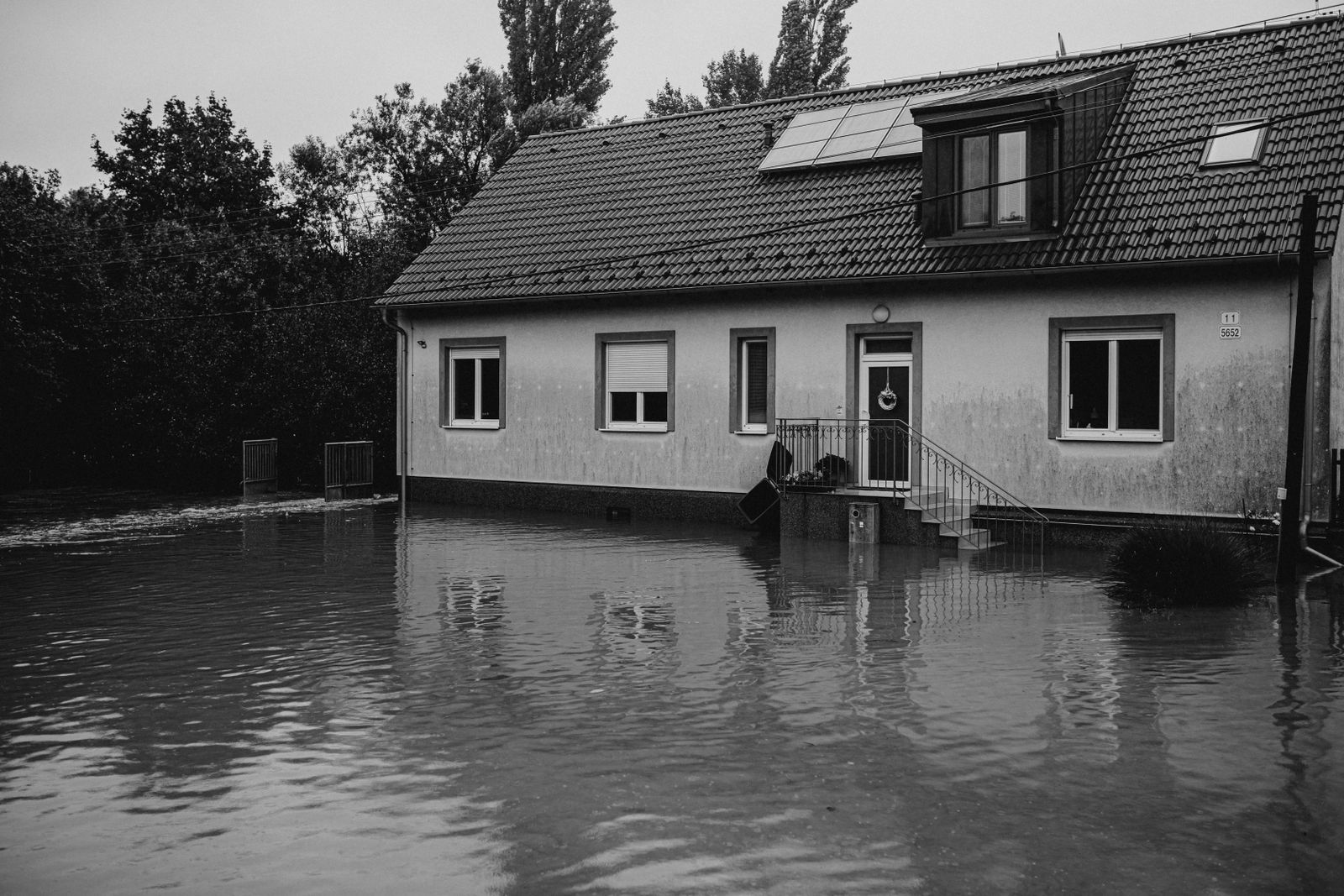
Even with maps and precautions, flood risk remains. Heavy rain, storm surge, snowmelt, or dam failure can inundate a home. Flooding can cause tens of thousands of dollars in damage and health hazards from mold and contaminated water. The CDC has guidance on flood preparedness and recovery.
Possible Resale Challenges
When it’s time to sell, the flood zone designation may limit your buyer pool. Some buyers will be scared off by insurance costs or perceived risk. However, disclosing flood history and mitigation measures can help.
Regulatory Requirements
Homes in flood zones may be subject to local building codes requiring elevation, flood vents, or other mitigation measures. These can add cost to renovations and repairs. Check with your local floodplain manager.
Costs to Consider Before Buying
Flood Insurance Premiums
In a high-risk zone, lenders will require flood insurance. Premiums depend on your property’s Base Flood Elevation (BFE), flood zone, deductible, and coverage amount. A home with a low BFE (i.e., lower than the base flood elevation) may cost more to insure. You can reduce premiums by elevating the home or obtaining an Elevation Certificate from a surveyor. Use FEMA’s FloodSmart.gov to estimate costs.
Elevation Certificate Costs
An Elevation Certificate (EC) costs $300–$800 and is essential for accurate flood insurance rating. If the seller doesn’t have one, you should get one before closing. The EC shows your home’s elevation relative to the BFE, which directly affects your premium.
Mitigation Measures
Elevating a home, installing flood vents, or sealing basements can cost thousands but may reduce insurance premiums significantly. FEMA offers hazard mitigation grants for some communities. Check if your property qualifies.
Potential for Higher Mortgage Rates
Some lenders view flood zone properties as riskier and may charge a slightly higher interest rate or require a larger down payment. Shop around with multiple lenders.
Do Your Due Diligence: Essential Steps Before Buying
Check Flood History and Risk
Use FEMA’s Flood Map Service Center and NOAA’s flood safety resources. Ask the seller for any past flood claims. Review the property’s flood insurance claims history through a CLUE report.
Get a Flood Insurance Quote
Talk to an insurance agent who specializes in flood insurance. Get quotes for both NFIP and private policies. Factor the annual premium into your monthly housing budget.
Determine if Mitigation is Feasible
If the home is below the BFE, consider the cost of elevation. A licensed engineer or contractor can provide estimates. Some communities have elevation assistance programs.
Understand Disclosure Laws
Most states require sellers to disclose known flood risks. Read the disclosure carefully. If the seller has filed claims, that’s a red flag. You can also check Ready.gov for flood preparation checklists.
Conclusion: Is It Safe to Buy in a Flood Zone?
Yes, buying a home in a flood zone can be safe and financially sound—if you budget for flood insurance, understand the risks, and take mitigation measures. The key is to go in with eyes open: get an elevation certificate, secure affordable insurance, and verify that the property meets local floodplain regulations. While flood zones carry extra costs and precautions, they often offer lower purchase prices and desirable locations. For many buyers, the trade-off is worth it. Start your research at FEMA’s FloodSmart.gov and consult with a local real estate agent experienced in flood zone properties.
About our guidance
Our guides are grounded in publicly available information from official sources such as FEMA, NOAA, USGS and Ready.gov. Information is general in nature — always verify details for your specific property and policy with official sources and your insurer.
Related guides
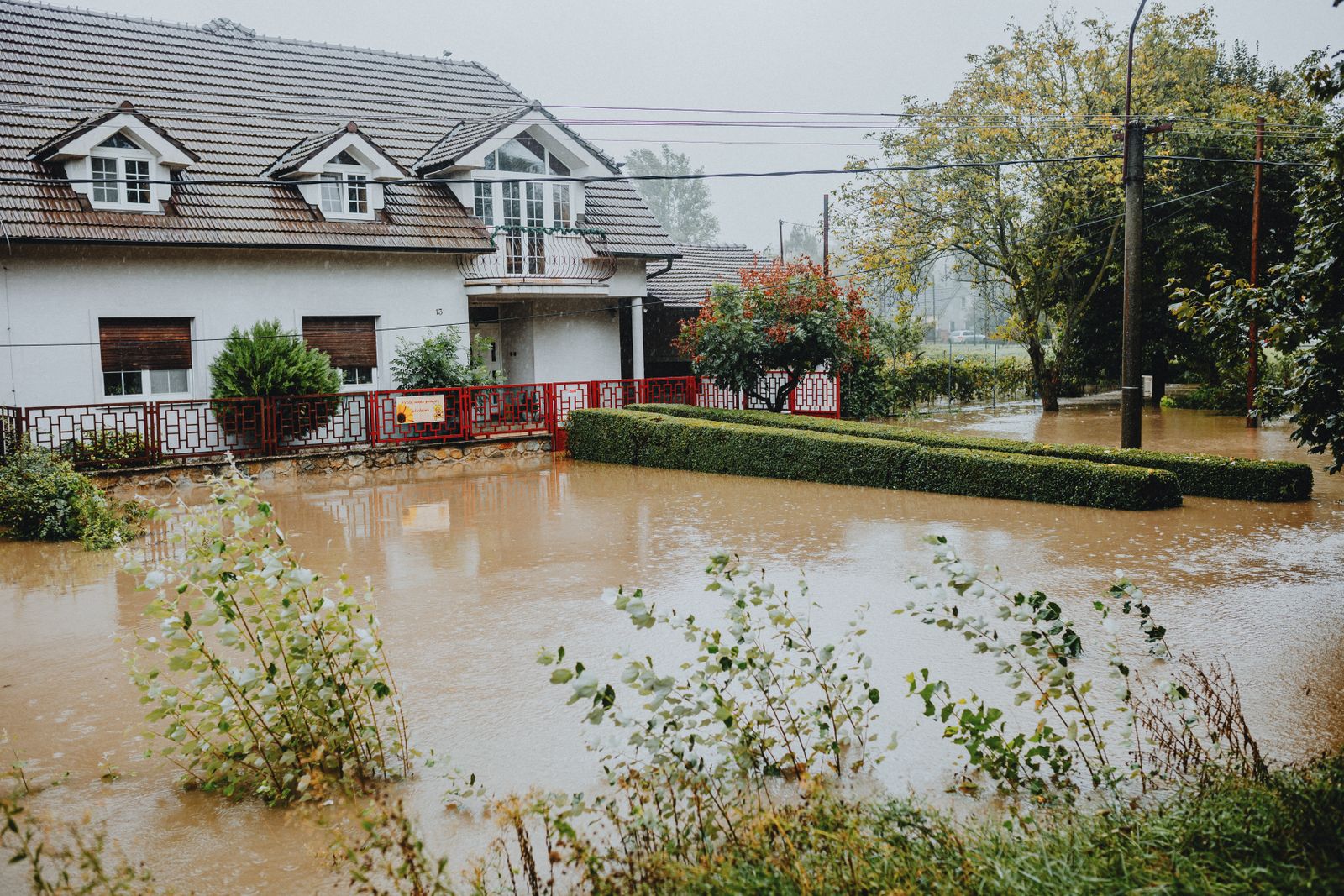 InsuranceLender-Placed Flood Insurance: The Expensive Backup If Your Policy LapsesYour lender can force-place flood insurance if your policy lapses — and bill you for it, usually at a higher price. Here is how…Oct 15, 2026Read guide →
 InsuranceWhat Happens to Your NFIP Policy If Congress Lets the Program LapseCongress extended the NFIP through December 11, 2026. If the program lapses, existing policies stay in force and claims get paid…Oct 15, 2026Read guide →
 InsuranceExcess Flood Insurance: Coverage Above NFIP's $250,000 LimitThe NFIP caps flood coverage at $250,000 for the building and $100,000 for contents. If your home would cost more to rebuild,…Oct 15, 2026Read guide →