
Coastal vs Inland Hurricane Risk: Key Differences for Your Home
4 min read
On this page
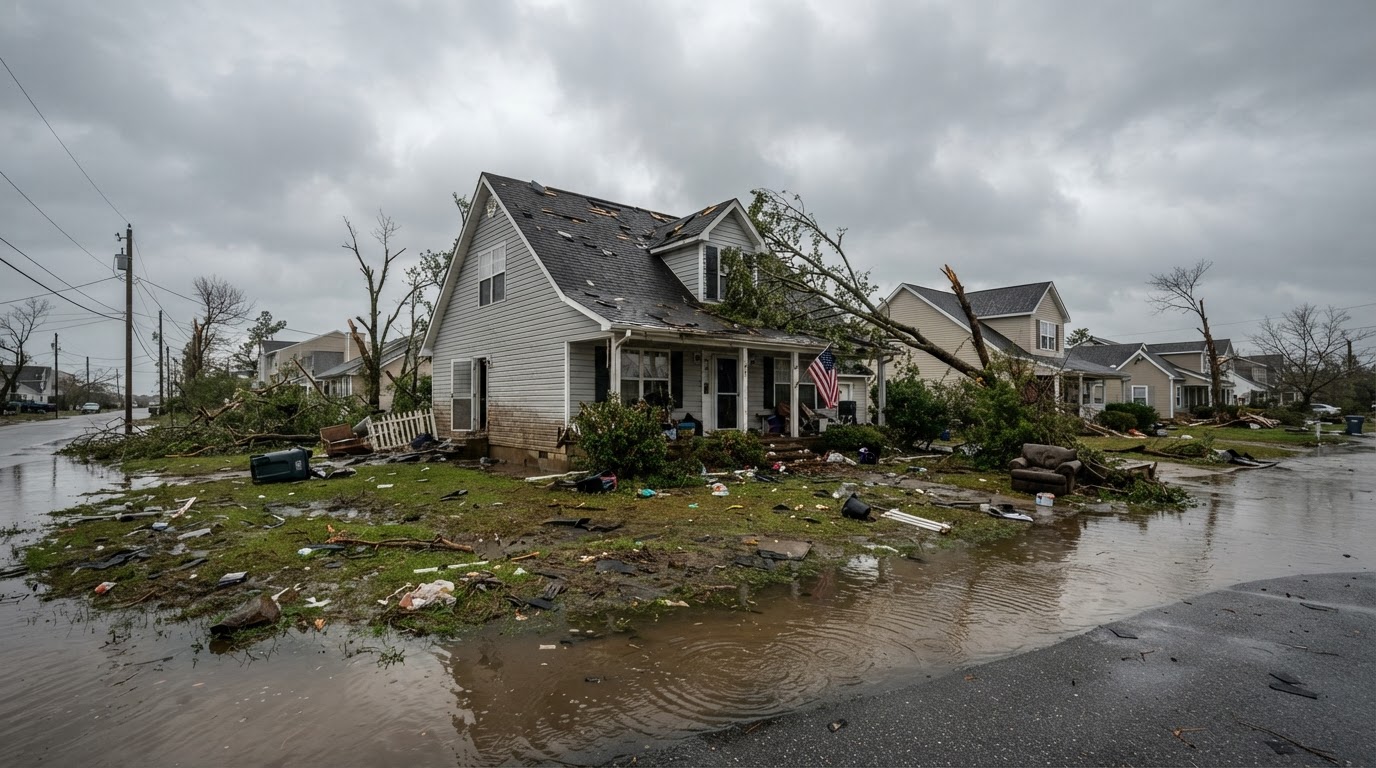
Hurricane hazards change dramatically as storms move inland. Learn how coastal and inland homeowners face different risks—from storm surge to tornadoes—and how to prepare based on your location.
When we think of hurricane danger, images of storm surge battering coastal homes often come to mind. But hurricanes pose serious—and different—risks to inland properties as well. Understanding these differences is key to protecting your home, whether you live on the coast or miles from the shore. This guide compares coastal and inland hurricane hazards using information from FEMA, NOAA, and Ready.gov.
Coastal Hurricane Risks: Storm Surge and High Winds
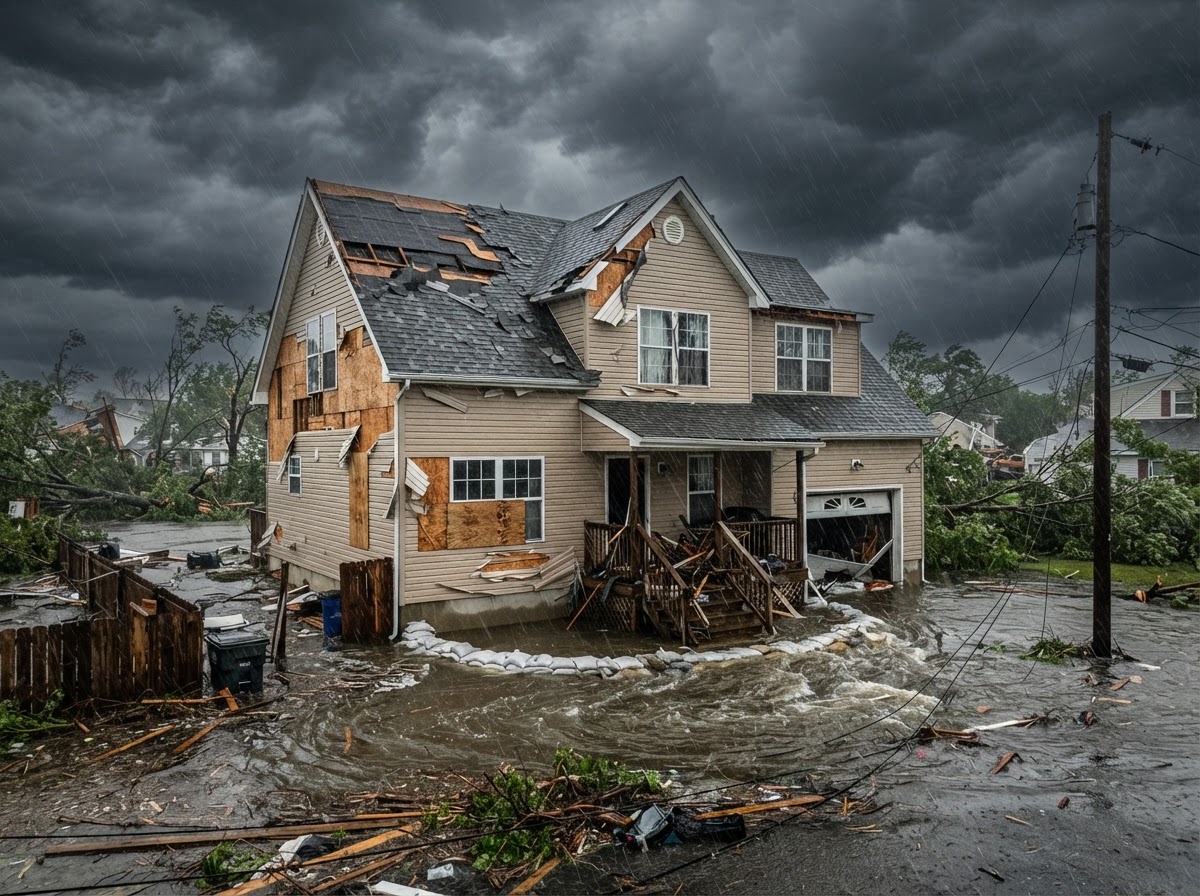
Along the coast, the primary threat is storm surge—the abnormal rise of water pushed ashore by hurricane winds. According to the National Hurricane Center, storm surge can reach over 20 feet in extreme cases, inundating homes and causing catastrophic damage. Coastal homes are also exposed to the highest sustained winds, which typically decrease after landfall.
Storm Surge Hazard Zones
FEMA's Flood Insurance Rate Maps (FIRMs) identify Special Flood Hazard Areas (SFHAs) where storm surge flood risk is highest. Homes in these zones may require flood insurance if they have a federally backed mortgage. Check your property's flood risk at FloodSmart.gov.
Wind Damage on the Coast
Coastal areas face the strongest hurricane winds. Builders often follow stricter wind-resistant construction codes, such as requiring impact-resistant windows, reinforced roofs, and proper tie-downs. If you live near the coast, Ready.gov recommends installing storm shutters or plywood covers for windows and ensuring garage doors are wind-rated.
Inland Hurricane Risks: Flooding, Tornadoes, and Power Outages

As a hurricane moves inland, its winds weaken—but water-related threats often increase. Heavy rainfall can cause widespread river flooding and flash floods, even hundreds of miles from the coast. Additionally, hurricanes frequently spawn tornadoes, especially in the right-front quadrant of the storm (typically the eastern side).
Inland Flooding from Heavy Rain
Slow-moving hurricanes can dump 10–20 inches of rain over large areas. The NOAA Precipitation Data shows that inland flooding is the leading cause of hurricane-related deaths in the United States. Homes in floodplains or near rivers face elevated risk, even outside coastal surge zones. Use FEMA's Map Service Center to see if your property lies in a flood hazard area.
Tornado Risk
Hurricanes can produce tornadoes that often form quickly and with little warning. According to NOAA's Storm Prediction Center, these tornadoes are typically weaker (EF0–EF2) but still dangerous. Inland homeowners should have a tornado safety plan that includes a basement or interior room on the lowest floor.
Power Outages
Inland areas often experience prolonged power outages due to falling trees and damaged infrastructure. The CDC advises having a backup power source, such as a generator, and a supply of batteries for essential devices.
How Risk Changes Inland: A Comparison
- Storm Surge: Coastal = major threat; Inland = no risk.
- Wind Speed: Coastal = higher; Inland = lower but still dangerous.
- Rainfall Flooding: Coastal = possible; Inland = often more severe due to slower storm decay.
- Tornadoes: Coastal = less frequent; Inland = more common, especially in the Northeast quadrant.
- Preparation Focus: Coastal = structural wind/water protection; Inland = flood barriers and emergency supplies.
Preparation Strategies for Both Zones
Regardless of location, every homeowner should follow these steps from Ready.gov:
- Know your hurricane evacuation zone. Coastal residents may need to evacuate for storm surge; inland residents may need to flee inland flooding or tornado threats.
- Create a go kit with water (1 gallon per person per day), non-perishable food, medications, flashlights, batteries, first aid supplies, and important documents in a waterproof container.
- Protect your home: clear gutters, trim trees, secure loose outdoor items, and consider installing a sump pump with a battery backup for flood-prone basements.
- Review your insurance coverage. Standard homeowners policies typically exclude flood damage. FEMA's National Flood Insurance Program (NFIP) offers flood insurance for both coastal and inland properties.
- Plan for power outages: purchase a generator, have a cooler and ice packs ready, and know how to manually open your garage door.
Coastal-Specific Measures
If you live within 20 miles of the coast, consider:
- Installing storm shutters or impact-resistant windows.
- Reinforcing your roof with hurricane straps or clips.
- Elevating your home if it's in a surge-prone area (refer to local building codes).
Inland-Specific Measures
For homes more than 50 miles inland, focus on:
- Protecting against flash flooding with sandbags, flood barriers, and a plan to move vehicles to higher ground.
- Securing large trees near the house to prevent wind damage.
- Having a tornado safe room or shelter space in your home's basement or interior closet.
Conclusion: Your Risk Depends on Where You Live
The difference between coastal and inland hurricane risk is not whether you face danger—it's which dangers you face. Coastal homeowners must prioritize storm surge and high winds, while inland residents need to prepare for rainfall flooding, tornadoes, and extended power outages. No matter where you live, preparation is the key. Use tools like FEMA's National Risk Index to assess your specific hazards, and stay informed through your local National Weather Service office. Act now to protect your home and family before the next hurricane threatens.
About our guidance
Our guides are grounded in publicly available information from official sources such as FEMA, NOAA, USGS and Ready.gov. Information is general in nature — always verify details for your specific property and policy with official sources and your insurer.
Related guides
 InsuranceLender-Placed Flood Insurance: The Expensive Backup If Your Policy LapsesYour lender can force-place flood insurance if your policy lapses — and bill you for it, usually at a higher price. Here is how…Oct 15, 2026Read guide →
 InsuranceWhat Happens to Your NFIP Policy If Congress Lets the Program LapseCongress extended the NFIP through December 11, 2026. If the program lapses, existing policies stay in force and claims get paid…Oct 15, 2026Read guide →
 InsuranceExcess Flood Insurance: Coverage Above NFIP's $250,000 LimitThe NFIP caps flood coverage at $250,000 for the building and $100,000 for contents. If your home would cost more to rebuild,…Oct 15, 2026Read guide →