
Cool Home, Low Bills: Beat the Heat Without Breaking the Bank
5 min read
On this page
Learn how to keep your home comfortable during a heat wave while saving on energy costs, using tips from FEMA, DOE, and CDC.
Extreme heat is the deadliest natural hazard in the United States, according to the National Weather Service. When a heat wave strikes, keeping your home cool can become a challenge—and expensive. But with a few smart strategies, you can stay comfortable without watching your power bill skyrocket. Here are practical, government-backed tips to help you beat the heat efficiently.
Understand Your Home's Heat Sources
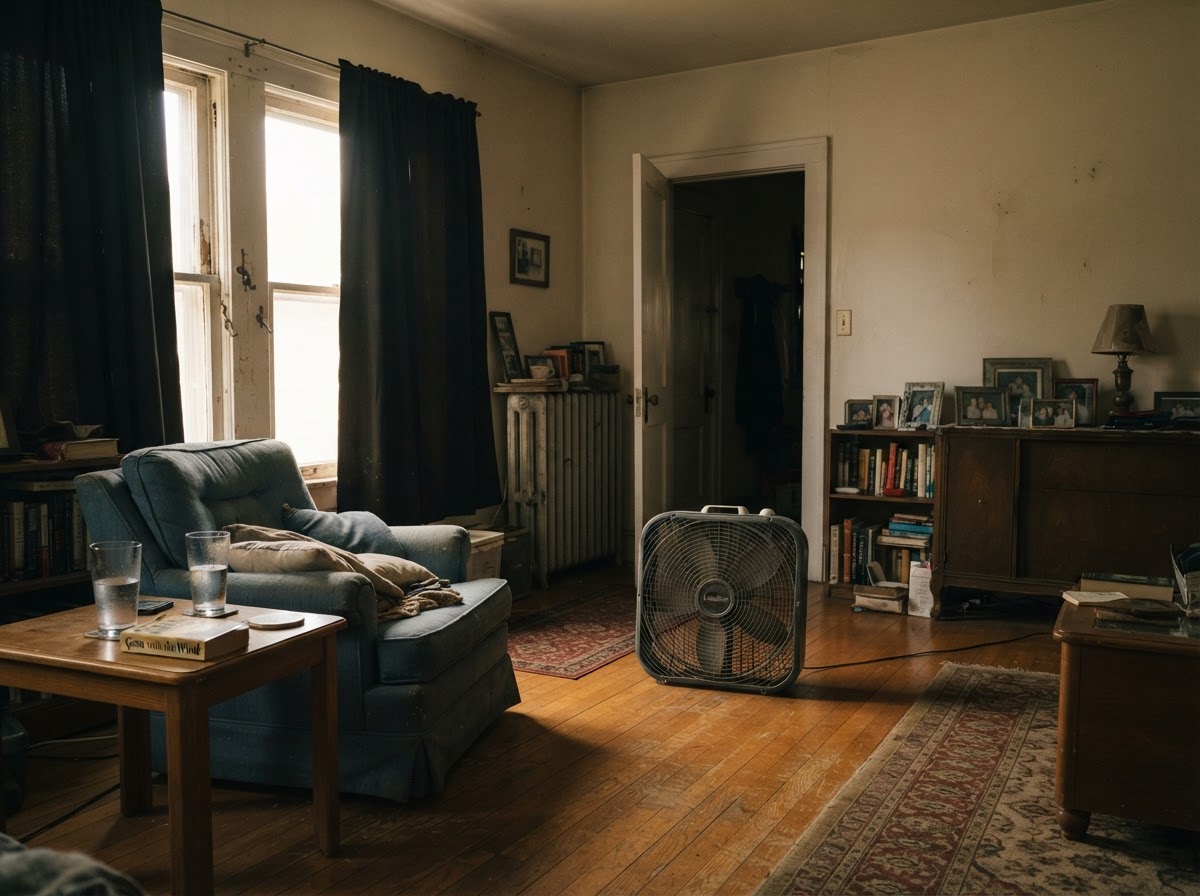
Before you can cool your home, you need to know where the heat is coming from. Sunlight streaming through windows, appliances generating heat, and poor insulation all contribute. The Department of Energy (DOE) suggests that windows alone can be responsible for up to 30% of unwanted heat gain. Start by tackling these sources.
Block the Sun Before It Enters
Close Curtains and Blinds
During the hottest part of the day, keep curtains and blinds closed on south- and west-facing windows. The DOE recommends using light-colored, reflective drapes or blackout curtains to reflect sunlight. This simple step can reduce indoor temperature by up to 20 degrees in some cases.
Install Window Film or Awnings
If you own your home, consider applying solar control window film or installing exterior awnings. These are low-cost upgrades that block UV rays and heat while letting in light. The Federal Emergency Management Agency (FEMA) notes that awnings can reduce heat gain by up to 65% on south-facing windows.
Optimize Your Ventilation and Airflow
Use Fans Strategically
Ceiling fans and portable fans can make a room feel several degrees cooler without using much electricity. The CDC advises using fans when the indoor temperature is below 95°F (35°C). Set ceiling fans to spin counterclockwise in summer to create a wind-chill effect. Turn off fans when you leave a room—they cool people, not rooms.
Create Cross Ventilation
In the early morning and late evening when outside air is cooler, open windows on opposite sides of your home to create a cross breeze. Place a fan in one window blowing outward to pull cool air in from the other side. This technique, recommended by the National Oceanic and Atmospheric Administration (NOAA), can rapidly cool your home without AC.
Reduce Internal Heat Generation
Appliances like ovens, dishwashers, dryers, and incandescent light bulbs produce heat. To keep your home cooler:
- Cook outdoors or use a microwave, slow cooker, or toaster oven instead of a full oven.
- Run appliances like dishwashers and dryers at night when it's cooler.
- Replace incandescent bulbs with LED bulbs, which generate up to 80% less heat.
- Unplug electronics when not in use—they still emit heat in standby mode.
Use Air Conditioning Efficiently
Set Your Thermostat Wisely
The DOE recommends setting your thermostat to 78°F (26°C) when you're home and awake, and higher when you're away. Each degree you raise the thermostat can save 3-5% on cooling costs. Use a programmable thermostat to adjust automatically.
Maintain Your AC System
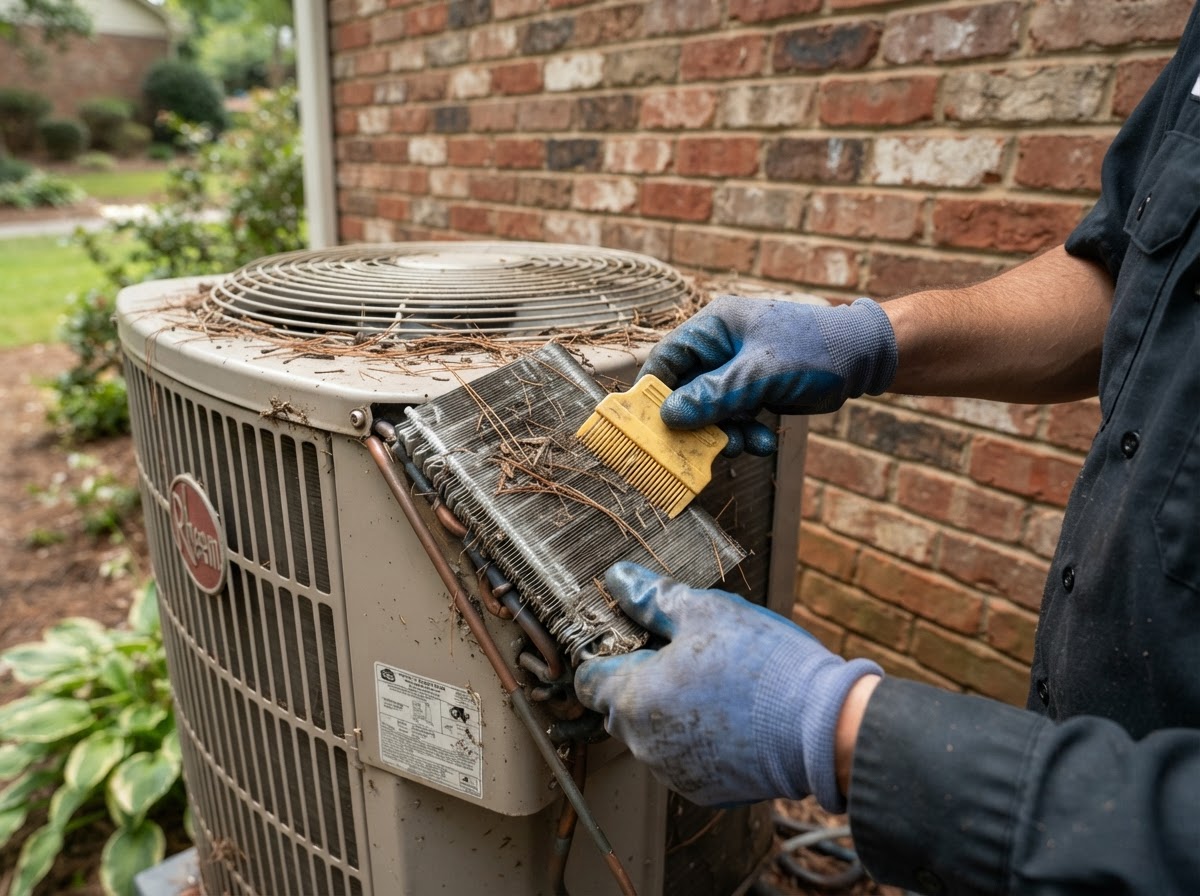
Clean or replace filters every 1-3 months, especially during heavy use. A dirty filter makes your AC work harder and use more energy. The DOE says this simple step can lower your AC's energy consumption by 5-15%. Also, keep outdoor units clear of debris and shade them if possible.
Use a Window Unit or Portable AC
If you have central AC, consider cooling only the rooms you occupy. If you use window units, choose Energy Star-rated models. Seal gaps around the unit with weatherstripping or foam tape to prevent hot air from leaking in.
Keep Your Home's Envelope Tight
Seal Air Leaks
Gaps around windows, doors, and attic hatches let cool air escape and hot air enter. The U.S. Department of Energy recommends caulking and weatherstripping to seal leaks. This can reduce cooling costs by 10-20%. Pay attention to the attic—hot air rises, and an unsealed attic can transfer heat into living spaces.
Add or Improve Insulation
Adequate attic insulation is one of the most cost-effective ways to keep your home cool. The DOE suggests an R-value of R-38 to R-60 for most U.S. climates. Check your attic insulation and add more if needed.
Use Landscaping to Your Advantage
Deciduous trees planted on the south and west sides of your home provide shade in summer and let sunlight through in winter. FEMA notes that well-placed trees can reduce air conditioning costs by 15-25%. Even shrubs and vines can help cool the ground and walls around your home.
Stay Hydrated and Recognize Heat Illness
While this article focuses on home cooling, your personal safety is paramount. The CDC urges staying hydrated with water, avoiding alcohol and caffeine, and knowing the signs of heat exhaustion and heat stroke. If you don't have air conditioning, spend time in public cooling centers, libraries, or malls during the hottest hours.
Conclusion
By combining passive cooling techniques—like shading, ventilation, and reducing internal heat—with efficient use of air conditioning, you can keep your home comfortable during a heat wave without huge power bills. These strategies are endorsed by official sources and can be implemented at little or no cost. For more information, visit Ready.gov/heat and the DOE's Energy Saver Guide. Stay cool and save money!
About our guidance
Our guides are grounded in publicly available information from official sources such as FEMA, NOAA, USGS and Ready.gov. Information is general in nature — always verify details for your specific property and policy with official sources and your insurer.
Keep exploring
Related guides
 Heat Illness Warning Signs Every Homeowner and Parent Should KnowLearn to recognize the warning signs of heat exhaustion and heat stroke, and discover essential prevention tips for your home and…Jun 21, 2026Read guide →
 InsuranceLender-Placed Flood Insurance: The Expensive Backup If Your Policy LapsesYour lender can force-place flood insurance if your policy lapses — and bill you for it, usually at a higher price. Here is how…Oct 15, 2026Read guide →
 InsuranceWhat Happens to Your NFIP Policy If Congress Lets the Program LapseCongress extended the NFIP through December 11, 2026. If the program lapses, existing policies stay in force and claims get paid…Oct 15, 2026Read guide →