
Cripple Wall Retrofit: Strengthen Your Home's Earthquake Defenses
4 min read
On this page
Learn how a cripple wall retrofit can prevent your older home from collapsing in an earthquake. Understand the basics, why it matters, and how to get started safely.
What Is a Cripple Wall and Why Is It a Risk?
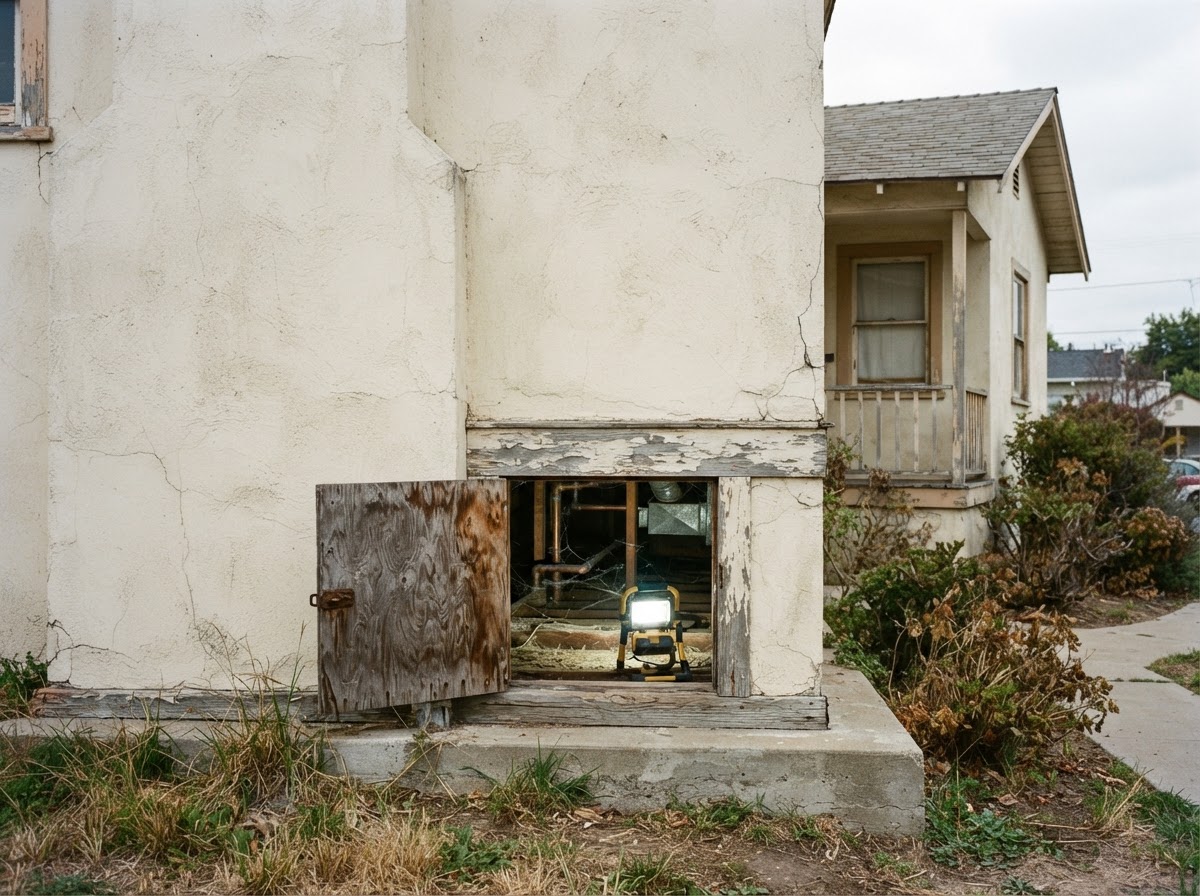
A cripple wall is a short wood-framed wall between the foundation and the first floor of a house, common in older homes built before modern building codes. In an earthquake, these walls can shift or collapse if not properly braced, causing the house to fall off its foundation. According to FEMA (Federal Emergency Management Agency), houses with unbraced cripple walls are among the most vulnerable to earthquake damage (FEMA Earthquake Home Retrofit Guide). Retrofitting strengthens this weak link.
Signs Your Home May Have Unreinforced Cripple Walls
Homes built before the 1980s in seismically active states (California, Oregon, Washington, Utah, etc.) often have unbraced cripple walls. Look for these indicators:
- Crawlspace walls that are less than 8 feet tall made of narrow studs (2x4 or 2x6).
- No plywood sheathing on the interior of the crawlspace walls.
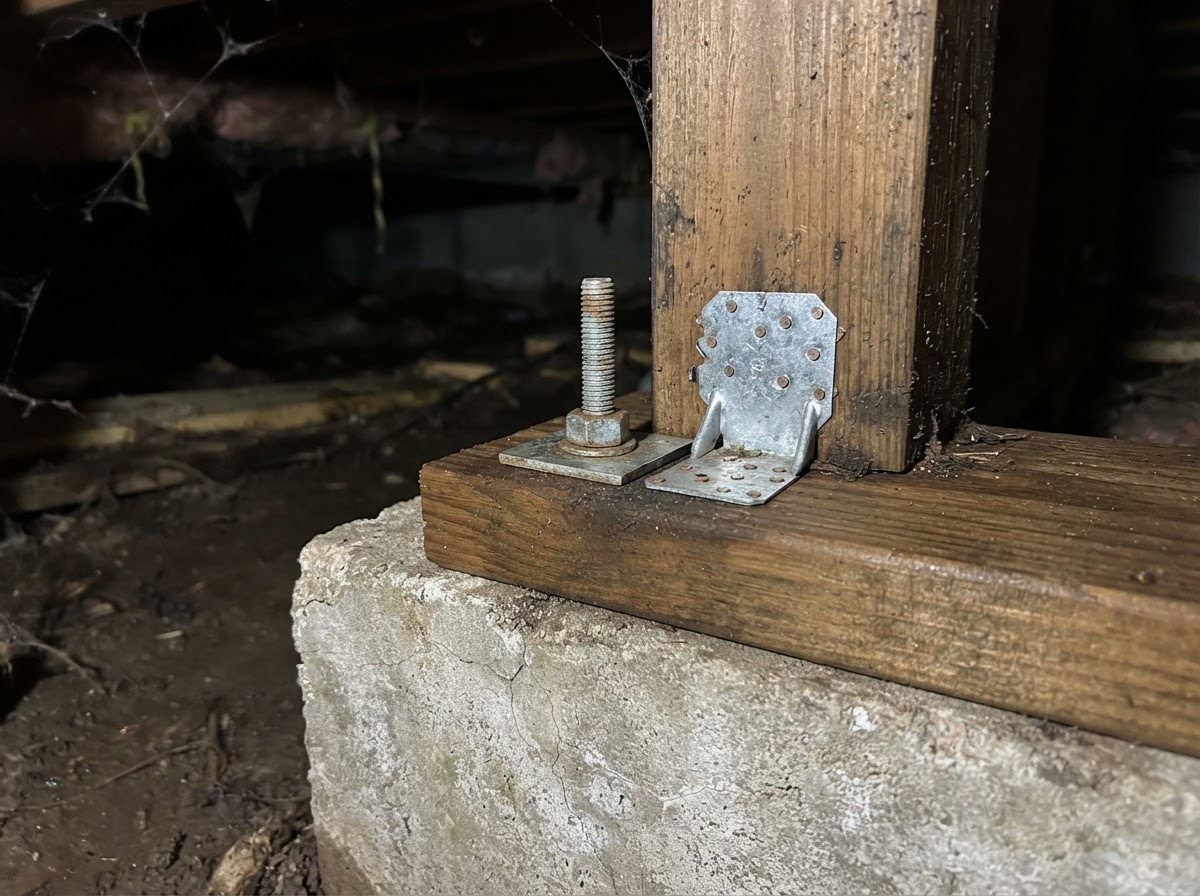
- Lack of anchor bolts connecting the sill plate to the foundation.
- Cracks or movement in the foundation or floor above.
If you suspect your home has unbraced cripple walls, the first step is a professional inspection by a licensed structural engineer. The U.S. Geological Survey provides earthquake hazard maps to help determine your risk level.
How Cripple Wall Retrofitting Works
A typical retrofit involves two main actions: bolting the house to the foundation and adding plywood sheathing to the cripple walls. FEMA’s FEMA P-232 guide provides detailed instructions for do-it-yourself homeowners, but always consult a professional engineer before starting.
1. Foundation Bolting
Anchor bolts are installed to connect the wooden sill plate (the bottom plate of the cripple wall) to the concrete foundation. This prevents the house from sliding off during shaking. FEMA recommends ½-inch diameter bolts spaced 6 feet apart (FEMA Home Retrofit Guide). Older homes may require foundation bolts or epoxy anchors.
2. Wall Bracing with Plywood
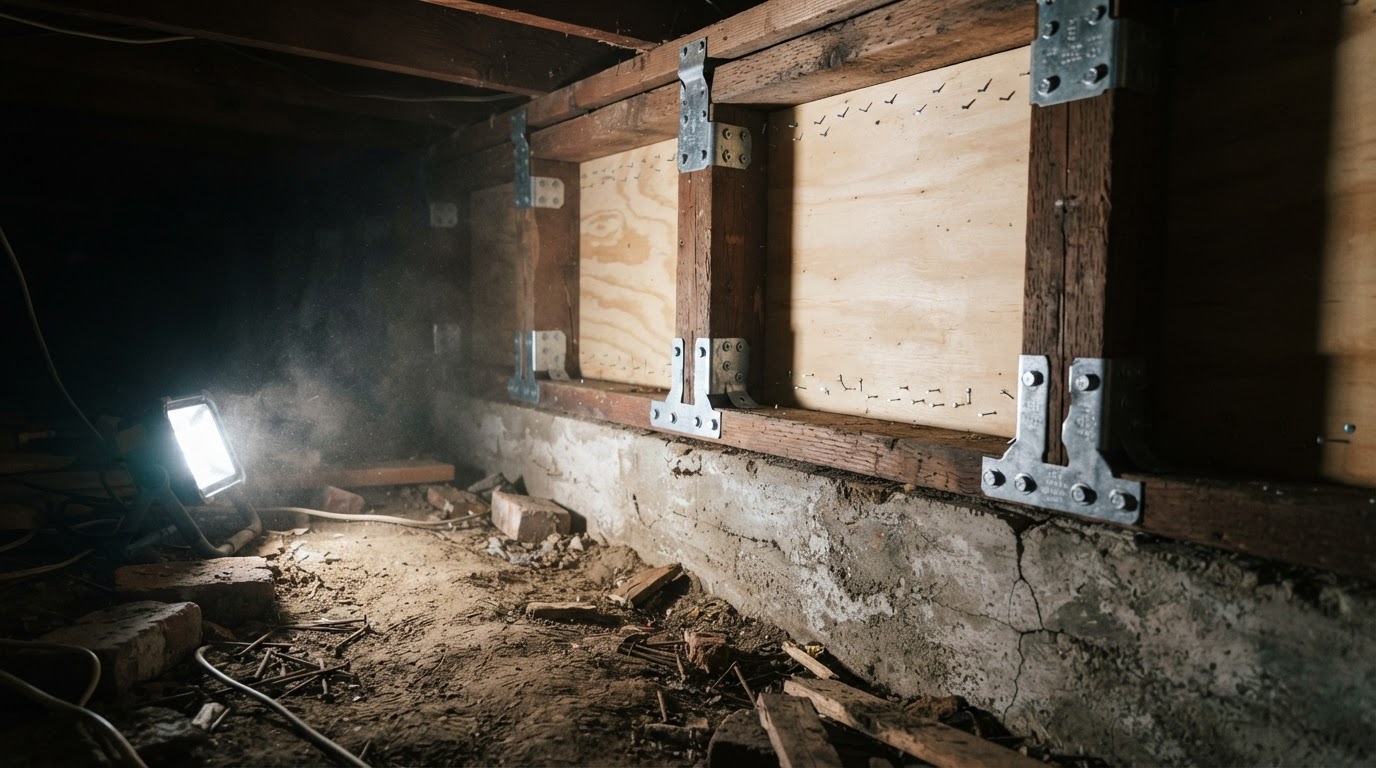
Sheathing (typically 7/16-inch or ½-inch plywood) is nailed to the inside of the cripple wall studs from the sill plate to the floor framing above. This turns the individual studs into a solid diaphragm that resists lateral forces. Nailing patterns must follow local building codes—usually 8d nails spaced 4 inches on edges and 12 inches in the field.
Additionally, hold-downs (metal brackets) may be required at the ends of shear walls to anchor the cripple wall to the foundation, preventing overturning.
When to Hire a Professional
While some homeowners complete retrofits themselves, most local jurisdictions require a building permit and engineering review. FEMA recommends hiring a licensed structural engineer to design the retrofit and a licensed contractor to install it (Ready.gov Earthquakes). The engineer will evaluate soil conditions, foundation type, and house weight, then provide a plan that meets local codes like the California Residential Code or International Residential Code.
Cost and Return on Investment
Retrofit costs vary widely: a basic cripple wall retrofit may range from a few thousand to tens of thousands of dollars depending on the size of the crawlspace, accessibility, and local labor rates. Many homeowners find that the cost is far less than earthquake repair bills. Some insurance companies offer discounts for retrofitted homes. Additionally, state and local programs sometimes provide grants or low-interest loans (California Earthquake Authority). The peace of mind—and the safety of your family—is priceless.
Step-by-Step Action Plan
- Assess your risk using USGS earthquake maps.
- Inspect your crawlspace to identify cripple wall configuration.
- Hire a structural engineer to evaluate and design a retrofit.
- Obtain permits as required by your city or county.
- Hire a licensed contractor to perform the work, or do it yourself if you have the skills and approval.
- Post-retrofit inspection to ensure compliance with engineered plans.
Additional Measures for Older Homes
Besides cripple wall bracing, other earthquake vulnerabilities in older homes include:
- Unreinforced masonry chimneys – can collapse; consider bracing or removal.
- Water heater strapping – secure to wall studs to prevent gas leaks.
- Soft-story conditions (garage rooms or large openings over crawlspace) – may need further engineering.
The CDC Earthquake Preparedness page also recommends securing heavy furniture and shelves.
Conclusion
Retrofitting your older home’s cripple walls is one of the most effective ways to reduce earthquake damage. While it requires an investment of time and money, the protection it provides is invaluable. Start by having a professional assess your home, then follow the guidance from FEMA and local building codes. By taking action now, you can safeguard your family and your property when the next big quake strikes.
About our guidance
Our guides are grounded in publicly available information from official sources such as FEMA, NOAA, USGS and Ready.gov. Information is general in nature — always verify details for your specific property and policy with official sources and your insurer.
Keep exploring
Related guides
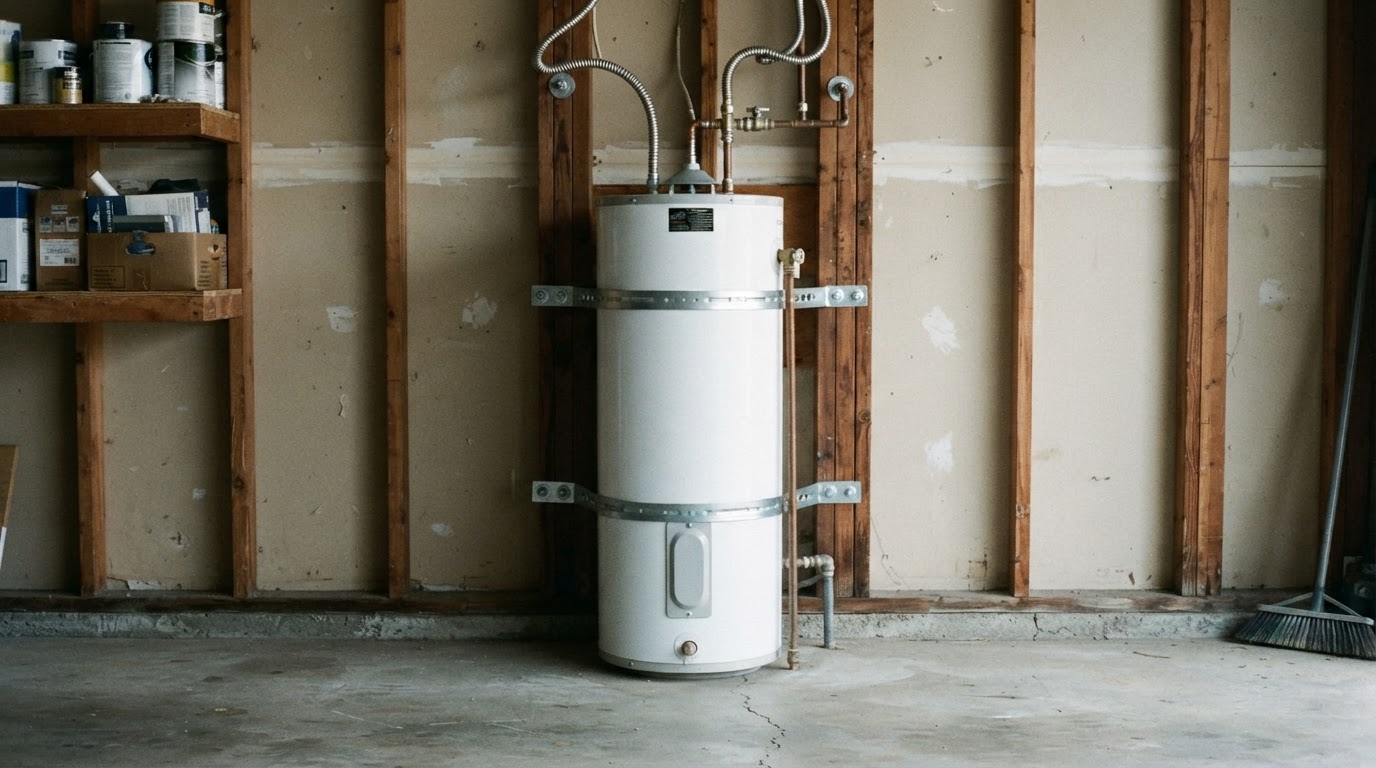 How to Strap Your Water Heater for Earthquake SafetyLearn why securing your water heater is critical after an earthquake and get step-by-step instructions to strap it properly,…Jun 21, 2026Read guide →
 Earthquake Drills for Kids and Seniors: Drop, Cover, Hold OnLearn how to practice 'Drop, Cover, and Hold On' with children and older adults. This guide provides step-by-step drills,…Jun 21, 2026Read guide →
 InsuranceLender-Placed Flood Insurance: The Expensive Backup If Your Policy LapsesYour lender can force-place flood insurance if your policy lapses — and bill you for it, usually at a higher price. Here is how…Oct 15, 2026Read guide →