
Debris Flow Risk After Wildfires: What Hillside Homeowners Should Know
4 min read
On this page
Learn how wildfires increase debris flow hazards on hillsides and get practical tips from FEMA, USGS, and Ready.gov to protect your home.
Introduction
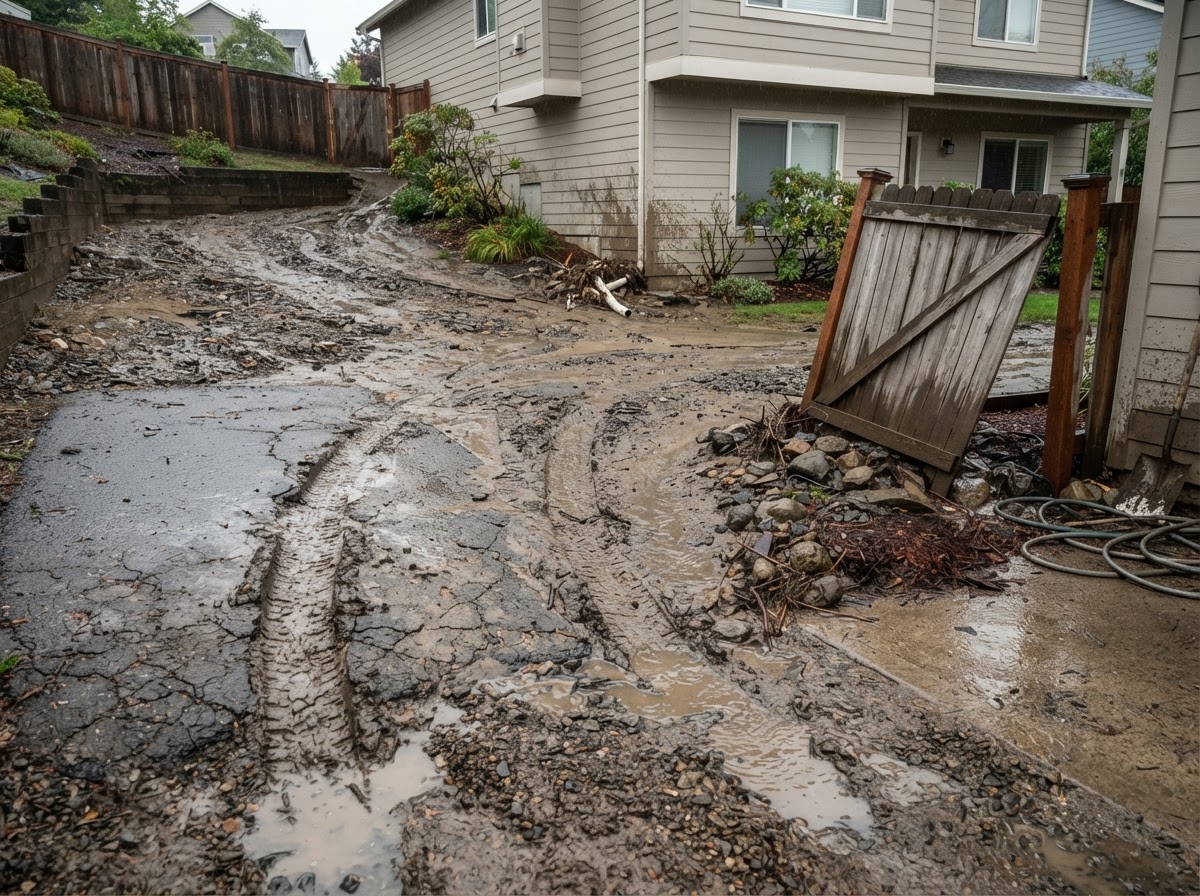
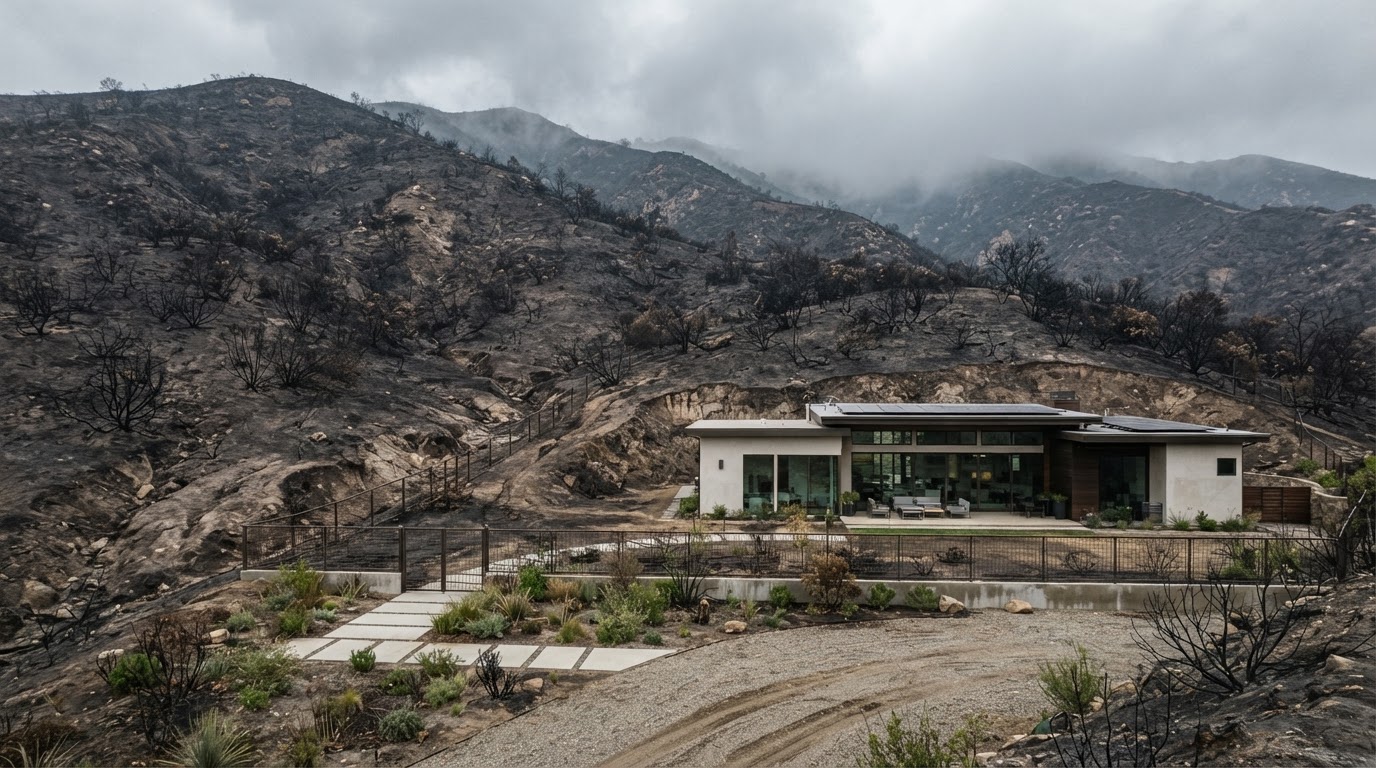
If you live on a hillside in a wildfire-prone area, you face a hidden danger long after the flames are out: debris flows. These fast-moving landslides of mud, rock, and vegetation can strike with little warning, especially during heavy rain. Understanding the connection between wildfires and debris flows—and knowing how to prepare—can help you protect your home and family.
Why Wildfires Increase Debris Flow Risk
Burned Soil and Loss of Vegetation
Vegetation and root systems normally hold soil in place on steep slopes. A wildfire strips away this protective cover, leaving the ground exposed. Without roots to anchor the soil, even moderate rainfall can trigger a debris flow. According to the U.S. Geological Survey (USGS), burned areas are significantly more susceptible to debris flows for up to several years after a fire.
Hydrophobic Soil Layer
Intense heat from a wildfire can create a water-repellent (hydrophobic) layer in the soil. This layer prevents rain from soaking in, causing water to run off the surface. The runoff picks up ash, sediment, and debris, rapidly transforming into a dangerous debris flow. The Federal Emergency Management Agency (FEMA) notes that post-fire debris flows are most common during the first rainy season after a fire.
Recognizing Signs of Debris Flow Hazard
Familiarize yourself with the warning signs of a debris flow, as described by Ready.gov:
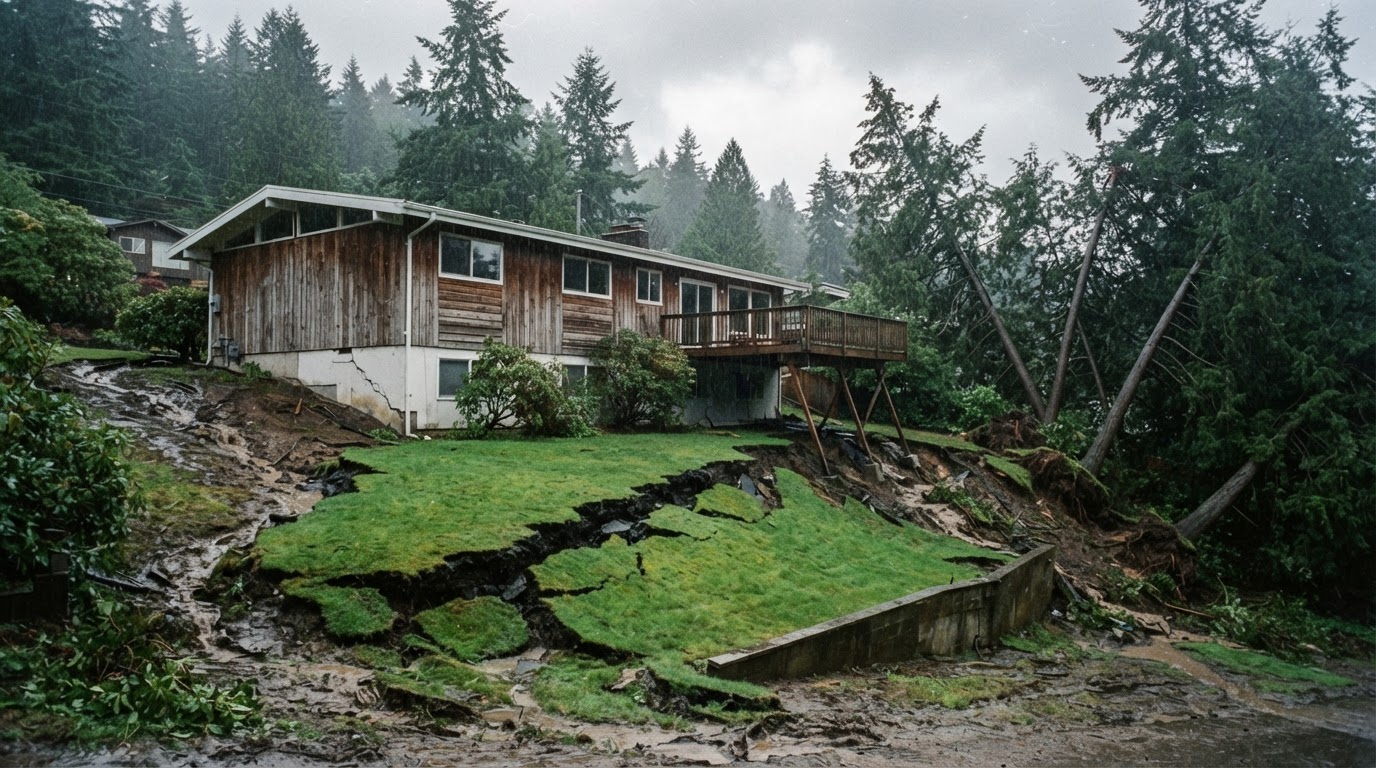
- Sudden increase or decrease in water flow in streams or creeks.
- Unusual sounds, such as trees cracking or boulders knocking together.
- Visible movement of soil or rock on a slope.
- Cracks in pavement, sidewalks, or the ground.
- Doors or windows that suddenly stick or jam.
If you notice any of these signs, especially during or after a rainstorm, move to higher ground immediately.
How to Assess Your Property's Risk
You can evaluate your hillside home's debris flow risk using several official tools:
- FEMA's National Risk Index: Visit the National Risk Index to view your community's landslide risk score, which includes debris flows.
- USGS Post-Fire Debris Flow Hazard Assessments: After a wildfire, the USGS may release hazard maps for burned areas. Check the USGS Post-Fire Debris Flow page for updates.
- Local Emergency Management Agency: Your county or state emergency management office often has detailed hazard maps and can provide guidance specific to your neighborhood.
Immediate Steps After a Wildfire
If a wildfire has burned near your home, take these actions as soon as it is safe to return:
Contact Local Officials
Reach out to your county's emergency management or public works department. They can tell you if debris flow mitigation projects (e.g., check dams, debris basins) are in place and whether your area is under a warning.
Install Erosion Control Measures
Work with a professional to install temporary erosion control measures, such as:
- Mulching: Spread straw or wood mulch over burned slopes to reduce runoff. The USDA Forest Service recommends this as an immediate step.
- Log erosion barriers (LEBs): Place logs along contours to catch sediment.
- Silt fences: Install at the base of slopes to filter debris from runoff.
Create a Defensible Space and Maintain Drainage
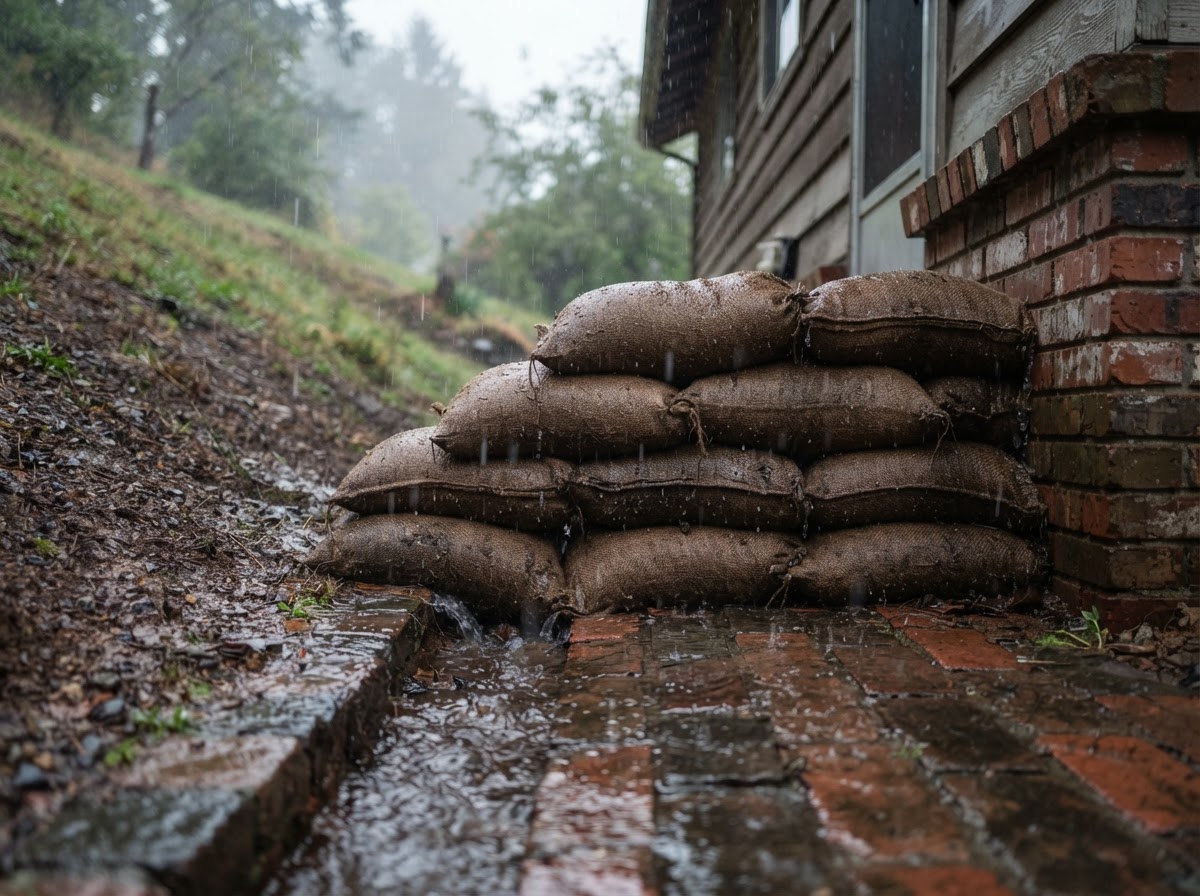
Clear dead vegetation and debris from around your home. Ensure gutters, downspouts, and drainage channels are free of obstructions so water can flow away from your foundation. Consider adding sandbags or temporary diversion barriers to direct runoff around your house.
Long-Term Mitigation Strategies
Landscaping and Vegetation Restoration
Replant native grasses, shrubs, and trees to stabilize the soil. The FEMA Mitigation Ideas suggest using deep-rooted plants that thrive in your region. Avoid over-watering, which can saturate slopes.
Retaining Walls and Drainage Systems
If your home is on a steep slope, consult a geotechnical engineer about building retaining walls or reinforced soil slopes. Install subsurface drainage systems, such as French drains or toe drains, to reduce water pressure in the soil. These structures must be designed to handle the force of a debris flow, not just stormwater.
Emergency Preparedness and Response
Have a Plan
Create a family emergency plan that includes a debris flow scenario. Identify at least two evacuation routes from your home. Practice the plan with your household. Ready.gov has a template for family emergency plans.
Sign Up for Alerts
Register for local emergency alerts, including weather warnings from the National Weather Service (NWS). The NWS issues Flash Flood Warnings that can encompass debris flow threats in burn areas. Also consider purchasing a NOAA Weather Radio for redundant alerts.
Know Evacuation Routes
Memorize the quickest route to high ground. If a debris flow warning is issued, do not wait—evacuate immediately. Never cross a debris flow on foot or in a vehicle, as they are powerful enough to sweep away cars and houses.
Take Action Now
Debris flows after wildfires are a serious but manageable threat. By assessing your risk, implementing mitigation measures, and preparing for emergencies, you can greatly reduce the danger to your hillside home. For more information, visit the USGS Landslide Hazards Program and Ready.gov's Debris Flow page. Start today—before the next rain arrives.
About our guidance
Our guides are grounded in publicly available information from official sources such as FEMA, NOAA, USGS and Ready.gov. Information is general in nature — always verify details for your specific property and policy with official sources and your insurer.
Keep exploring
Related guides
 7 Warning Signs of Slope Failure Every Homeowner Should KnowLearn to identify early warning signs of landslides and slope instability around your property, based on guidance from FEMA,…Jun 21, 2026Read guide →
 InsuranceLender-Placed Flood Insurance: The Expensive Backup If Your Policy LapsesYour lender can force-place flood insurance if your policy lapses — and bill you for it, usually at a higher price. Here is how…Oct 15, 2026Read guide →
 InsuranceWhat Happens to Your NFIP Policy If Congress Lets the Program LapseCongress extended the NFIP through December 11, 2026. If the program lapses, existing policies stay in force and claims get paid…Oct 15, 2026Read guide →