
Document Your Home for Insurance Claims Before Disaster Strikes
4 min read

On this page
Learn how to create a thorough home inventory and photographic record to streamline insurance claims after a natural disaster, following official guidance from FEMA and Ready.gov.
Why Documenting Your Home Matters
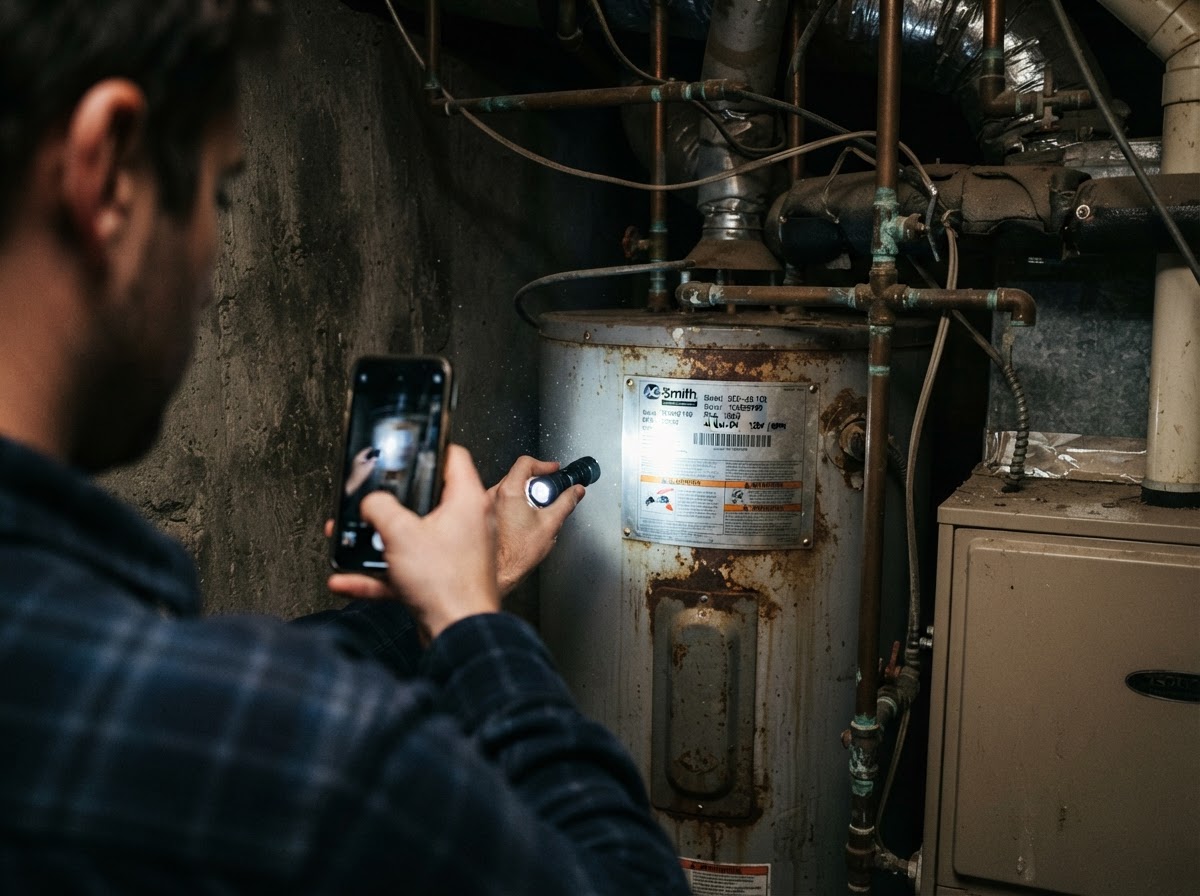
When a natural disaster damages your home, filing an insurance claim can be a stressful and time-consuming process. Without proper documentation, you risk losing out on full compensation for your possessions and property. The Federal Emergency Management Agency (FEMA) and Ready.gov both emphasize that preparing a detailed home inventory before a disaster is one of the most effective steps you can take to protect your finances and speed up claims.
What to Document
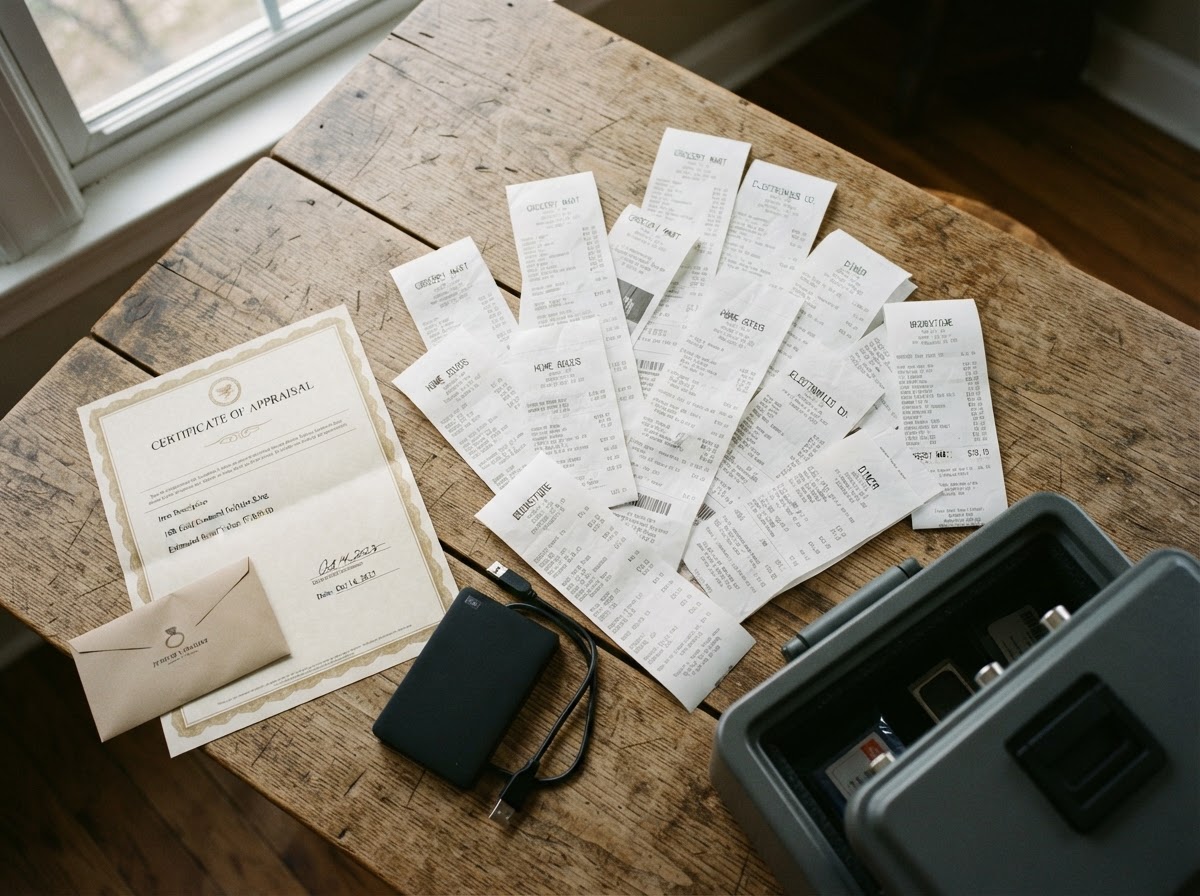
A complete home inventory should cover every room and include both structural elements and personal belongings. Group items by category for clarity:
- Structural features: Flooring, countertops, cabinets, built-in appliances, doors, windows, and fixtures.
- Electronics: TVs, computers, tablets, phones, gaming consoles, and chargers.
- Major appliances: Refrigerator, washer/dryer, dishwasher, oven, microwave, and water heater.
- Furniture: Sofas, beds, tables, chairs, bookshelves, and desks.
- Clothing and personal items: All clothing, shoes, jewelry, watches, and accessories.
- Kitchen items: Pots, pans, utensils, dishes, small appliances, and pantry goods.
- Medical and safety equipment: First aid kits, fire extinguishers, smoke detectors, and assistive devices.
- Valuables and collectibles: Artwork, antiques, musical instruments, firearms, and coins. These may require separate policies or riders.
- Outdoor and garage items: Lawn equipment, tools, bicycles, sports gear, and vehicles (note: auto insurance is separate).
How to Document Effectively
Use a combination of written logs, photos, and videos to capture every detail. Follow these steps recommended by the National Oceanic and Atmospheric Administration (NOAA) and FEMA:
Create a Written Inventory
For each item, record the following:
- Description: Brand, model, color, and size.
- Purchase date: Approximate year if exact date unknown.
- Estimated value: Original cost or current replacement cost.
- Serial numbers: For electronics and appliances.
- Receipts or appraisals: Scan or photograph them and attach to your inventory.
Ready.gov’s home inventory guide provides a free printable checklist you can use.
Take Comprehensive Photos and Videos
Use a smartphone or digital camera. For best results:
- Wide shots: Photograph every room from multiple angles to show the overall layout and contents.
- Close-ups: Capture details like model numbers, serial numbers, and any damage or wear.
- Storage areas: Don’t forget closets, cabinets, pantries, attics, basements, and garages.
- Video walkthrough: Narrate as you record, mentioning item values and any special features.
- Include the outside: Photograph the exterior of your home, roof, landscaping, and detached structures (sheds, fences).
FEMA’s disaster assistance page notes that thorough documentation can also help if you apply for federal aid.
Store Documentation Safely
Original documents can be destroyed in a disaster. Keep copies in multiple secure locations:
- Cloud storage: Use services like Google Drive, Dropbox, or iCloud. Ready.gov recommends storing digital copies off-site.
- External hard drive: Store in a fireproof and waterproof safe, or give a copy to a trusted relative.
- Paper copy: Keep a physical inventory with receipts in a fireproof safe. Alternatively, store it in a safety deposit box at a bank.
Update Your Inventory Regularly
Life changes, and so does your home’s contents. Review and update your inventory at least once a year, or after major purchases (e.g., a new TV or furniture). Major life events like a renovation, marriage, or birth of a child are also good triggers to update. The Centers for Disease Control and Prevention (CDC) also advises keeping emergency documents updated as part of overall emergency preparedness.
Additional Tips for Seamless Claims
- Understand your policy: Know what is covered (replacement cost vs. actual cash value) and what is excluded (e.g., flood damage requires separate flood insurance). The National Flood Insurance Program (NFIP) offers separate policies for flood-prone areas.
- Keep a copy of your insurance policy with your inventory. Include agent contact info and policy number.
- Consider using a smartphone app designed for home inventories. Many allow you to scan barcodes, track values, and store photos. Examples include Sortly, Home Contents Inventory, and Encircle.
- If you already have documentation but it’s outdated, update it now—don’t wait until a storm is forecast.
Conclusion
Taking a few hours now to document your home can save you weeks of stress and thousands of dollars after a disaster. Your future self—and your insurance adjuster—will thank you. Start your inventory today with Ready.gov’s free worksheet and ensure you’re prepared before the next storm, wildfire, or earthquake strikes.
About our guidance
Our guides are grounded in publicly available information from official sources such as FEMA, NOAA, USGS and Ready.gov. Information is general in nature — always verify details for your specific property and policy with official sources and your insurer.
Related guides
 InsuranceLender-Placed Flood Insurance: The Expensive Backup If Your Policy LapsesYour lender can force-place flood insurance if your policy lapses — and bill you for it, usually at a higher price. Here is how…Oct 15, 2026Read guide →
 InsuranceWhat Happens to Your NFIP Policy If Congress Lets the Program LapseCongress extended the NFIP through December 11, 2026. If the program lapses, existing policies stay in force and claims get paid…Oct 15, 2026Read guide →
 InsuranceExcess Flood Insurance: Coverage Above NFIP's $250,000 LimitThe NFIP caps flood coverage at $250,000 for the building and $100,000 for contents. If your home would cost more to rebuild,…Oct 15, 2026Read guide →