
Does Homeowners Insurance Cover Hurricane Damage?
4 min read
On this page
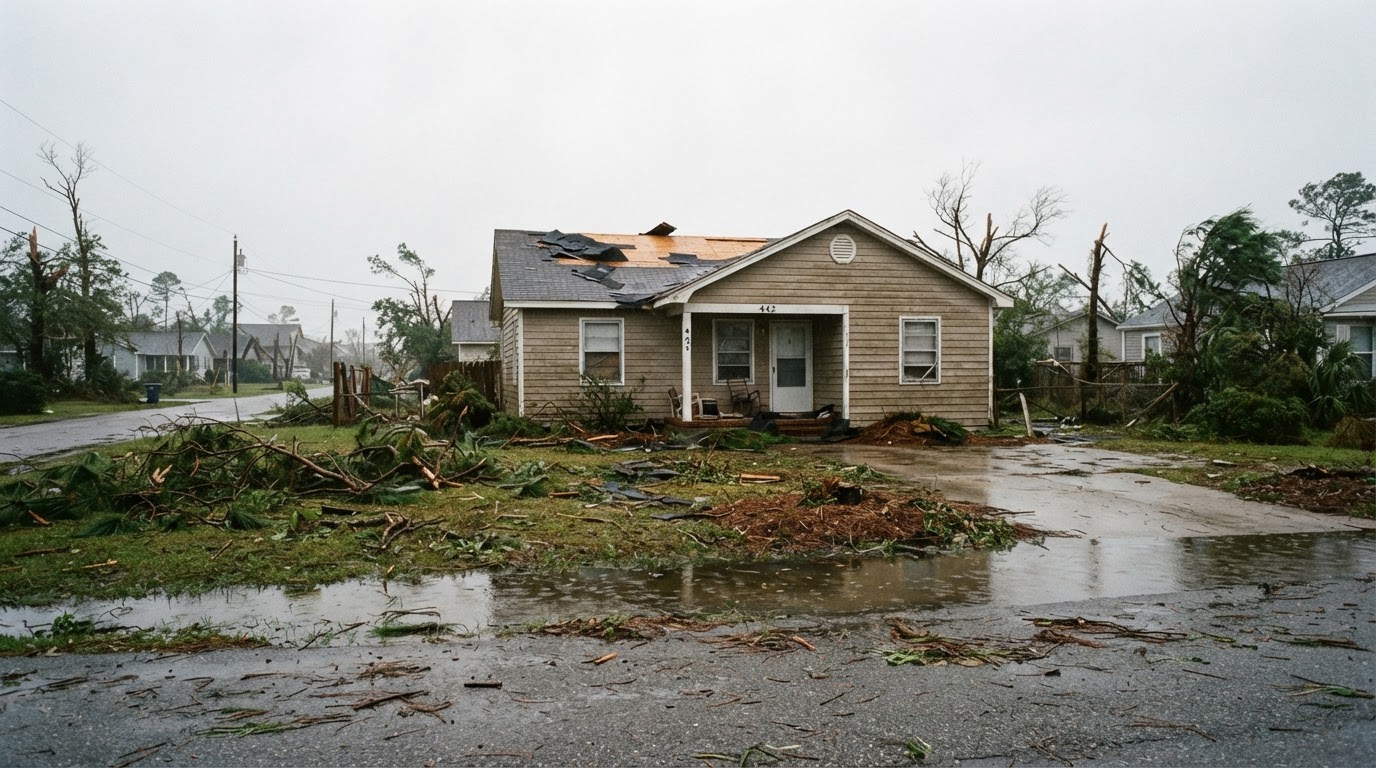
Hurricanes bring both wind and water damage, but standard homeowners policies treat them differently. Learn what's covered, what's not, and how to protect your home.
Understanding Hurricane Damage Coverage
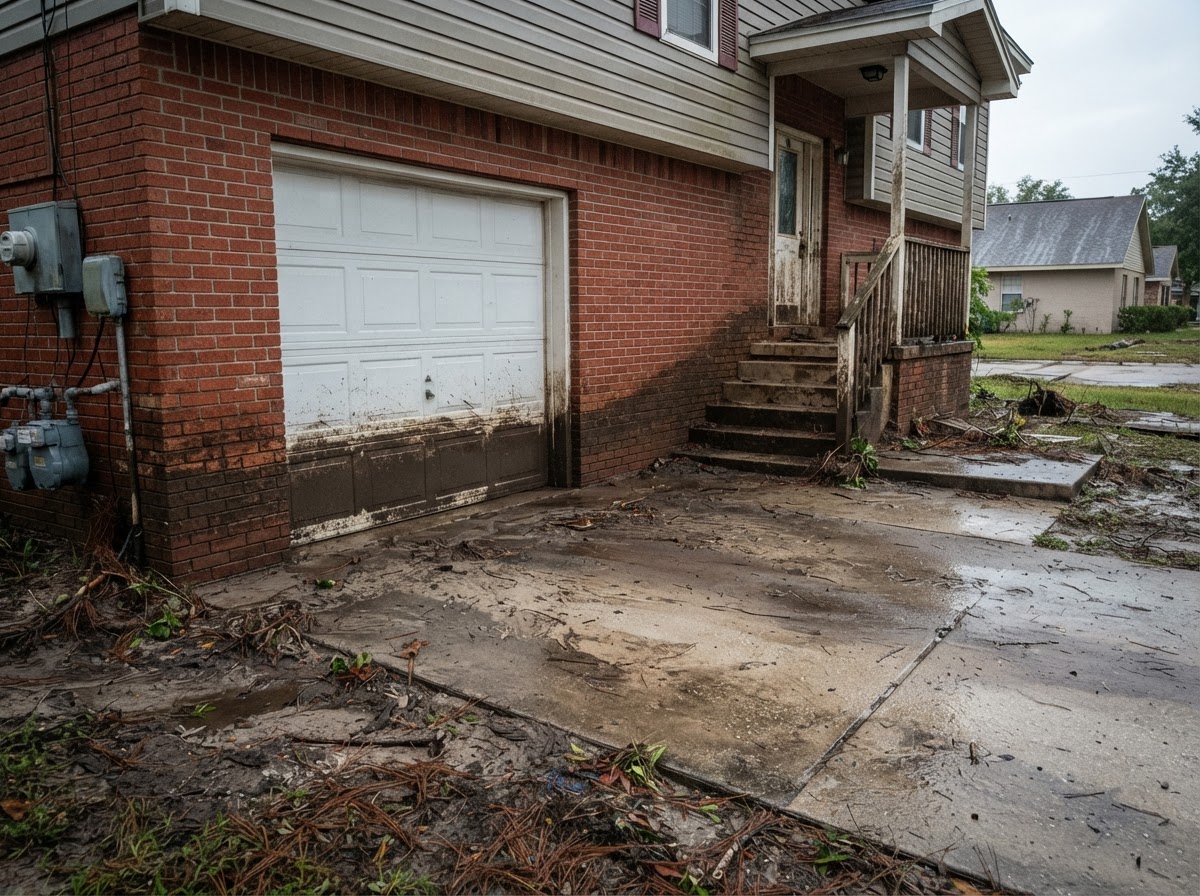
When a hurricane strikes, the damage to your home can come from two main sources: high winds and flooding. Standard homeowners insurance policies typically cover wind damage but exclude flood damage. This distinction is critical because hurricane-related flooding, including storm surge, is not covered under a standard policy. You need a separate flood insurance policy—usually through the National Flood Insurance Program (NFIP) or a private insurer—to protect against flood losses.
What Homeowners Insurance Covers
Standard homeowners insurance (HO-3, HO-5, etc.) generally covers damage from wind, including hurricanes, as long as the policy includes wind coverage. Covered perils often include:
- Windstorm damage to the structure (roof, siding, windows).
- Damage from fallen trees or debris.
- Personal property damaged by wind (e.g., furniture, electronics).
- Additional living expenses if your home is uninhabitable due to covered damage.
However, many policies in hurricane-prone states have a separate hurricane deductible, which is a percentage (e.g., 2%–5%) of your home’s insured value instead of a flat dollar amount. This deductible applies only to hurricane-related wind claims and can significantly increase your out-of-pocket costs. Check your policy declarations page to see if a hurricane deductible applies.
What Homeowners Insurance Does NOT Cover
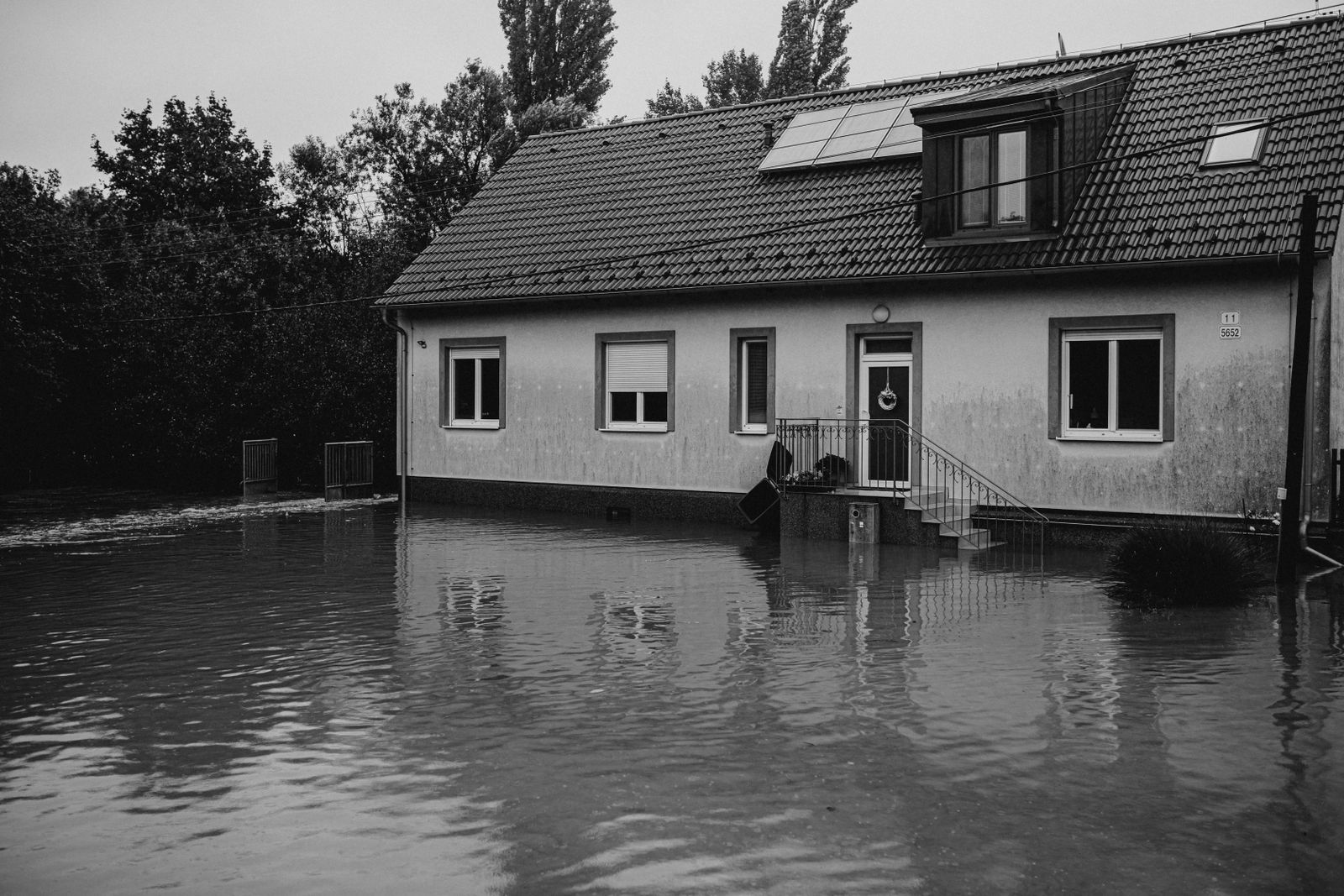
Flood damage is almost always excluded from standard homeowners policies. This includes damage from:
- Storm surge (ocean water pushed inland by hurricane winds).
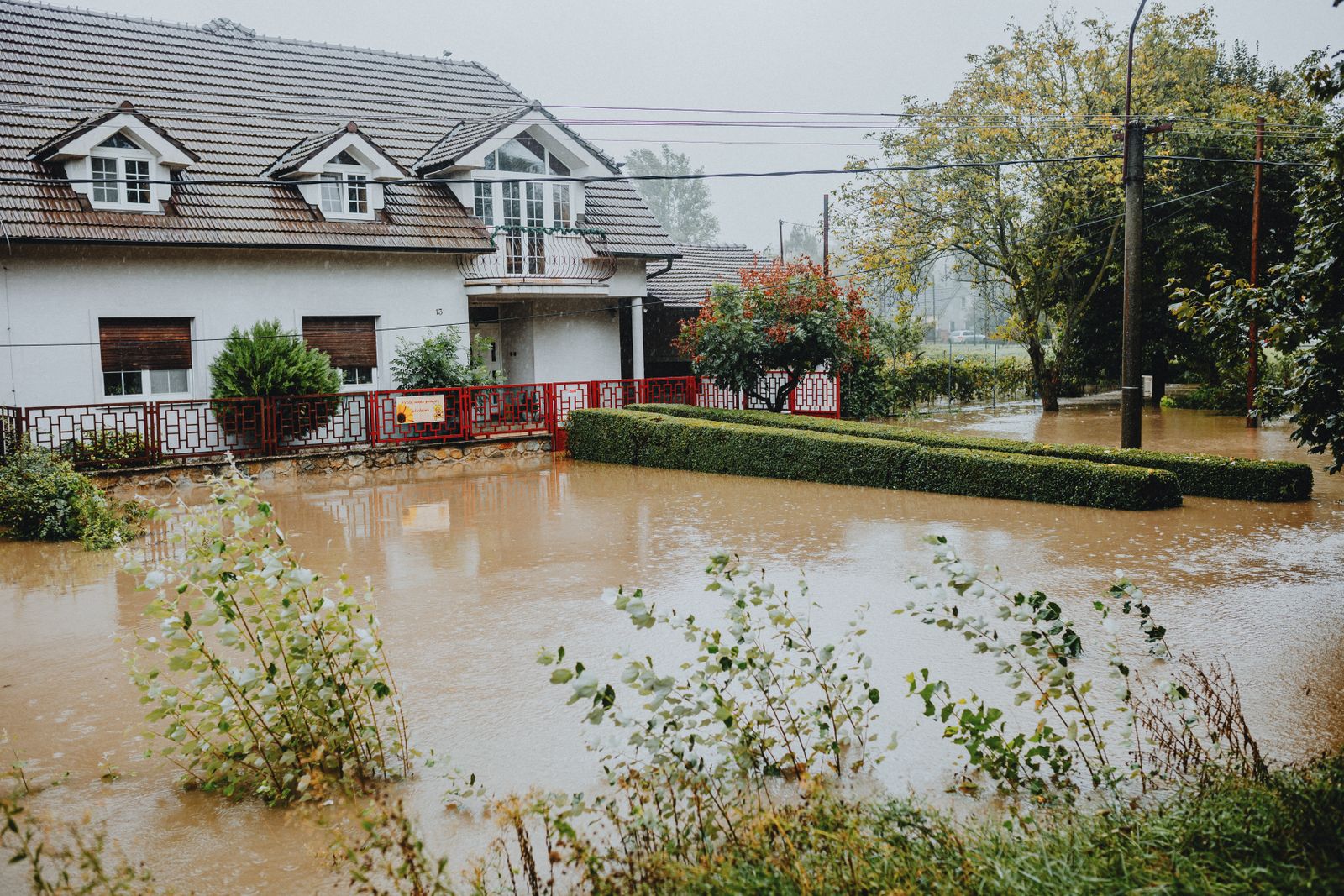
- Heavy rain that causes rising water or overflowing rivers.
- Flash flooding from intense rainfall.
Even if wind and flood happen during the same storm, only the wind damage is covered under your homeowners policy. Water damage from rain entering through a wind-damaged roof may be covered, but flood water seeping into your home is not. According to FEMA, just one inch of floodwater can cause $25,000 in damage, yet most homeowners lack flood insurance.
Special Considerations for Coastal and High-Risk Areas
If you live in a coastal area or a region prone to hurricanes, your homeowners insurance may have additional restrictions. Some insurers exclude wind coverage altogether in high-risk zones, requiring a separate windstorm policy (often from a state-run “beach pool” or “wind pool”). For example, North Carolina’s Insurance Underwriting Association offers wind coverage for coastal residents who can’t get it on the private market. Similarly, Texas has the Texas Windstorm Insurance Association.
What About Named Storm Deductibles?
Many insurance policies include a “named storm deductible” that applies when a hurricane is declared a named storm by the National Weather Service. This deductible can be a flat dollar amount or a percentage of your home’s insured value. It often replaces your standard all-peril deductible for hurricane-related wind claims. Ready.gov recommends reviewing your policy now to understand how deductibles work and whether you have flood insurance.
Flood Insurance: A Separate Necessity
The only way to protect your home from hurricane flood damage is with flood insurance. The National Flood Insurance Program (NFIP), managed by FEMA, offers policies for homeowners in participating communities. Private flood insurance is also available. Flood insurance covers the structure (building coverage) and belongings (contents coverage). There is typically a 30-day waiting period before coverage takes effect, so don’t wait until a storm is approaching. Learn more at FloodSmart.gov.
Steps to Take After a Hurricane
After a hurricane, document all damage thoroughly and contact your insurance company promptly. Follow these tips from Ready.gov and the Insurance Information Institute:
- Ensure safety – Avoid downed power lines, standing water, and damaged structures.
- Document damage – Take photos and videos of all damage before any cleanup.
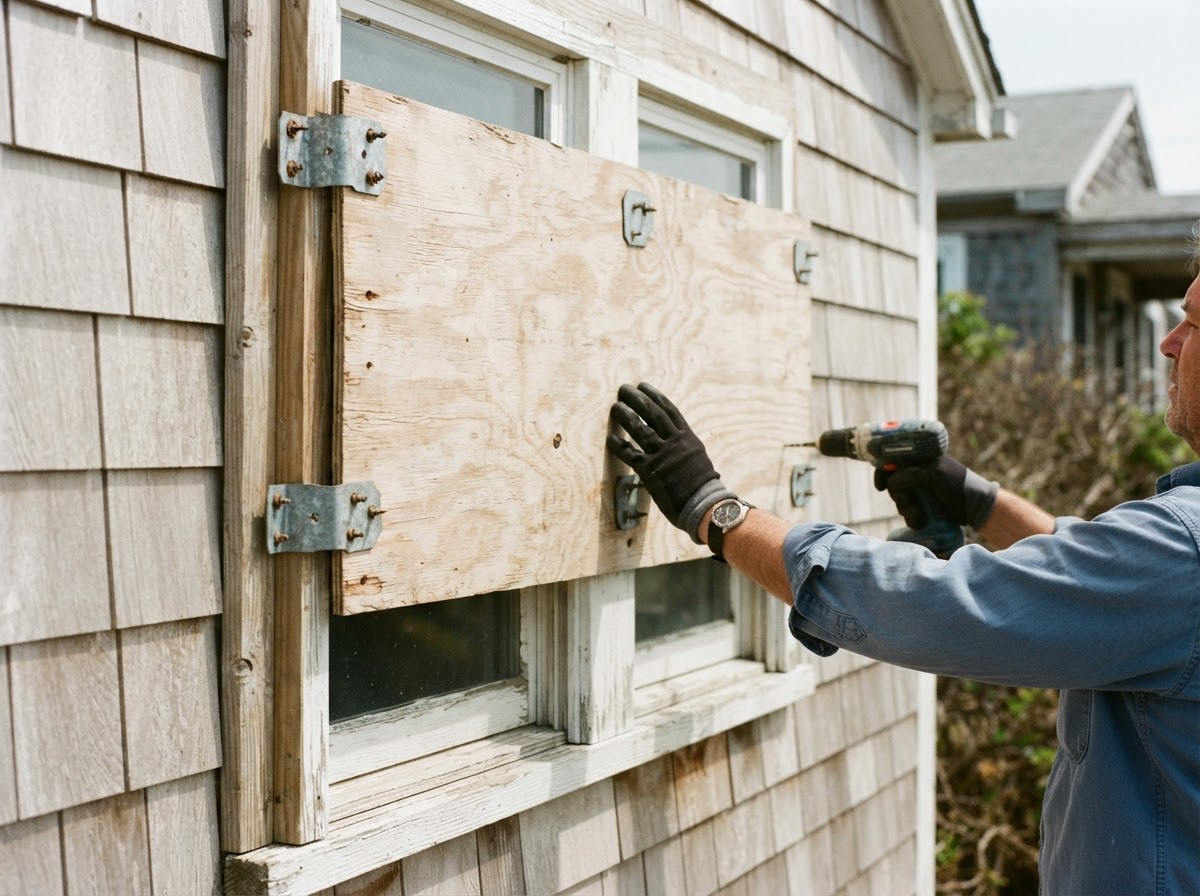
- Make temporary repairs – Cover broken windows with tarps to prevent further damage. Keep receipts for materials.
- File your claim – Call your insurer as soon as possible. Provide your policy number and details of the damage.
- Keep records – Maintain a log of all communications with your insurance company.
Actionable Conclusion
Hurricane damage is complex because it blends wind and water perils. To ensure you’re protected: review your homeowners policy, understand your hurricane deductible, and purchase a separate flood insurance policy well before storm season. Visit FEMA’s flood insurance page or call your insurance agent to fill any gaps. Preparedness today can save you thousands tomorrow.
About our guidance
Our guides are grounded in publicly available information from official sources such as FEMA, NOAA, USGS and Ready.gov. Information is general in nature — always verify details for your specific property and policy with official sources and your insurer.
Related guides
 InsuranceLender-Placed Flood Insurance: The Expensive Backup If Your Policy LapsesYour lender can force-place flood insurance if your policy lapses — and bill you for it, usually at a higher price. Here is how…Oct 15, 2026Read guide →
 InsuranceWhat Happens to Your NFIP Policy If Congress Lets the Program LapseCongress extended the NFIP through December 11, 2026. If the program lapses, existing policies stay in force and claims get paid…Oct 15, 2026Read guide →
 InsuranceExcess Flood Insurance: Coverage Above NFIP's $250,000 LimitThe NFIP caps flood coverage at $250,000 for the building and $100,000 for contents. If your home would cost more to rebuild,…Oct 15, 2026Read guide →