
Does Renters Insurance Cover Natural Disasters?
4 min read
On this page
Renters insurance provides essential protection for your belongings and liability after a disaster, but coverage varies by peril. Learn which natural disasters are typically covered, which are excluded, and how to fill the gaps with…
Understanding Renters Insurance and Natural Disasters
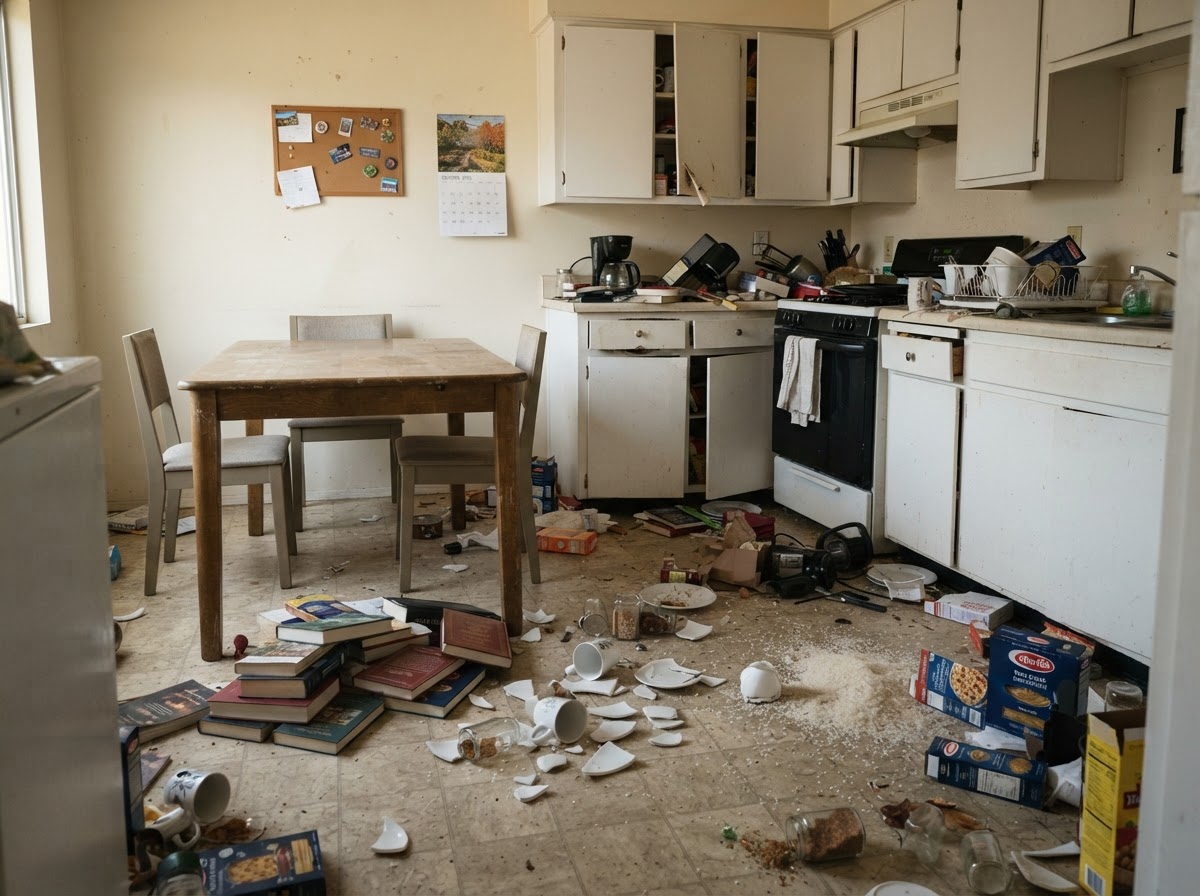
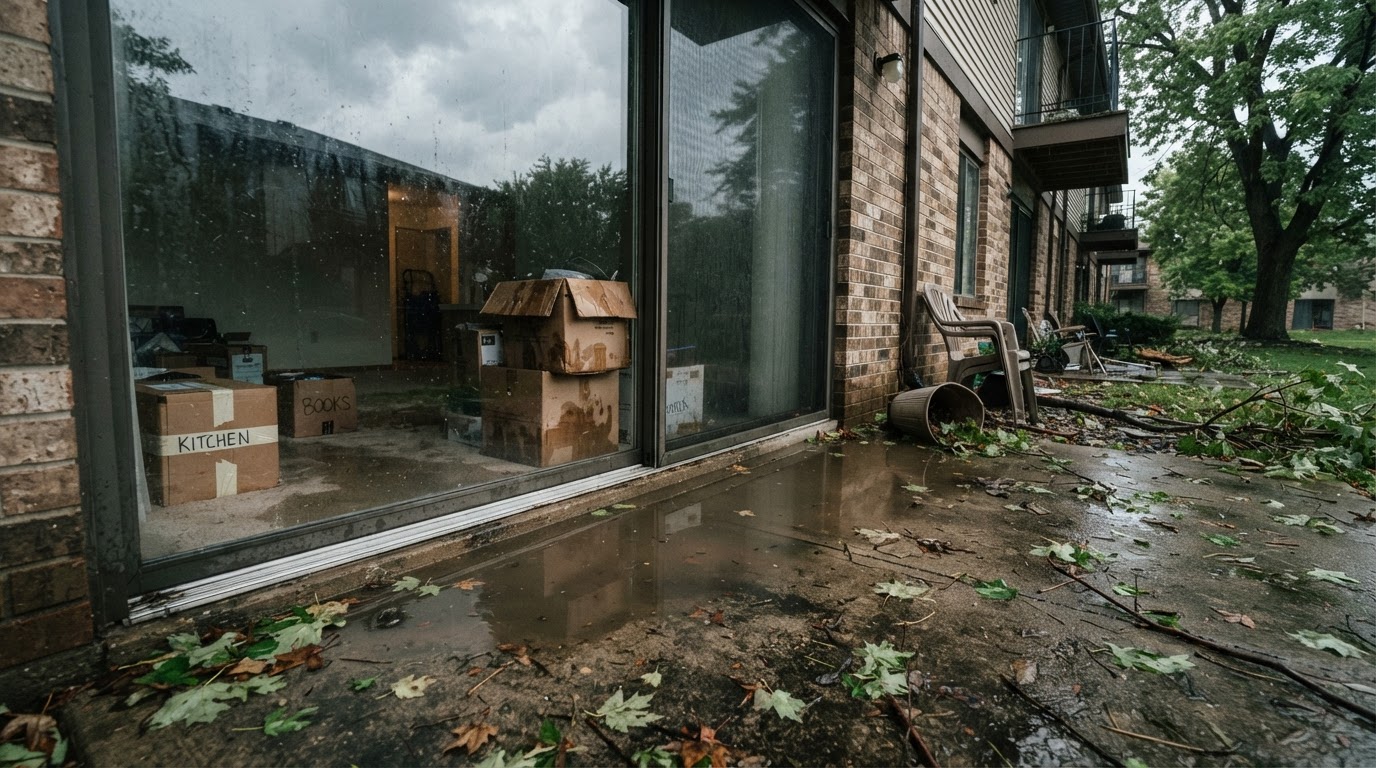
Renters insurance is designed to protect your personal property and provide liability coverage in case of unexpected events. However, when it comes to natural disasters, coverage depends entirely on the specific peril. Standard renters policies usually cover some natural disasters but explicitly exclude others. This article explains what is and isn’t covered, and how you can protect yourself from all major hazards.
What Natural Disasters Are Typically Covered?

Standard renters insurance policies (HO-4) generally cover damage from the following natural events:
- Fire – including wildfires.
- Windstorm – hurricanes, tornadoes, and straight‑line winds.
- Hail – damage from hail is usually included.
- Lightning – strikes that cause fire or power surges.
- Volcanic eruption – ash, lava, and blast damage are covered (except earthquake).
- Smoke – damage from smoke, including from wildfires.
- Explosion – gas leaks or other explosions often covered.
These perils are typically “named perils” in your policy, meaning only those listed are covered. Check your policy’s “Covered Perils” section to confirm. For example, Ready.gov advises renters to review their policy and understand what is included.
Natural Disasters Usually NOT Covered by Renters Insurance
Standard renters policies almost always exclude these hazards:
- Flood – rising water from heavy rain, storm surge, overflowing rivers, or flash floods.
- Earthquake – ground shaking and subsequent damage.
- Landslide or mudslide – earth movement is excluded.
- Sinkhole – collapse of land into underground cavities.
- Tsunami – waves caused by earthquake or volcanic activity.
- Mold or mildew – often excluded unless caused by a covered peril (e.g., water from a burst pipe).
These exclusions exist because the risk is often geographically concentrated and requires separate underwriting. The Federal Emergency Management Agency (FEMA) notes that flooding is the most common natural disaster in the U.S. yet is not covered by standard renters or homeowners policies.
How to Get Coverage for Excluded Disasters
Flood Insurance
Flood insurance is available through the National Flood Insurance Program (NFIP) administered by FEMA. Renters can purchase a policy to cover their personal belongings up to $100,000. The policy also pays for up to $20,000 in “clean‑up” costs (e.g., debris removal). Even if you don’t live in a high‑risk flood zone, flooding can occur anywhere due to heavy rainfall or inadequate drainage. Check your flood risk at FloodSmart.gov.
Earthquake Insurance
Earthquake coverage is typically sold as a separate policy or endorsement from private insurers. In states like California, the California Earthquake Authority (CEA) offers policies. Coverage includes damage to personal property, additional living expenses, and sometimes structural coverage (though renters don’t need that for the building). Deductibles are usually high (10–20% of the coverage limit).
Other Exclusions
For mudslides, landslides, tsunamis, and sinkholes, coverage is rare but may be available through specialized insurers or as endorsements. Most experts recommend focusing on flood and earthquake insurance as the most common gaps.
What Else Does Renters Insurance Cover?
Beyond damage to your belongings (personal property), renters insurance provides:
- Additional Living Expenses (ALE) – if your rental becomes uninhabitable due to a covered disaster, ALE pays for hotel stays, restaurant meals, and other extra costs. This is often limited to a percentage of your personal property coverage and a time limit (e.g., 12 months).
- Personal Liability – if a guest is injured in your home or you accidentally damage someone else’s property, liability coverage can pay for legal fees and judgments. This applies to many disaster‑related scenarios, such as a tree falling on a neighbor’s car (if wind was the cause).
- Medical Payments to Others – small medical bills for guests injured on your property, regardless of fault.
Remember: ALE and liability only apply if the event is a covered peril. For example, if a flood forces you out, ALE won’t pay unless you added flood coverage.
Steps to Ensure You’re Properly Covered
- Review your policy’s “Declarations Page” and “Covered Perils” section. Understand what is and isn’t included.
- Assess your local natural hazards. Use FEMA’s hazard maps or the National Risk Index to see which disasters are likely in your area.
- Talk to your insurance agent about flood and earthquake coverage. Ask about deductibles and limits.
- Create a home inventory – document your belongings with photos, receipts, or video. This helps when filing a claim.
- Update your policy annually to reflect new purchases and changes in your living situation.
Conclusion
Renters insurance covers many natural disasters like fire, wind, and hail, but it excludes floods, earthquakes, and earth movement. For complete protection, add a separate flood policy from the NFIP and consider earthquake insurance if you live in a seismic zone. Always review your policy with a qualified agent and check official sources like Ready.gov for preparedness tips. Taking these steps ensures that when a natural disaster strikes, you can recover quickly without financial ruin.
About our guidance
Our guides are grounded in publicly available information from official sources such as FEMA, NOAA, USGS and Ready.gov. Information is general in nature — always verify details for your specific property and policy with official sources and your insurer.
Related guides
 InsuranceLender-Placed Flood Insurance: The Expensive Backup If Your Policy LapsesYour lender can force-place flood insurance if your policy lapses — and bill you for it, usually at a higher price. Here is how…Oct 15, 2026Read guide →
 InsuranceWhat Happens to Your NFIP Policy If Congress Lets the Program LapseCongress extended the NFIP through December 11, 2026. If the program lapses, existing policies stay in force and claims get paid…Oct 15, 2026Read guide →
 InsuranceExcess Flood Insurance: Coverage Above NFIP's $250,000 LimitThe NFIP caps flood coverage at $250,000 for the building and $100,000 for contents. If your home would cost more to rebuild,…Oct 15, 2026Read guide →