
Drought and Your Home: Foundation Cracks, Soil, and Water Restrictions
3 min read
On this page
Drought doesn't just dry up your lawn—it can cause soil shrinkage that leads to costly foundation cracks. Learn how to spot damage, navigate water restrictions, and protect your home with expert-backed advice.
How Drought Affects Soil and Your Foundation
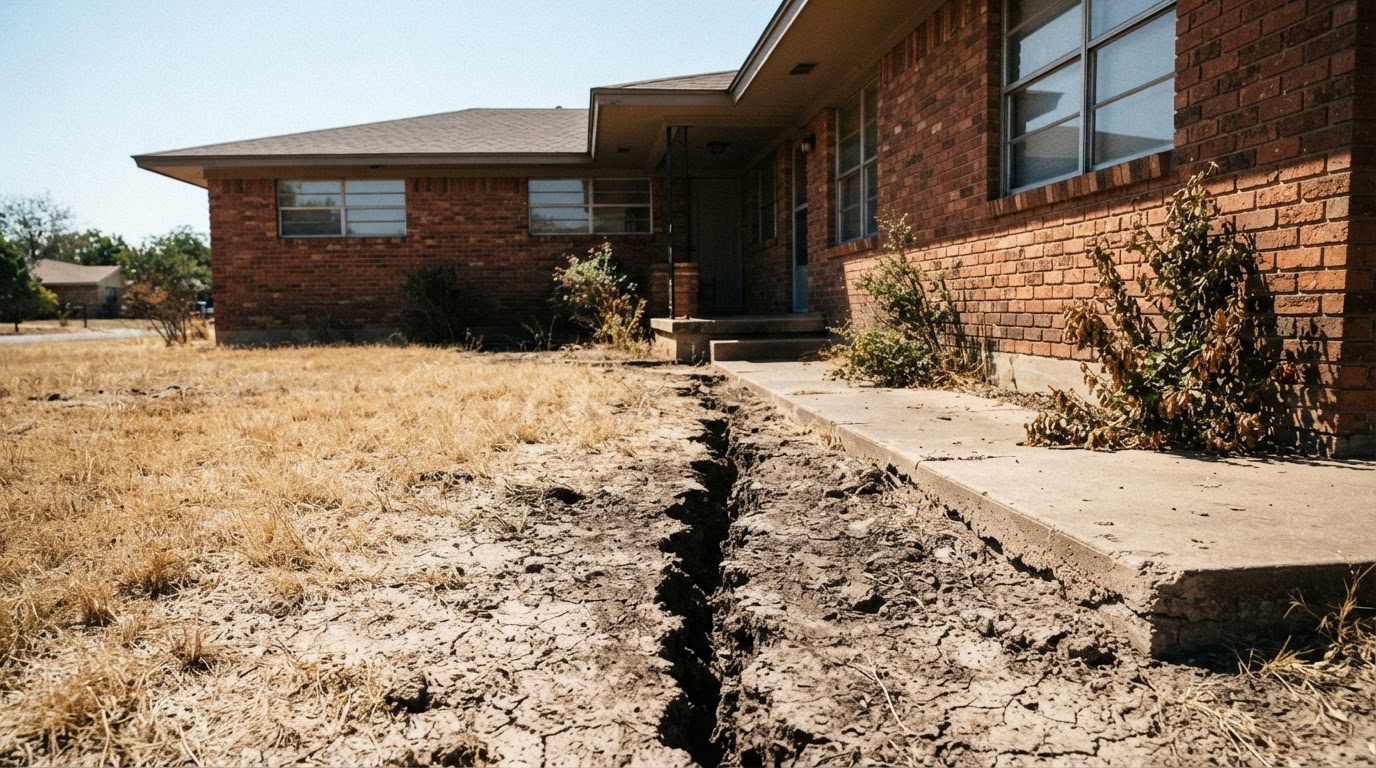
During prolonged drought, the soil beneath your home loses moisture and shrinks. This is especially problematic in areas with expansive clay soils, which can contract significantly when dry. According to the U.S. Geological Survey (USGS), shrinking soils can cause the ground to pull away from your foundation, leading to differential settlement and structural stress. The effect is most pronounced in states like Texas, California, and the Southeast, where clay soils are common.
Signs of Foundation Damage from Drought
Be vigilant for these warning signs, which may appear gradually as the soil dries:
- New or widening cracks in interior walls, especially around doors and windows
- Uneven gaps between floorboards or tiles
- Doors or windows that stick, jam, or no longer latch properly
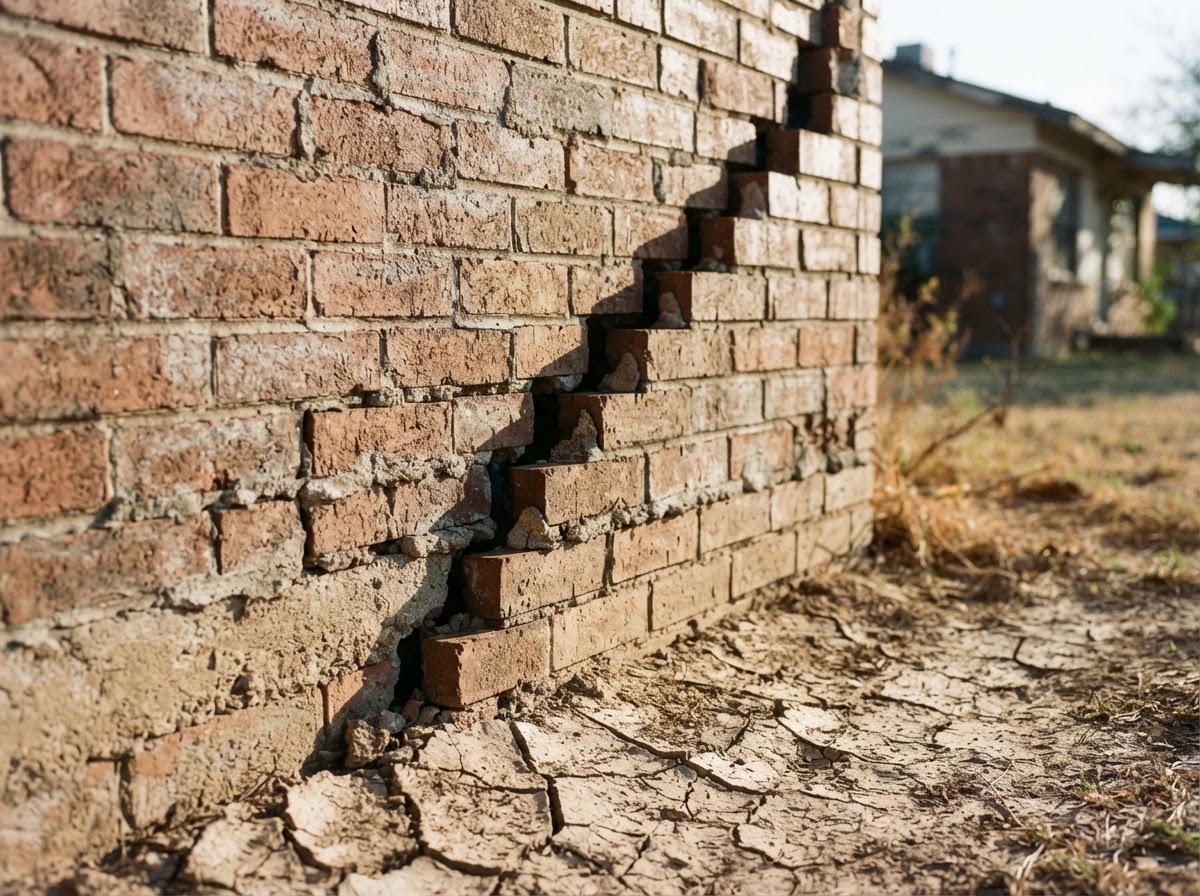
- Cracks in exterior brick or stucco, often in a stair-step pattern
- Separation around garage door frames
The Ready.gov website notes that drought can affect building foundations, and homeowners should inspect for visible damage regularly. If you notice any of these signs, consult a structural engineer or foundation specialist.
Water Restrictions During Drought
When drought conditions worsen, local water utilities often impose restrictions to conserve supplies. Common measures include:
- Limiting outdoor watering to specific days and times (e.g., twice a week)
- Banning or restricting lawn irrigation, car washing, and pool filling
- Encouraging use of drought-tolerant landscaping (xeriscaping)
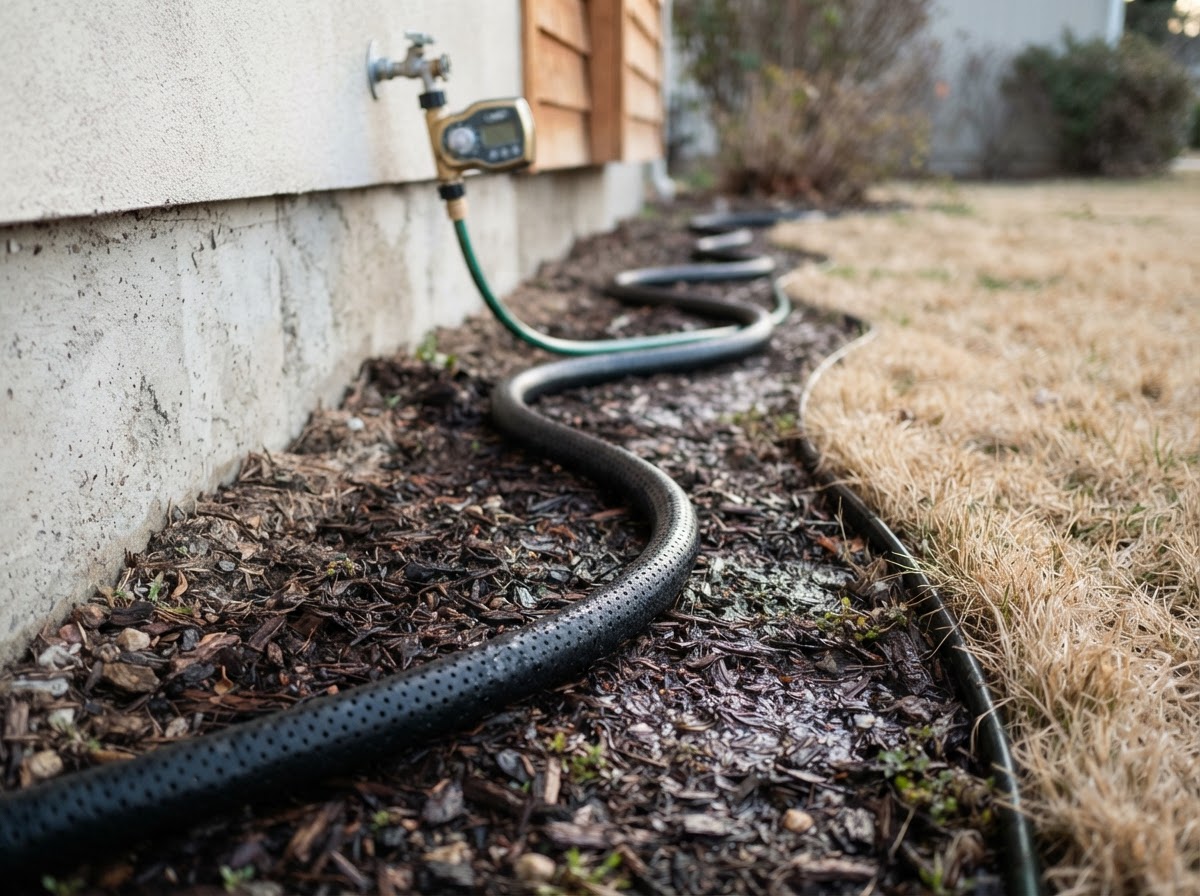
Check with your local water provider or state emergency management agency for current rules. During restrictions, focus on preserving trees and shrubs first—they have deep roots and are costly to replace. Use a soaker hose or drip irrigation to target root zones efficiently, and apply mulch to retain soil moisture.
Mitigating Foundation Risks
You can reduce drought-related foundation damage without violating water restrictions:
- Maintain consistent soil moisture around the foundation. Use a soaker hose placed 12–18 inches away from the foundation, running for a few hours once a week (if allowed).
- Apply organic mulch (e.g., wood chips) 2–3 inches deep around the perimeter to slow evaporation and moderate soil temperature.
- Improve drainage away from the foundation by grading soil and extending downspouts at least 5 feet from the house.
- Avoid planting water-hungry trees near the foundation; their roots can extract moisture unevenly.
- Install a rain barrel (where legal) to capture rainwater for targeted use during non-restriction hours.
The FEMA publication on drought and wildfire preparedness emphasizes that maintaining soil moisture around foundations is key to preventing cracks.
Preparing for Drought and Wildfire
Drought also raises the risk of wildfire. The CDC and Ready.gov recommend creating a defensible space by clearing dry vegetation near your home. Combine this with foundation care: avoid piling combustible mulch against siding, and keep plants well-hydrated (within water restrictions) to reduce fuel load.
Take Action Now
Don't wait for visible cracks to appear. Monitor your soil and foundation seasonally, especially before and after dry periods. By understanding how drought affects your home and following official guidance from USGS, FEMA, and local agencies, you can protect one of your biggest investments. For specific recommendations tailored to your region, contact your state emergency management office or cooperative extension service.
About our guidance
Our guides are grounded in publicly available information from official sources such as FEMA, NOAA, USGS and Ready.gov. Information is general in nature — always verify details for your specific property and policy with official sources and your insurer.
Related guides
 InsuranceLender-Placed Flood Insurance: The Expensive Backup If Your Policy LapsesYour lender can force-place flood insurance if your policy lapses — and bill you for it, usually at a higher price. Here is how…Oct 15, 2026Read guide →
 InsuranceWhat Happens to Your NFIP Policy If Congress Lets the Program LapseCongress extended the NFIP through December 11, 2026. If the program lapses, existing policies stay in force and claims get paid…Oct 15, 2026Read guide →
 InsuranceExcess Flood Insurance: Coverage Above NFIP's $250,000 LimitThe NFIP caps flood coverage at $250,000 for the building and $100,000 for contents. If your home would cost more to rebuild,…Oct 15, 2026Read guide →