
Earthquake Drills for Kids and Seniors: Drop, Cover, Hold On
4 min read
On this page
Learn how to practice 'Drop, Cover, and Hold On' with children and older adults. This guide provides step-by-step drills, modifications for mobility challenges, and tips to build muscle memory for every family member.
Why Practice Earthquake Drills?
Earthquakes strike without warning. Practicing the correct response—Drop, Cover, and Hold On—helps everyone react instantly, reducing injury. The U.S. Geological Survey (USGS) and FEMA agree that this simple action is the best way to protect yourself during an earthquake. But children and seniors may have unique needs. Tailored practice ensures they know exactly what to do.
Understanding the Basic Steps
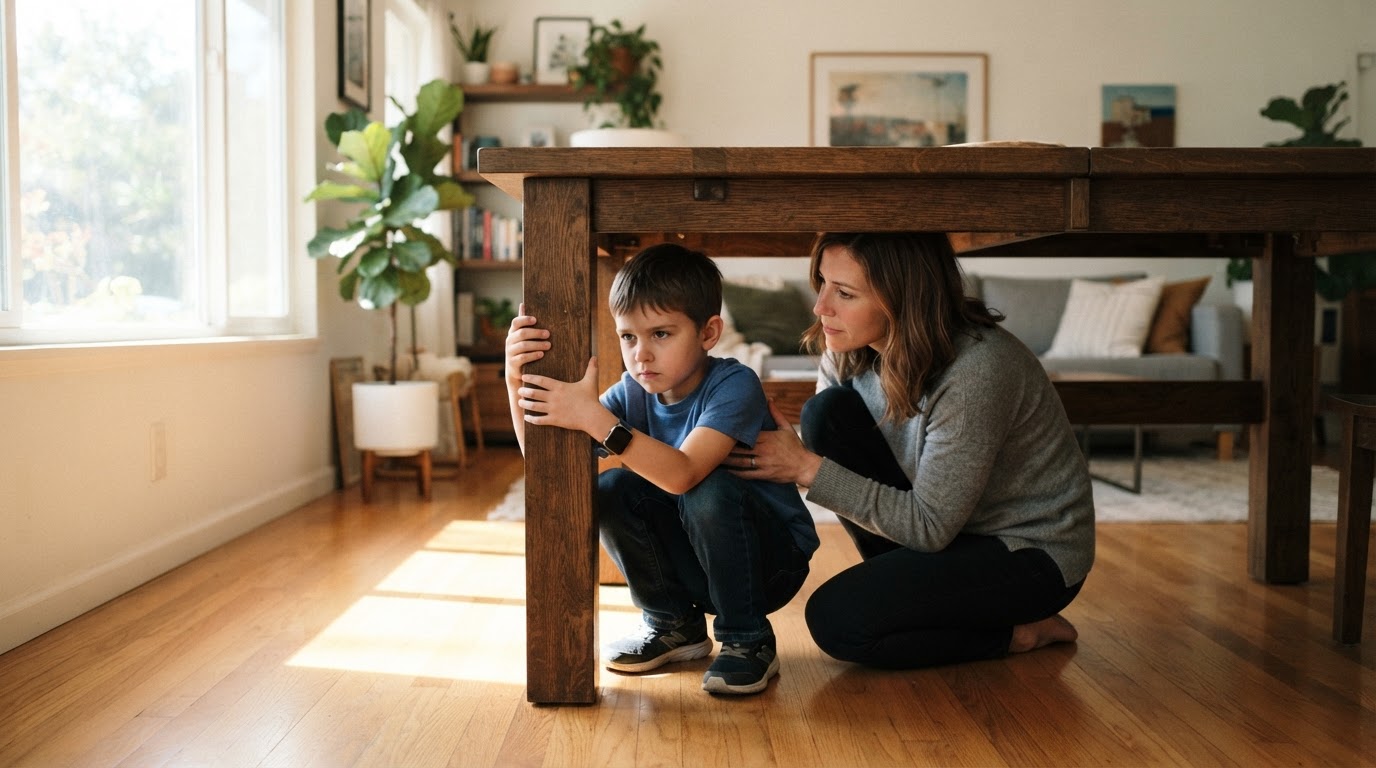
The national standard from Ready.gov is: Drop onto hands and knees, Cover your head and neck under a sturdy table or desk, and Hold On until shaking stops. If no cover is available, crawl to an interior wall away from windows and stay low.
How to Practice with Kids
Make it Fun and Frequent
Kids learn through repetition and play. Turn practice into a game: set a timer for a “surprise drill” or use a earthquake sound effect. Practice at different times of day—during meals, playtime, or bath time. The goal is to build muscle memory so they respond automatically.
Explain Why in Simple Terms
Use age-appropriate language. For young children, say: “The ground might shake like a giant’s footsteps. When that happens, we do turtle mode: drop down, cover our heads, and hold on tight until it stops.” For older kids, discuss the physics of earthquakes and why staying low prevents injury from falling objects.
Address Fears
Kids may feel scared. Reassure them that practicing helps them stay safe. Talk about how you will all find each other after the shaking stops. FEMA’s earthquake curriculum for PreK–2 offers ready-to-use activities.
Practice the Full Sequence
- Shout “Earthquake!” or use a signal.
- Immediately drop to hands and knees.
- Crawl to the nearest sturdy table, desk, or interior wall.
- Cover head and neck with arms; if under a table, hold the legs and move with it.
- Stay there for 60 seconds (simulate shaking).
- Have a post-drill check: “Is everyone okay? Where’s the safe spot?”
How to Practice with Seniors
Adapt for Mobility Limitations
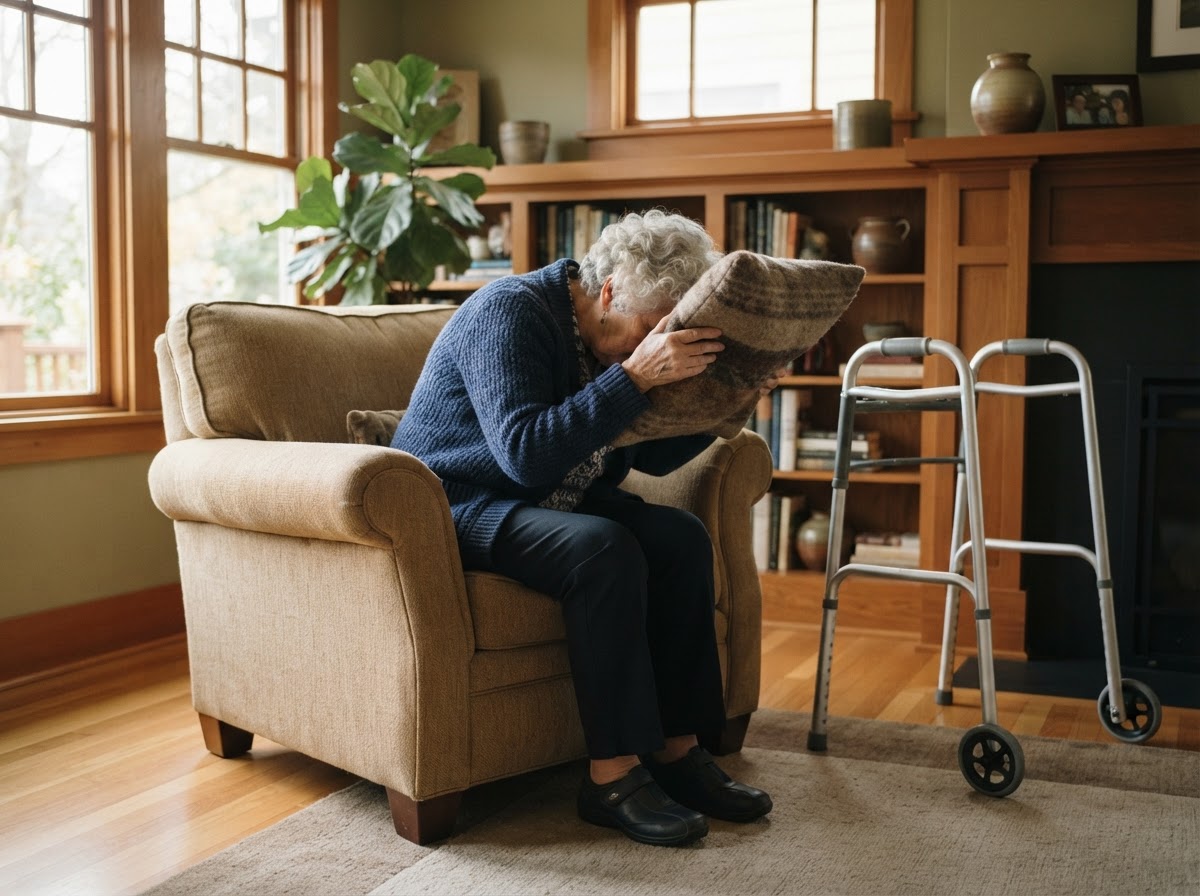
Seniors using walkers, canes, or wheelchairs cannot simply drop to the floor. The CDC offers guidance: stay seated if you cannot get down safely. Lock wheels if in a wheelchair, then bend over and cover your head and neck with your arms. If using a walker, sit down on the floor if possible, or lean against a sturdy wall and cover.
Identify Safe Spots in Advance
Walk through the home together and mark safe spots: inside corners, under heavy tables, or beside sturdy furniture that won’t tip. Avoid hazards like unsecured bookshelves or ceiling fans. For seniors with limited mobility, the safe spot should be within reach without having to stand or walk far.
Practice the Modified Drop, Cover, Hold On
- When shaking starts, do not try to walk—stay where you are.
- If standing and able, lower yourself to the ground using a chair for support.
- If seated, stay seated and bend forward, covering head and neck.
- Hold the position until shaking stops.
- For those who cannot bend, use a pillow or cushion against the head.
Address Medical Needs
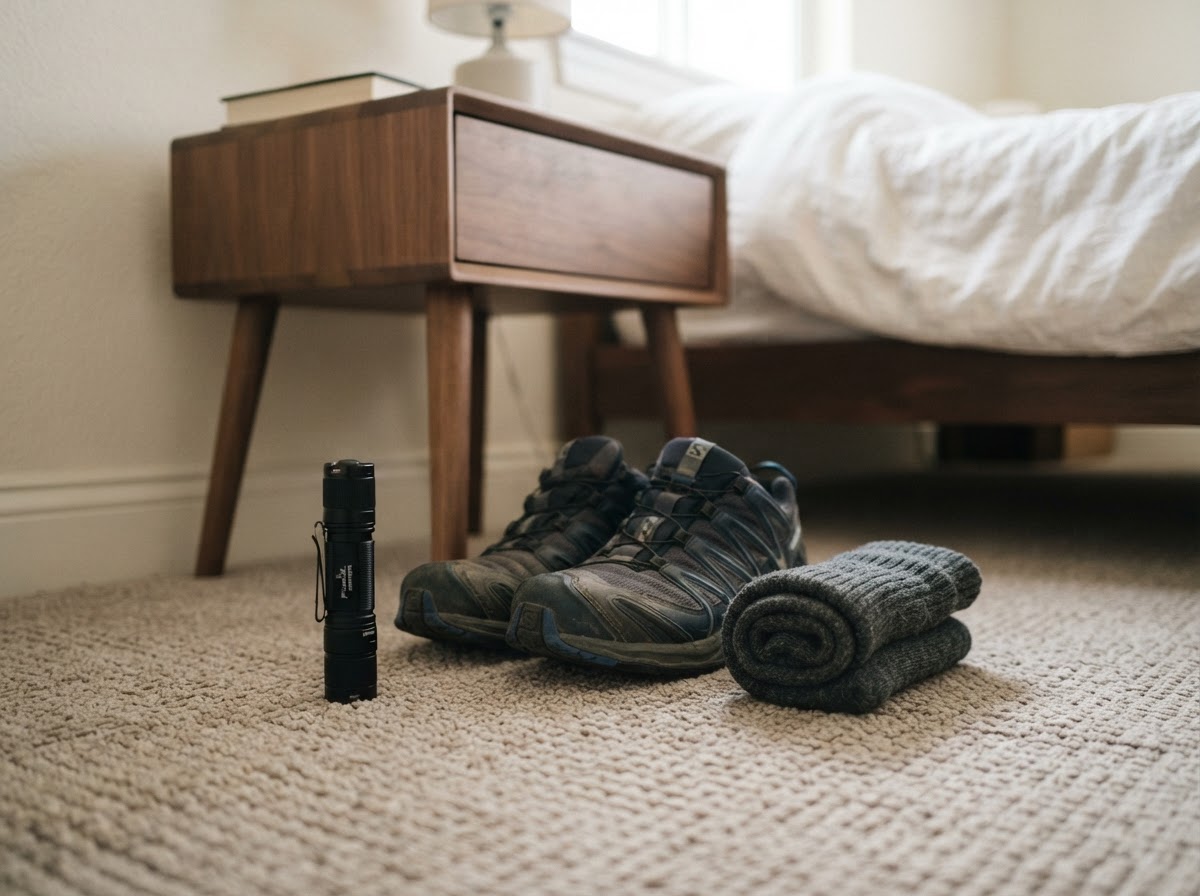
Keep a go-bag with medications, glasses, hearing aid batteries, and a list of medications near the bed. Practice how to access it after the shaking stops. Seniors with cognitive decline may need gentle reminders; practice regularly with simple cues.
Drills for Mixed Households
Practice together so everyone knows each other’s roles. Assign a “buddy” for seniors or young children. Use the Great ShakeOut drill as a free annual reminder—millions participate worldwide.
Create a Family Plan
Write down escape routes, meeting points, and emergency contacts. Post the plan in a central location. Include specific instructions for seniors who may need help moving after shaking stops. Review and update the plan every six months.
Conclusion
Earthquake preparedness is an ongoing habit. Practice “Drop, Cover, and Hold On” at least twice a year with your entire family, adjusting for kids’ size and seniors’ mobility. The few minutes you invest in drills can save lives. Start today—mark your calendar for the next practice and use the resources from FEMA’s Earthquake Risk Management for more tips.
About our guidance
Our guides are grounded in publicly available information from official sources such as FEMA, NOAA, USGS and Ready.gov. Information is general in nature — always verify details for your specific property and policy with official sources and your insurer.
Keep exploring
Related guides
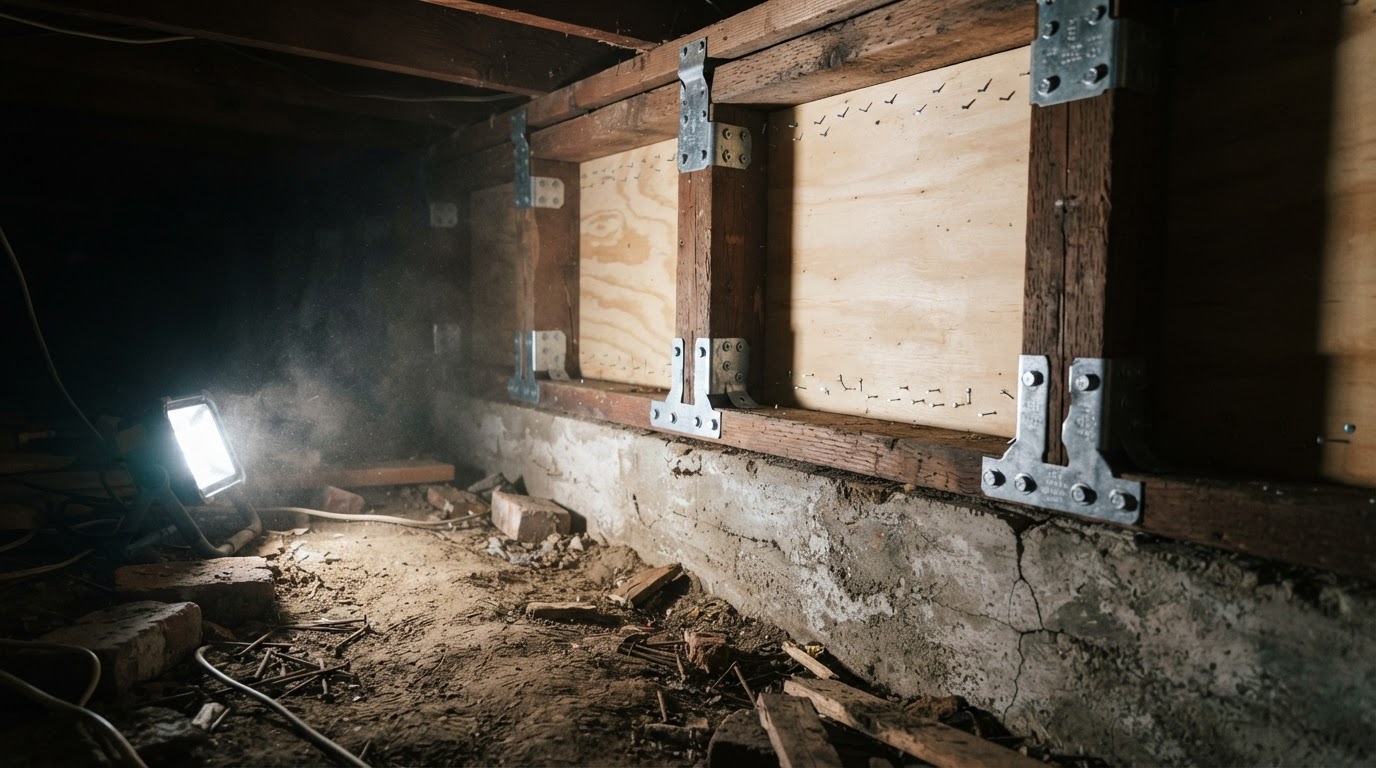 Cripple Wall Retrofit: Strengthen Your Home's Earthquake DefensesLearn how a cripple wall retrofit can prevent your older home from collapsing in an earthquake. Understand the basics, why it…Jun 21, 2026Read guide →
 How to Strap Your Water Heater for Earthquake SafetyLearn why securing your water heater is critical after an earthquake and get step-by-step instructions to strap it properly,…Jun 21, 2026Read guide →
 InsuranceLender-Placed Flood Insurance: The Expensive Backup If Your Policy LapsesYour lender can force-place flood insurance if your policy lapses — and bill you for it, usually at a higher price. Here is how…Oct 15, 2026Read guide →