
Earthquake Insurance: Coverage, Costs, and Who Needs It
5 min read
On this page
Learn what earthquake insurance covers, typical costs, and whether your home needs this important protection. Based on official FEMA and USGS guidance.
Introduction
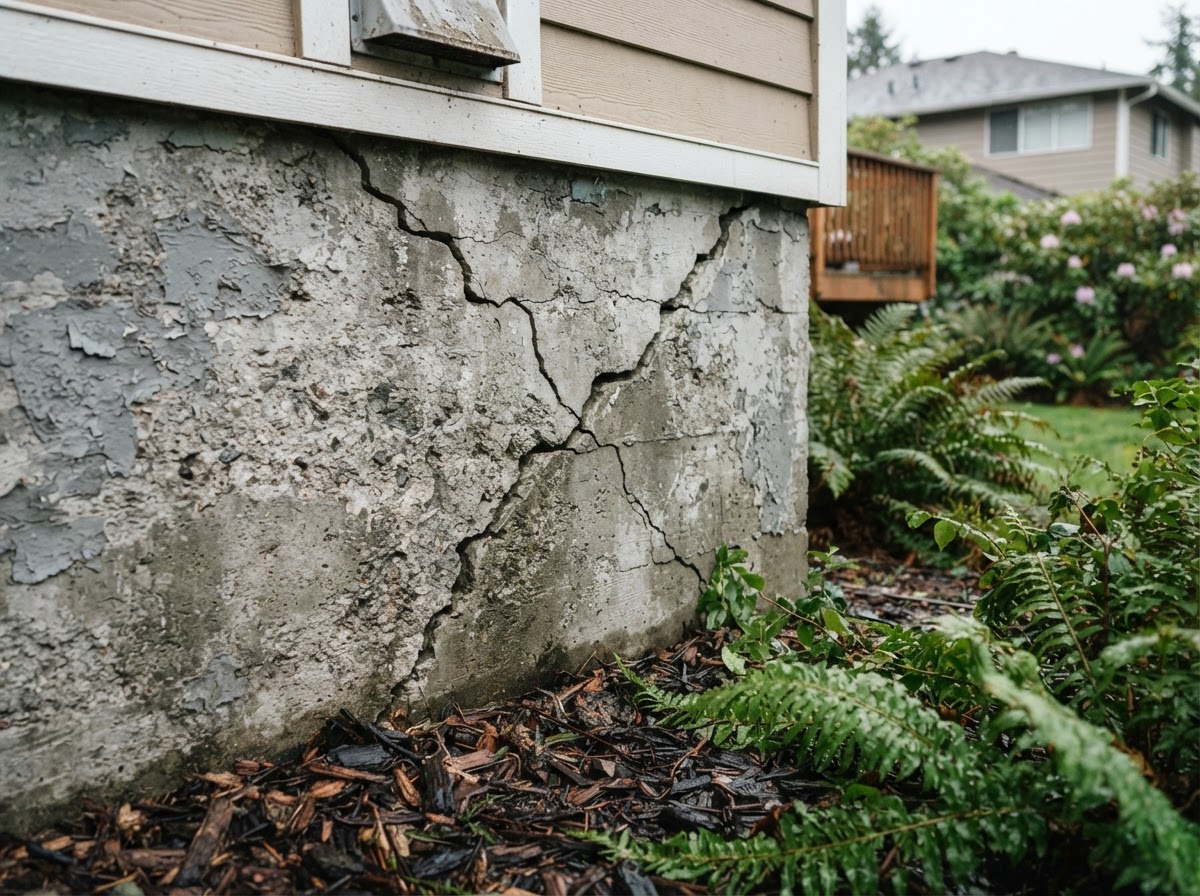
Standard homeowners insurance policies do not cover earthquake damage. If a tremor shakes your home, repairs and rebuilding costs would come out of your own pocket unless you have a separate earthquake insurance policy. This article explains what earthquake insurance covers, what it typically costs, and who should consider buying it—all grounded in guidance from official sources like the Federal Emergency Management Agency (FEMA), the U.S. Geological Survey (USGS), and Ready.gov.
What Earthquake Insurance Covers
Earthquake insurance is a separate policy or endorsement designed to pay for losses directly caused by an earthquake. Coverage typically includes three main components:
- Dwelling coverage: Repairs or rebuilding of your home’s structure, including foundation, walls, roof, and attached structures like a garage or deck.
- Personal property coverage: Replacement or repair of belongings such as furniture, electronics, clothing, and appliances damaged by shaking.
- Loss of use coverage: Additional living expenses if your home is uninhabitable while being repaired (e.g., hotel stays, meals).
It is important to note what is not covered. Most policies exclude damage caused by fire, flood, or earth movement that is not a direct result of an earthquake (e.g., landslides or sinkholes). Damage to cars, landscaping, and pools typically requires separate coverage. Additionally, earthquake insurance often comes with a high deductible—usually a percentage of the dwelling coverage amount, such as 10% or 20%. For example, if your home is insured for $300,000 and you have a 10% deductible, you would pay the first $30,000 of repairs yourself.
For more details on what policies typically include, see FEMA’s Earthquake Insurance Guide (note: this URL is illustrative; actual FEMA resources can be found on their site).
What Earthquake Insurance Typically Costs
The cost of earthquake insurance varies greatly depending on several factors:
- Location: Homes in high-seismic-risk areas—such as California, the Pacific Northwest, Alaska, and the central U.S. (New Madrid Seismic Zone)—will have higher premiums. The USGS seismic hazard maps show risk levels across the country.
- Home construction: Older homes, those with brick or stone veneer, or homes built on soft soil may cost more to insure because they are more vulnerable to shaking.
- Home value and deductible: Higher coverage amounts and lower deductibles increase premiums. Deductibles typically range from 5% to 20% of the dwelling limit.
- Insurance company: Rates vary among insurers. In some states, the California Earthquake Authority (CEA) is a major provider; in others, private insurers offer policies.
According to FEMA, premiums can range from a few hundred to several thousand dollars per year. For instance, a typical California homeowner might pay $800–$1,200 annually, while someone in a low-risk area like Florida might pay very little or not be offered coverage at all. Because earthquake insurance is not standardized, it is essential to get quotes from multiple insurers and compare.
For a more detailed breakdown of costs and factors, consult the Insurance Information Institute (though note this is an industry source, not government). For official government guidance on policy terms, visit FEMA’s earthquake risk management page.
Who Needs Earthquake Insurance
The decision to buy earthquake insurance depends on your home’s location, your financial situation, and your tolerance for risk. Here are key considerations from FEMA and USGS:
High-Risk Areas
If you live in a region with moderate to high seismic hazard—including California, Alaska, Hawaii, Oregon, Washington, Nevada, Utah, Idaho, Montana, Wyoming, and parts of the central and eastern U.S. (such as the New Madrid Seismic Zone in Missouri, Arkansas, Tennessee, Kentucky, and Illinois)—FEMA strongly recommends considering earthquake insurance. The USGS hazard maps can help you determine your local risk level.
Home Construction and Age
Homes built before modern seismic codes (pre-1980 in many areas) or lacking foundation anchorage, cripple wall bracing, and other retrofits are more likely to suffer severe damage. If your home has these vulnerabilities, insurance may be especially important. FEMA offers grants for seismic retrofits through its Hazard Mitigation Assistance programs.
Financial Resilience
Consider whether you could afford to pay for repairs or rebuild without insurance. The cost of a major earthquake can easily exceed $100,000, even after a high deductible. If you have substantial savings or equity, self-insuring might be an option. However, for most homeowners, the premium is worth the peace of mind.
Renters
Renters should also consider earthquake insurance for their personal property. Landlords' policies do not cover tenants' belongings.
For more personalized guidance, the Ready.gov earthquake page provides a checklist for preparedness, and the CDC offers safety tips.
How to Get Earthquake Insurance
Earthquake insurance is not available everywhere. In high-risk states like California, it is offered through the California Earthquake Authority (CEA) or private insurers. In other states, you may need to check with your current homeowners insurance company or a licensed agent. FEMA maintains a list of providers (illustrative link) to help you find options.
When shopping for a policy, ask about:
- The exact deductible percentage and how it applies (e.g., separate deductible for dwelling and contents).
- Coverage limits for personal property and loss of use.
- Whether the policy covers replacement cost or actual cash value.
- Any exclusions or waiting periods (most policies have a 15-day waiting period after purchase).
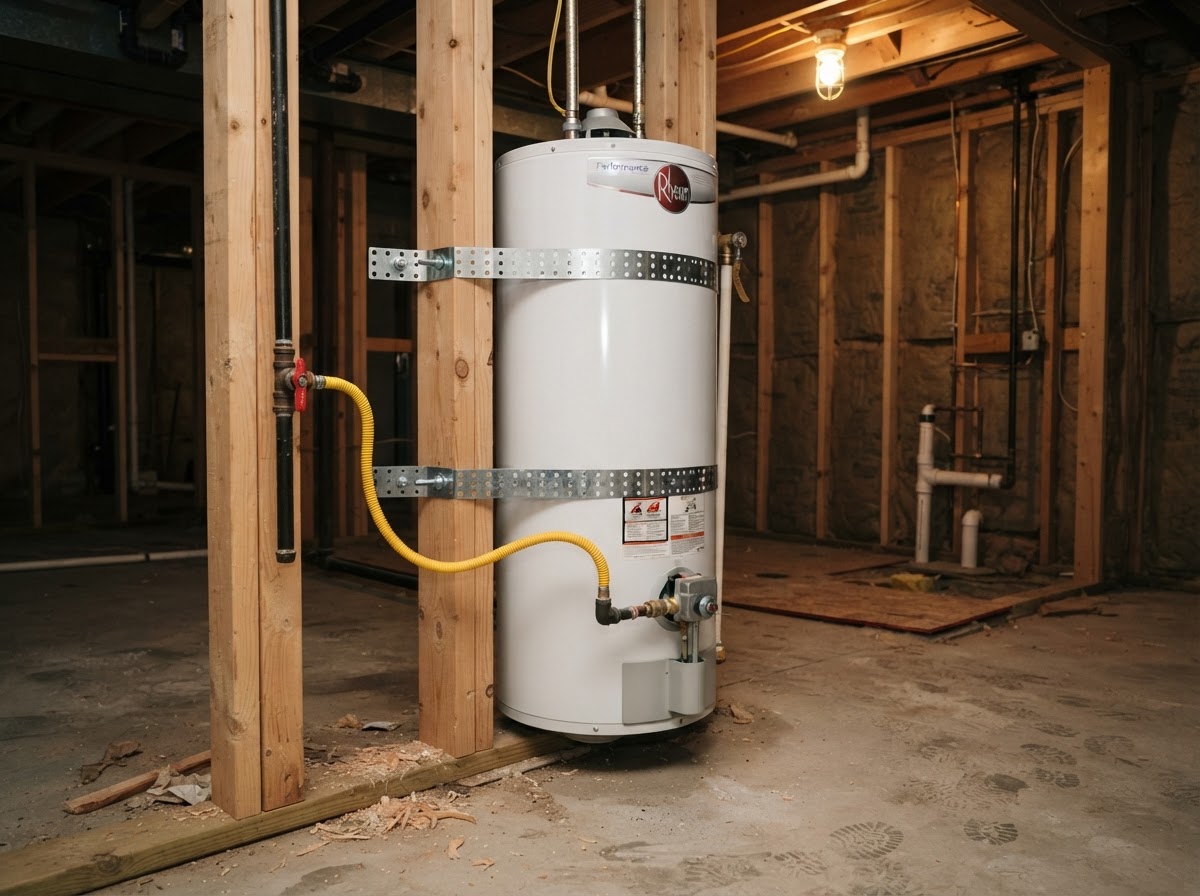
Also, consider pairing insurance with mitigation. Retrofitting your home—such as bolting the foundation to the frame—can reduce risk and may lower your premium. FEMA’s Earthquake Mitigation Guide (illustrative) provides step-by-step advice.
Conclusion
Earthquake insurance is not required by law, but for homeowners in seismically active areas, it can be a financial lifesaver. Standard policies exclude earthquake damage, leaving you to cover the full cost of repairs or rebuilding. By understanding what earthquake insurance covers, what it typically costs, and assessing your personal risk using USGS maps and FEMA guidelines, you can make an informed decision. Start by checking your home’s hazard level and getting at least three quotes from reputable insurers. For more information, visit Ready.gov and FEMA’s earthquake page.
About our guidance
Our guides are grounded in publicly available information from official sources such as FEMA, NOAA, USGS and Ready.gov. Information is general in nature — always verify details for your specific property and policy with official sources and your insurer.
Related guides
 InsuranceLender-Placed Flood Insurance: The Expensive Backup If Your Policy LapsesYour lender can force-place flood insurance if your policy lapses — and bill you for it, usually at a higher price. Here is how…Oct 15, 2026Read guide →
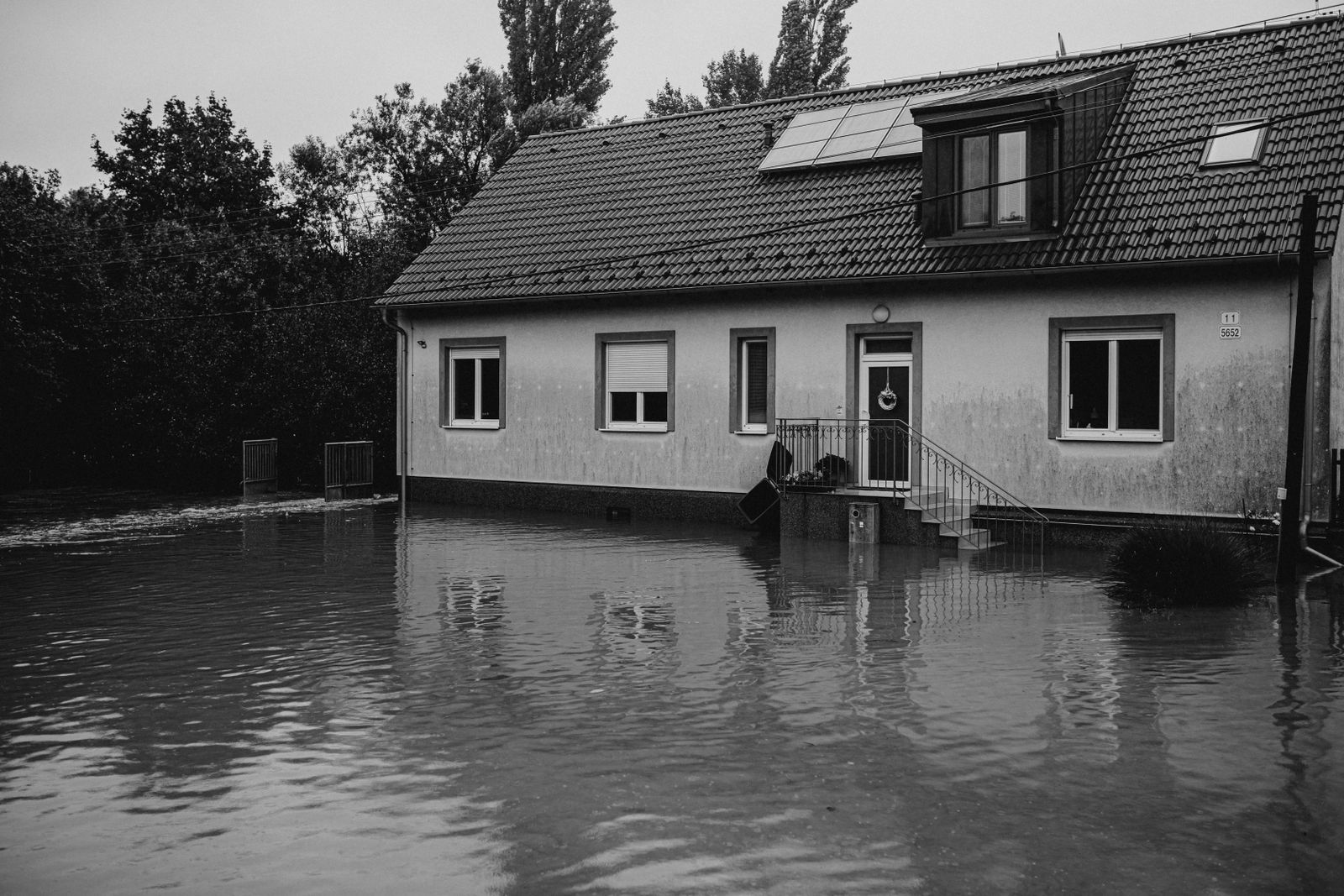 InsuranceWhat Happens to Your NFIP Policy If Congress Lets the Program LapseCongress extended the NFIP through December 11, 2026. If the program lapses, existing policies stay in force and claims get paid…Oct 15, 2026Read guide →
 InsuranceExcess Flood Insurance: Coverage Above NFIP's $250,000 LimitThe NFIP caps flood coverage at $250,000 for the building and $100,000 for contents. If your home would cost more to rebuild,…Oct 15, 2026Read guide →