
Earthquake Insurance: Do You Need It Outside California?
4 min read
On this page
Many homeowners assume earthquake coverage is only necessary in California, but seismic risks exist across the U.S. Learn where you really need earthquake insurance and how to decide based on official government guidance.
Why Earthquake Insurance Matters Beyond California
When people think of earthquakes, California often comes to mind first. However, USGS seismic hazard maps show that significant earthquake risk exists in many other states, including Washington, Oregon, Alaska, Hawaii, Utah, Nevada, Idaho, Montana, Wyoming, and the New Madrid Seismic Zone (Illinois, Indiana, Missouri, Arkansas, Kentucky, Tennessee). In fact, nearly 75% of the U.S. population lives in an area with some level of earthquake risk.
Standard homeowners insurance policies explicitly exclude earthquake damage. If you want protection, you need a separate earthquake insurance policy or an endorsement. Many homeowners in high-risk areas outside California skip this coverage, often unaware of the risk or the potential financial devastation a quake can cause.
Where Are the Highest Risks Outside California?
Pacific Northwest (Washington, Oregon, Idaho)
The Cascadia Subduction Zone poses a major threat of a magnitude 9.0 earthquake and tsunami. Ready.gov states that Oregon and Washington face the same level of risk as California. Seattle and Portland are in high-hazard zones.
Alaska
Alaska experiences more earthquakes than any other U.S. state, including the 1964 Good Friday earthquake (magnitude 9.2). The risk is very high, especially in coastal areas.
Hawaii
The Big Island and other islands have high seismic activity from volcanic processes. The 2006 Kiholo Bay earthquake (magnitude 6.7) caused widespread damage.
New Madrid Seismic Zone (Central U.S.)
The New Madrid fault zone spans parts of Missouri, Arkansas, Tennessee, Kentucky, Illinois, and Indiana. In 1811-1812, it produced some of the largest earthquakes in U.S. history. Today, a moderate quake could cause significant damage due to weaker building codes and soil amplification. USGS explains the zone has a high likelihood of a damaging quake in the next 50 years.
Mountain States (Utah, Nevada, Montana, Idaho, Wyoming, Colorado)
The Wasatch Front in Utah is particularly active, with a major earthquake expected every few hundred years. Nevada has many active faults near Reno and Las Vegas.
How Earthquake Insurance Works
It's a Separate Policy
Earthquake insurance is not part of your standard homeowners policy. You must buy it as an endorsement or a stand-alone policy. Coverage typically includes damage to your home (dwelling) and personal property, as well as additional living expenses if you're displaced.
High Deductibles
Unlike the typical $500 or $1,000 deductible on a homeowners policy, earthquake deductibles are usually a percentage of the dwelling coverage limit—commonly 5% to 20%. For a $400,000 home, a 10% deductible means you pay the first $40,000 before insurance kicks in. This is a crucial factor in deciding whether to buy coverage.
What's Covered (and What's Not)
- Covered: Structural damage from shaking, fire following an earthquake, damage from seismic shock waves.
- Not covered: Damage from landslides, floods, or tsunamis (separate flood insurance needed). Most policies also exclude damage from earth movement triggered by human activity.
Should You Buy Earthquake Insurance? The Key Factors
Your Location
Check the USGS seismic hazard maps. If you live in a high-hazard zone, insurance is worth serious consideration. Even moderate-risk areas may warrant a policy if you cannot afford to repair or rebuild.
Your Home's Construction
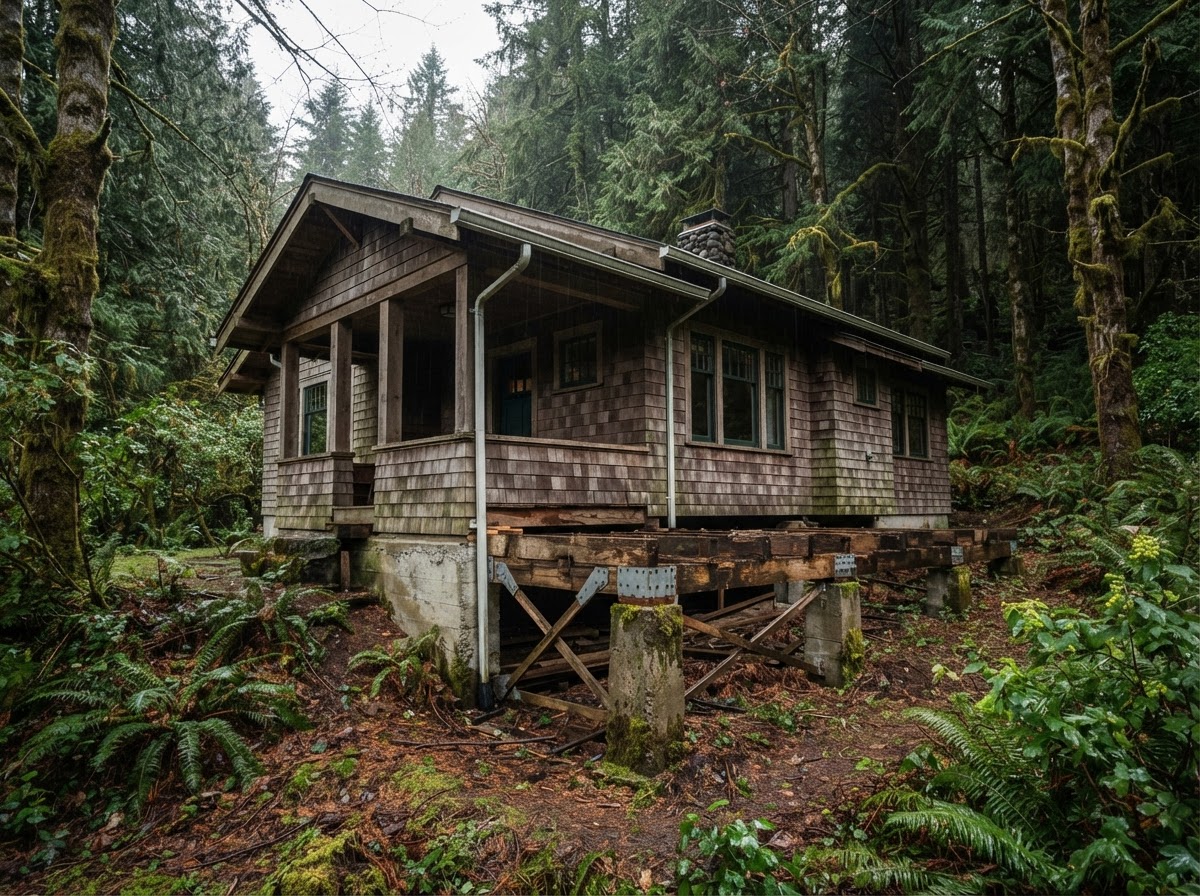
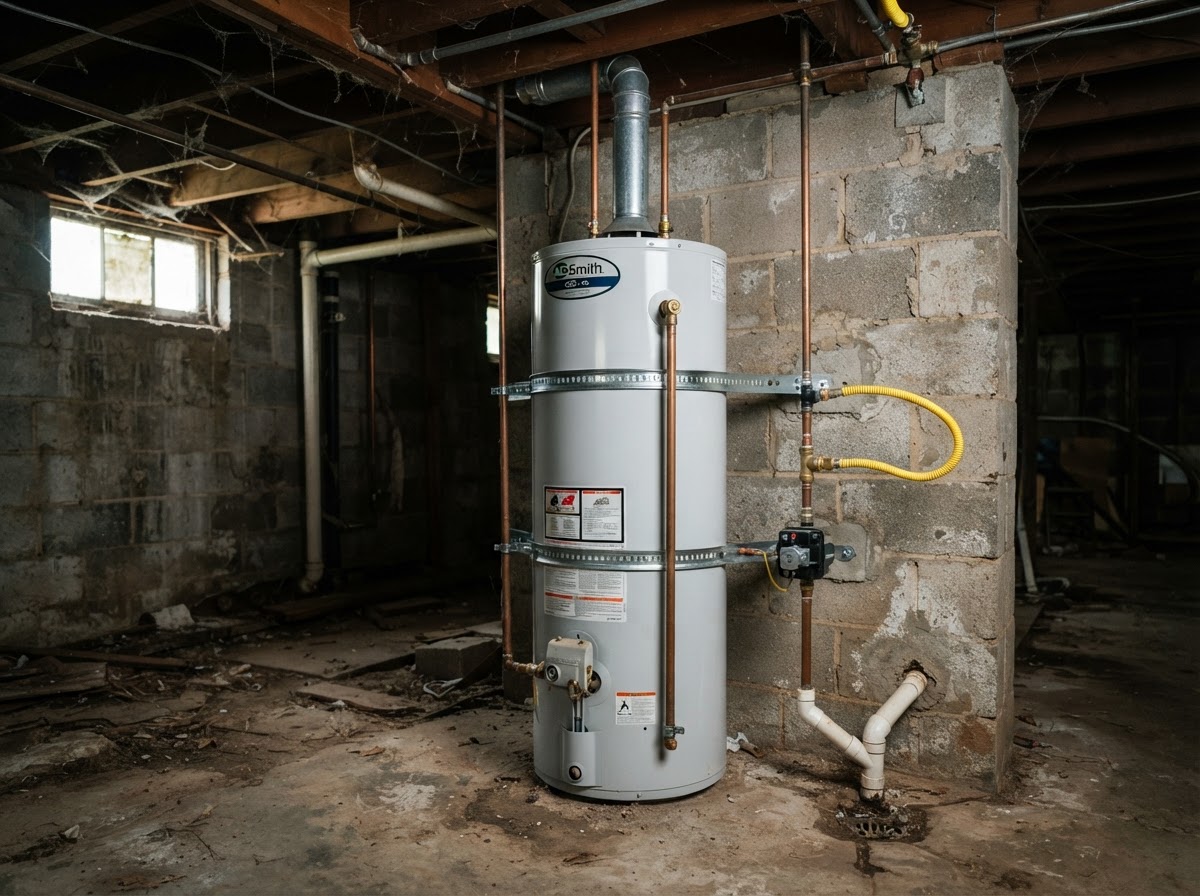
Homes built before 1980, especially unreinforced masonry (brick, stone), are more vulnerable. Retrofitting (e.g., bolting the house to the foundation, bracing cripple walls) can reduce risk and may qualify you for discounts on insurance premiums. FEMA provides guidance on retrofitting.
Your Financial Situation
Consider your savings and ability to pay for repairs. If you have a mortgage, your lender may not require earthquake insurance, but if your home is destroyed, you still owe the loan. A policy can protect your equity. The Ready.gov website recommends that homeowners consider factors like proximity to fault lines, soil type, and home construction.
Cost of Premiums
Premiums vary widely based on risk, deductible, and building type. In California, the state-run California Earthquake Authority (CEA) has helped stabilize the market. In other states, private insurers offer policies. Get quotes from multiple agents.
Alternatives to Insurance: Retrofitting and Preparedness
While not a substitute for insurance, retrofitting your home can significantly reduce damage and may lower premiums. FEMA recommends securing your water heater, bracing cripple walls, and bolting the house to the foundation. Simple measures like securing heavy furniture can also prevent injury and property loss.
Also, consider creating a disaster supplies kit and having a family emergency plan.
Conclusion: Make an Informed Decision
Earthquake insurance is not a one-size-fits-all product. If you live in areas outside California with significant seismic risk—such as the Pacific Northwest, Alaska, Hawaii, the New Madrid zone, or the mountain states—the question isn't whether earthquakes can happen, but when. Evaluate your home's vulnerability, your financial capacity to self-insure, and the cost of premiums. While the high deductible may seem daunting, a policy can save you from financial ruin after a major earthquake.
Actionable steps: Check the USGS hazard map for your area, talk to an insurance agent about earthquake coverage, and consider retrofitting to reduce risk and potential costs. By preparing today, you protect your home and your peace of mind.
About our guidance
Our guides are grounded in publicly available information from official sources such as FEMA, NOAA, USGS and Ready.gov. Information is general in nature — always verify details for your specific property and policy with official sources and your insurer.
Related guides
 InsuranceLender-Placed Flood Insurance: The Expensive Backup If Your Policy LapsesYour lender can force-place flood insurance if your policy lapses — and bill you for it, usually at a higher price. Here is how…Oct 15, 2026Read guide →
 InsuranceWhat Happens to Your NFIP Policy If Congress Lets the Program LapseCongress extended the NFIP through December 11, 2026. If the program lapses, existing policies stay in force and claims get paid…Oct 15, 2026Read guide →
 InsuranceExcess Flood Insurance: Coverage Above NFIP's $250,000 LimitThe NFIP caps flood coverage at $250,000 for the building and $100,000 for contents. If your home would cost more to rebuild,…Oct 15, 2026Read guide →