
Earthquake Retrofit Basics: Cripple Walls, Bolting, and Soft-Story Homes
5 min read

On this page
Learn how to protect your home from earthquake damage with retrofits like cripple wall bracing, foundation bolting, and soft-story reinforcement. This guide covers the essentials every homeowner should know, based on FEMA and government…
Why Earthquake Retrofits Matter
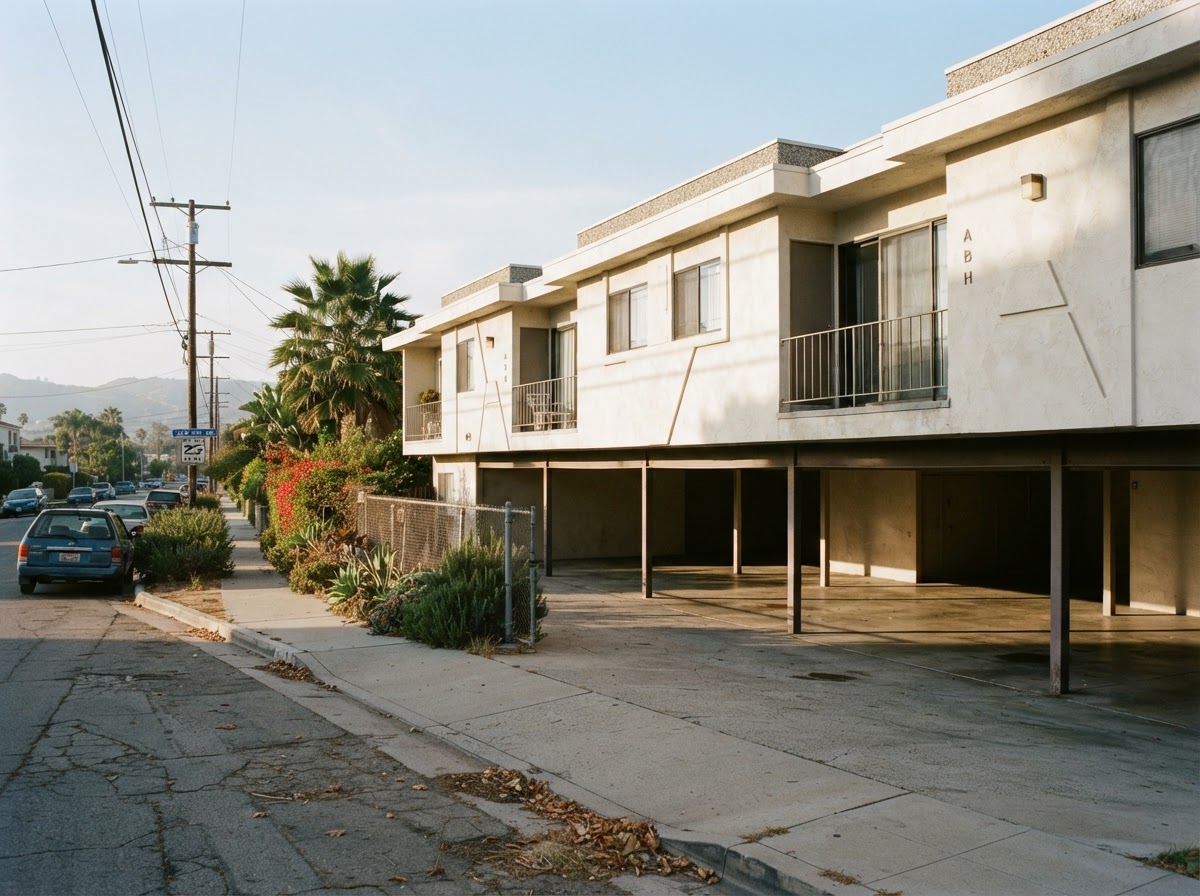
Earthquakes strike without warning, and older homes—especially those built before modern building codes—are vulnerable to collapse or severe damage. Retrofitting strengthens your home's ability to withstand shaking, protecting lives and your investment. FEMA and the National Earthquake Hazards Reduction Program (NEHRP) recommend specific retrofits: cripple wall bracing, foundation bolting, and soft-story reinforcement. These are the three most critical upgrades for wood-frame homes in earthquake-prone states like California, Oregon, Washington, Alaska, and others.
What Are Cripple Walls?
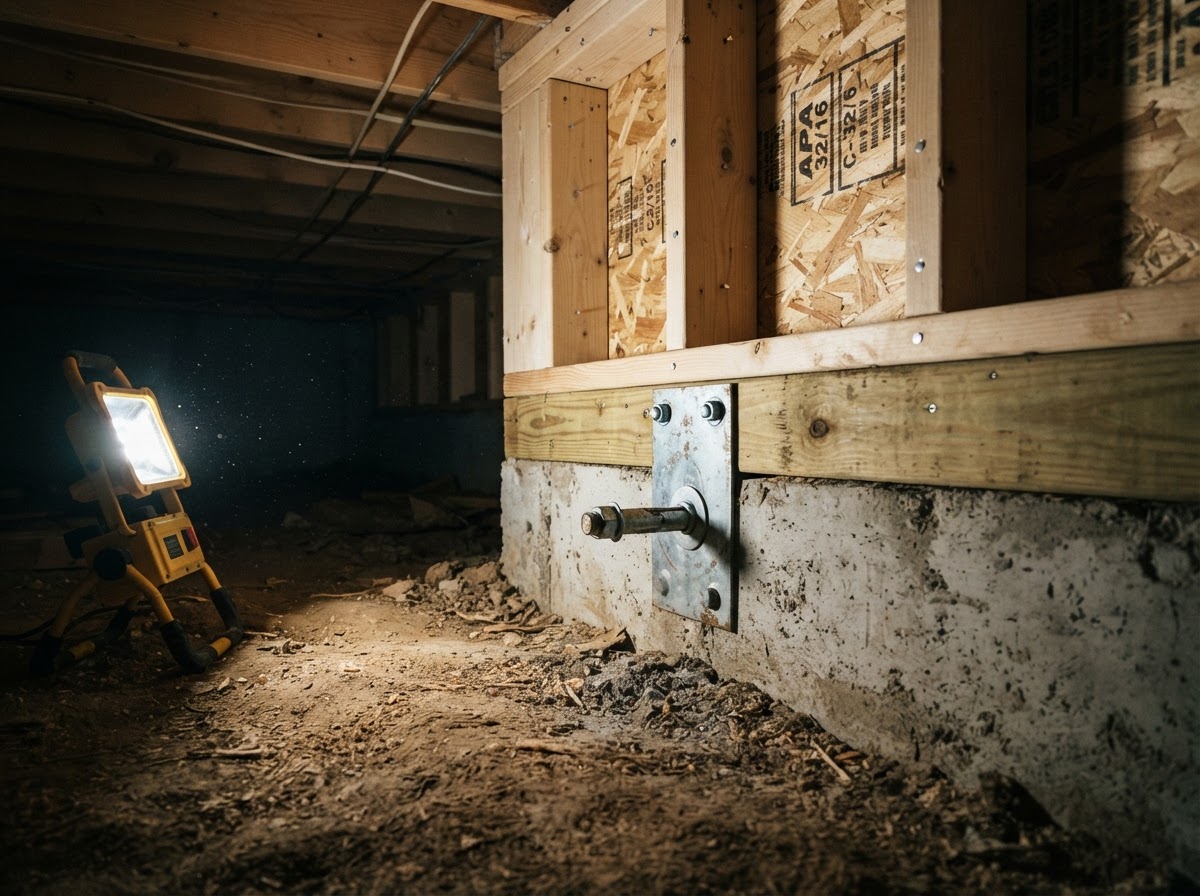
Cripple walls are short wood-framed walls between the foundation and the first floor. They create a crawlspace but are often unbraced, making them weak points during an earthquake. When the ground shakes, cripple walls can collapse, causing the house above to shift or fall off its foundation. Homes built before 1970 on raised foundations are most at risk.
How to Retrofit Cripple Walls
The standard retrofit is to brace the cripple walls with plywood sheathing. FEMA P-232 (Home Builder's Guide to Seismic Retrofit) details the process:
- Remove existing siding or stucco from the inside of the crawlspace.
- Nail 1/2-inch or thicker plywood to the wall studs, covering the full height of the cripple wall.
- Use corrosion-resistant nails (e.g., galvanized) at specified spacing—typically 6 inches along edges and 12 inches in the field.
- Ensure plywood panels are installed with a 1/8-inch gap between panels to prevent buckling.
- Anchor the bottom of the plywood to the foundation sill plate and the top to the rim joist or floor framing.
This creates a rigid shear wall that resists lateral forces. FEMA's Seismic Retrofit Guidance offers illustrated details. For a qualified contractor, search for a licensed structural engineer or contractor experienced in seismic retrofits.
Foundation Bolting
Foundation bolting secures the wooden sill plate (the bottom beam of the house) to the concrete foundation. Without bolts, the house can slide or shift off the foundation during an earthquake, breaking gas lines and water pipes. This is one of the simplest and most cost-effective retrofits.
Bolting Basics
- Use 1/2-inch or 5/8-inch diameter expansion anchors or epoxy-set bolts, as specified in local building codes.
- Drill holes through the sill plate and into the foundation, then insert the bolt and tighten the nut.
- Space bolts no more than 6 feet apart, with at least two bolts per sill plate segment and within 12 inches of each end.
- For homes with post-and-pier foundations, consult a professional—bolting may require adding a continuous foundation or other measures.
The Ready.gov Earthquake Guide emphasizes that foundation bolting, combined with cripple wall bracing, is the most effective retrofit for most homes. Check with your local building department for required bolt sizes and installation methods.
Soft-Story Homes
A soft story is a floor level with large openings (like garages or windows) that lacks sufficient shear walls to resist earthquake forces. Common in multi-story apartment buildings, but also found in homes with a garage at ground level—often called "tuck-under" parking. The open front of the garage creates a weak point, leading to collapse of the upper floor.
Retrofitting Soft Stories
Retrofitting requires adding shear walls or steel moment frames around the openings. Key steps include:
- Install plywood sheathing on the walls adjacent to the garage opening, from foundation to floor above.
- For wide openings, use steel columns or frames that can transfer lateral loads to the foundation.
- Anchor the new walls to the foundation with bolts and to the upper floor with metal connectors.
- In some cases, retrofit may involve adding a new wall inside the garage (filling in part of the opening) or using a specialized frame system.
FEMA's Seismic Retrofit Manual for Soft-Story Buildings (FEMA 353) provides detailed engineering criteria. Many cities, like San Francisco and Los Angeles, have mandatory soft-story retrofit ordinances. FEMA case studies highlight successful retrofits. Always hire a structural engineer to design the retrofit.
Common Mistakes and Tips
- Don't mistake foundation bolting for cripple wall bracing—most houses need both.
- Never nail plywood to the inside of the cripple wall without also bolting the sill plate to the foundation.
- Ensure the crawlspace is clean and dry before sheathing to avoid wood rot.
- Check for existing retrofits—many homes built after 1975 in high-hazard zones may already have some bracing.
- Consider a professional inspection before starting. The USGS Earthquake Hazard Maps can help you understand your local risk.
Financial Assistance and Incentives
Several state programs offer grants or tax credits for seismic retrofits. For example:
- California's Earthquake Brace + Bolt (EBB) program provides up to $3,000 for qualifying homes.
- Oregon's Seismic Rehabilitation Grant Program offers matching funds for low-income homeowners.
- Washington's Earthquake Retrofit Program provides low-interest loans.
- Check with your state emergency management agency or FEMA grants for available funding.
Actionable Conclusion
If your home was built before 1980 and is on a raised foundation or has a ground-level garage, consider a retrofit. Start by inspecting your crawlspace for unbraced cripple walls and loose sill plates. Hire a licensed structural engineer to assess your home and design a retrofit plan. Then, obtain necessary permits and hire a qualified contractor to do the work. Retrofitting is an investment in safety and resilience—one that can prevent catastrophic damage and save lives. For more details, visit Ready.gov and FEMA's earthquake retrofit page.
About our guidance
Our guides are grounded in publicly available information from official sources such as FEMA, NOAA, USGS and Ready.gov. Information is general in nature — always verify details for your specific property and policy with official sources and your insurer.
Related guides
 InsuranceLender-Placed Flood Insurance: The Expensive Backup If Your Policy LapsesYour lender can force-place flood insurance if your policy lapses — and bill you for it, usually at a higher price. Here is how…Oct 15, 2026Read guide →
 InsuranceWhat Happens to Your NFIP Policy If Congress Lets the Program LapseCongress extended the NFIP through December 11, 2026. If the program lapses, existing policies stay in force and claims get paid…Oct 15, 2026Read guide →
 InsuranceExcess Flood Insurance: Coverage Above NFIP's $250,000 LimitThe NFIP caps flood coverage at $250,000 for the building and $100,000 for contents. If your home would cost more to rebuild,…Oct 15, 2026Read guide →