
Extreme Heat and Your Home: AC, Insulation, and Cooling Centers
4 min read
On this page
Learn how to protect your home and family during extreme heat waves with tips on air conditioning efficiency, insulation upgrades, and finding local cooling centers from official government sources.
Understanding Extreme Heat Risks
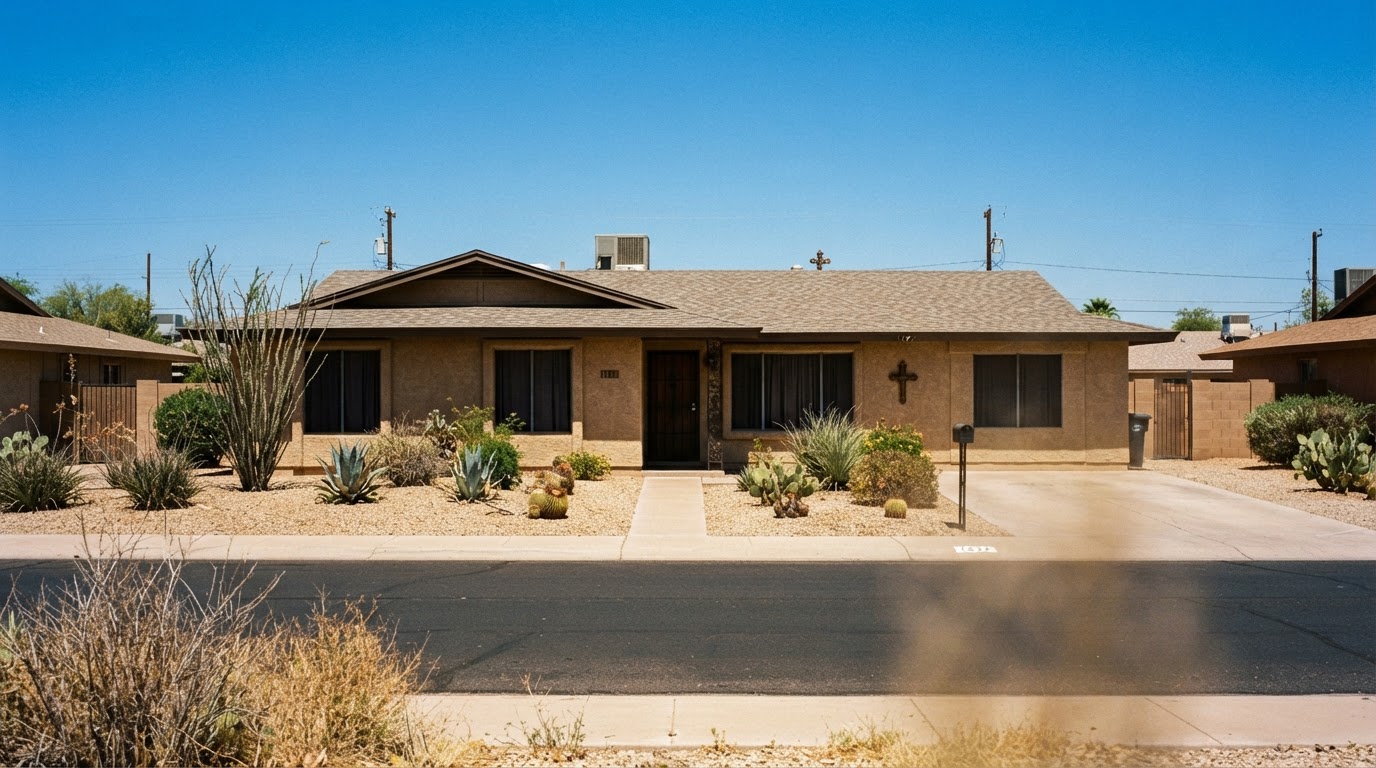
Extreme heat is one of the deadliest natural hazards in the United States, causing more deaths annually than hurricanes, tornadoes, and floods combined. According to the Ready.gov heat page, heat waves can strain power grids, damage infrastructure, and lead to heat-related illnesses like heat exhaustion and heat stroke. Your home is your first line of defense. By optimizing your air conditioning, improving insulation, and knowing where to find cooling centers, you can keep your family safe.
Optimizing Your Air Conditioning (AC)
Maintenance and Efficiency
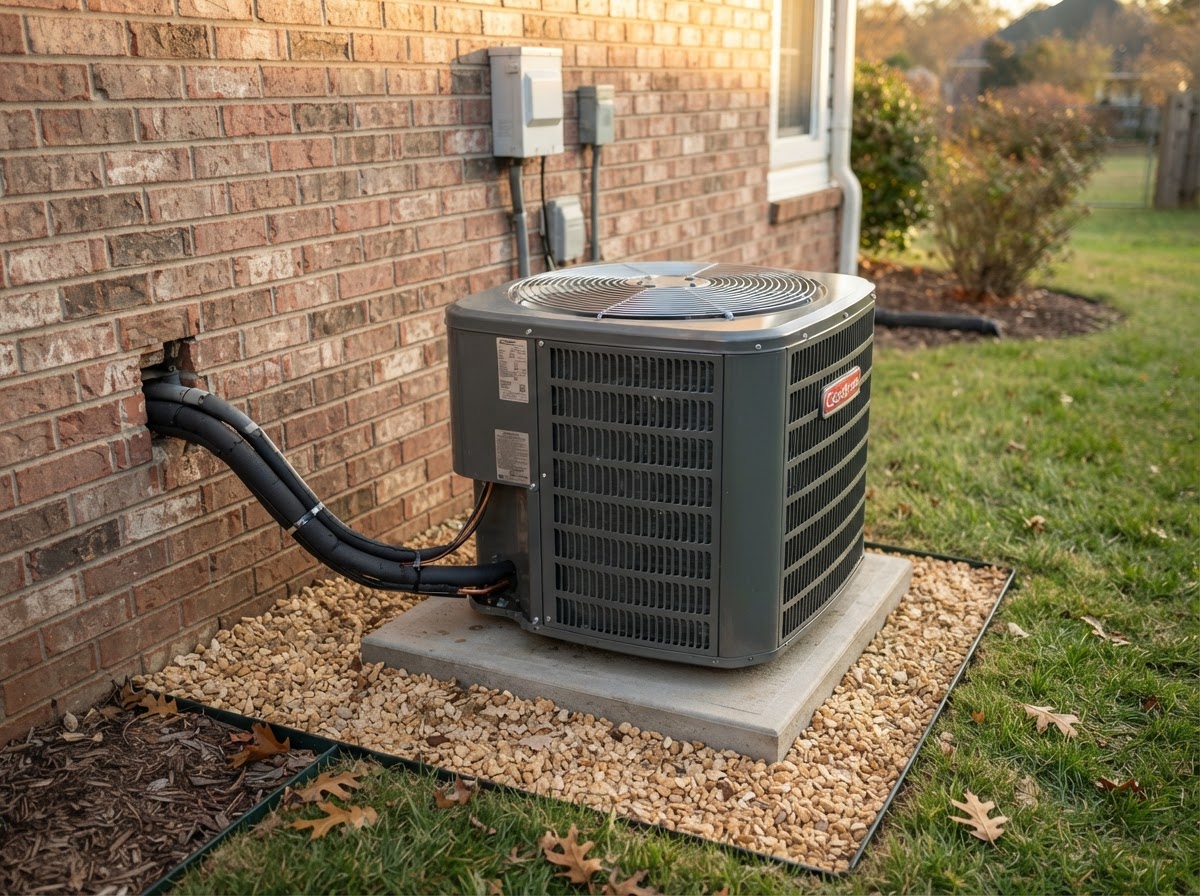
A well-maintained AC system is essential during heat waves. The Department of Energy recommends these steps:
- Change filters monthly: Dirty filters reduce airflow and efficiency.
- Clean coils: Evaporator and condenser coils collect dirt and should be cleaned annually.
- Check refrigerant levels: Low refrigerant signals a leak that needs professional repair.
- Seal ducts: Leaky ducts can waste up to 30% of cooling energy.
Thermostat Settings
Set your thermostat to 78°F when you are home and need cooling, and higher when away. A programmable or smart thermostat can automate savings. The CDC advises keeping your home cooler if you are at risk (elderly, infants, or those with chronic conditions). Avoid extreme indoor temperature drops—a 20°F difference from outdoors can shock your system.
Window Units and Portable ACs
If you use a window AC, ensure it is properly installed and sealed. Use weather stripping around the unit to prevent hot air infiltration. For portable ACs, vent the exhaust hose out a window and seal the gap. Energy.gov suggests choosing an ENERGY STAR certified model for efficiency.
Improving Home Insulation
Attic and Wall Insulation
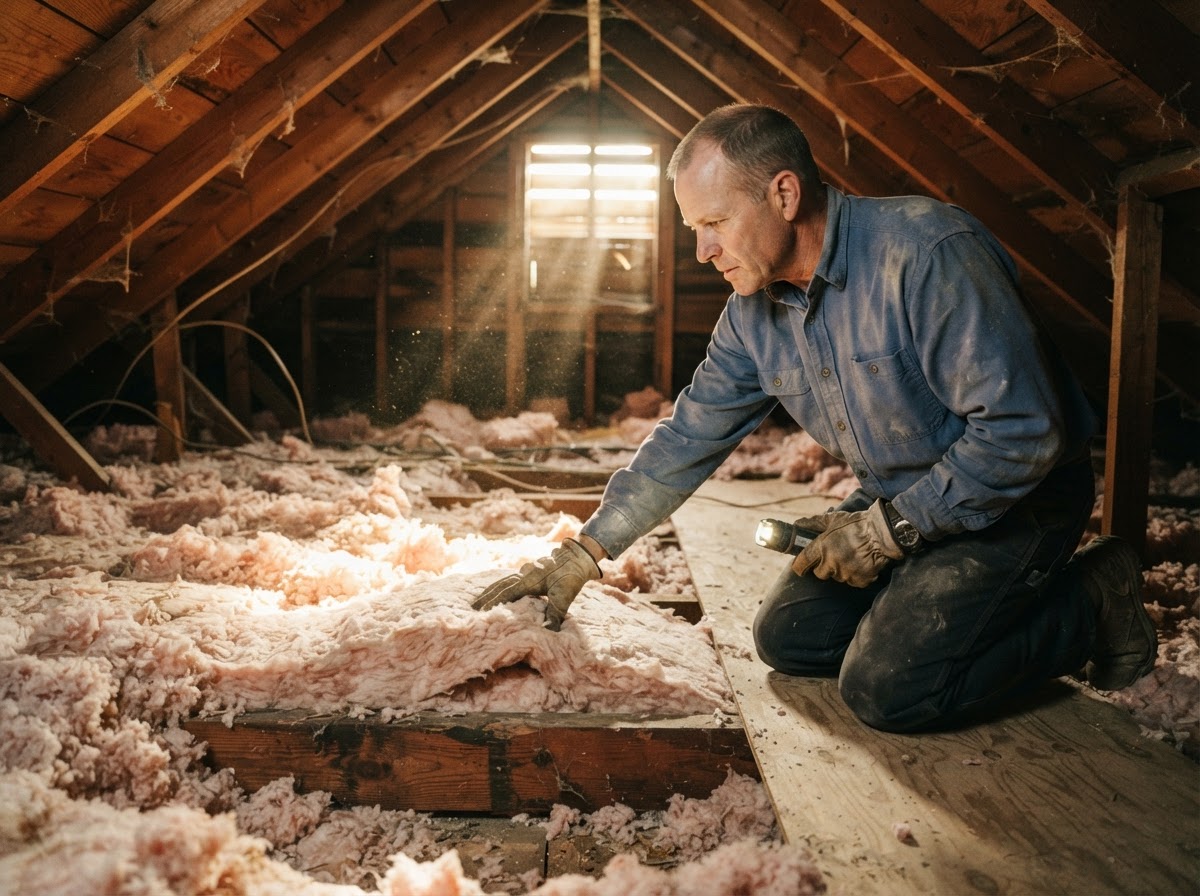
Proper insulation reduces heat gain from the attic and walls. The Department of Energy recommends an R-value of R-38 to R-60 for attics in most climates. Check your existing insulation—if it is level with or below the floor joists, you likely need more. Adding attic floor insulation is one of the most cost-effective ways to keep your home cooler.
Reflective Barriers
Radiant barriers (reflective foil) installed in the attic can reduce heat transfer by reflecting radiant heat away from living spaces. They work best in hot climates. Energy.gov explains that they can lower cooling costs by 5–10%.
Window Treatments
Windows are a major source of heat gain. Use shades, blinds, or reflective film to block sunlight. The CDC recommends closing curtains and blinds on windows facing the sun. Installing awnings or exterior shutters can also help. For long-term savings, consider energy-efficient windows with low-emissivity (low-E) coatings.
Air Sealing
Seal gaps and cracks around doors, windows, and other penetrations with caulk or weather stripping. The Energy.gov guide emphasizes that air sealing improves comfort and reduces strain on your AC. Use foam sealant around pipes and vents entering the attic.
Using Cooling Centers
What Are Cooling Centers?
Cooling centers are air-conditioned public spaces (libraries, community centers, malls) where people can escape extreme heat. The Ready.gov page recommends identifying cooling centers before a heat wave. They are especially important for those without AC or during power outages.
How to Find a Cooling Center
Many local emergency management agencies maintain lists of cooling centers. Check your city or county website, or call 2-1-1 for information. The NOAA and FEMA also promote cooling center locators through their social media during heat emergencies. If you cannot find a center nearby, consider spending time in air-conditioned stores, movie theaters, or malls.
What to Bring
If you visit a cooling center, bring water, snacks, medications, and any comfort items for children or elderly dependents. Follow COVID-19 or other health precautions as recommended. Cooling centers may have limited capacity, so check operating hours.
Additional Heat Safety Tips
- Stay hydrated: Drink water often, even if not thirsty. Avoid alcohol and caffeine.
- Check on vulnerable neighbors: Elderly, infants, and people with chronic conditions are at higher risk.
- Never leave kids or pets in cars: Temperatures rise rapidly to lethal levels.
- Use fans wisely: Fans can help, but when temperatures are above 95°F, they may not prevent heat illness. CDC advises that fans can circulate air but do not cool the body effectively in extreme heat.
- Know the signs of heat illness: Heat exhaustion symptoms include heavy sweating, weakness, and nausea. Heat stroke (hot, dry skin, confusion) is a medical emergency—call 9-1-1.
Conclusion
Preparing your home for extreme heat involves maintaining efficient AC, upgrading insulation, and knowing where to find cooling centers. Start by scheduling an AC tune-up and checking your attic insulation. Locate your nearest cooling center today, and share the information with neighbors. By taking these steps now, you can protect your home and family when the next heat wave strikes. For more resources, visit Ready.gov/heat and CDC Extreme Heat.
About our guidance
Our guides are grounded in publicly available information from official sources such as FEMA, NOAA, USGS and Ready.gov. Information is general in nature — always verify details for your specific property and policy with official sources and your insurer.
Related guides
 InsuranceLender-Placed Flood Insurance: The Expensive Backup If Your Policy LapsesYour lender can force-place flood insurance if your policy lapses — and bill you for it, usually at a higher price. Here is how…Oct 15, 2026Read guide →
 InsuranceWhat Happens to Your NFIP Policy If Congress Lets the Program LapseCongress extended the NFIP through December 11, 2026. If the program lapses, existing policies stay in force and claims get paid…Oct 15, 2026Read guide →
 InsuranceExcess Flood Insurance: Coverage Above NFIP's $250,000 LimitThe NFIP caps flood coverage at $250,000 for the building and $100,000 for contents. If your home would cost more to rebuild,…Oct 15, 2026Read guide →