
Extreme Heat Season: June–August Home & Health Prep
4 min read

On this page
Prepare your home and family for extreme heat with practical tips from FEMA, NOAA, and the CDC. Learn how to stay cool, prevent heat-related illness, and protect your property during the hottest months.
Why Extreme Heat Demands Preparation

Extreme heat is the deadliest weather-related hazard in the United States, causing more fatalities each year than hurricanes, tornadoes, or floods combined. During June through August, high temperatures and humidity can put both your health and your home at risk. This guide provides actionable steps—based on guidance from the National Weather Service, the CDC, FEMA, and Ready.gov—to help you prepare for extreme heat events.
Understanding Your Heat Risk
Heat risk varies by location, but everyone can be affected. The National Weather Service issues heat alerts based on the heat index (how hot it feels when humidity is factored in). Know your local NWS office and sign up for alerts. Medicare.gov and other resources can help you find cooling centers near you.
Home Preparation: Keeping Your Living Space Cool
Your home is your first line of defense against extreme heat. These measures can reduce indoor temperatures and protect your property.
Seal and Insulate
Check windows and doors for drafts. Use weatherstripping or caulk to seal gaps, keeping cool air in and hot air out. Add insulation in your attic and walls to maintain a stable indoor temperature. According to Ready.gov, proper insulation can reduce cooling costs and improve comfort.
Use Window Coverings
Close blinds, curtains, or shades during the hottest part of the day (typically 10 a.m. to 4 p.m.) to block solar radiation. Reflective films or light-colored curtains can further reduce heat gain.
Optimize Your Cooling System
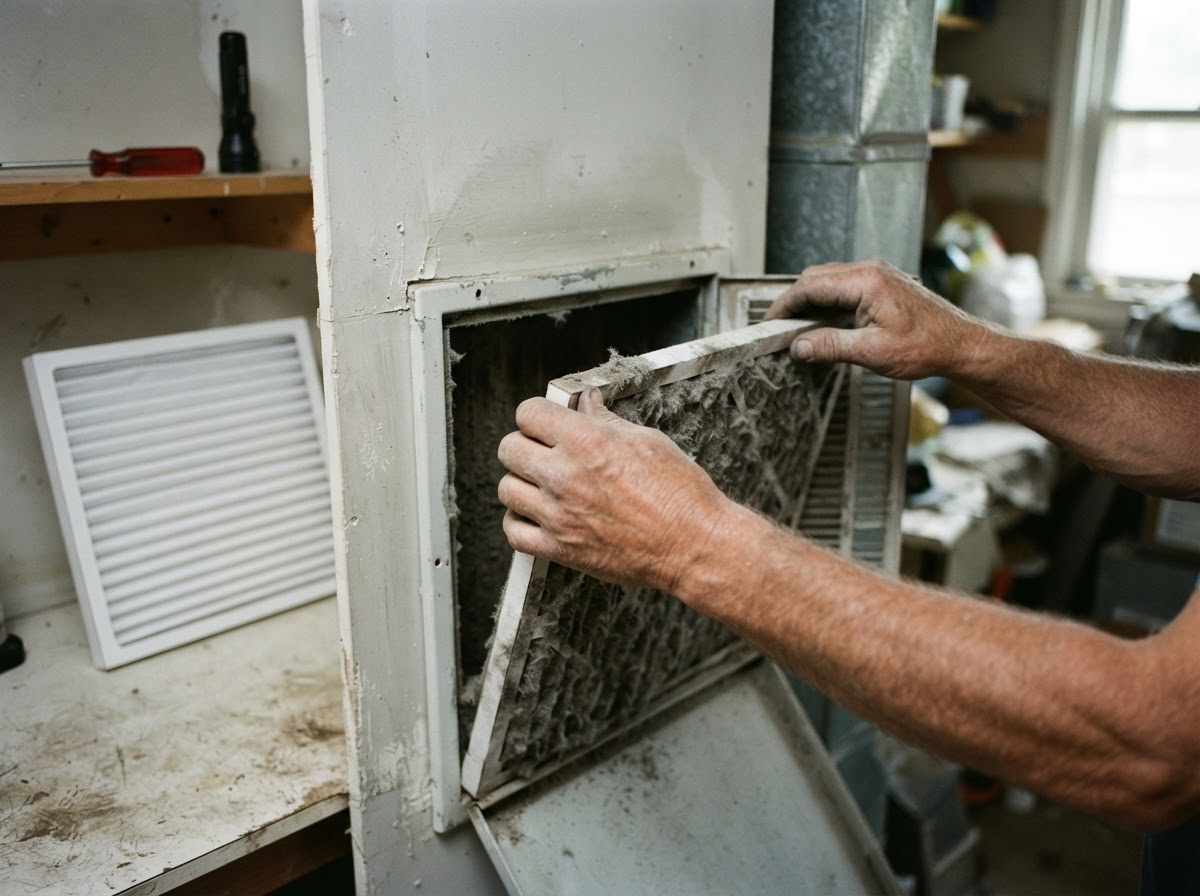
- Air conditioning: Have your AC serviced before summer. Clean or replace filters monthly. If you don’t have central AC, consider a window unit or portable air conditioner.
- Ceiling fans: Use ceiling fans in a counterclockwise direction to create a wind-chill effect. But remember: fans cool people, not rooms. Turn them off when the room is empty.
- Evaporative coolers: In dry climates, swamp coolers can be an energy-efficient alternative. But they require proper ventilation.
Create a Cool Room
Identify one room in your home that stays the coolest—often a north-facing room or basement—and equip it with a fan, cool water, and a battery-powered radio. This can serve as a refuge during extreme heat waves, especially if power is lost.
Protect Your Home’s Exterior
Trim trees and shrubs away from your house to improve airflow. If you have a dark-colored roof, consider installing reflective roofing materials or a green roof. Outdoor fabrics and furniture can also benefit from UV protection.
Health and Safety for Your Household
Extreme heat can cause heat illness, from heat cramps to heat stroke. Follow these guidelines from the CDC to stay safe.
Recognize Heat-Related Illnesses
| Symptom | Action |
|---|---|
| Heavy sweating, weakness, nausea (heat exhaustion) | Move to cool area, sip water, apply cool cloths. If symptoms worsen, get medical help. |
| Hot, red, dry skin; confusion; unconsciousness (heat stroke) | Call 911 immediately. Cool the person with any means available until help arrives. |
Hydration Tips
- Drink plenty of water before you feel thirsty. Avoid alcohol, caffeine, and sugary drinks, which can dehydrate you.
- Encourage children and older adults to drink regularly; they are more vulnerable.
- Keep a supply of water in your emergency kit: one gallon per person per day for at least three days.
Protect Vulnerable Individuals
Check on neighbors who live alone, especially older adults or those with chronic health conditions. Never leave children or pets in a parked car—even with windows cracked, temperatures inside can rise to deadly levels in minutes.
Power Outage Preparedness
Extreme heat often stresses the power grid, leading to rolling blackouts. Be ready.
- Have a battery-operated fan, a portable power station, or a backup generator (used safely outdoors).
- Keep your phone charged. Consider a solar charger.
- Know how to manually open your garage door.
- Stock up on non-perishable food that doesn’t require cooking to avoid adding heat.
Community Resources and Early Warning
During a heat wave, local agencies often open cooling centers in libraries, community centers, or malls. Locate these before an emergency. Sign up for your community’s emergency alert system. The FEMA app can provide weather alerts and safety tips.
Conclusion: Act Now for a Safer Summer
Extreme heat is predictable, but its worst effects are preventable. By preparing your home, knowing the signs of heat illness, and having a plan for power outages, you can protect your family and your property. Start these steps now, before the temperature soars. Visit Ready.gov/heat and CDC’s Extreme Heat page for more detailed information.
About our guidance
Our guides are grounded in publicly available information from official sources such as FEMA, NOAA, USGS and Ready.gov. Information is general in nature — always verify details for your specific property and policy with official sources and your insurer.
Related guides
 InsuranceLender-Placed Flood Insurance: The Expensive Backup If Your Policy LapsesYour lender can force-place flood insurance if your policy lapses — and bill you for it, usually at a higher price. Here is how…Oct 15, 2026Read guide →
 InsuranceWhat Happens to Your NFIP Policy If Congress Lets the Program LapseCongress extended the NFIP through December 11, 2026. If the program lapses, existing policies stay in force and claims get paid…Oct 15, 2026Read guide →
 InsuranceExcess Flood Insurance: Coverage Above NFIP's $250,000 LimitThe NFIP caps flood coverage at $250,000 for the building and $100,000 for contents. If your home would cost more to rebuild,…Oct 15, 2026Read guide →