
FEMA Assistance vs Flood Insurance: Key Differences After a Flood
5 min read
On this page
After a flood, many homeowners wonder whether to rely on FEMA assistance or flood insurance. This article explains the crucial differences, eligibility, and why both are important for financial protection.
Understanding Your Financial Safety Net After a Flood

When floodwaters recede, homeowners face the daunting task of recovery. Two primary sources of financial help exist: FEMA (Federal Emergency Management Agency) assistance and flood insurance from the National Flood Insurance Program (NFIP) or private insurers. They are not the same, and relying solely on FEMA can leave you undercompensated. This guide clarifies what each provides, based on official government resources.
What Is FEMA Assistance?
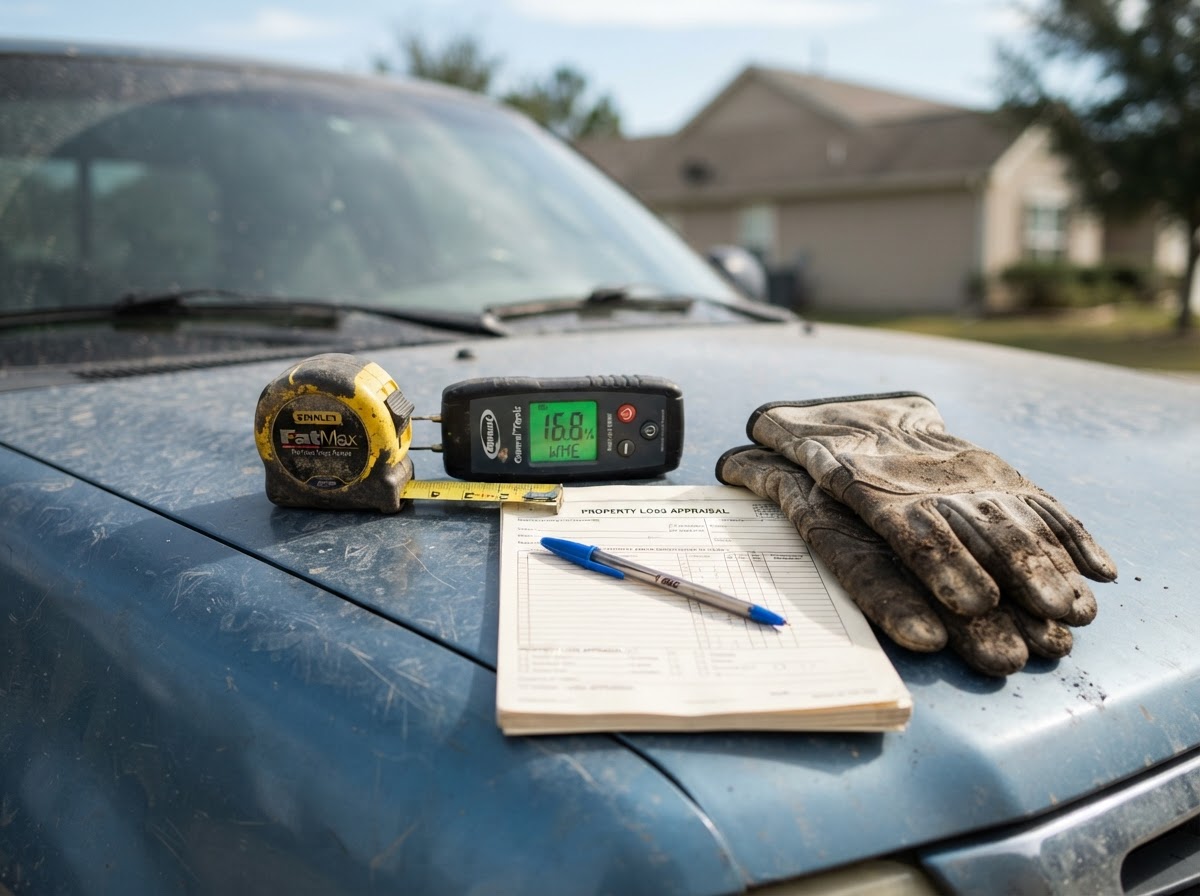
FEMA provides disaster relief grants to homeowners and renters after a federally declared major disaster. This aid is not insurance; it is supplemental assistance to cover essential needs and uninsured losses.
What FEMA Covers
- Temporary housing (reimbursement for hotel stays, rental assistance).
- Home repairs for damages not covered by insurance (e.g., structural repairs, utilities).
- Other needs like replacement of medical supplies, clothing, or transportation.
FEMA grants are capped—usually up to $41,000 per household for the Individuals and Households Program (IHP). However, this amount is limited and intended to make your home safe, sanitary, and functional, not to restore it to pre-flood condition. Importantly, FEMA aid must not duplicate insurance benefits. If you have flood insurance, you must first file a claim, and FEMA will only cover losses your insurer doesn't.
Learn more: FEMA Individual Assistance.
What Is Flood Insurance?
Flood insurance is a contract between you and an insurance company. It pays for physical damage to your home and possessions caused by flooding, up to your policy limits. Most standard homeowners insurance policies explicitly exclude flood damage.
What Flood Insurance Covers
- Building property: structural components, electrical, plumbing, HVAC, appliances, permanently installed carpets, etc. (Up to $250,000 for NFIP policies.)
- Personal property: clothing, furniture, electronics, etc. (Up to $100,000 for NFIP policies.)
- Increased Cost of Compliance (ICC): up to $30,000 to bring your home into compliance with floodplain regulations after a major flood.
Private flood insurance may offer higher limits or additional coverage. However, NFIP policies are backed by the federal government and widely accepted by mortgage lenders.
Learn more: NFIP via FloodSmart.gov.
Key Differences at a Glance
| Feature | FEMA Assistance | Flood Insurance |
|---|---|---|
| Source | Federal grant (taxpayer-funded) | Insurance policy (premium-based) |
| Eligibility | Only after a disaster declaration | Continuous coverage, any flood event |
| Payout amount | Set limits (e.g., $41K IHP) | Up to policy limits (e.g., $250K building) |
| Purpose | Essential needs, safety, sanitation | Full repair/replacement of covered items |
| Duplicate payments | Reduced by insurance payout | Reduced by other insurance |
| Tax implications | Generally not taxable | Payouts for property loss not taxable |
Why FEMA Assistance Is Not a Substitute
Many homeowners mistakenly believe FEMA will cover all flood losses. This misconception can lead to financial ruin. Here’s why:
- Limited to disasters. FEMA only activates after a presidentially declared disaster. Smaller floods or flash floods may not qualify.
- Cap on aid. The maximum grant is often insufficient for major structural repairs. Average flood claims from NFIP exceed $50,000.
- No coverage without insurance claim. You must first file a flood insurance claim if you have it; FEMA will not pay for damages already covered.
- Repayment risks. In rare cases, if you receive both FEMA assistance and later an SBA loan for the same damage, you may need to repay the FEMA grant.
Can You Get Both?
Yes, but with coordination. If you have flood insurance, FEMA assistance will be limited to losses your insurance doesn’t cover. For example:
- Your insurance pays $80,000 for structural repairs. FEMA may still provide rental assistance if your home is uninhabitable during repairs.
- Insurance does not cover temporary housing—FEMA might cover that.
However, you cannot double-dip: FEMA will not cover the same damage paid by insurance.
Which Should You Prioritize?
Flood insurance is the foundation of financial protection. FEMA assistance is a safety net for those without insurance or with gaps in coverage. Here’s advice from Ready.gov and FEMA:
- If you live in a flood zone (or even near one), buy flood insurance—especially if you have a mortgage from a federally regulated lender (required in high-risk zones). But remember: 25% of flood claims come from low- to moderate-risk areas.
- Document your belongings with photos and serial numbers to streamline claims.
- After a flood, file your insurance claim first, then apply for FEMA assistance if needed.
- Apply for FEMA assistance immediately after a declared disaster, as deadlines apply (usually 60 days).
Common Myths Debunked
- Myth: FEMA will pay for everything. Reality: FEMA provides limited grants for urgent needs, not full recovery.
- Myth: Flood insurance is too expensive. Reality: NFIP premiums average around $700/year (though vary widely). Low-cost options exist for lower-risk areas.
- Myth: If I get FEMA aid, I don’t need insurance. Reality: FEMA is not designed to rebuild your home; insurance is.
Conclusion
After a flood, flood insurance is your primary financial defender. FEMA assistance is a critical stopgap for those without coverage or with unmet needs. Don’t wait for a disaster to find out the difference. Visit FloodSmart.gov to learn about policies, and check FEMA’s Assistance page to understand what disaster aid can—and cannot—do. Protect your home and peace of mind by having both available.
About our guidance
Our guides are grounded in publicly available information from official sources such as FEMA, NOAA, USGS and Ready.gov. Information is general in nature — always verify details for your specific property and policy with official sources and your insurer.
Related guides
 InsuranceLender-Placed Flood Insurance: The Expensive Backup If Your Policy LapsesYour lender can force-place flood insurance if your policy lapses — and bill you for it, usually at a higher price. Here is how…Oct 15, 2026Read guide →
 InsuranceWhat Happens to Your NFIP Policy If Congress Lets the Program LapseCongress extended the NFIP through December 11, 2026. If the program lapses, existing policies stay in force and claims get paid…Oct 15, 2026Read guide →
 InsuranceExcess Flood Insurance: Coverage Above NFIP's $250,000 LimitThe NFIP caps flood coverage at $250,000 for the building and $100,000 for contents. If your home would cost more to rebuild,…Oct 15, 2026Read guide →