
FEMA Flood Zone Letters Explained: A, AE, X, VE & More
4 min read
On this page
Learn what FEMA flood zone designations mean for your home, insurance requirements, and flood risk. Official definitions from FEMA to help you understand your property's flood map.
What Are FEMA Flood Zones?
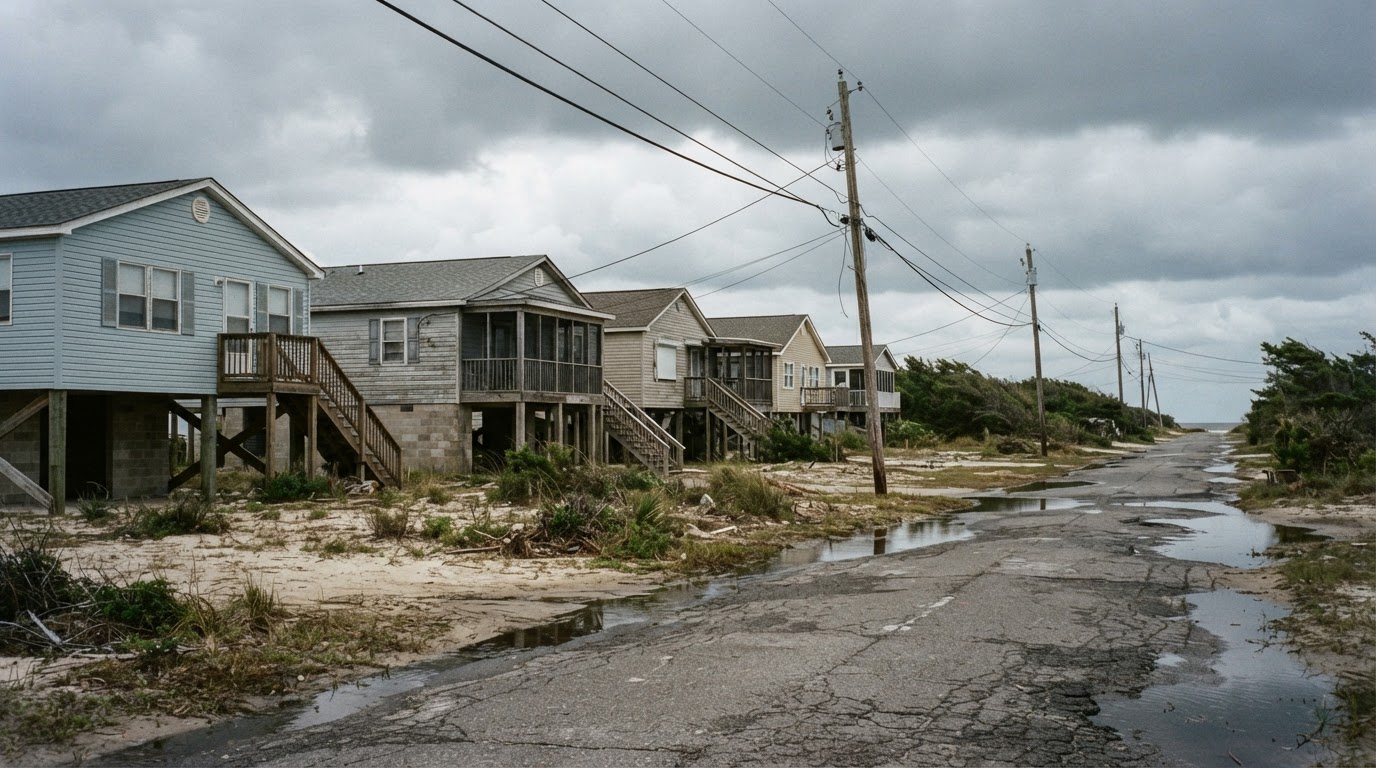
FEMA flood zones are geographic areas defined on Flood Insurance Rate Maps (FIRMs) that indicate the level of flood risk. The zone letters—A, AE, X, VE, and others—determine whether you need flood insurance and how your risk is assessed. These designations are based on historical data, topography, and engineering studies. Understanding your zone helps you make informed decisions about insurance, mitigation, and property purchases.
High-Risk Zones (Special Flood Hazard Areas)
Zones beginning with A or V are in Special Flood Hazard Areas (SFHAs), meaning they have at least a 1% annual chance of flooding (the “100-year flood”). The National Flood Insurance Program (NFIP) requires flood insurance for most mortgages on properties in these zones.
Zone A – Approximate Flood Hazard
Zone A indicates a high-risk area where base flood elevations (BFEs) have not been determined. Detailed hydraulic analyses have not been performed. Flooding is possible, but the exact depth or flow is unknown. Homes in Zone A may still face significant risk, and flood insurance is mandatory for federally backed mortgages. FEMA advises using available local data to assess risk.
Zone AE – Base Flood Elevations Determined
Zone AE is also a high-risk area, but unlike Zone A, detailed studies have been done to establish a Base Flood Elevation (BFE). This number (e.g., “AE 8”) indicates the expected water surface elevation during a 100-year flood. Homes must be built at or above the BFE to reduce damage. Insurance rates reflect the BFE—higher BFEs generally mean higher premiums. Flood insurance is required for most mortgages in Zone AE. FEMA’s Flood Map Service Center provides your property’s BFE.
Zone VE – Coastal High Hazard
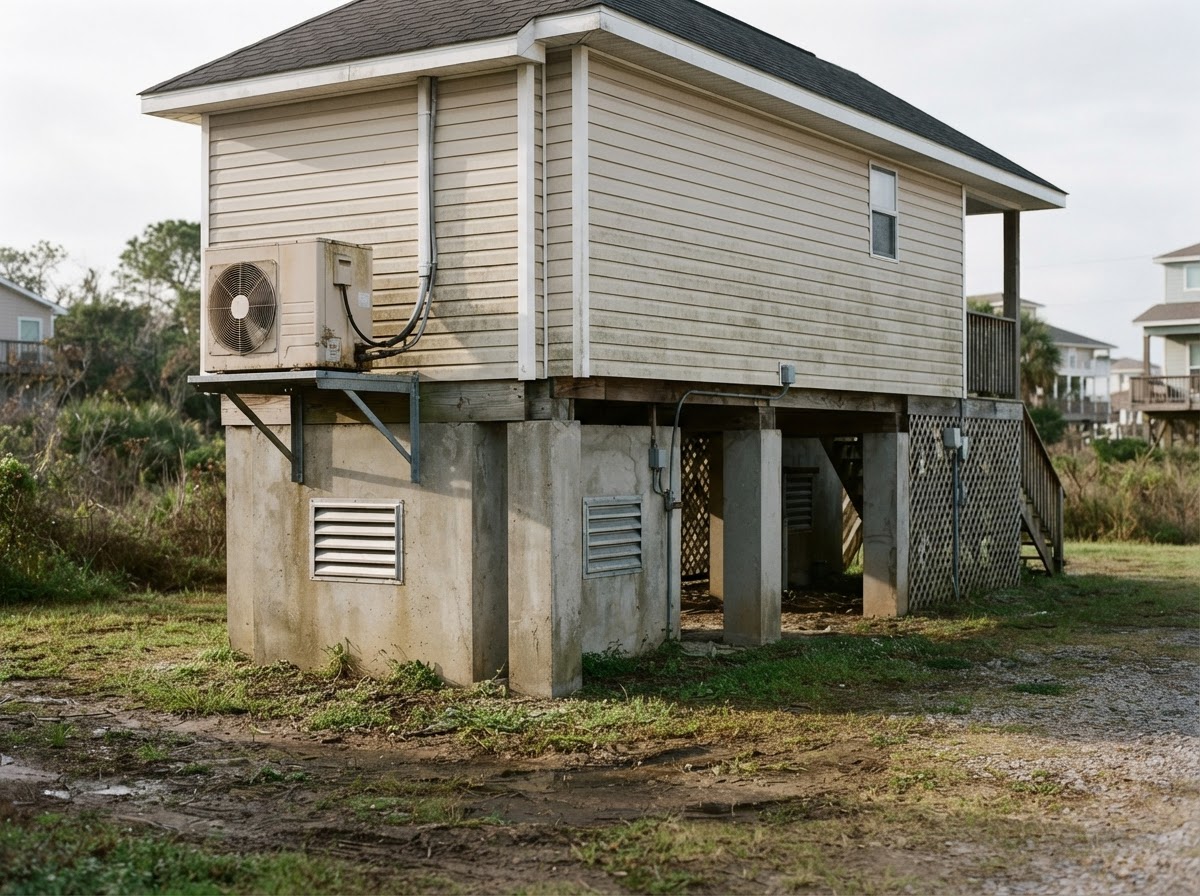
Zone VE (formerly V) is a high-risk coastal area subject to storm surge and wave action. In addition to flooding, these zones face potential structural damage from waves. BFEs incorporate wave effects. Building requirements are stricter—elevated construction and breakaway walls are often mandatory. Flood insurance is required, and premiums are higher due to the added risk from waves. Elevation certificates are critical in VE zones.
Moderate- to Low-Risk Zones
Zones beginning with B, X (shaded), or C indicate lower flood risk, but flooding is still possible. Insurance is not federally required but is often recommended.
Zone X (Shaded) – Moderate Risk
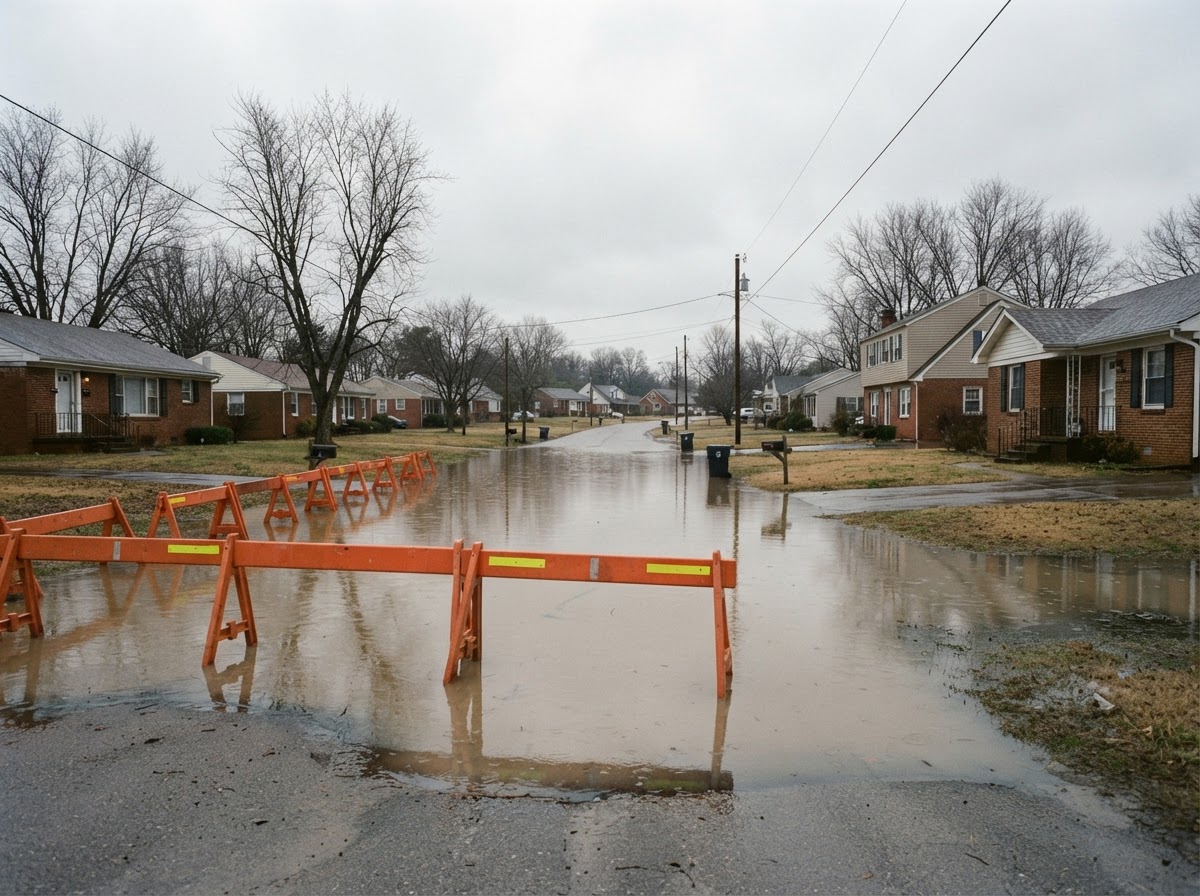
Shaded X zones (formerly B) are areas with a 0.2% annual chance of flooding (the “500-year flood”) or protected by levees to a 1% standard. Flooding from intense rainfall or drainage issues can still occur. Flood insurance is not mandatory but FEMA strongly recommends it, as about 25% of flood claims come from low-risk zones. Premiums are lower than in high-risk zones.
Zone X (Unshaded) – Minimal Risk
Unshaded X zones (formerly C) are areas with minimal flood risk, typically above the 500-year flood level. However, localized flooding from stormwater or ponding can happen. Insurance is not required, but consider a preferred-risk policy for peace of mind.
Other Flood Zone Designations
FEMA uses additional letters for specific situations:
- Zone AH: Shallow flooding with ponding depths of 1 to 3 feet. BFEs provided.
- Zone AO: Shallow flooding from sheet flow or urban drainage with depths of 1 to 3 feet. Flood depths are provided.
- Zone AR: Areas temporarily protected by flood control structures (e.g., dams) undergoing restoration. Restrictions may apply.
- Zone A99: Areas protected by an approved flood control system under construction. Lower insurance rates may apply.
How to Find Your Flood Zone
Use FEMA’s Flood Map Service Center or contact your local floodplain administrator. For mortgage-related requirements, ask your lender for a flood zone determination. You can also request an Elevation Certificate from a licensed surveyor, which is essential for accurate insurance ratings.
What About Flood Insurance?
If you are in a high-risk zone (A, AE, V, VE, etc.) and have a federally backed mortgage, flood insurance is mandatory. Policies are available through the NFIP (via FloodSmart.gov) or private insurers. In moderate- or low-risk zones, you can buy a Preferred Risk Policy at a reduced cost. Remember: flooding is excluded from standard homeowners insurance.
Map Changes and Appeals
Flood maps are periodically updated. You have the right to appeal or protest changes. More information is available on FEMA’s Change Your Flood Zone page. If your property is mapped into a higher-risk zone, consider purchasing insurance before the change becomes effective or request a Letter of Map Amendment (LOMA) if you believe the mapping is incorrect.
Conclusion
Understanding your FEMA flood zone letter is crucial for assessing risk, meeting mortgage requirements, and protecting your home. Start by checking your official flood map, consider your insurance options, and talk to a local floodplain manager if you have questions. Remember, flooding can happen anywhere—even in low-risk zones—so make an informed decision for your property.
About our guidance
Our guides are grounded in publicly available information from official sources such as FEMA, NOAA, USGS and Ready.gov. Information is general in nature — always verify details for your specific property and policy with official sources and your insurer.
Related guides
 InsuranceLender-Placed Flood Insurance: The Expensive Backup If Your Policy LapsesYour lender can force-place flood insurance if your policy lapses — and bill you for it, usually at a higher price. Here is how…Oct 15, 2026Read guide →
 InsuranceWhat Happens to Your NFIP Policy If Congress Lets the Program LapseCongress extended the NFIP through December 11, 2026. If the program lapses, existing policies stay in force and claims get paid…Oct 15, 2026Read guide →
 InsuranceExcess Flood Insurance: Coverage Above NFIP's $250,000 LimitThe NFIP caps flood coverage at $250,000 for the building and $100,000 for contents. If your home would cost more to rebuild,…Oct 15, 2026Read guide →