
First 48 Hours After a Disaster: Homeowner Checklist
4 min read
On this page
Stay safe and protect your property in the critical first two days after a natural disaster. This checklist, based on official guidance from FEMA, Ready.gov, and the CDC, helps you prioritize actions.
Introduction
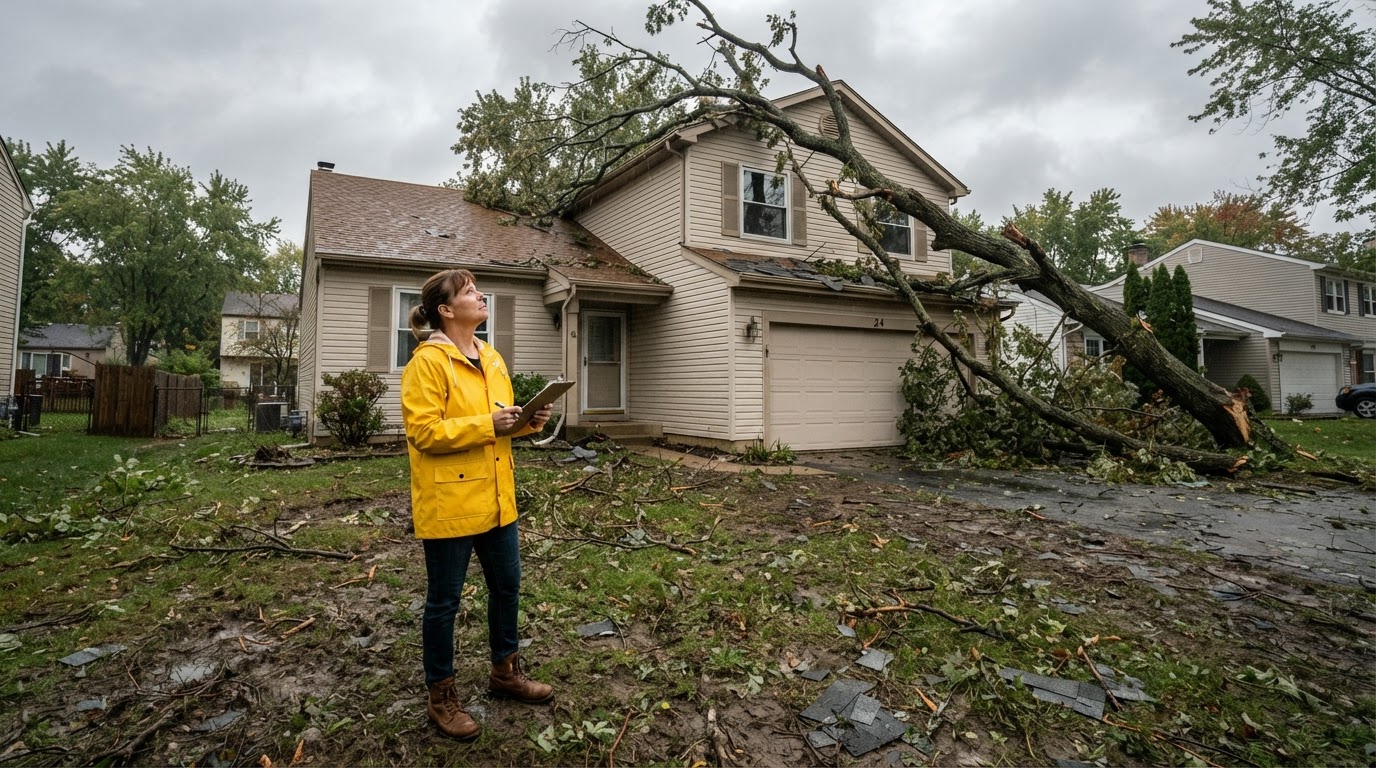
The first 48 hours after a natural disaster are critical for your safety and for minimizing damage to your home. This guide provides a step-by-step checklist compiled from official sources including FEMA, Ready.gov, the CDC, and the National Weather Service. Follow these recommendations to navigate the immediate aftermath safely.
1. Ensure Your Safety First
Check for Injuries
Before anything else, attend to any injuries. Call 911 for medical emergencies. If you have a first aid kit, treat minor wounds yourself. The CDC Disaster Preparedness page offers guidance on handling injuries during disasters.
Evacuate if Necessary
If your home is structurally unsafe or if local authorities issue an evacuation order, leave immediately. Know your community’s evacuation routes and have a go-bag ready. Never enter a building that appears damaged until it has been inspected by a professional.
Stay Informed
Listen to a battery-powered radio, NOAA Weather Radio, or check local news for updates. Sign up for emergency alerts via the FEMA App or your local emergency management system.
2. Assess Your Home's Condition
Look for Hazards
- Gas leaks: If you smell gas or hear hissing, leave immediately and call the gas company from outside. Do not use any electrical devices or flames.
- Electrical damage: If you see sparks, frayed wires, or smell burning insulation, shut off the main breaker if safe. Otherwise, leave and call an electrician.
- Structural damage: Check for cracks in foundation, leaning walls, or sagging roof. If in doubt, stay out and consult a structural engineer.
Document Damage
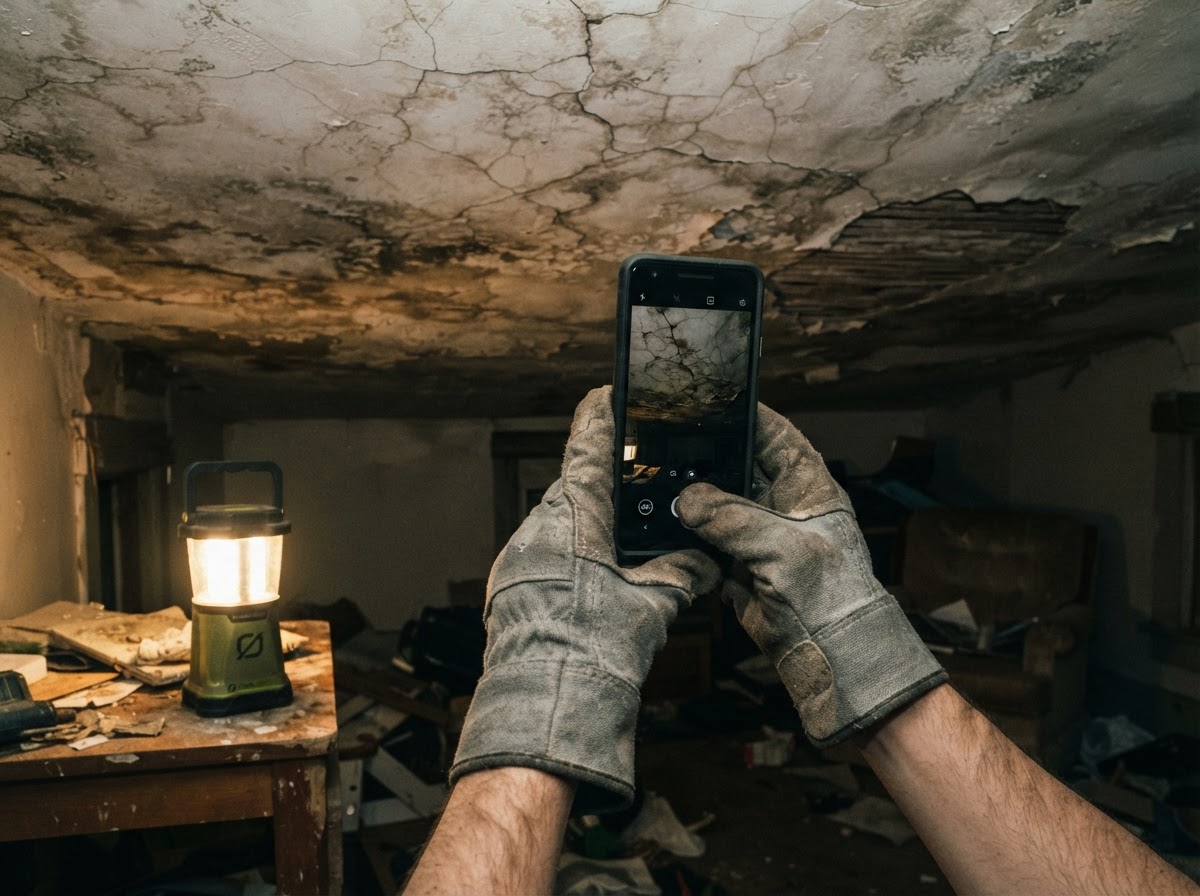
Take photos and videos of all damage before you start cleaning or making temporary repairs. This documentation is crucial for insurance claims. Use a pencil (not a pen) to mark temporary repairs on walls or other surfaces—easier to adjust if needed.
3. Secure Your Property
Make Temporary Repairs
To prevent further damage, cover broken windows with plywood or tarps, and patch roof leaks. Keep receipts for materials; your insurance may reimburse you. Refer to FEMA's recovery resources for guidance on temporary fixes.
Turn Off Utilities if Necessary
- Gas: Only turn off if you suspect a leak or are told to by authorities. Once turned off, only a professional can safely turn it back on.
- Water: Shut off the main water valve to prevent flooding from broken pipes.
- Electricity: Turn off at the main breaker if there is standing water or damage to wiring.
4. Contact Your Insurance Company
File a claim as soon as possible. Provide your policy number and a description of the damage. Ask about temporary housing coverage and how to get an advance payment for urgent needs. The Insurance Information Institute offers tips on what to expect during the claims process.
5. Protect Important Documents
Gather passports, birth certificates, insurance policies, deeds, and medical records. Store them in a waterproof bag or use a safe deposit box if accessible. If damaged, see the USA.gov guide on replacing vital documents.
6. Manage Cleanup Safely
Wear Protective Gear
When cleaning debris or standing water, wear sturdy boots, gloves, and an N95 mask to avoid inhaling mold spores, dust, or chemicals. The CDC's NIOSH provides details on appropriate PPE.
Remove Standing Water Carefully
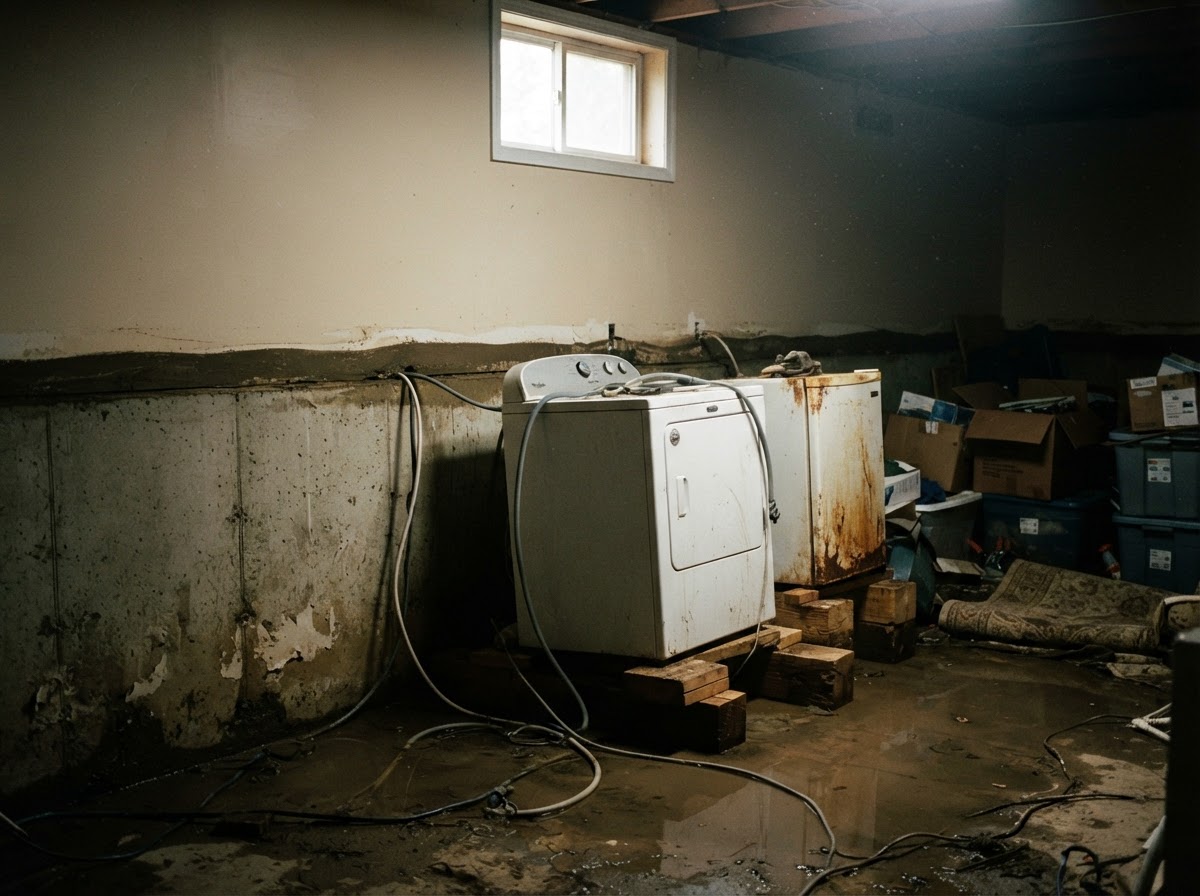
Dry your home thoroughly to prevent mold. Use pumps, wet/dry vacuums, and dehumidifiers. Be aware that floodwater may contain sewage; treat it as hazardous. Dispose of porous materials like carpets and drywall that have been soaked for over 24 hours.
7. Address Mental Health Needs
Disasters are stressful. Take breaks, stay connected with family and neighbors, and don't hesitate to seek help. The Disaster Distress Helpline (1-800-985-5990) provides free, confidential support.
8. Avoid Scams and Fraud
Be cautious of contractors who show up uninvited. Only hire licensed, bonded professionals. Verify credentials with your state’s licensing board. Never pay in cash or sign a contract you don’t understand. Report price gouging to your state attorney general.
Conclusion
The first 48 hours after a disaster set the stage for a successful recovery. Your priorities are safety, documentation, and preventing further damage. Use this checklist as a guide and always rely on official sources for updates. For more detailed information, visit Ready.gov and FEMA.gov.
About our guidance
Our guides are grounded in publicly available information from official sources such as FEMA, NOAA, USGS and Ready.gov. Information is general in nature — always verify details for your specific property and policy with official sources and your insurer.
Related guides
 InsuranceLender-Placed Flood Insurance: The Expensive Backup If Your Policy LapsesYour lender can force-place flood insurance if your policy lapses — and bill you for it, usually at a higher price. Here is how…Oct 15, 2026Read guide →
 InsuranceWhat Happens to Your NFIP Policy If Congress Lets the Program LapseCongress extended the NFIP through December 11, 2026. If the program lapses, existing policies stay in force and claims get paid…Oct 15, 2026Read guide →
 InsuranceExcess Flood Insurance: Coverage Above NFIP's $250,000 LimitThe NFIP caps flood coverage at $250,000 for the building and $100,000 for contents. If your home would cost more to rebuild,…Oct 15, 2026Read guide →