
Flood Insurance Explained: What Every Homeowner Needs to Know
4 min read
On this page
- Why Standard Homeowners Insurance Doesn’t Cover Floods
- Who Needs Flood Insurance?
- What Does Flood Insurance Cover?
- What Is Not Covered by Flood Insurance
- How Flood Insurance Premiums Are Determined
- When to Buy Flood Insurance
- How to Purchase Flood Insurance
- Taking Inventory Before a Flood
- Filing a Claim After a Flood
- Conclusion
Flood insurance is often misunderstood but crucial for protecting your home. Learn what it covers, who needs it, and how to buy a policy from the NFIP or private insurers.
Why Standard Homeowners Insurance Doesn’t Cover Floods
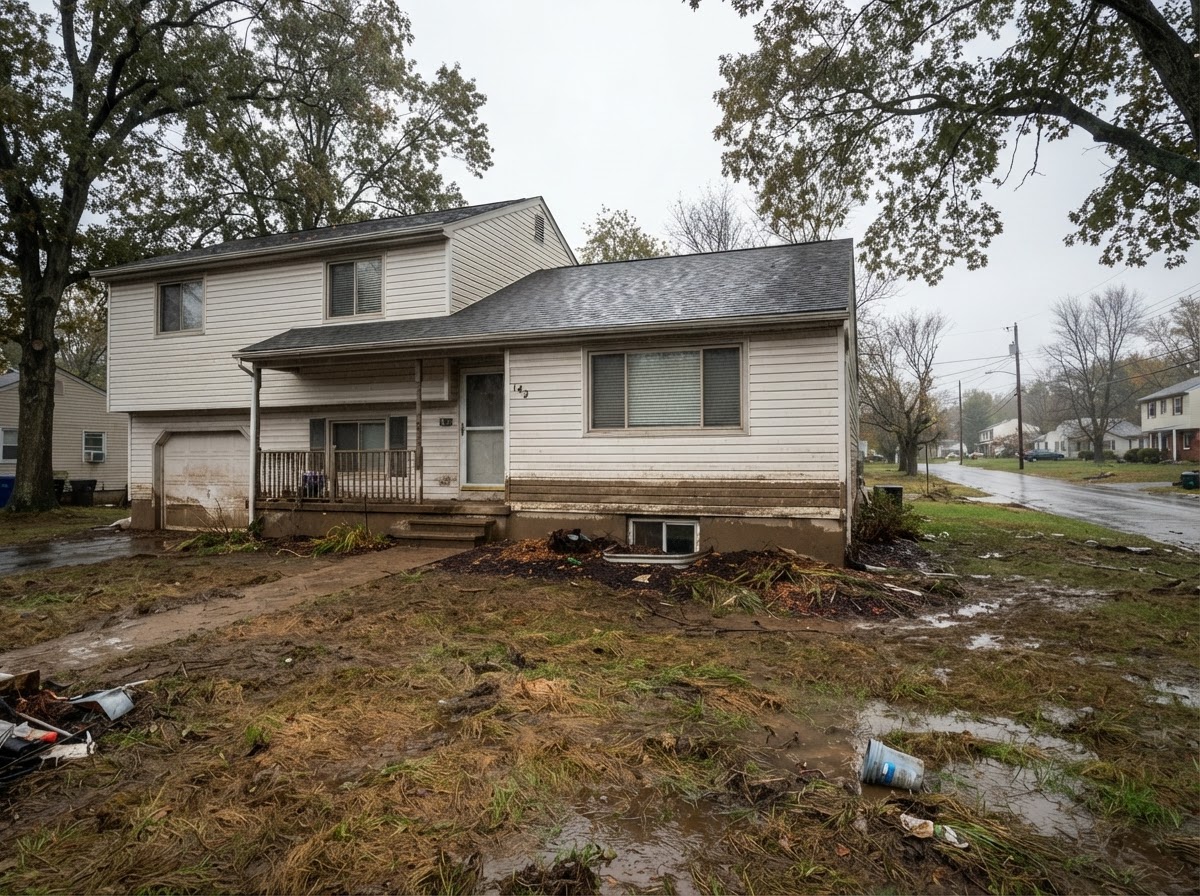
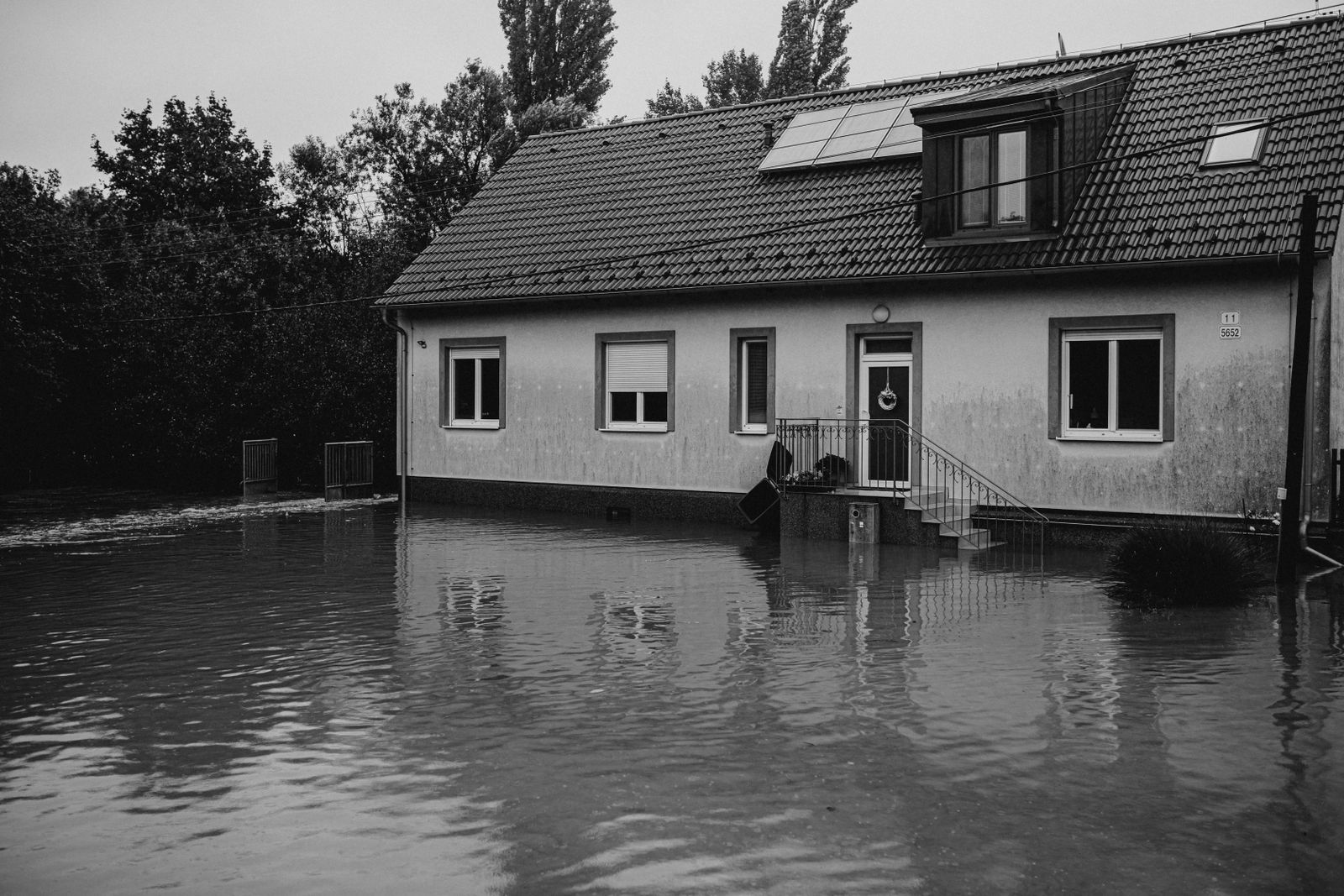
Many homeowners are surprised to learn that standard homeowners insurance policies explicitly exclude flood damage. According to FEMA, flooding is defined as a general and temporary condition of partial or complete inundation of normally dry land. This can result from heavy rain, storm surge, snowmelt, or overflowing rivers. If your home is damaged by water entering from the ground up, you typically need separate flood insurance.
Who Needs Flood Insurance?
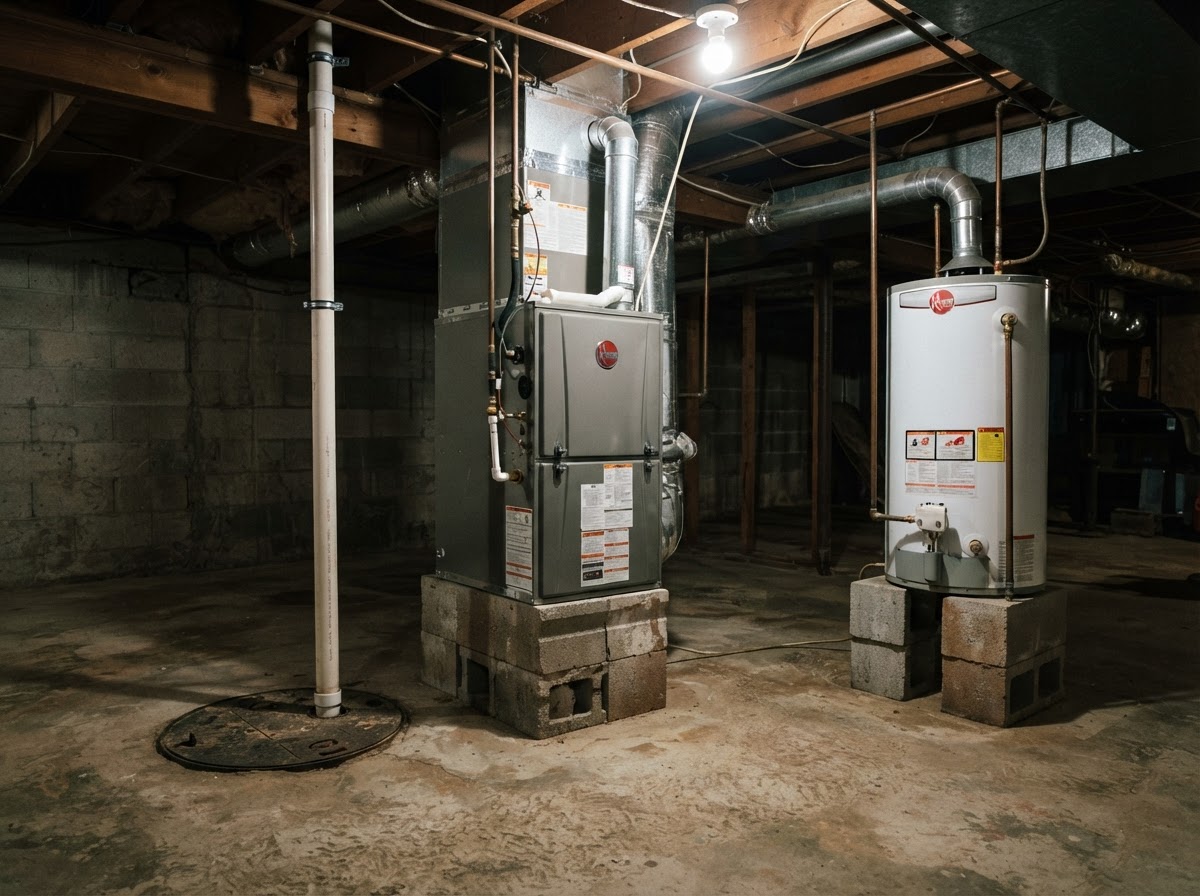
If you live in a high-risk flood zone (Special Flood Hazard Area) and have a mortgage from a federally regulated lender, you are required to carry flood insurance. However, even if you’re not in a designated high-risk area, flood risk exists. FEMA’s Flood Map Service Center allows you to check your flood zone. Notably, over 20% of flood claims come from properties outside high-risk zones. Consider flood insurance if you have any basement or live in an area prone to heavy rainfall or coastal storms.
What Does Flood Insurance Cover?
Flood insurance policies are available through the National Flood Insurance Program (NFIP) and private insurers. Coverage is divided into two parts:
- Building Property Coverage: Covers the structure of your home, including foundation, electrical and plumbing systems, HVAC equipment, water heaters, and permanently installed appliances (like dishwashers and stoves).
- Personal Property Coverage: Covers belongings such as furniture, electronics, clothing, and portable appliances. Note that items stored in basements may have limited coverage.
NFIP policies have limits: up to $250,000 for building coverage and up to $100,000 for personal property. Higher limits are often available through private insurers.
What Is Not Covered by Flood Insurance
Standard flood insurance does not cover:
- Damage caused by moisture, mildew, or mold that could have been prevented
- Temporary living expenses during repairs (some private policies may offer this)
- Property outside the insured building (e.g., landscaping, septic systems, pools)
- Vehicles (covered by comprehensive auto insurance)
- Business interruption (separate business flood insurance needed)
It’s important to read the full policy details or consult with an insurance agent.
How Flood Insurance Premiums Are Determined
Premiums depend on several factors:
- Flood zone: High-risk zones have higher rates.
- Elevation: The height of the lowest floor relative to the Base Flood Elevation (BFE).
- Building characteristics: Age, construction type, and number of floors.
- Deductible: Choosing a higher deductible lowers the premium.
- Location: Proximity to water bodies and local flood history.
You can request an Elevation Certificate from a licensed surveyor to get an accurate rating. FEMA’s Risk Rating 2.0 now uses more granular data, including replacement cost and distance to a water source.
When to Buy Flood Insurance
There is a 30-day waiting period before NFIP policies take effect, so don’t wait until a storm is approaching. Exceptions: if coverage is required for a mortgage closing, or if the policy is purchased during a community’s map update. Buy flood insurance well before hurricane season or spring thaw. Private policies may have shorter waiting periods.
How to Purchase Flood Insurance
Contact your homeowners insurance agent. If they don’t offer flood insurance, shop for a provider through FloodSmart.gov or an independent agent. Compare NFIP and private policies: NFIP offers standardized coverage, while private insurers may offer higher limits or additional coverages like replacement cost and loss of use. Always verify the insurer’s financial strength.
Taking Inventory Before a Flood
Before a flood, document your belongings with photos, videos, and receipts. Store this inventory in a water-safe location or digitally. This will speed up claims. The CDC offers a flood preparedness checklist.
Filing a Claim After a Flood
If your home floods, follow these steps:
- Ensure safety – turn off electricity if safe, avoid standing water.
- Document damage thoroughly before cleaning.
- Contact your insurance company immediately.
- Separate damaged from undamaged property, but do not throw items away until the adjuster has seen them.
- Keep receipts for any emergency repairs.
The NFIP provides claims guidance. Under federal law, you have up to one year to submit final proof of loss.
Conclusion
Flood insurance is a vital safeguard for any homeowner, regardless of flood zone. Review your risk, understand coverage options, and purchase a policy before it's too late. For more information, visit FEMA’s Flood Insurance page and Ready.gov/floods. Take action today to protect your most valuable asset.
About our guidance
Our guides are grounded in publicly available information from official sources such as FEMA, NOAA, USGS and Ready.gov. Information is general in nature — always verify details for your specific property and policy with official sources and your insurer.
Related guides
 InsuranceLender-Placed Flood Insurance: The Expensive Backup If Your Policy LapsesYour lender can force-place flood insurance if your policy lapses — and bill you for it, usually at a higher price. Here is how…Oct 15, 2026Read guide →
 InsuranceWhat Happens to Your NFIP Policy If Congress Lets the Program LapseCongress extended the NFIP through December 11, 2026. If the program lapses, existing policies stay in force and claims get paid…Oct 15, 2026Read guide →
 InsuranceExcess Flood Insurance: Coverage Above NFIP's $250,000 LimitThe NFIP caps flood coverage at $250,000 for the building and $100,000 for contents. If your home would cost more to rebuild,…Oct 15, 2026Read guide →