
Flood Insurance Outside High-Risk Zones: What You Need to Know
5 min read
On this page
- Why Flood Insurance Matters Even Outside High-Risk Zones
- What Is a High-Risk Flood Zone?
- Who Needs Flood Insurance?
- What Does Flood Insurance Cover?
- How Much Does Flood Insurance Cost Outside High-Risk Zones?
- When Should You Consider Flood Insurance?
- What About Disaster Assistance?
- Actionable Steps for Homeowners
- Conclusion
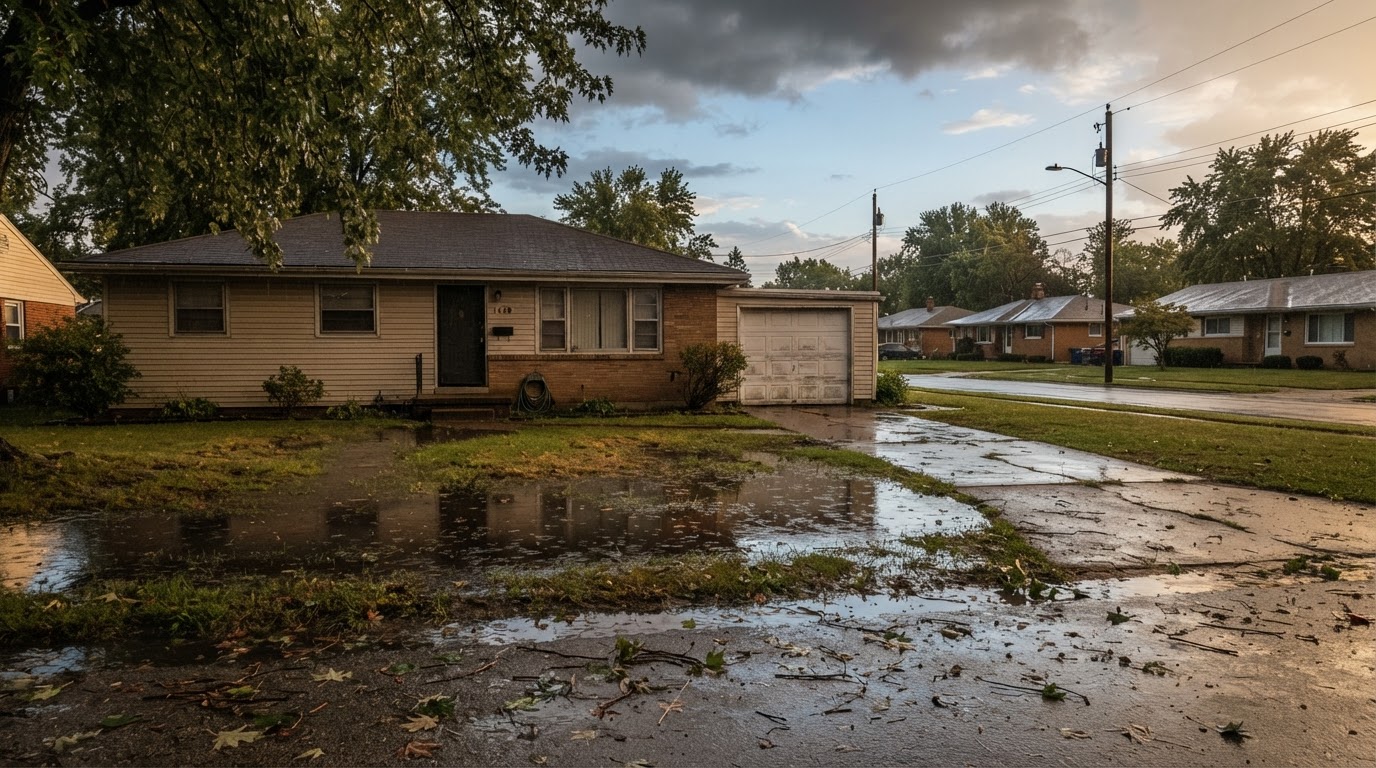
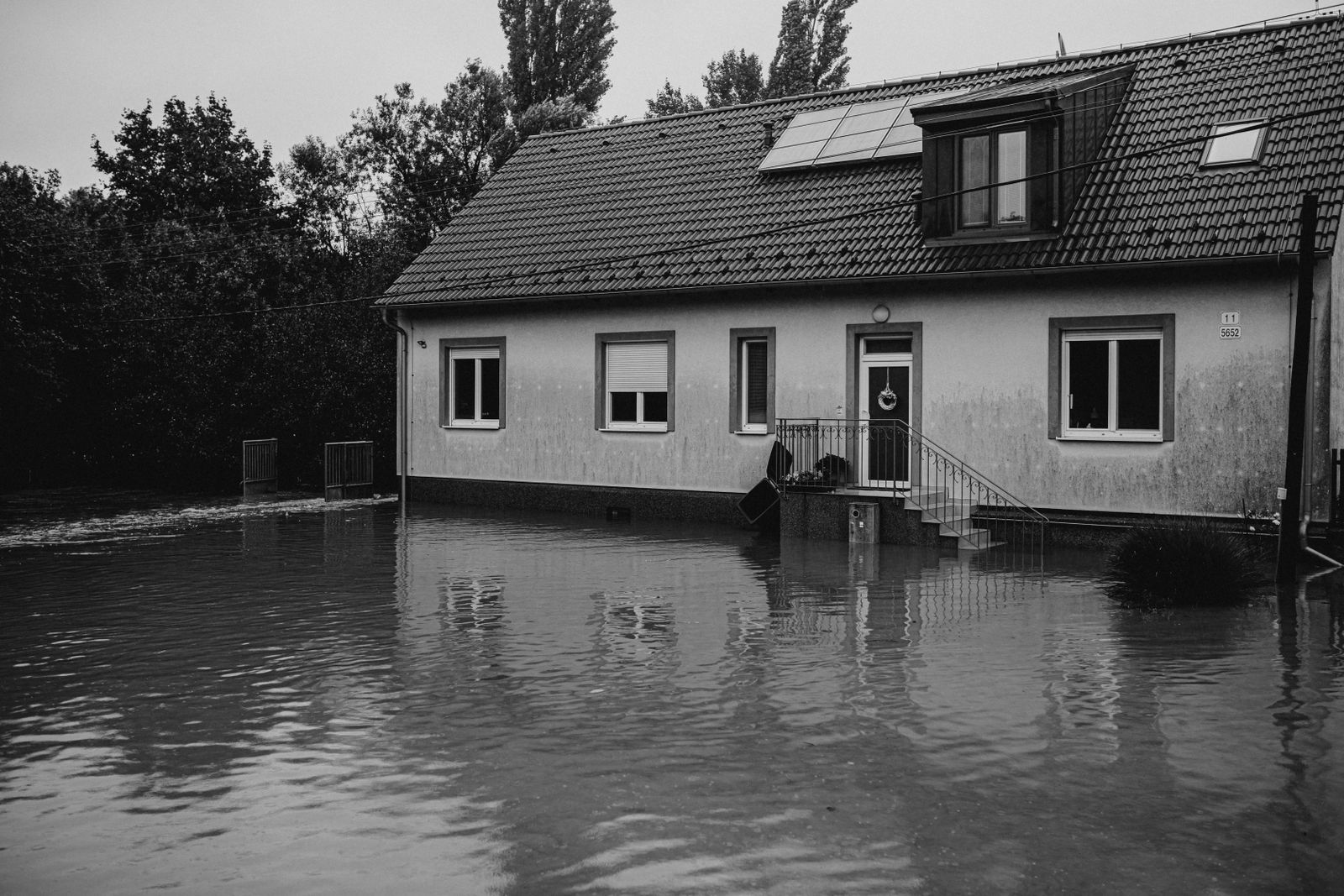
Many homeowners assume they don’t need flood insurance if they’re not in a high-risk zone. But over 25% of flood claims come from low- to moderate-risk areas. Here’s what you should know.
Why Flood Insurance Matters Even Outside High-Risk Zones
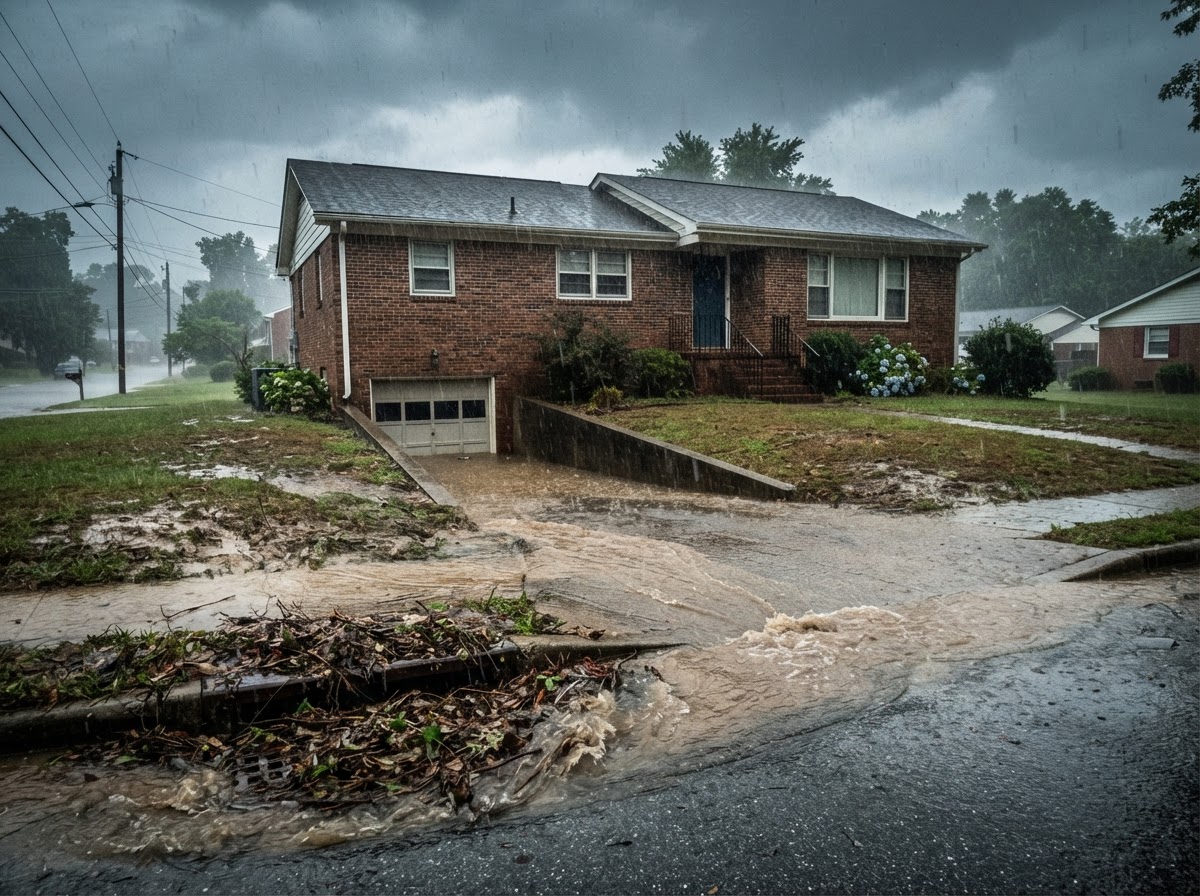
When you buy a home, your lender typically requires flood insurance only if you’re in a Special Flood Hazard Area (SFHA), often called a high-risk zone. But floods can happen anywhere. In fact, according to FEMA, more than 25% of National Flood Insurance Program (NFIP) claims come from properties outside high-risk zones. Between 2014 and 2018, FEMA paid over $3 billion in claims from low- to moderate-risk areas. This means even if your home isn’t in a mapped floodplain, you could still face devastating flood damage.
What Is a High-Risk Flood Zone?
FEMA’s Flood Insurance Rate Maps (FIRMs) designate areas with a 1% annual chance of flooding (the “100-year flood”) as high-risk zones (e.g., Zones A, AE, V, VE). These areas have a 26% chance of flooding over a 30-year mortgage. Low- and moderate-risk zones—often labeled Zones X, C, or B—have a reduced risk, but not zero risk.
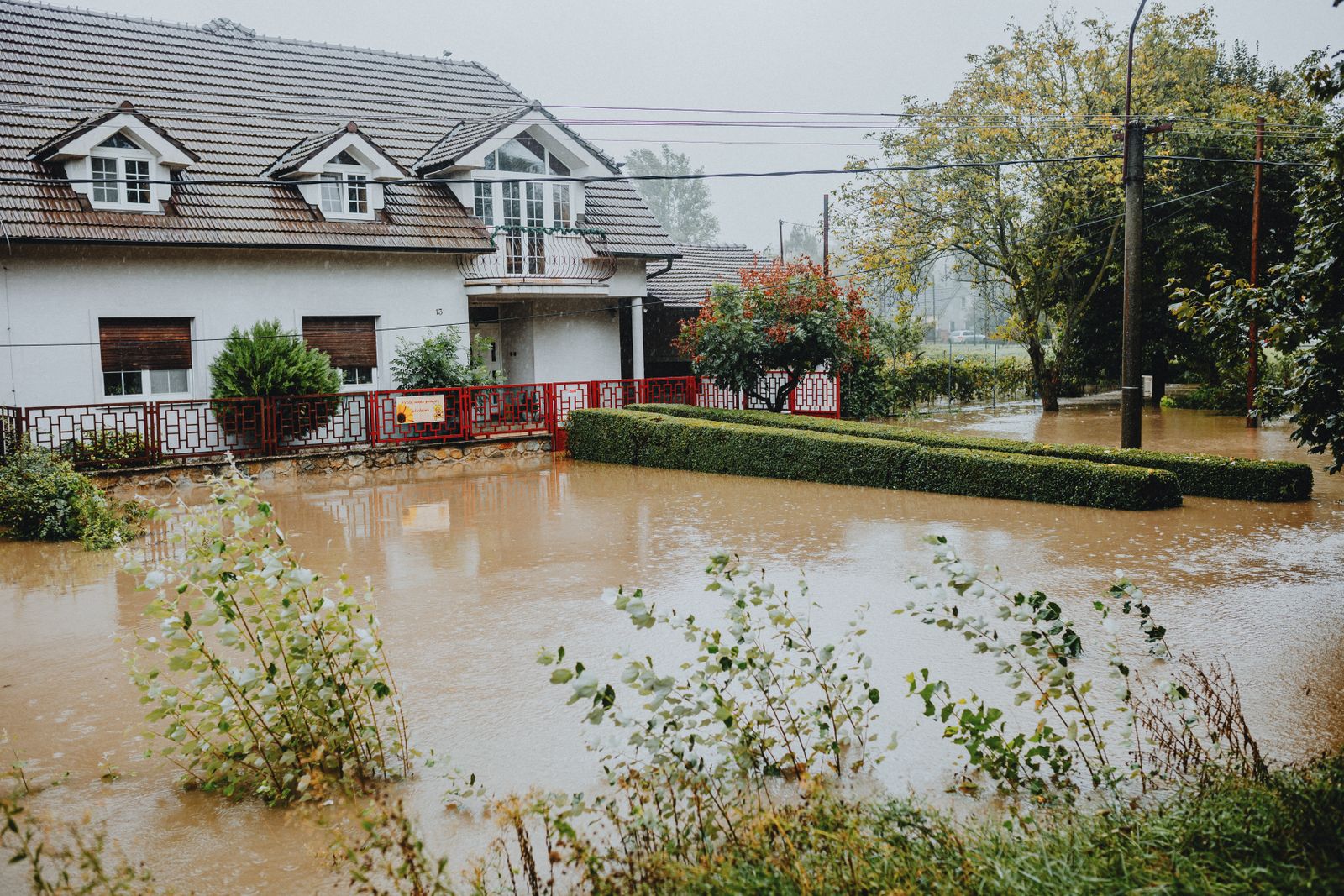
Key point: Flooding outside high-risk zones is more common than people think. Intense rainfall, poor drainage, new development, and snowmelt can cause flooding in areas that maps don’t capture. The Ready.gov site reminds us that “anywhere it rains, it can flood.”
Who Needs Flood Insurance?
1. Homeowners with a Mortgage from a Federally Regulated Lender
If your home is in a high-risk zone, your lender must require flood insurance. If you’re outside that zone, it’s optional—but many experts recommend it. After a disaster, federal disaster assistance is often a loan (not a grant), not free money. The FEMA Individual Assistance program may provide grants for temporary housing or repairs, but it’s capped (e.g., up to $37,000 as of 2024) and usually requires you to also apply for a Small Business Administration (SBA) loan. Flood insurance pays you back for your losses, not as a loan.
2. Renters
Renters can get flood insurance to cover personal belongings. A landlord’s policy typically doesn’t cover the renter’s contents.
3. Business Owners
Commercial property owners can also purchase NFIP coverage for both building and contents. Even if you’re in a low-risk zone, a single flood event can shut down your business.
What Does Flood Insurance Cover?
NFIP flood insurance has two parts:
- Building coverage: Up to $250,000 for the structure (foundation, walls, roof, electrical, plumbing, HVAC, built-in appliances, etc.).
- Contents coverage: Up to $100,000 for personal belongings (furniture, electronics, clothing, etc.).
Note: NFIP does not cover basement improvements, currency, precious metals, stock certificates, or property outside your building. Consider private flood insurance for higher limits or broader coverage.
How Much Does Flood Insurance Cost Outside High-Risk Zones?
For low- to moderate-risk zones, premiums can be surprisingly affordable. NFIP’s Preferred Risk Policy (PRP) offers lower rates for properties in Zones X, C, and B. In 2024, a PRP might cost as little as $400–$600 per year, depending on your home’s value and coverage limits. Compare that to the cost of a single flood: average flood claims in recent years exceed $50,000, according to FloodSmart.gov.
After NFIP’s Risk Rating 2.0 (implemented in 2021), premiums now better reflect individual property risk (distance to water, elevation, foundation type). So even in low-risk zones, your rate will be based on your home’s actual risk, not just the map zone. Check with your insurance agent for a quote.
When Should You Consider Flood Insurance?
- If you live near a river, creek, or coast—even if not mapped as high-risk.
- If your area has heavy rainfall or poor drainage. Urban flooding is common.
- If you’ve had flooding before—even minor events.
- If you can’t afford the financial hit of flood damage. A few inches of water can cost tens of thousands.
Use the FEMA Flood Map Service Center to see your map. But remember, maps change—FEMA revises them regularly, and your zone can be updated to high-risk.
What About Disaster Assistance?
After a presidentially declared disaster, the government may offer grants or loans. But this assistance is not a substitute for insurance. FEMA assistance is often limited: average grants for housing repair are a few thousand dollars, and SBA loans must be repaid with interest. If you have flood insurance, you’re paid directly for your covered losses, often much faster and with less red tape.
Actionable Steps for Homeowners
- Check your flood risk. Use FEMA’s Map Service Center or FloodSmart.gov to see if you’re in a low-risk zone.
- Talk to an insurance agent. Get a quote for an NFIP Preferred Risk Policy or a private policy. Prices are often lower than you think.
- Make a disaster plan. Even if you don’t buy insurance, plan for flood risks. Build an emergency kit.
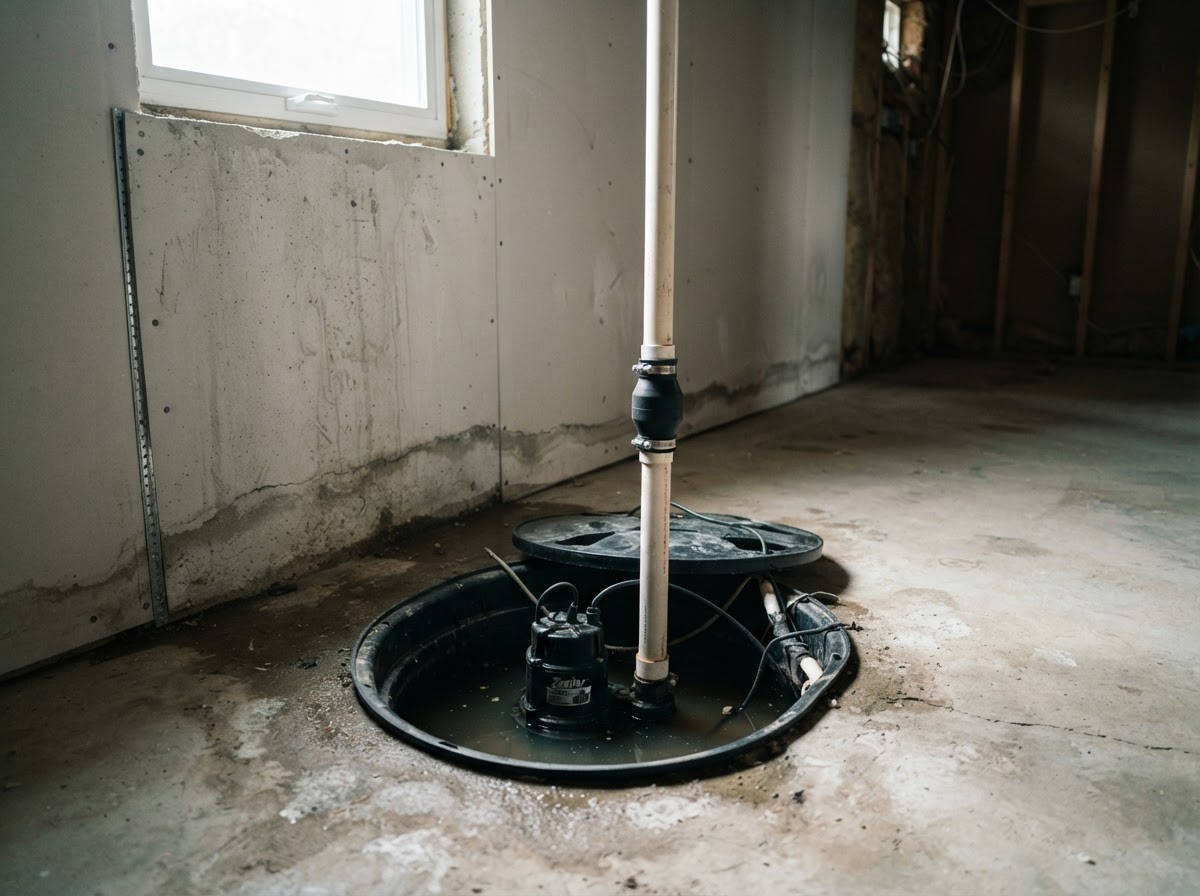
- Consider mitigation. Elevate utilities, install check valves, or landscape to direct water away from your foundation. Some communities offer discounts on flood insurance for mitigation efforts.
Conclusion
Living outside a high-risk flood zone does not mean you are flood-proof. With affordable policies available through the NFIP, flood insurance is a smart financial decision for most homeowners. Don’t wait until a storm hits to find out you’re not covered. Visit FloodSmart.gov or talk to your insurance agent today.
About our guidance
Our guides are grounded in publicly available information from official sources such as FEMA, NOAA, USGS and Ready.gov. Information is general in nature — always verify details for your specific property and policy with official sources and your insurer.
Related guides
 InsuranceLender-Placed Flood Insurance: The Expensive Backup If Your Policy LapsesYour lender can force-place flood insurance if your policy lapses — and bill you for it, usually at a higher price. Here is how…Oct 15, 2026Read guide →
 InsuranceWhat Happens to Your NFIP Policy If Congress Lets the Program LapseCongress extended the NFIP through December 11, 2026. If the program lapses, existing policies stay in force and claims get paid…Oct 15, 2026Read guide →
 InsuranceExcess Flood Insurance: Coverage Above NFIP's $250,000 LimitThe NFIP caps flood coverage at $250,000 for the building and $100,000 for contents. If your home would cost more to rebuild,…Oct 15, 2026Read guide →