
Flooded While Inside: Your Survival Guide
4 min read
On this page
If your home floods while you're inside, every second counts. Learn the life-saving steps from FEMA, the CDC, and Ready.gov to stay safe until help arrives.
Immediate Steps When Water Enters Your Home
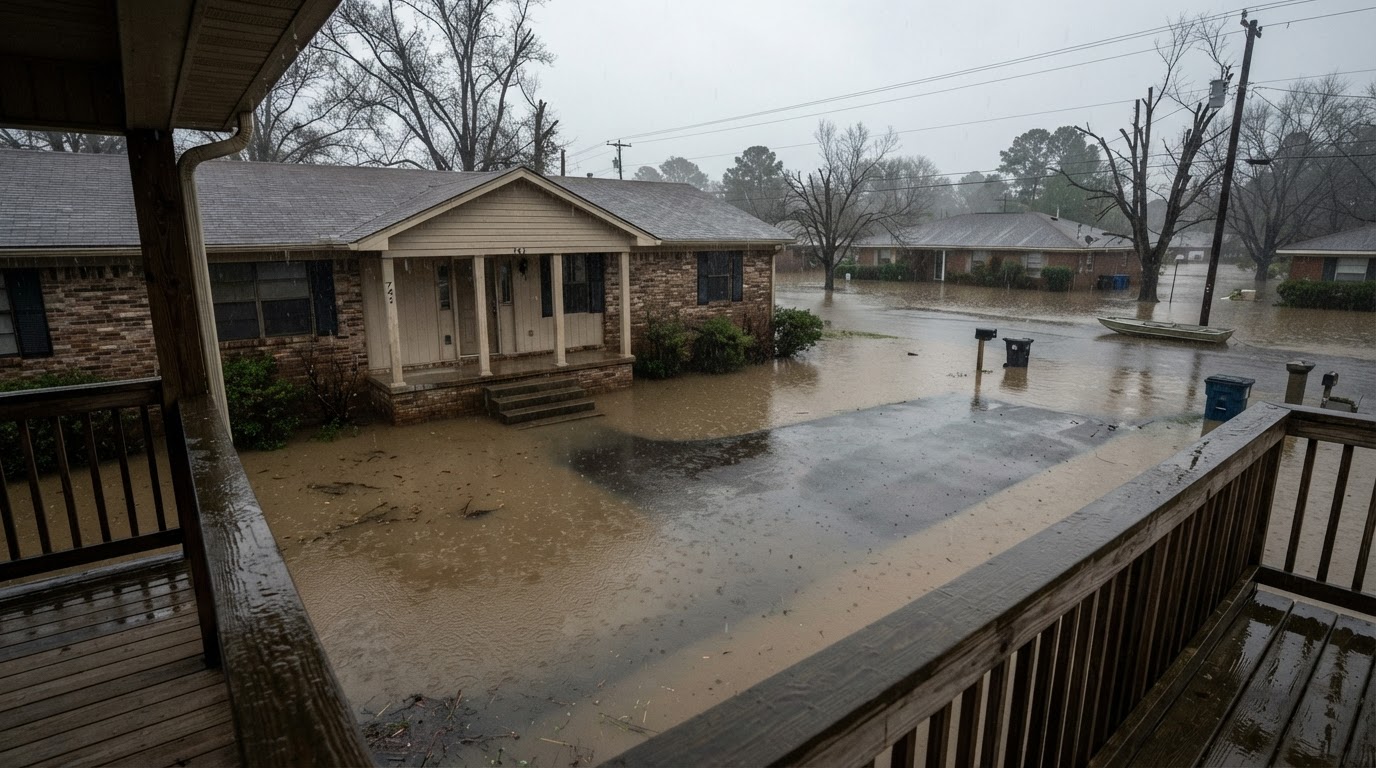
If you're inside when floodwater starts rising, your priority is to get to the highest safe point in your home. According to Ready.gov, never try to walk, swim, or drive through floodwater—just six inches of moving water can knock you down, and one foot of water can sweep away a vehicle.
1. Move to Higher Ground Immediately
- Head to the highest floor—attic, second story, or even the roof if necessary.
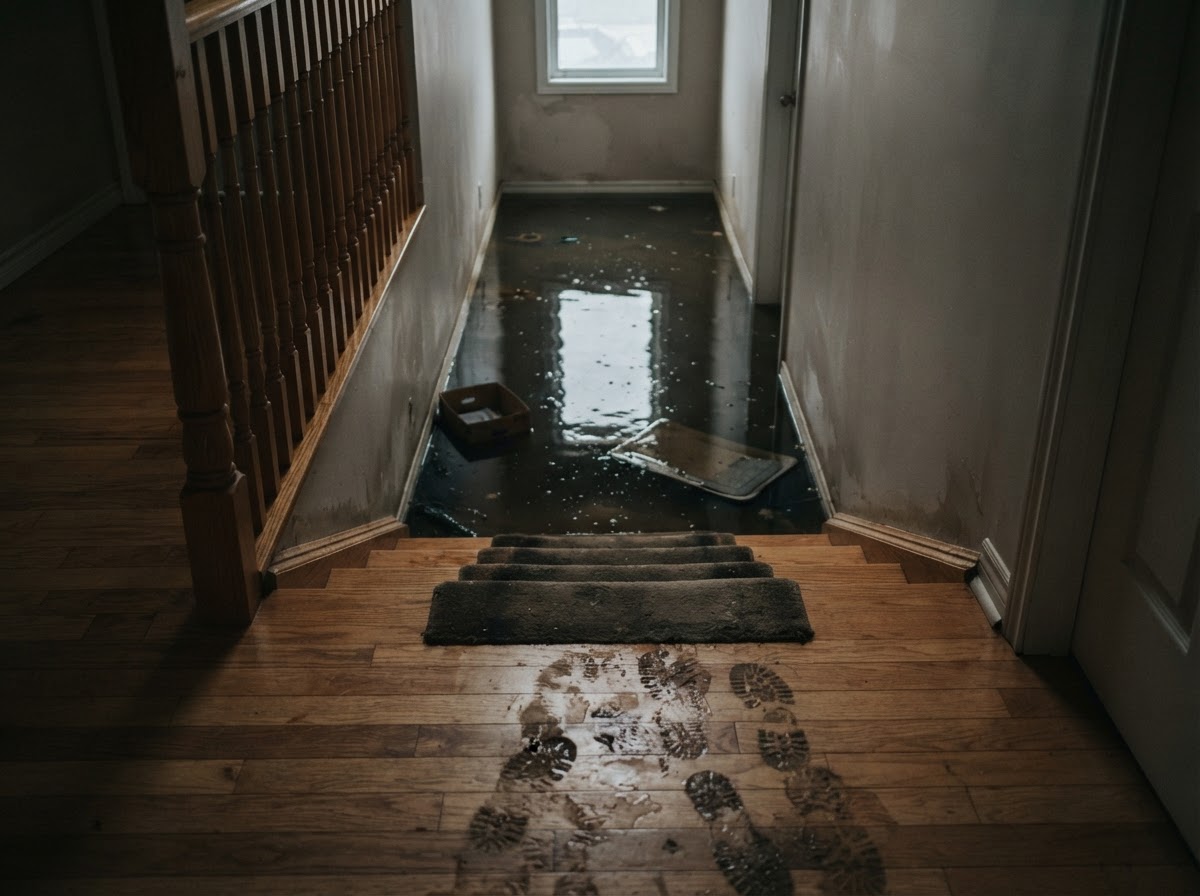
- Avoid basements—they can fill with water quickly, trapping you.
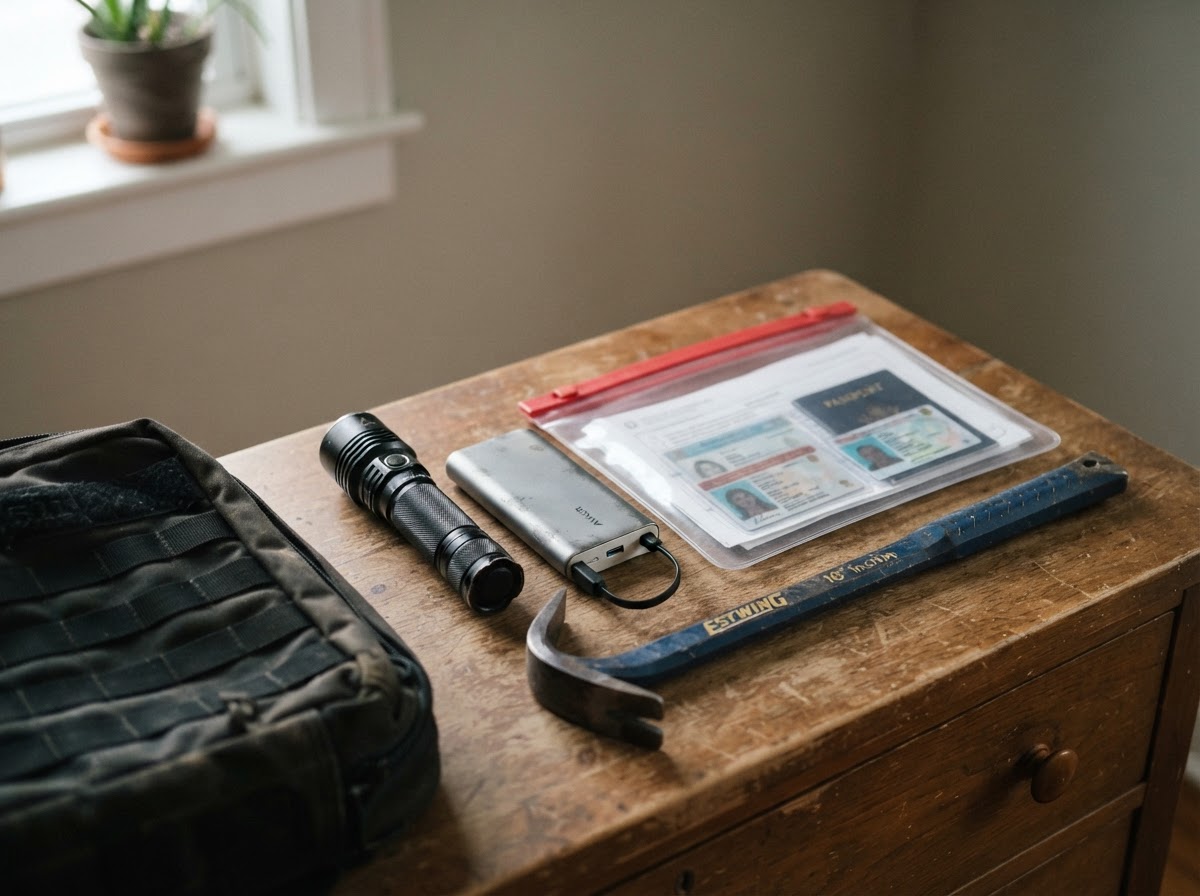
- Take your emergency kit if you have one ready (water, food, flashlight, first aid, medications).
- Bring a phone to call 911 if needed, but only if it's safe.
2. Avoid Electrical Hazards
Floodwater and electricity are a deadly combination. The CDC warns to never touch electrical equipment if you're wet or standing in water. If you can do so safely, turn off the main circuit breaker before flooding gets worse—but only if you can reach it without stepping into water.
3. Leave the Building if Water Continues to Rise
If floodwater is still rising and you're on the highest floor, consider moving to the roof. According to FEMA, only get on the roof as a last resort. Once on the roof, signal for help—use a flashlight, flag, or call 911. Do not climb into a closed attic if there is no window or roof hatch; you could get trapped as water rises.
How to Stay Safe While Sheltering in Place
Stay Informed
- Listen to a battery-powered radio or a weather app for updates from NOAA Weather Radio or local emergency alerts.
- Follow instructions from local authorities: they may order an evacuation or advise you to stay put.
Protect Yourself from Contaminated Water
Floodwater often contains sewage, chemicals, and debris. The CDC emphasizes to avoid skin contact as much as possible. If you must wade, wear rubber boots and gloves. After the water recedes, wash any exposed skin with soap and clean water.
Prepare for the Worst-Case Scenario
If you're trapped in a room with rising water:
- Use a sturdy object to break a window or hatch to reach the roof.
- If you have a life jacket or flotation device, put it on.
- Bring a whistle or flashlight to signal rescuers.
What NOT to Do During a Flood
- Don't attempt to swim in fast-moving water—even strong swimmers can be swept away.
- Don't use electrical appliances or touch outlets.
- Don't consume tap water until authorities say it's safe—flooding can contaminate the water supply.
- Don't drive or walk through water—turn around, don't drown.
After the Flood: Actionable Steps for Homeowners
Wait for the All-Clear
Only return inside when local officials say it's safe. Stay tuned to the National Weather Service for updates.
Inspect Your Home Safely
- Enter with caution—flooding may have caused structural damage.
- Look for cracks, sagging ceilings, or loose floors.
- Wear sturdy shoes, long pants, and gloves to protect from debris.
Document Damage for Insurance Claims
Take photos and videos of all damage before cleaning. Contact your insurance company as soon as possible. FEMA recommends keeping receipts for any cleanup materials or temporary lodging (if covered).
Prevent Mold and Contamination
- Remove standing water with pumps or wet/dry vacuums within 24-48 hours.
- Discard absorbent materials like carpet, drywall, and insulation that got wet.
- Clean surfaces with a bleach solution (1 cup bleach to 1 gallon water) to kill mold, per CDC guidelines.
- Open windows and doors to ventilate if possible.
Conclusion
Flooding is terrifying, but knowing what to do can save your life. The most important rule: get to high ground, avoid water, and never risk moving through it. After the flood, prioritize safety, document damage, and clean up carefully to prevent health hazards. For more information on flood preparedness and recovery, visit Ready.gov/floods and FEMA's Flood Map Service Center.
About our guidance
Our guides are grounded in publicly available information from official sources such as FEMA, NOAA, USGS and Ready.gov. Information is general in nature — always verify details for your specific property and policy with official sources and your insurer.
Keep exploring
Related guides
 InsuranceExcess Flood Insurance: Coverage Above NFIP's $250,000 LimitThe NFIP caps flood coverage at $250,000 for the building and $100,000 for contents. If your home would cost more to rebuild,…Oct 15, 2026Read guide →
 How Elevation Certificates Lower Your Flood Insurance PremiumLearn how an elevation certificate can save you hundreds on flood insurance by accurately showing your home's flood risk. This…Jun 21, 2026Read guide →
 Basement Flooding Prevention: Gutters, Grading, and Sump PumpsLearn how proper gutters, grading, and sump pump maintenance can protect your basement from flooding, based on official guidance…Jun 21, 2026Read guide →