
Generator Safety at Home: 5 Critical Mistakes to Avoid
4 min read
On this page
- Introduction
- Mistake #1: Operating a Generator Indoors or in Enclosed Spaces
- Mistake #2: Connecting a Generator Directly to Your Home’s Electrical Panel Without a Transfer Switch
- Mistake #3: Refueling a Hot or Running Generator
- Mistake #4: Overloading the Generator
- Mistake #5: Using the Generator in Wet Conditions
- Conclusion
Portable generators can be lifesavers during outages, but improper use leads to deadly risks. Learn the top don'ts from official safety guidance to protect your family.
Introduction
When the power goes out, a portable generator can keep your lights on, fridge running, and medical devices powered. However, generators also pose serious hazards—carbon monoxide poisoning, electric shock, fire, and more. According to the CDC, hundreds of people die each year from generator-related carbon monoxide poisoning. Most of these tragedies are preventable. This article covers the five most dangerous mistakes homeowners make and how to avoid them.
Mistake #1: Operating a Generator Indoors or in Enclosed Spaces
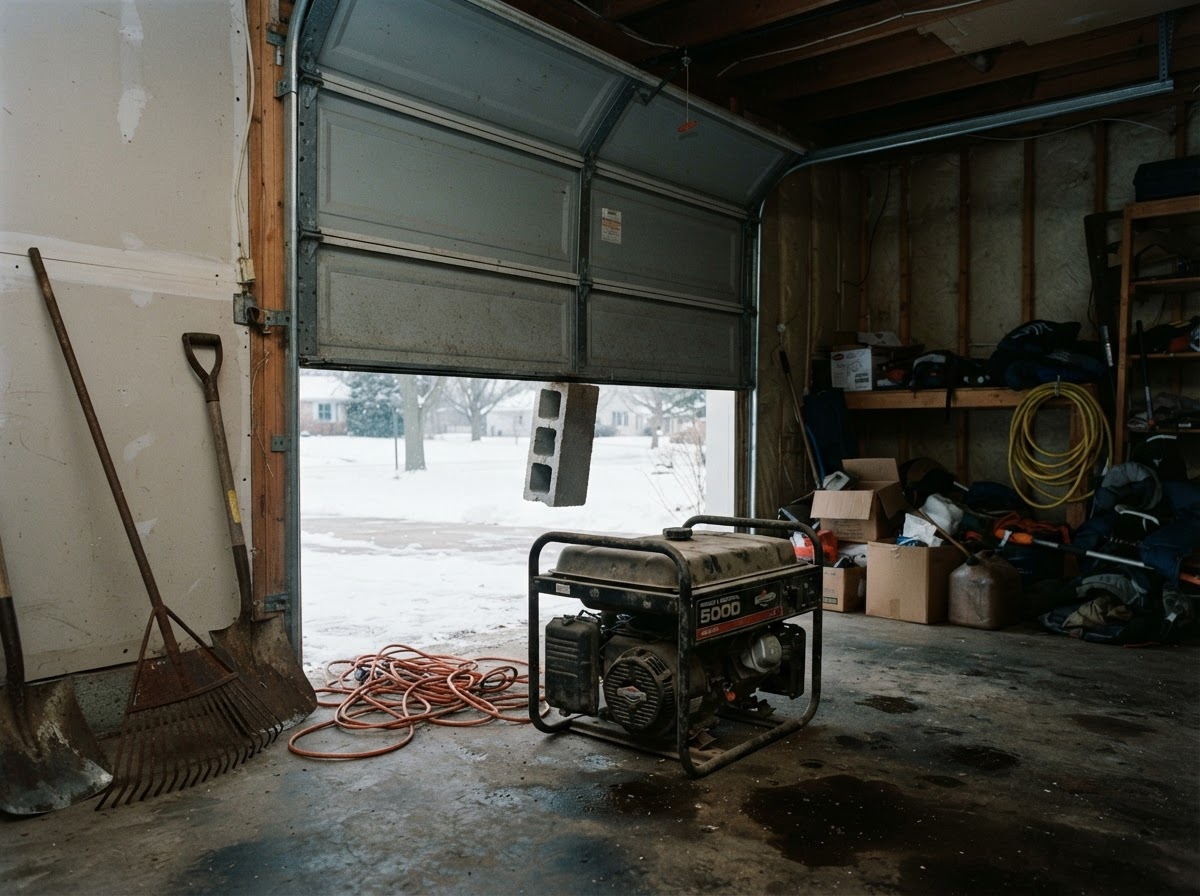
Never run a generator inside your home, garage, basement, crawl space, shed, or even on a porch or patio. Generators produce carbon monoxide (CO)—a colorless, odorless gas that can kill in minutes. Even with doors or windows open, CO can build up to deadly levels. The Ready.gov website emphasizes: “Only use generators outdoors, away from windows, doors, and vents.”
- Place the generator at least 20 feet from your house, with the exhaust pointing away from windows, doors, and air intakes.
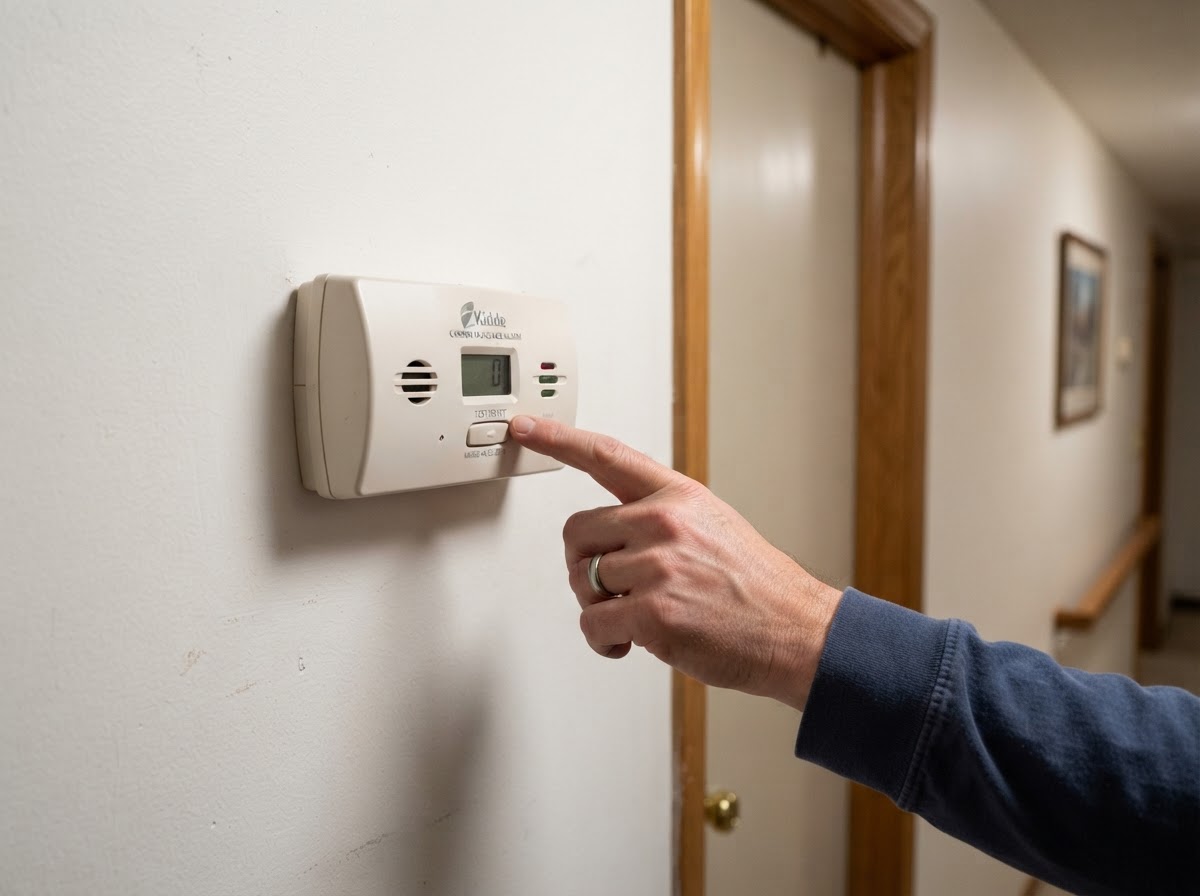
- Install battery-operated CO alarms in your home, and test them regularly. If the alarm sounds, evacuate immediately and call 911.
Mistake #2: Connecting a Generator Directly to Your Home’s Electrical Panel Without a Transfer Switch
Plugging a generator directly into a wall outlet or connecting it to your breaker box without a transfer switch is illegal in many jurisdictions and extremely dangerous. This practice, called “backfeeding,” can electrocute utility workers trying to restore power and can damage your generator or home electrical system. The FEMA and CPSC recommend using a transfer switch installed by a qualified electrician.
- Have a licensed electrician install a manual transfer switch to safely connect your generator to your home’s circuits.
- Never plug the generator into a dryer or stove outlet—this backfeeds power.
Mistake #3: Refueling a Hot or Running Generator
Gasoline and its vapors are highly flammable. Spilling fuel on a hot engine can cause a fire or explosion. Always turn off the generator and let it cool completely before refueling—typically 15–20 minutes. The National Fire Protection Association (NFPA) and OSHA both stress this rule.
- Store fuel in approved containers, away from any heat sources.
- Use the type of fuel recommended by the generator manufacturer (usually fresh unleaded gasoline).
Mistake #4: Overloading the Generator
Operating more appliances than your generator can handle may cause it to overheat and fail, potentially starting a fire. Check the generator’s rated wattage and do not exceed it. Prioritize essential items like refrigerators, lights, and sump pumps. Avoid plugging in large equipment like central air conditioners or electric water heaters unless your generator is rated for them. The Ready.gov guide suggests adding up the wattage of all items you plan to power to ensure you stay under the generator’s capacity.
- Use heavy-duty, outdoor-rated extension cords that are rated for the total wattage load.
- Never plug a generator into a power strip—it can overheat.
Mistake #5: Using the Generator in Wet Conditions
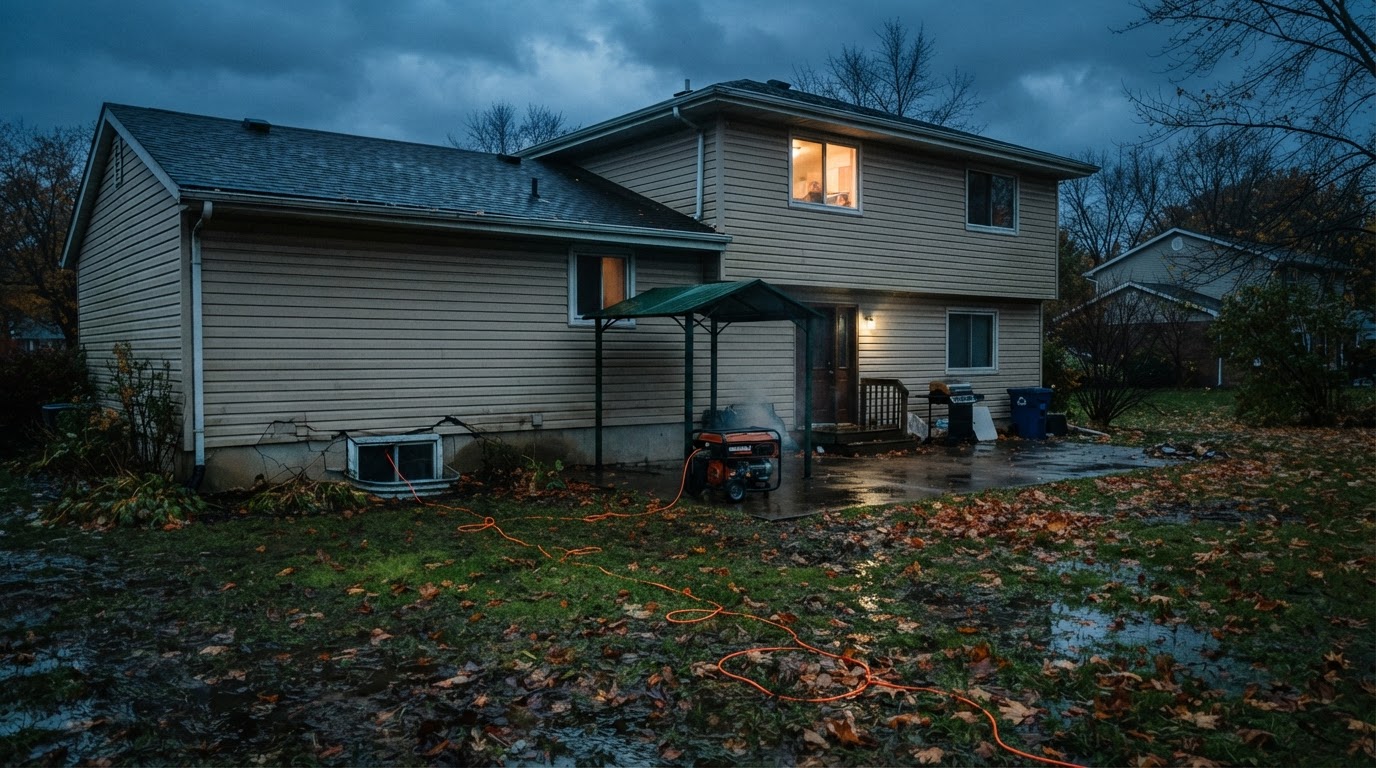
Never operate a generator in rain, snow, or wet ground. Water can cause electric shock or damage the generator. Place the generator on a dry, level surface under a canopy or open-sided shelter that protects it from moisture but allows ventilation. The CDC advises keeping the generator dry and using a ground-fault circuit interrupter (GFCI) to reduce shock risk.
- If you must refuel in wet weather, use a funnel and avoid spilling.
- Dry your hands before touching the generator.
Conclusion
Generators are invaluable during power outages, but safety must come first. Remember: always operate outdoors, away from windows; never backfeed; let the engine cool before refueling; don’t overload; and keep it dry. Install CO alarms in your home and test them monthly. By avoiding these five common mistakes, you can keep your family safe and comfortable when the lights go out. For more details, visit Ready.gov and CDC Carbon Monoxide Poisoning.
About our guidance
Our guides are grounded in publicly available information from official sources such as FEMA, NOAA, USGS and Ready.gov. Information is general in nature — always verify details for your specific property and policy with official sources and your insurer.
Related guides
 InsuranceLender-Placed Flood Insurance: The Expensive Backup If Your Policy LapsesYour lender can force-place flood insurance if your policy lapses — and bill you for it, usually at a higher price. Here is how…Oct 15, 2026Read guide →
 InsuranceWhat Happens to Your NFIP Policy If Congress Lets the Program LapseCongress extended the NFIP through December 11, 2026. If the program lapses, existing policies stay in force and claims get paid…Oct 15, 2026Read guide →
 InsuranceExcess Flood Insurance: Coverage Above NFIP's $250,000 LimitThe NFIP caps flood coverage at $250,000 for the building and $100,000 for contents. If your home would cost more to rebuild,…Oct 15, 2026Read guide →