
Hail Damage to Roofs: Signs, Claims, and Prevention
4 min read
On this page
Learn how to identify hail damage on your roof, navigate insurance claims, and take preventive measures to protect your home. This guide is based on official guidance from FEMA, NOAA, and other government sources.
Introduction
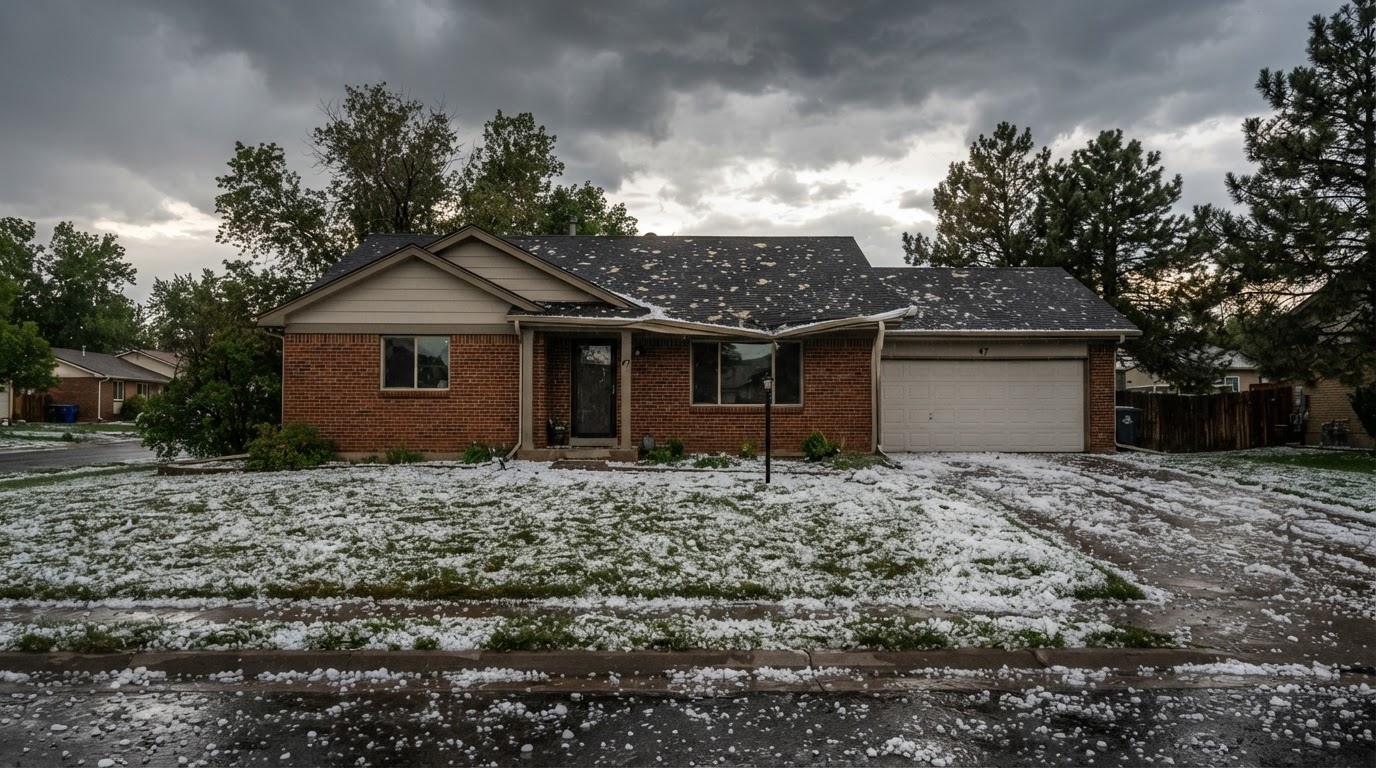
Hailstorms are a common natural hazard across many parts of the United States, causing billions of dollars in property damage annually. Your roof is the first line of defense against hail, and even small hailstones can compromise its integrity. Understanding the signs of hail damage, knowing how to file an insurance claim, and taking preventive steps can save you money and stress. This article draws on official guidance from FEMA, NOAA, and the National Weather Service to help you protect your home.
Signs of Hail Damage on Your Roof
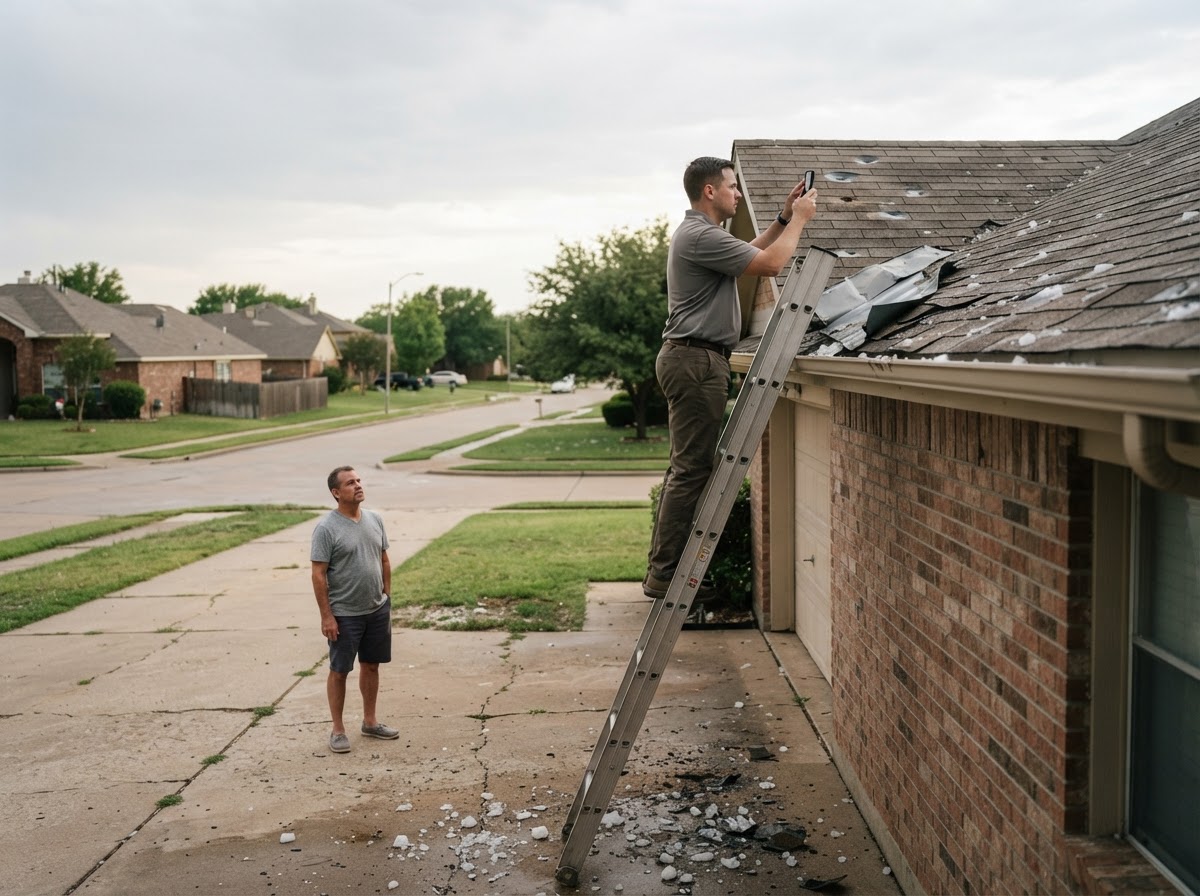
After a hailstorm, it’s important to inspect your roof promptly. Hail damage can be subtle, so look for these common indicators:
Asphalt Shingles
- Bruising: Soft, dark spots where the asphalt layer is compressed. Test by pressing on the spot; if it feels soft, the shingle is compromised.
- Missing granules: Bare spots on shingles, often exposing the underlying asphalt. Look for granules in gutters or downspouts.
- Cracks or splits: Impact from hailstones can cause shingles to crack.
- Random pattern: Hail damage typically appears in a random, splatter-like pattern across the roof, not just in one area.
Metal Roofs
- Dents: Visible depressions in metal panels. Check for dents on flashing, vents, and ridges.
- Coating damage: Chipped or scratched paint can lead to rust over time.
Other Roof Components
- Gutters and downspouts: Dents or dings, especially on aluminum gutters.
- Skylights: Cracks or broken seals.
- Chimney caps and vents: Dents or dislodged parts.
- Attic signs: Leaks, water stains, or light coming through the roof decking.
For a detailed inspection guide, refer to Ready.gov’s severe weather page.
How to File a Hail Damage Insurance Claim
If you suspect hail damage, follow these steps to ensure a smooth claims process:
- Document the damage: Take clear photos and videos of the roof, gutters, and any interior leaks. Date-stamp your files.
- Check your policy: Review your homeowner’s insurance policy. Most standard policies cover hail damage, but deductibles may apply. Note the time limits for filing.
- Contact your insurance company: Report the claim as soon as possible. Provide your policy number and a description of the damage.
- Schedule an adjuster inspection: The insurance company will send an adjuster to assess the damage. Be present during the inspection and point out all damage you’ve documented.
- Get repair estimates: Obtain written estimates from licensed roofing contractors. Share these with the adjuster.
- Keep records: Save all correspondence, receipts, and claim-related documents.
FEMA’s claim resources offer additional guidance on navigating the process.
Prevention: Protecting Your Roof from Hail Damage
While you can’t stop hailstorms, you can take steps to minimize damage:
Choose Impact-Resistant Roofing Materials
Look for roofing materials rated by the UL or FM Approvals for impact resistance. Class 4 impact-rated shingles (the highest rating) are designed to withstand hailstones up to 2 inches in diameter. Metal roofs with a standing seam or concealed fastener system also offer good hail resistance. Check with your local building department for approved products.
Reinforce Your Roof Deck
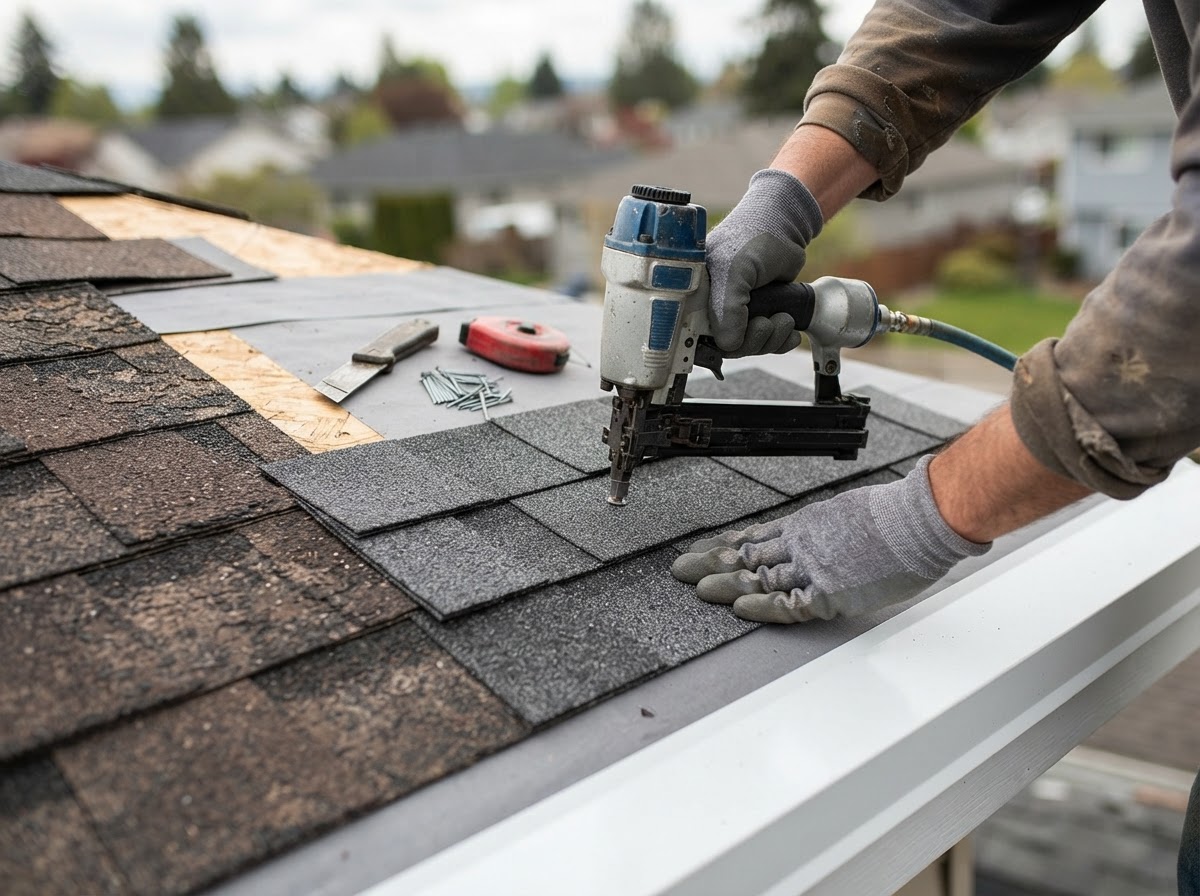
FEMA’s building guidance recommends adding a secondary water barrier (e.g., self-adhering membrane) under the roofing material to prevent leaks if the outer layer is damaged. This is especially important in hail-prone regions.
Install Hail Guards and Trim Trees
Consider installing hail guards on skylights and vents. Trim overhanging tree branches that could break and fall on your roof during a storm.
Regular Roof Inspections
Have your roof inspected annually by a professional, and after every severe storm. Early detection of damage can prevent costly repairs later. The National Weather Service provides storm safety tips that include post-storm checks.
When to Replace Your Roof After Hail Damage
Not all hail damage requires a full replacement. Your roofer and insurance adjuster can help decide. Replacement is typically recommended when:
- More than 25% of shingles are damaged.
- The roof deck is exposed or leaking.
- Multiple layers of shingles are compromised.
- The roof is nearing the end of its expected lifespan (asphalt shingles last about 20-30 years).
According to Ready.gov, a well-maintained roof can reduce the risk of secondary damage from wind and water after a hail event.
Understanding Hail Risk in Your Area
Hail frequency varies by region. The NOAA National Centers for Environmental Information provides historical hail data. The FEMA National Risk Index offers county-level hail risk ratings. Check these resources to understand your local risk and adjust prevention strategies accordingly.
Conclusion
Hail damage can be costly, but with proactive inspection, timely claims, and preventive measures, you can protect your roof and your home. Start by checking your roof after every storm, keep a file of maintenance records, and review your insurance coverage annually. For more tips on natural hazard preparedness, visit Ready.gov and FEMA.gov. Your roof is your shield—help it stay strong.
About our guidance
Our guides are grounded in publicly available information from official sources such as FEMA, NOAA, USGS and Ready.gov. Information is general in nature — always verify details for your specific property and policy with official sources and your insurer.
Related guides
 InsuranceLender-Placed Flood Insurance: The Expensive Backup If Your Policy LapsesYour lender can force-place flood insurance if your policy lapses — and bill you for it, usually at a higher price. Here is how…Oct 15, 2026Read guide →
 InsuranceWhat Happens to Your NFIP Policy If Congress Lets the Program LapseCongress extended the NFIP through December 11, 2026. If the program lapses, existing policies stay in force and claims get paid…Oct 15, 2026Read guide →
 InsuranceExcess Flood Insurance: Coverage Above NFIP's $250,000 LimitThe NFIP caps flood coverage at $250,000 for the building and $100,000 for contents. If your home would cost more to rebuild,…Oct 15, 2026Read guide →