
Hail Damage to Your Roof: Inspection Steps and Insurance Tips
3 min read
On this page
Learn how to inspect your roof for hail damage and navigate the insurance claim process with confidence. This guide provides practical steps based on official guidance from FEMA and NOAA.
Understanding Hail Damage and Your Roof
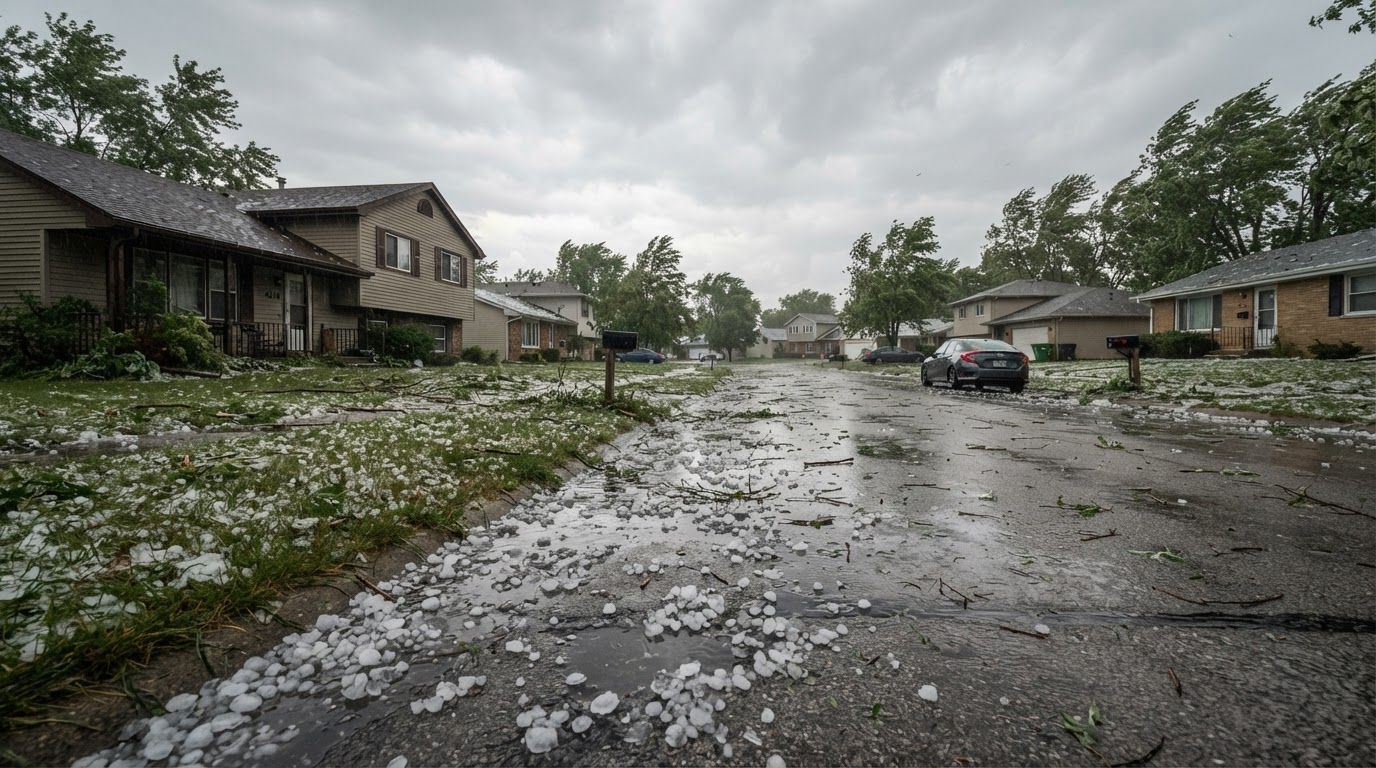
Hail is a common severe storm hazard across many U.S. states, causing billions of dollars in property damage annually. Your roof is the first line of defense, and even seemingly minor hail impacts can lead to hidden damage that worsens over time. Knowing how to inspect for hail damage and handle insurance claims is essential for protecting your home.
How Hail Damages Roofs
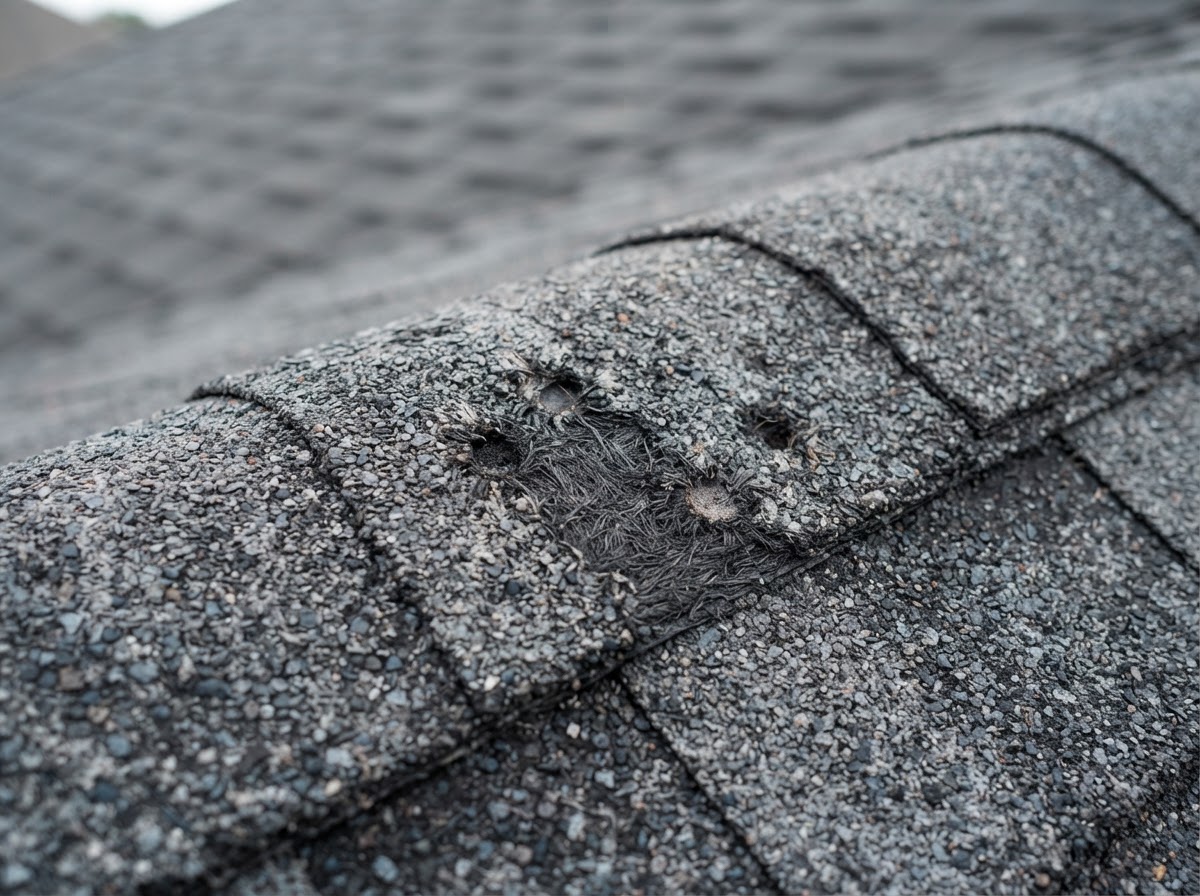
Hailstones can range from pea-sized to softball-sized. The damage depends on hail size, wind speed, and roofing material. Common effects include:
- Bruising – Soft spots or dents in asphalt shingles where granules are loosened.
- Cracking – Splits or tears in shingles, especially with larger hail.
- Granule loss – Exposed asphalt can lead to UV degradation and leaks.
- Splitting – Wood shakes can split; metal roofs may dent.
According to the Ready.gov severe weather page, after a hailstorm, it's important to check your property for damage as soon as it is safe to do so.
Safe Inspection Steps After a Hailstorm
Always prioritize safety. Wait until the storm has passed and there are no downed power lines or other hazards. Use binoculars from the ground rather than climbing onto the roof if possible.
Step 1: Ground-Level Inspection
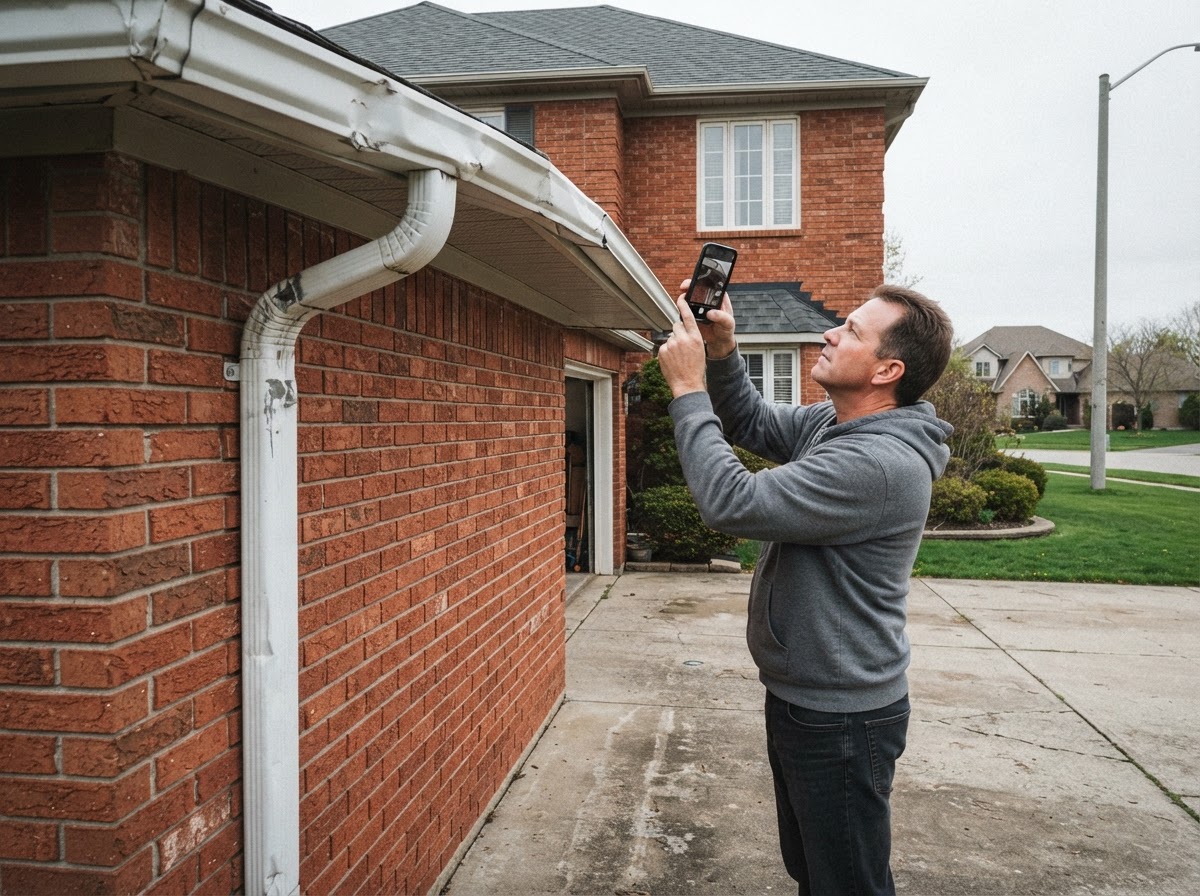
Walk around your home and look for:
- Dents or dings on gutters, downspouts, and metal vents.
- Broken or cracked shingles on the ground.
- Splintered wood fascia or siding.
- Granules collecting in downspout outlets.
Step 2: Attic Inspection
Inside your attic, look for signs of water intrusion:
- Water stains on rafters or insulation.
- Daylight visible through roof sheathing (indicating holes).
- Mold or musty odors.
Step 3: Professional Roof Inspection
If you suspect damage, hire a licensed roofing contractor. The FEMA glossary on hail notes that professionals can identify subtle signs like bruising and granule loss. Get at least three estimates and check references.
When to File an Insurance Claim
Review your homeowners insurance policy. Most standard policies cover hail damage, but deductibles may apply. Some states have separate wind/hail deductibles. Contact your insurance agent to clarify coverage.
Document the Damage
Before making temporary repairs (which are often covered), take photos and videos of all damage. Keep samples of damaged materials if possible. Maintain a log of all communications with your insurer and contractors.
File Your Claim Promptly
Submit a claim as soon as possible. Most policies have time limits for filing. The Insurance Information Institute recommends contacting your insurer immediately. Provide your documentation and a copy of the contractor's estimate.
Insurance Claim Tips
- Understand your deductible: Know whether it's a flat dollar amount or a percentage of your home's insured value.
- Get multiple estimates: Independent estimates help you negotiate with the insurance adjuster.
- Beware of storm chasers: Avoid contractors who go door-to-door after storms. Check for local licenses and insurance.
- Review the adjuster's report: Ensure all damage is noted. If you disagree, you can request a reinspection.
- Keep records: Save all receipts for temporary repairs, hotel stays (if needed), and contractor payments.
Preventing Future Damage
While you can't prevent hail, you can mitigate damage. Consider impact-resistant roofing materials rated by UL or ICC-ES. Some states offer insurance discounts for such upgrades. Regular roof maintenance also helps identify weak spots.
Conclusion
Hail damage can compromise your roof's integrity, but prompt inspection and a well-documented insurance claim can protect your home and finances. Use the step-by-step approach above, and always consult official resources like Ready.gov and FEMA for more severe weather preparedness tips.
About our guidance
Our guides are grounded in publicly available information from official sources such as FEMA, NOAA, USGS and Ready.gov. Information is general in nature — always verify details for your specific property and policy with official sources and your insurer.
Keep exploring
Related guides
 Lightning Protection for Homes: Myths and FactsLightning strikes cause billions in property damage each year. Learn common myths and evidence-based facts to protect your home…Jun 21, 2026Read guide →
 Storm-Proof Your Yard: Prep for Severe Thunderstorm SeasonLearn how to secure loose items, trim trees, and improve drainage to protect your property from high winds, hail, and heavy…Jun 21, 2026Read guide →
 InsuranceLender-Placed Flood Insurance: The Expensive Backup If Your Policy LapsesYour lender can force-place flood insurance if your policy lapses — and bill you for it, usually at a higher price. Here is how…Oct 15, 2026Read guide →