
Heat Illness Warning Signs Every Homeowner and Parent Should Know
5 min read

On this page
Learn to recognize the warning signs of heat exhaustion and heat stroke, and discover essential prevention tips for your home and family. This guide draws on official advice from the CDC, NOAA, and FEMA to keep you safe during extreme heat.
Extreme heat is the deadliest weather hazard in the United States, claiming more lives annually than hurricanes, floods, or tornadoes combined. Homeowners and parents have a special responsibility: knowing the warning signs of heat illness can mean the difference between a quick recovery and a trip to the emergency room. This article explains how to recognize heat exhaustion and heat stroke, who is most at risk, and what steps you can take to protect your family.
What Is Heat Illness?
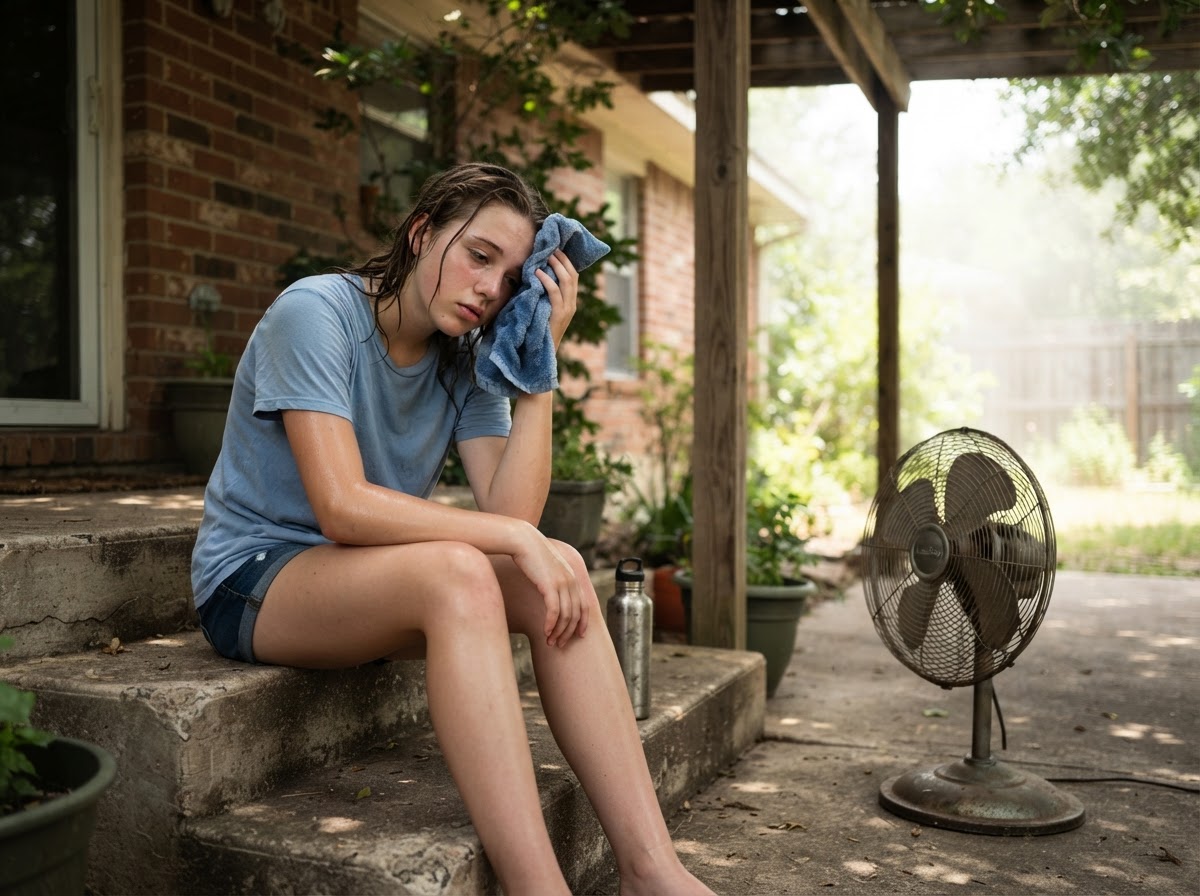
Heat illness occurs when the body cannot cool itself down properly. Normally, sweating helps release excess heat, but in extreme temperatures or high humidity, this system can fail. Body temperature rises rapidly, leading to heat cramps, heat exhaustion, or the life-threatening condition known as heat stroke. According to the CDC, heat-related deaths are preventable, and early recognition is key.
Warning Signs of Heat Exhaustion
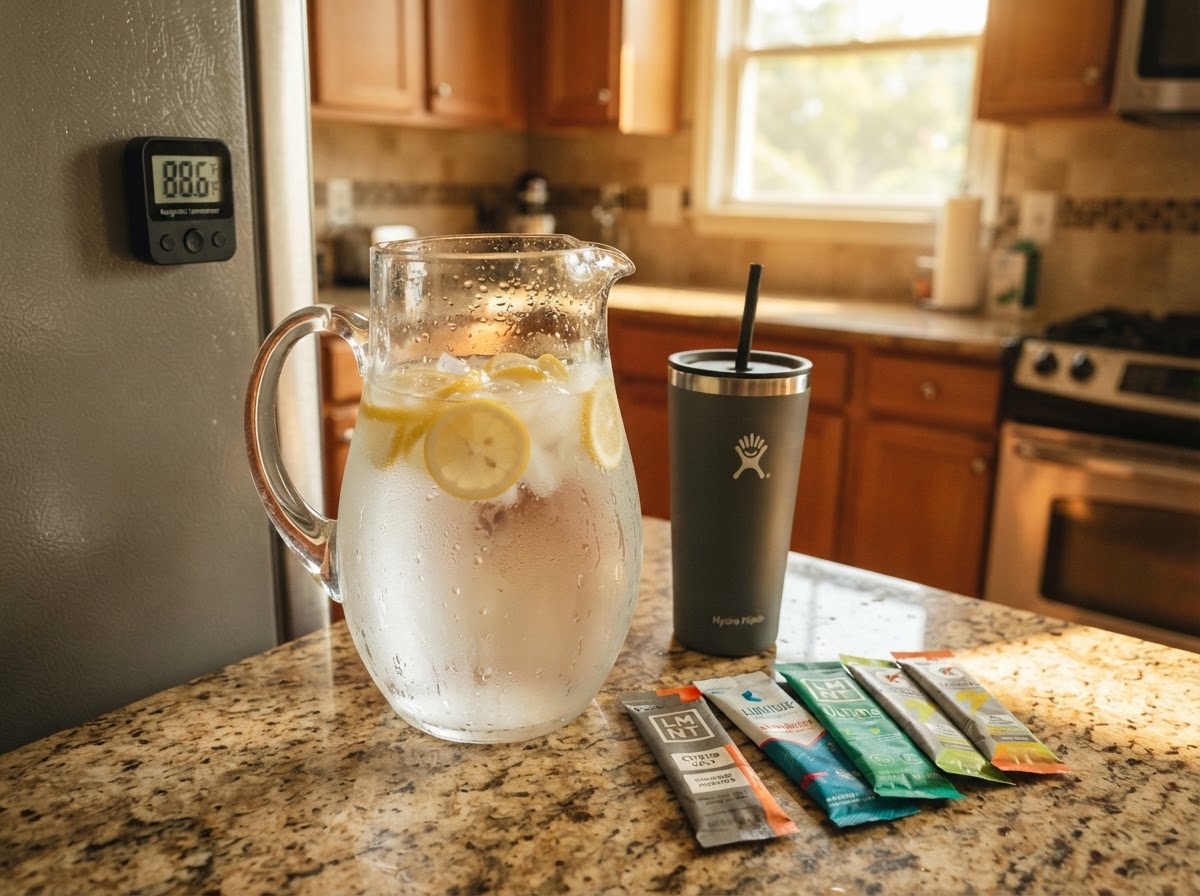
Heat exhaustion is a milder form of heat illness, but it still requires immediate attention. If left untreated, it can progress to heat stroke. Common signs include:
- Heavy sweating – the skin often feels cool and clammy.
- Pale, cool, or moist skin
- Fast, weak pulse
- Nausea or vomiting
- Muscle cramps
- Dizziness or fainting
- Headache
- Fatigue or weakness
If someone shows signs of heat exhaustion, move them to a cooler place, loosen clothing, apply cool wet cloths, and give small sips of water. If symptoms worsen or last longer than one hour, seek medical help.
Warning Signs of Heat Stroke – A Medical Emergency
Heat stroke is the most severe form of heat illness and is life-threatening. The body’s temperature regulation fails, and core temperature may rise above 104°F. Recognize these signs:
- Hot, red, dry, or damp skin – sweating may stop in classic heat stroke, but in exertional heat stroke the skin may be moist.
- Strong, rapid pulse
- Confusion, altered mental state – slurred speech, agitation, or unconsciousness.
- Throbbing headache
- Nausea or vomiting
- Body temperature above 103°F
- Loss of consciousness
If you suspect heat stroke, call 911 immediately. While waiting for help, move the person to a cooler area and try to lower their body temperature with cool cloths or a cool bath. Do NOT give them anything to drink if they are unconscious or confused.
Who Is Most at Risk?
Children and older adults are especially vulnerable to heat illness. Children’s bodies heat up faster than adults’, and they may not recognize or communicate symptoms. The Ready.gov website notes that infants and young children rely on adults to keep them cool and hydrated. Homeowners should also watch for elderly neighbors or relatives who may live alone and lack air conditioning.
Homeowners: Protecting Your Home and Family
Your home can become a danger zone during a heat wave. The FEMA recommends the following steps:
- Install air conditioning or ensure window units work properly.
- Use fans strategically – they help when the temperature is below 95°F, but at higher temperatures they can actually increase heat stress.
- Keep blinds or curtains closed during the day to block sun.
- Check on neighbors who may be at risk.
- Never leave children or pets in a parked car – even with windows cracked, temperatures can rise to deadly levels within minutes.
Parents: Keeping Kids Safe
Children may not always tell you they are feeling hot or dizzy. The CDC advises parents to:
- Schedule outdoor activities for cooler times of day (early morning or evening).
- Dress children in light-colored, loose-fitting clothing.
- Encourage frequent water breaks – don’t wait until they ask.
- Never leave a child alone in a vehicle, even for a moment.
Prevention: Your First Line of Defense
The best way to handle heat illness is to prevent it. Follow these guidelines from the National Weather Service:
- Stay hydrated – drink water regularly, even if not thirsty. Avoid sugary drinks and alcohol.
- Limit outdoor activity – especially during peak heat (10 a.m. to 4 p.m.).
- Wear sunscreen – sunburn reduces your body’s ability to cool itself.
- Never leave anyone in a closed vehicle – temperatures can rise 20°F in 10 minutes.
- Check on the elderly and those with chronic conditions – they may need help staying cool.
- Know your local heat risk – the NWS issues heat advisories and warnings; sign up for alerts.
What to Do if Heat Illness Strikes at Home
If you or a family member starts showing signs of heat illness, act quickly:
- Move to a cool, shaded area or an air-conditioned room.
- Loosen or remove excess clothing.
- Apply cool, wet cloths to the skin, especially on the neck, armpits, and groin.
- Fan the person to help evaporate sweat.
- Offer small sips of water if they are conscious and not vomiting.
- For heat stroke or if symptoms worsen, call 911.
Conclusion
Extreme heat is a serious threat, but with awareness and preparation, you can protect your home and family. Learn the warning signs of heat exhaustion and heat stroke, and share them with everyone in your household. Keep your home cool, check on vulnerable neighbors, and never underestimate the power of the sun. By following the guidance from the CDC, NOAA, and FEMA, you can stay safe and enjoy a healthier summer. For more detailed information, visit CDC Extreme Heat or Ready.gov Heat.
About our guidance
Our guides are grounded in publicly available information from official sources such as FEMA, NOAA, USGS and Ready.gov. Information is general in nature — always verify details for your specific property and policy with official sources and your insurer.
Keep exploring
Related guides
 Cool Home, Low Bills: Beat the Heat Without Breaking the BankLearn how to keep your home comfortable during a heat wave while saving on energy costs, using tips from FEMA, DOE, and CDC.Jun 21, 2026Read guide →
 InsuranceLender-Placed Flood Insurance: The Expensive Backup If Your Policy LapsesYour lender can force-place flood insurance if your policy lapses — and bill you for it, usually at a higher price. Here is how…Oct 15, 2026Read guide →
 InsuranceWhat Happens to Your NFIP Policy If Congress Lets the Program LapseCongress extended the NFIP through December 11, 2026. If the program lapses, existing policies stay in force and claims get paid…Oct 15, 2026Read guide →