
Home Buyer's Guide: Natural Disaster Risk Checklist Before Closing
5 min read
On this page
- Why Check Natural Disaster Risks Before You Buy?
- 1. Check FEMA Flood Maps and Flood History
- 2. Research Wildfire Risk
- 3. Evaluate Earthquake Hazards
- 4. Assess Hurricane and Severe Storm Risk
- 5. Review Tornado Climatology
- 6. Check for Sinkholes and Landslides
- 7. Examine Fire Hazard Zones
- 8. Understand Insurance Implications
- 9. Use the FEMA National Risk Index
- 10. Review Local Emergency Management Plans
- 11. Evaluate Historical Climate Trends
- Conclusion: Your Actionable Next Steps
Ensure your new home is safe from natural hazards with this pre-closing checklist based on FEMA, NOAA, and USGS guidance.
Why Check Natural Disaster Risks Before You Buy?
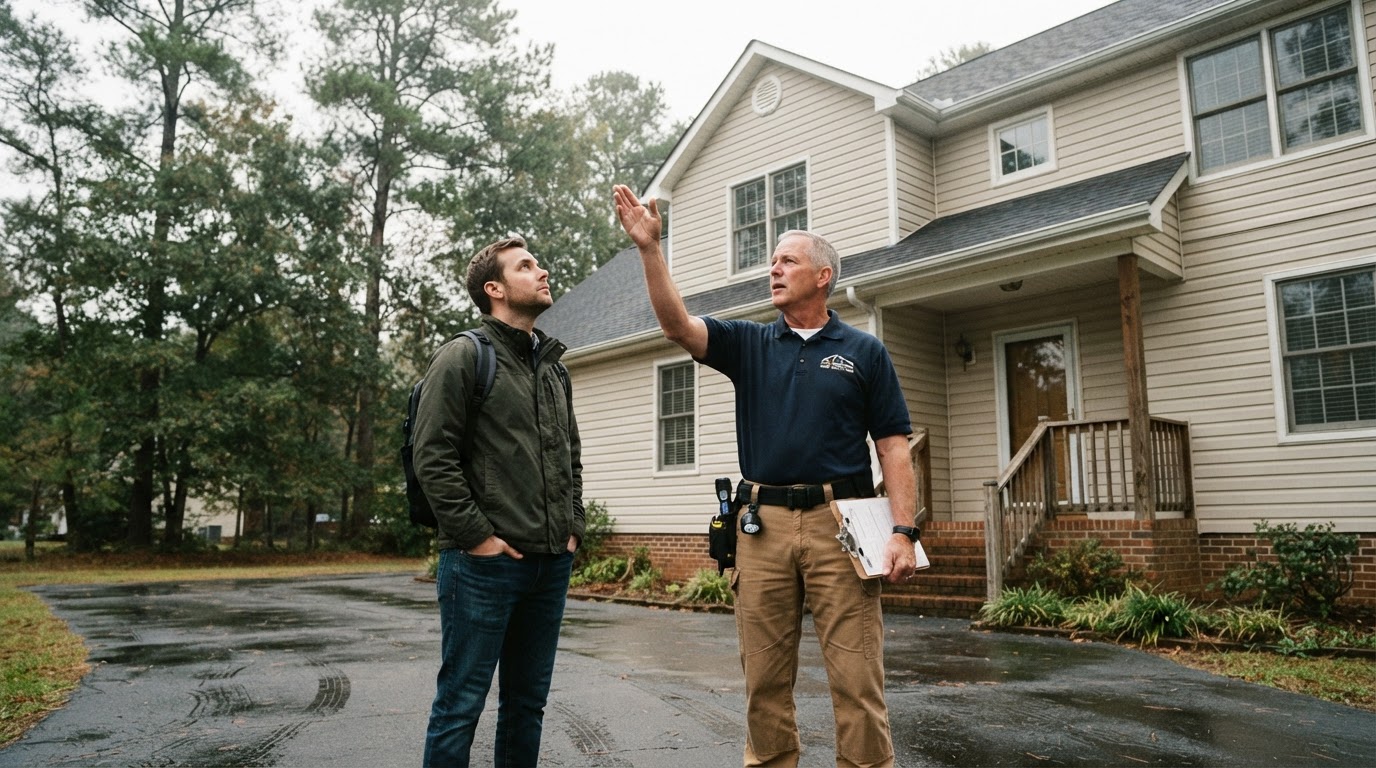
Buying a home is one of the biggest investments you'll ever make. While you're likely checking the roof, plumbing, and electrical systems, don't overlook the natural hazards that could threaten your property. Floods, earthquakes, hurricanes, and wildfires cause billions in damage each year. By researching risks before closing, you can avoid unexpected costs, insurance surprises, and safety issues. This checklist, built on guidance from FEMA, NOAA, USGS, and Ready.gov, will help you make an informed decision.
1. Check FEMA Flood Maps and Flood History
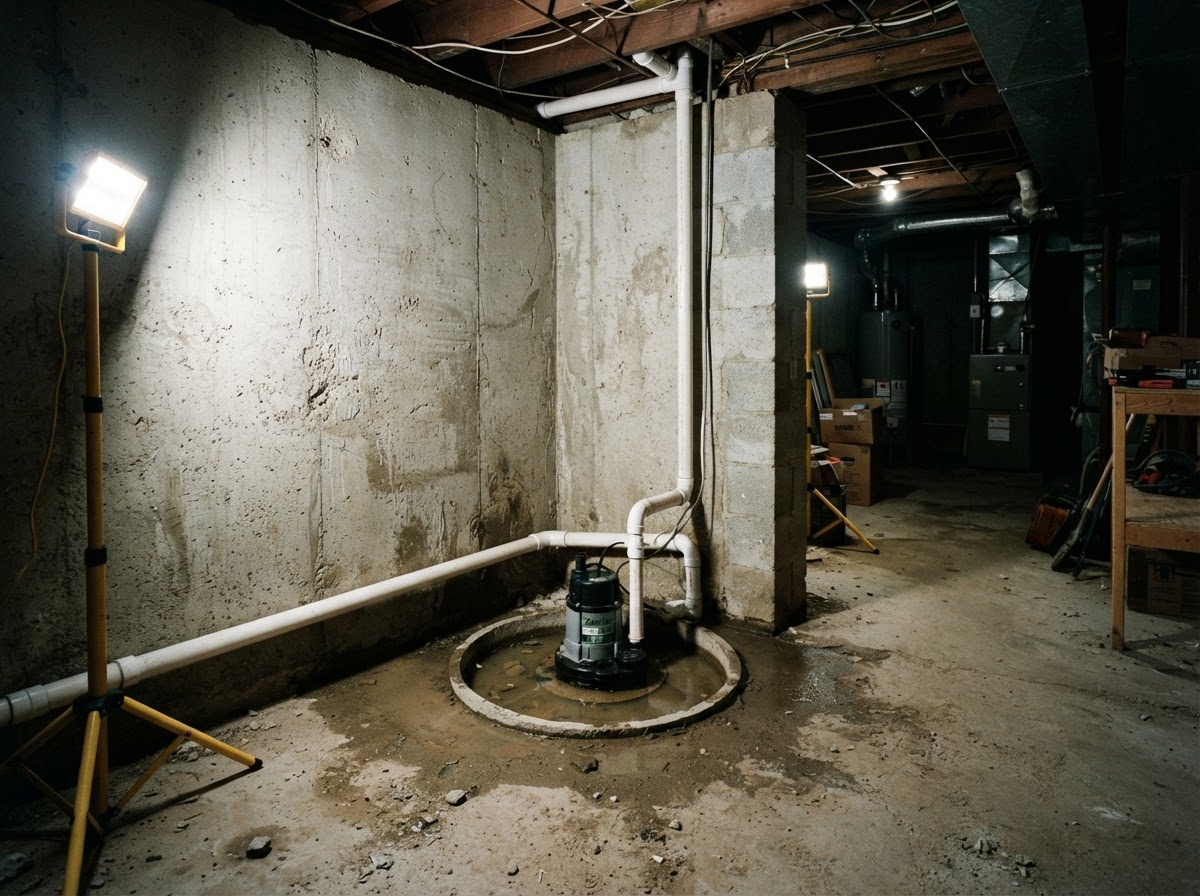
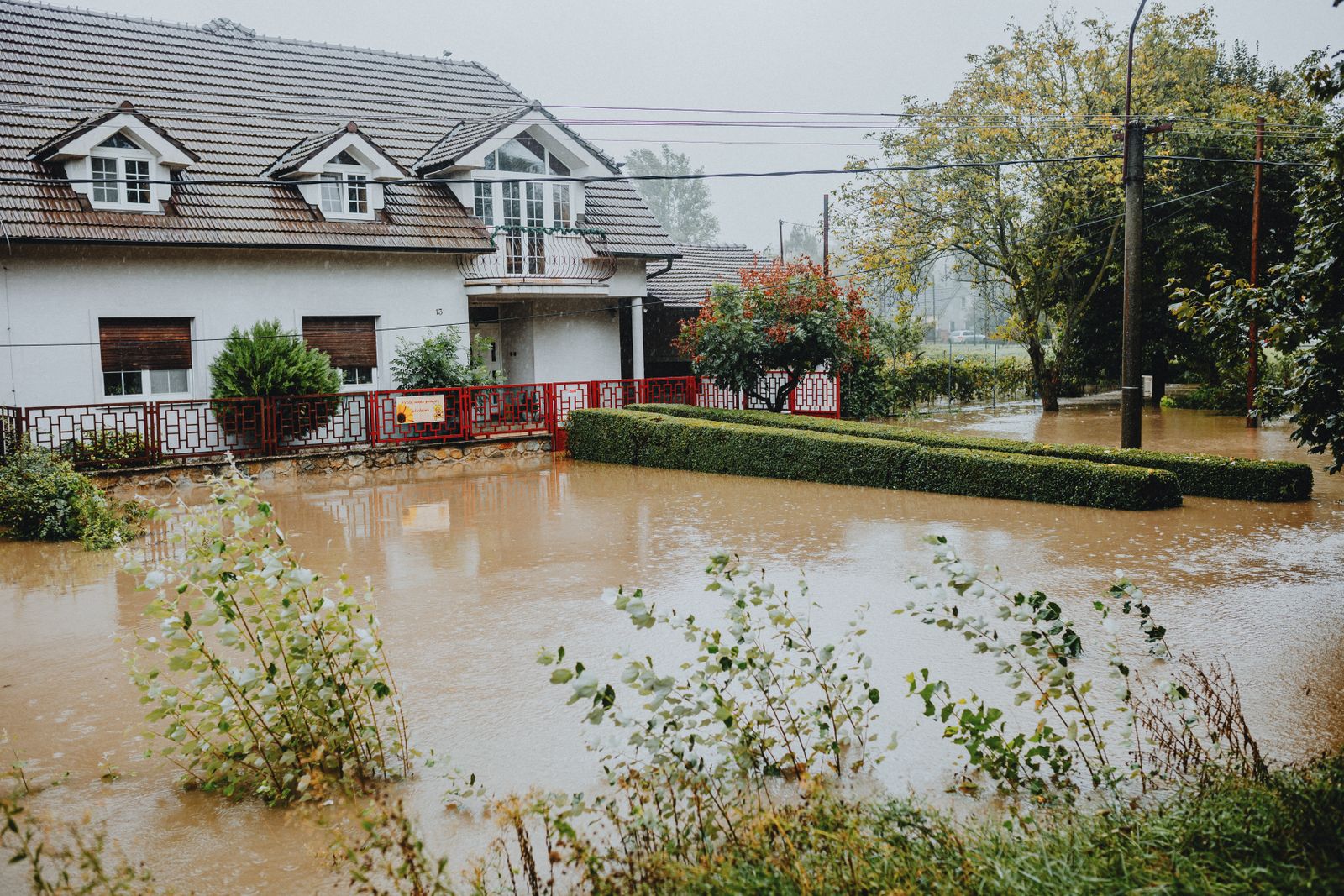
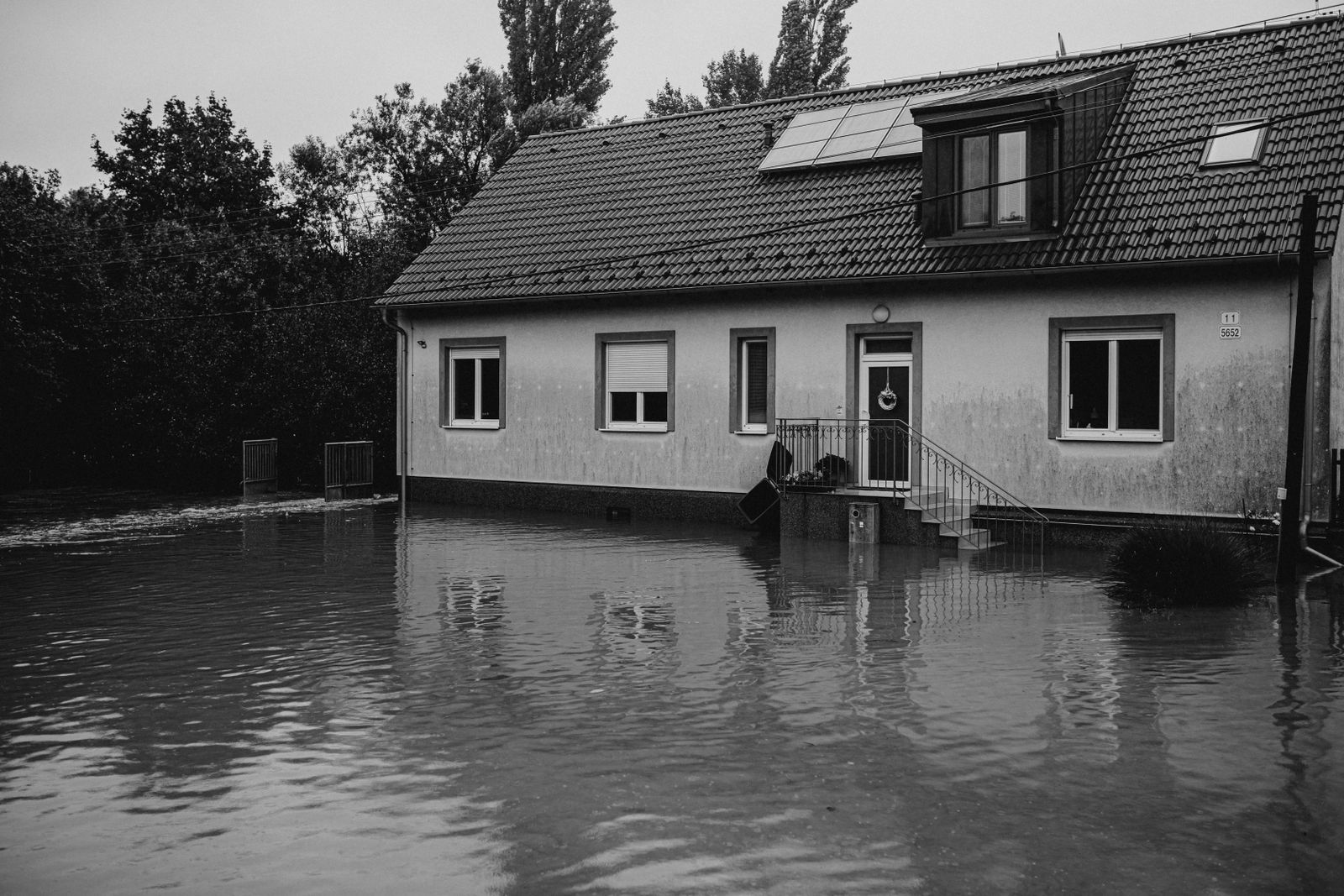
Flooding is the most common natural disaster in the U.S. Start by visiting FEMA's Map Service Center to see if the property lies in a Special Flood Hazard Area. If it is, your lender will likely require flood insurance. But even homes outside high-risk zones can flood. Ask the seller for any past flood damage reports and check state flood disclosure laws. The National Flood Insurance Program provides resources for understanding flood risk and insurance options.
2. Research Wildfire Risk
Wildfires are a growing threat, especially in the West. Use the USGS Fire Danger Forecast and Firewise USA to assess the property's wildfire risk. Check with local fire departments for the home's defensible space rating. FEMA's Hazard Mitigation Planning provides strategies for reducing wildfire risk, such as using fire-resistant roofing and clearing vegetation.
3. Evaluate Earthquake Hazards
For homes near fault lines, earthquake risk is critical. The USGS Earthquake Hazards Program offers maps showing seismic hazard levels. Check if the home is in a high-risk zone and what building codes were in place when it was built. Older homes may lack earthquake retrofitting, like bolt-and-brace foundation repairs. Ask about any retrofits already done. Ready.gov recommends securing heavy furniture and learning your gas shutoff valve location.
4. Assess Hurricane and Severe Storm Risk
If you're in a coastal or inland area prone to hurricanes, examine wind and storm surge risks. NOAA's National Hurricane Center provides historical storm tracks. Check whether the home has hurricane shutters, impact-resistant windows, or a reinforced roof. FEMA's Risk MAP program helps communities plan for storm surge. Also look at local building codes—homes built after stricter codes in Florida and Texas tend to be safer.
5. Review Tornado Climatology
Tornadoes can occur anywhere, but they're most common in the Midwest and Southeast. Use NOAA's Storm Prediction Center to see tornado frequency in the area. Ask if the home has a storm shelter or safe room. FEMA's Safe Room guidance offers construction standards. Check that the home's roof and windows can withstand high winds. Local emergency management offices can provide tornado preparedness information.
6. Check for Sinkholes and Landslides
Sinkholes are common in areas with limestone bedrock (like Florida). The USGS Landslide Hazards Program maps areas prone to landslides and sinkholes. You can also check local geological surveys. Look for signs of ground movement, like cracks in walls or uneven floors. Sinkhole insurance may be available in some states. If you're concerned, hire a geotechnical engineer for an inspection.
7. Examine Fire Hazard Zones
Beyond wildfires, properties in urban areas should be aware of their fire risk from nearby wildlands. The Ready.gov Wildfire page offers tips for homeowners, including creating a defensible space. Check if the home is in a Fire Hazard Severity Zone (maps available from state fire agencies). Also verify that the home has a functioning smoke alarm system and a fire extinguisher.
8. Understand Insurance Implications
Insurance companies use natural hazard risk to set premiums. Before closing, get quotes for homeowners insurance, including flood and earthquake if needed. Some high-risk areas may have limited availability or high deductibles. The Insurance Information Institute provides guidance on coverage options. Check if your state has a FAIR Plan for high-risk properties. Remember, standard policies often exclude flood and earthquake.
9. Use the FEMA National Risk Index
FEMA's National Risk Index is a comprehensive online tool that maps 18 natural hazards. Enter the property address to see its risk score for each hazard, along with expected annual losses. This free resource combines social vulnerability, community resilience, and hazard exposure. It's an excellent starting point for your due diligence.
10. Review Local Emergency Management Plans
Contact the local emergency management office (find yours through Ready.gov). Ask about evacuation routes, warning systems, and community preparedness programs. A proactive local agency can make a big difference during a disaster. Also check the property's access to emergency services like fire stations and hospitals.
11. Evaluate Historical Climate Trends
Climate change is intensifying some hazards. The CDC's Climate and Health Program offers data on temperature extremes and vector-borne diseases. While you can't predict exact events, understanding trends (e.g., increasing heavy precipitation) can help you future-proof your investment. Look for properties with green infrastructure like rain gardens or elevated utilities.
Conclusion: Your Actionable Next Steps
Before signing the final papers, take these steps:
- Visit FEMA's National Risk Index for a rapid hazard overview.
- Check flood, earthquake, and wildfire maps from USGS and NOAA.
- Request insurance quotes for all relevant hazards.
- Ask the seller for past damage reports and retrofitting details.
- Consult a professional (geotechnical engineer, certified inspector) if risks are high.
- Contact local emergency management to understand community preparedness.
Don't let natural disaster risks scare you away from a great home—just make sure you know what you're getting into. With this checklist, you're equipped to make a confident, informed decision. For more state-specific risk information, explore other articles on HomeRiskMap.com.
About our guidance
Our guides are grounded in publicly available information from official sources such as FEMA, NOAA, USGS and Ready.gov. Information is general in nature — always verify details for your specific property and policy with official sources and your insurer.
Related guides
 InsuranceLender-Placed Flood Insurance: The Expensive Backup If Your Policy LapsesYour lender can force-place flood insurance if your policy lapses — and bill you for it, usually at a higher price. Here is how…Oct 15, 2026Read guide →
 InsuranceWhat Happens to Your NFIP Policy If Congress Lets the Program LapseCongress extended the NFIP through December 11, 2026. If the program lapses, existing policies stay in force and claims get paid…Oct 15, 2026Read guide →
 InsuranceExcess Flood Insurance: Coverage Above NFIP's $250,000 LimitThe NFIP caps flood coverage at $250,000 for the building and $100,000 for contents. If your home would cost more to rebuild,…Oct 15, 2026Read guide →