
Home Inspection Red Flags for Flood, Fire, and Earthquake Risk
5 min read
On this page
Learn to spot critical warning signs during a home inspection that indicate elevated flood, wildfire, or earthquake risk—and what to do about them.
When buying or maintaining a home, a standard inspection covers structural integrity, systems, and cosmetics—but often misses natural hazard risks. Flood, wildfire, and earthquake hazards can turn a dream home into a nightmare. Here are key red flags to look for during a home inspection, based on guidance from FEMA, NOAA, the USGS, and other official sources.
Flood Risk Red Flags
Flooding is the most common and costly natural disaster in the United States, yet many homeowners underestimate their risk. During an inspection, watch for these signs:
- Location in a FEMA Special Flood Hazard Area (SFHA): Check the property's FEMA Flood Insurance Rate Map (FIRM). Homes in high-risk zones (Zone A or V) have a 1% annual chance of flooding—and a 26% chance over a 30-year mortgage. (FEMA Flood Maps)
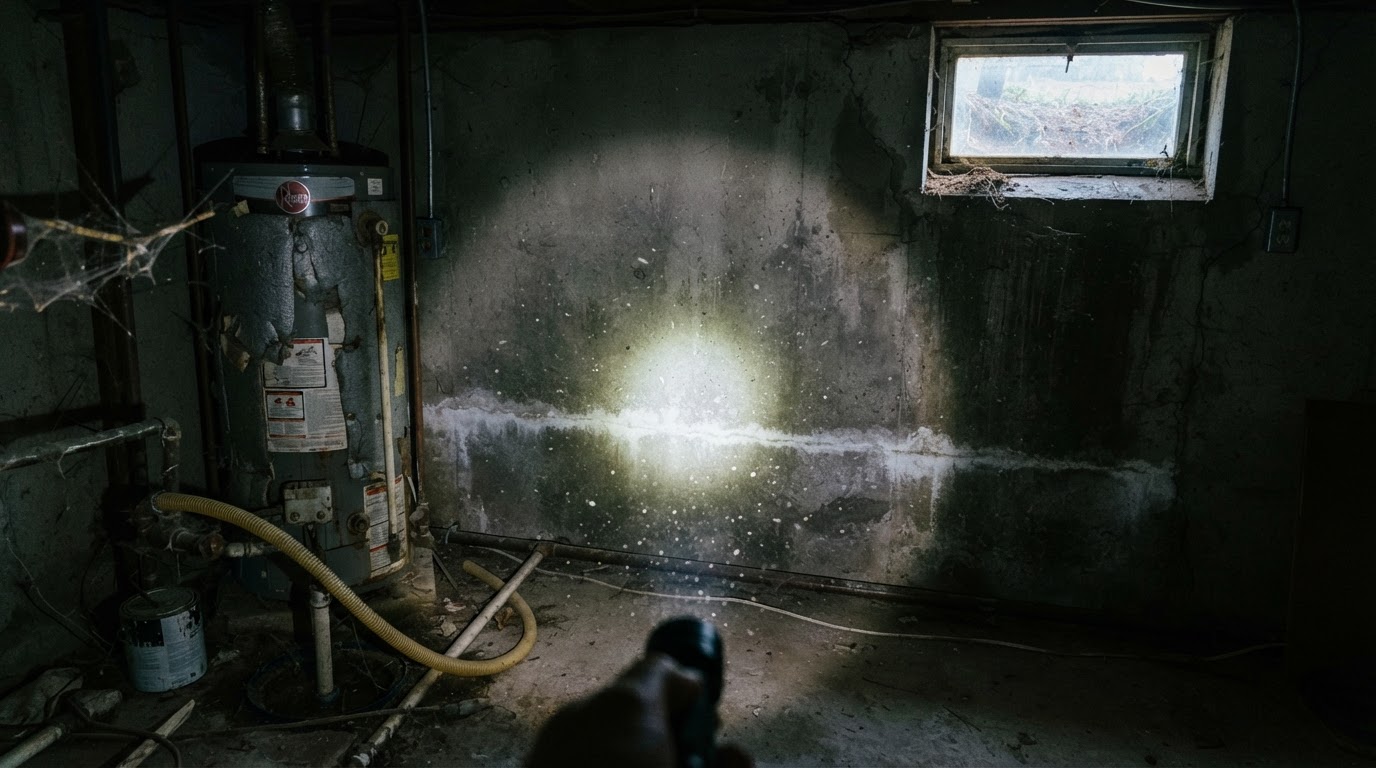
- Water stains or mold on basement walls or crawlspace: These are telltale signs of past flooding or chronic moisture. Even if the seller says it was a one-time leak, repeated staining suggests poor drainage or high water table.
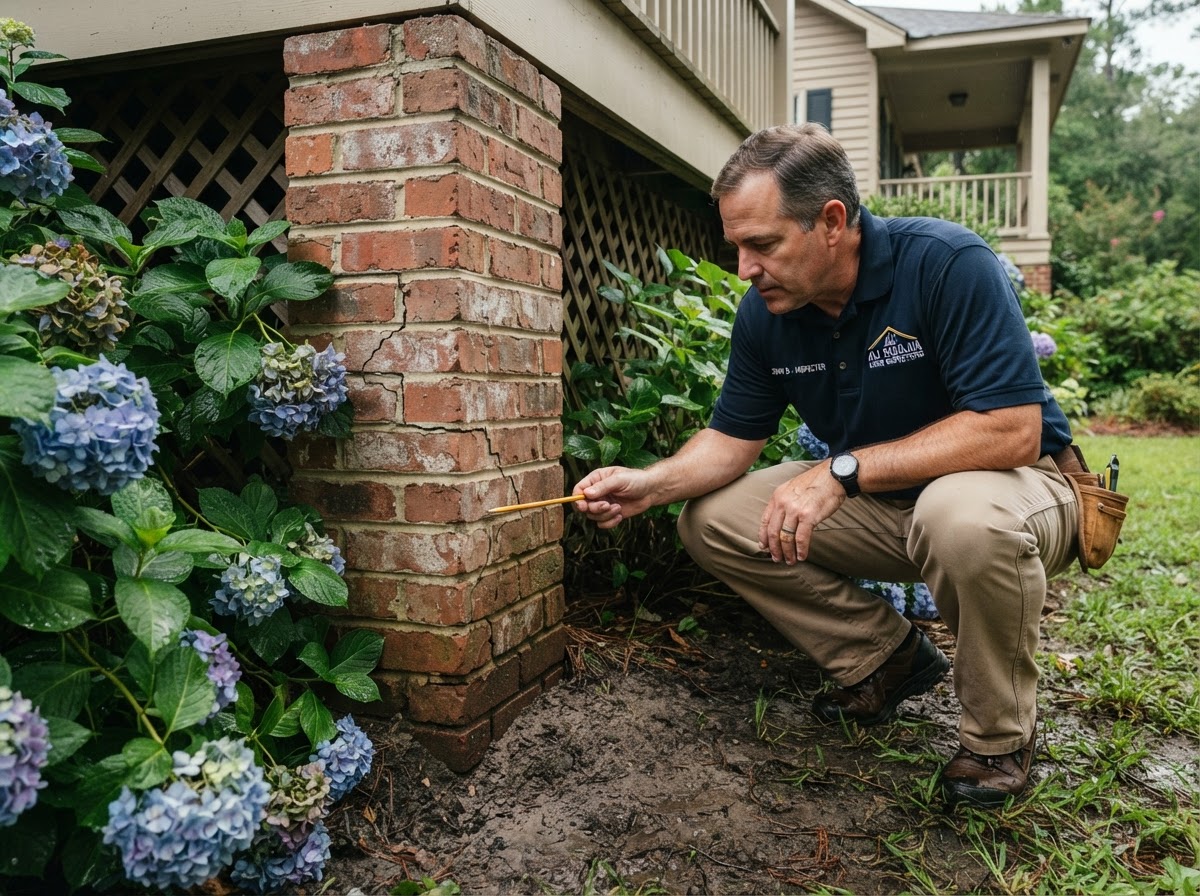
- Foundation cracks or uneven floors: These can indicate soil erosion or hydrostatic pressure from saturated ground.
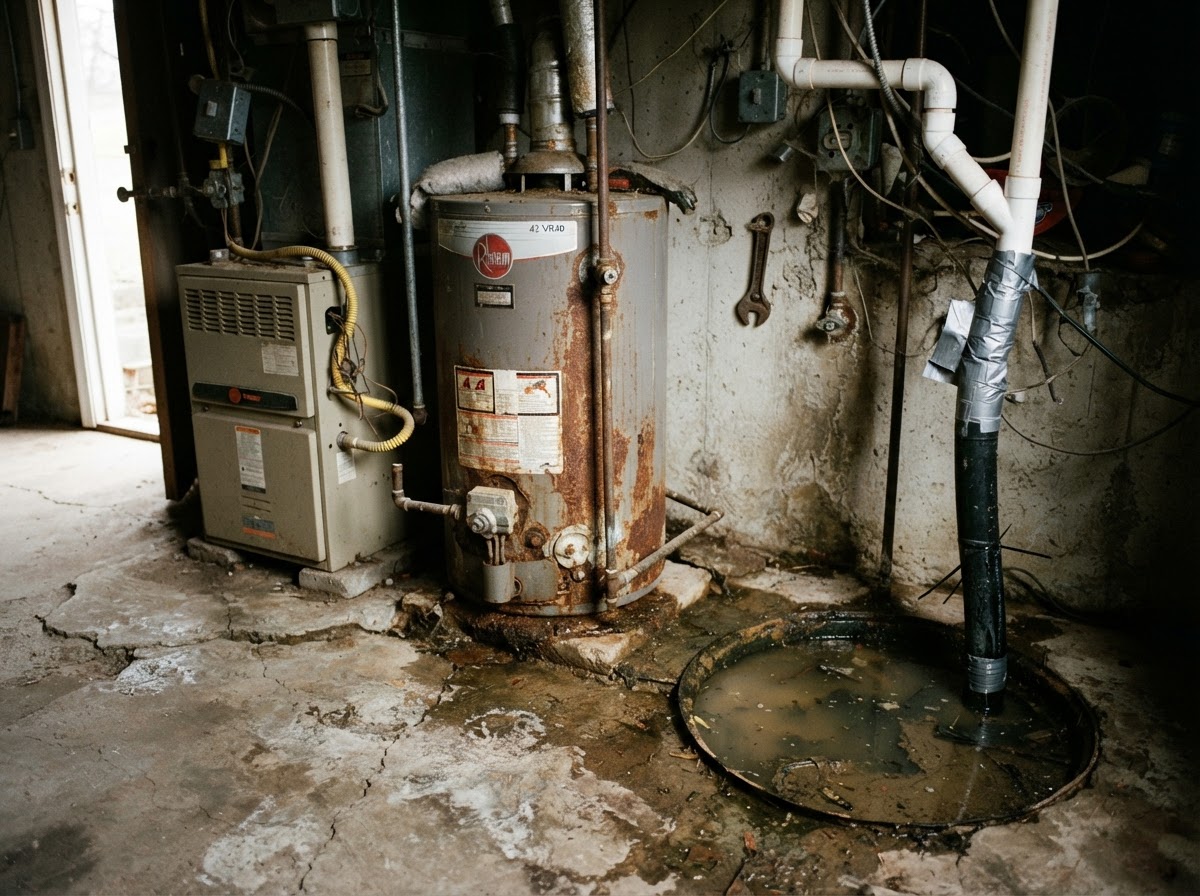
- Missing or improperly installed sump pump: A sump pump is critical in basements below grade. If it’s absent, old, or discharges directly onto the ground (instead of away from the foundation), flood risk increases.
- Wetlands or ponds nearby: While not a dealbreaker, proximity to water bodies raises the water table and flood risk. Ask about local flood history.
- Low lot elevation relative to street: If the property sits lower than the road, stormwater may drain onto the lot. Check with your local floodplain manager.
What to do: If red flags appear, request a FEMA Elevation Certificate. For high-risk properties, consider flood insurance (required for federally backed mortgages in SFHAs). Even outside SFHAs, FEMA recommends flood insurance—only 30% of flood claims come from high-risk areas. (Ready.gov Floods)
Wildfire Risk Red Flags
Wildfires destroy thousands of homes annually, especially in the Wildland-Urban Interface (WUI). An inspection can reveal vulnerabilities that make a home an ember trap:
- Combustible siding or decking: Wood, cedar shakes, and untreated pine are highly flammable. Non-combustible materials like stucco, metal, or fiber cement are far safer.
- Unenclosed eaves or attic vents: Open eaves and unsealed vents allow embers to enter and ignite the attic. Look for 1/8-inch mesh screens on vents.
- Wooden fences attached to the house: A burning fence can act as a fuse. Fire-resistant fencing (or a non-combustible gate section) is recommended by FEMA.
- Landscaping within 5 feet of the home: Mulch, dry leaves, and shrubs near the foundation are fuel for fire. The National Fire Protection Association’s “Home Ignition Zone” concept stresses a non-combustible zone (stone, bare soil) immediately around the house.
- Overhanging tree branches: Branches touching or near the roof allow flames to spread. Maintain a 10-foot clearance from the chimney and roof.
- Asphalt shingles with high fire rating: Check roof material—Class A rated (e.g., metal, tile, or asphalt composition) is best. Wood shake roofs are a major red flag.
What to do: Many of these can be retrofitted. Check your home’s Wildfire Risk Score via FEMA’s National Risk Index. In high-risk areas, create a defensible space and harden the home according to Ready.gov Wildfire guidelines.
Earthquake Risk Red Flags
Earthquakes strike without warning. In seismically active regions like California, the Pacific Northwest, and parts of the central US, a home inspection should specifically check for:
- Unreinforced masonry (URM): Brick or stone walls without steel reinforcement are extremely dangerous during shaking. Common in older homes (pre-1930s). A structural engineer should evaluate.
- No bolt to foundation: The house should be bolted to its concrete foundation with anchor bolts. If missing, the home can slide off during a quake. This is a common retrofit need.
- Weak cripple walls (crawlspace walls): In older homes with a crawlspace, unbraced cripple walls can collapse. Look for plywood or OSB sheathing—those with particleboard or no sheathing are vulnerable.
- Houses with “soft story” construction: A first floor with large openings (garage doors, big windows) supporting upper floors is prone to collapse. Common in multi-family or mid-century homes.
- Chimney without reinforcement: Masonry chimneys often topple in quakes. Check for cracks, tilting, or absence of metal bracing.
- Unbraced water heater: A water heater that tips can rupture gas lines or cause water damage. Straps should be attached to studs, not just the floor.
What to do: Hire a structural engineer for a seismic evaluation if you see these red flags. Many retrofits (bolting, bracing cripple walls, strapping water heaters) are cost-effective and can be incentivized by state programs. For example, California’s Earthquake Brace + Bolt program offers grants. Also check the USGS Earthquake Hazard Map for your area’s shake risk.
Conclusion: A Smarter Inspection
Natural hazard risks don’t always show up on a standard inspection report. By proactively looking for these red flags—flood stains, flammable siding, unbolted foundations—you can negotiate repairs, plan retrofits, and make informed decisions. Use official resources like Ready.gov, FEMA’s National Risk Index, and local hazard mitigation plans to understand your home’s specific threats. A few thousand dollars in retrofits today can save tens of thousands in damage—and protect what matters most: your family and home.
About our guidance
Our guides are grounded in publicly available information from official sources such as FEMA, NOAA, USGS and Ready.gov. Information is general in nature — always verify details for your specific property and policy with official sources and your insurer.
Related guides
 InsuranceLender-Placed Flood Insurance: The Expensive Backup If Your Policy LapsesYour lender can force-place flood insurance if your policy lapses — and bill you for it, usually at a higher price. Here is how…Oct 15, 2026Read guide →
 InsuranceWhat Happens to Your NFIP Policy If Congress Lets the Program LapseCongress extended the NFIP through December 11, 2026. If the program lapses, existing policies stay in force and claims get paid…Oct 15, 2026Read guide →
 InsuranceExcess Flood Insurance: Coverage Above NFIP's $250,000 LimitThe NFIP caps flood coverage at $250,000 for the building and $100,000 for contents. If your home would cost more to rebuild,…Oct 15, 2026Read guide →