
How Elevation Certificates Lower Your Flood Insurance Premium
5 min read
On this page
- What Is an Elevation Certificate?
- How Elevation Certificates Affect Flood Insurance Premiums
- When Do You Need an Elevation Certificate?
- How to Get an Elevation Certificate
- Understanding the Key Elevation Terms
- How FEMA Uses Elevation Certificates to Set Premiums
- Elevation Certificates and Flood Zone Challenges
- Where to Learn More
- Conclusion
Learn how an elevation certificate can save you hundreds on flood insurance by accurately showing your home's flood risk. This guide explains what it is, how to get one, and how FEMA uses it to set rates.
What Is an Elevation Certificate?

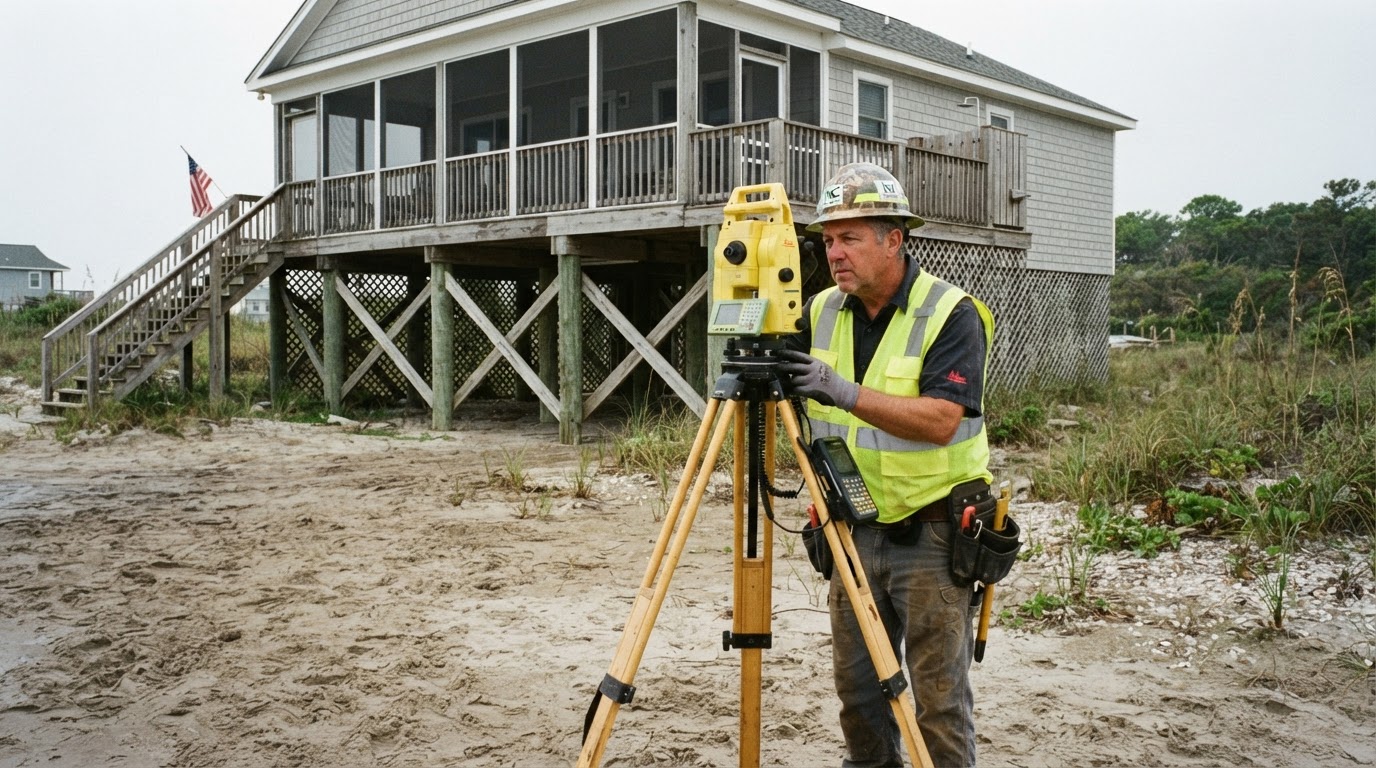
An Elevation Certificate (EC) is an official FEMA document that records your property's elevation relative to the Base Flood Elevation (BFE) and other flood risk factors. Surveyors, engineers, or architects licensed by the state must prepare the certificate. It includes data such as the lowest floor elevation, building location, flood zone, and more. Homeowners in high-risk flood zones (A or V) often need an EC to obtain flood insurance through the National Flood Insurance Program (NFIP), but it can benefit anyone seeking accurate rates.
How Elevation Certificates Affect Flood Insurance Premiums
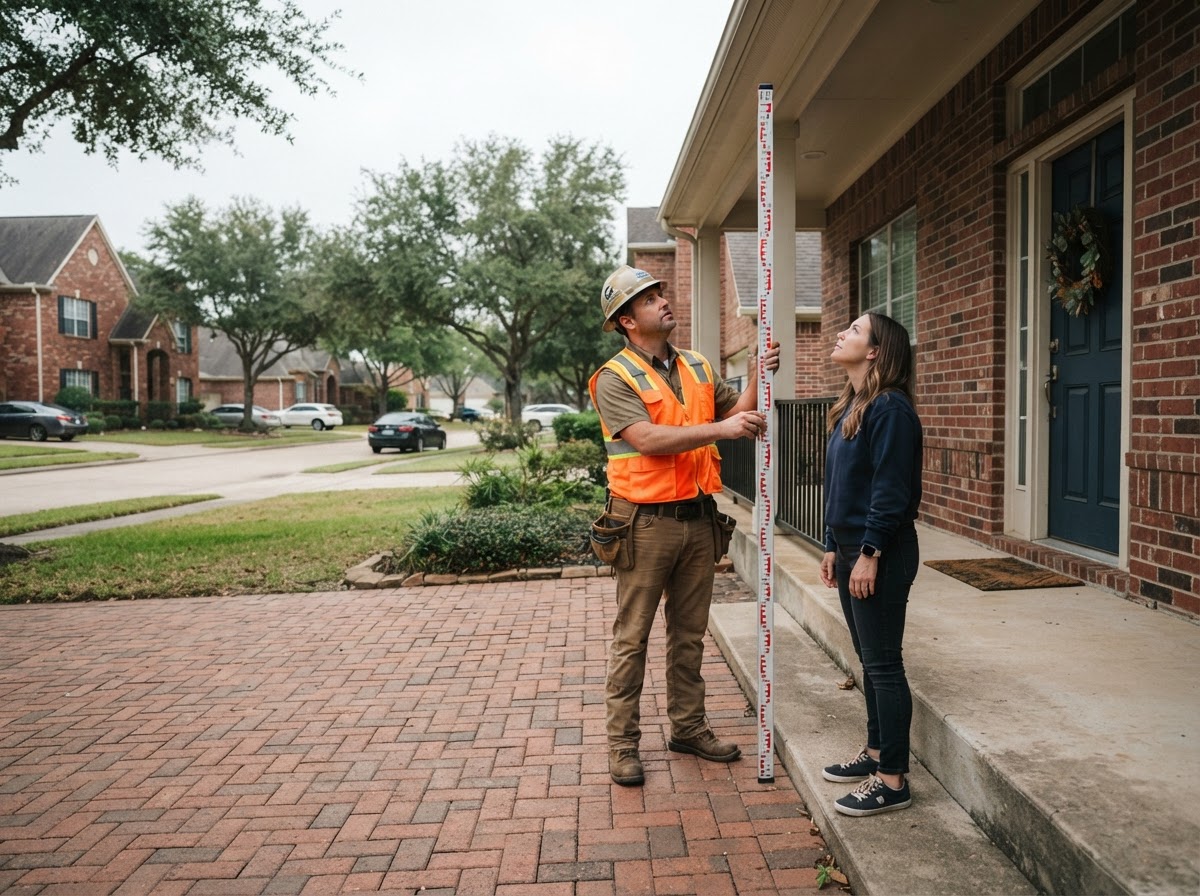
Your flood insurance premium is based on your property's flood risk. The EC provides FEMA with precise elevation data to determine whether your home is above, at, or below the BFE. If your lowest floor is above the BFE, your risk is lower, and your premium decreases. Conversely, if it is below, you pay more. The EC can also affect the rating of your building's characteristics, such as the presence of a basement or enclosure, which influences the rate. In many cases, an EC can save homeowners hundreds of dollars annually. For example, a home built two feet above the BFE may have a significantly lower premium than an identical home at the BFE.
When Do You Need an Elevation Certificate?
You typically need an EC when:
- Your property is in a high-risk flood zone (A or V) and you are applying for a mortgage from a federally regulated lender.
- You are purchasing a home in a flood zone and want to shop for the best flood insurance rate.
- You have made improvements to your home that may affect its elevation relative to the BFE.
- You want to challenge your current flood zone designation or premium through a Letter of Map Amendment (LOMA) or Letter of Map Revision (LOMR).
How to Get an Elevation Certificate
To obtain an EC, you must hire a licensed surveyor, engineer, or architect to complete the FEMA form. The cost can range from $300 to $800 or more, depending on your location and property complexity. However, the savings on your flood insurance premium often offset this cost within a year or two. You can find a qualified professional through your state's licensing board or by asking your insurance agent for referrals. Alternatively, check if your current insurance agent can provide an existing EC if one was prepared for a previous owner. Also, some communities may have ECs on file for properties built after Flood Insurance Rate Maps (FIRMs) were adopted.
Understanding the Key Elevation Terms
FEMA uses several elevation terms in the EC:
- Base Flood Elevation (BFE): The elevation that floodwaters have a 1% chance of reaching or exceeding in any given year (also known as the 100-year flood).
- Lowest Floor Elevation: The elevation of the lowest floor, including basement. If there is no basement, it is the top of the slab or the top of the floor joists.
- Freeboard: The extra height above the BFE that a building is elevated. Freeboard can lower premiums significantly.
Your flood insurance premium is directly tied to the difference between your lowest floor elevation and the BFE. This difference is called the "elevation difference" or "freeboard." For example, if your lowest floor is 3 feet above the BFE, you are considered lower risk.
How FEMA Uses Elevation Certificates to Set Premiums
Under the NFIP's Risk Rating 2.0 methodology, FEMA uses more variables than just elevation, including distance to water, flood frequency, and building characteristics. However, the EC remains critical because it provides the actual elevation of the building. Without an EC, the insurer may assume the worst-case scenario, leading to a higher premium. With an EC, the insurer can accurately assess your home's unique risk. In many cases, an EC can reduce your premium by hundreds of dollars per year. For example, a home that is elevated 2 feet above the BFE could see a 30% reduction compared to a home at the BFE.
Elevation Certificates and Flood Zone Challenges
If you believe your property was incorrectly mapped into a high-risk flood zone, you can use an EC to apply for a Letter of Map Amendment (LOMA) or Letter of Map Revision (LOMR). These official FEMA documents remove the mandatory flood insurance requirement if your property is above the BFE. This does not eliminate the risk but can save you from paying for insurance you don't legally need. The process requires an EC and a completed FEMA MT-1 application. Many homeowners successfully challenge their flood zone designations using elevation certificates.
Where to Learn More
For official guidance, visit these resources:
- FEMA Elevation Certificate - Download the form and instructions.
- FEMA Glossary: Elevation Certificate
- FloodSmart.gov - NFIP's consumer site.
- Risk Rating 2.0 - How FEMA calculates premiums now.
Conclusion
An elevation certificate is a powerful tool that can save you money on flood insurance. Whether you are buying a home, refinancing, or just want to lower your premium, consider obtaining an EC. It provides accurate data that ensures you are not overpaying for risk. Work with a licensed surveyor and your insurance agent to get the best rate. For more information, visit HomeRiskMap.com to explore flood risks in your area.
About our guidance
Our guides are grounded in publicly available information from official sources such as FEMA, NOAA, USGS and Ready.gov. Information is general in nature — always verify details for your specific property and policy with official sources and your insurer.
Keep exploring
Related guides
 InsuranceExcess Flood Insurance: Coverage Above NFIP's $250,000 LimitThe NFIP caps flood coverage at $250,000 for the building and $100,000 for contents. If your home would cost more to rebuild,…Oct 15, 2026Read guide →
 Flooded While Inside: Your Survival GuideIf your home floods while you're inside, every second counts. Learn the life-saving steps from FEMA, the CDC, and Ready.gov to…Jun 21, 2026Read guide →
 Basement Flooding Prevention: Gutters, Grading, and Sump PumpsLearn how proper gutters, grading, and sump pump maintenance can protect your basement from flooding, based on official guidance…Jun 21, 2026Read guide →