
How Much Homeowners Insurance to Rebuild: The Real Number
4 min read
On this page
- Why Market Value Won't Rebuild Your Home
- What Is Replacement Cost Coverage?
- Step-by-Step: How to Calculate Your Rebuilding Cost
- Extended Replacement Cost: Your Safety Net
- Inflation Guard: Keeping Up with Rising Costs
- Don’t Forget: Flood and Earthquake Are Separate
- Common Pitfalls and How to Avoid Them
- When to Re-evaluate Your Coverage
- Actionable Conclusion
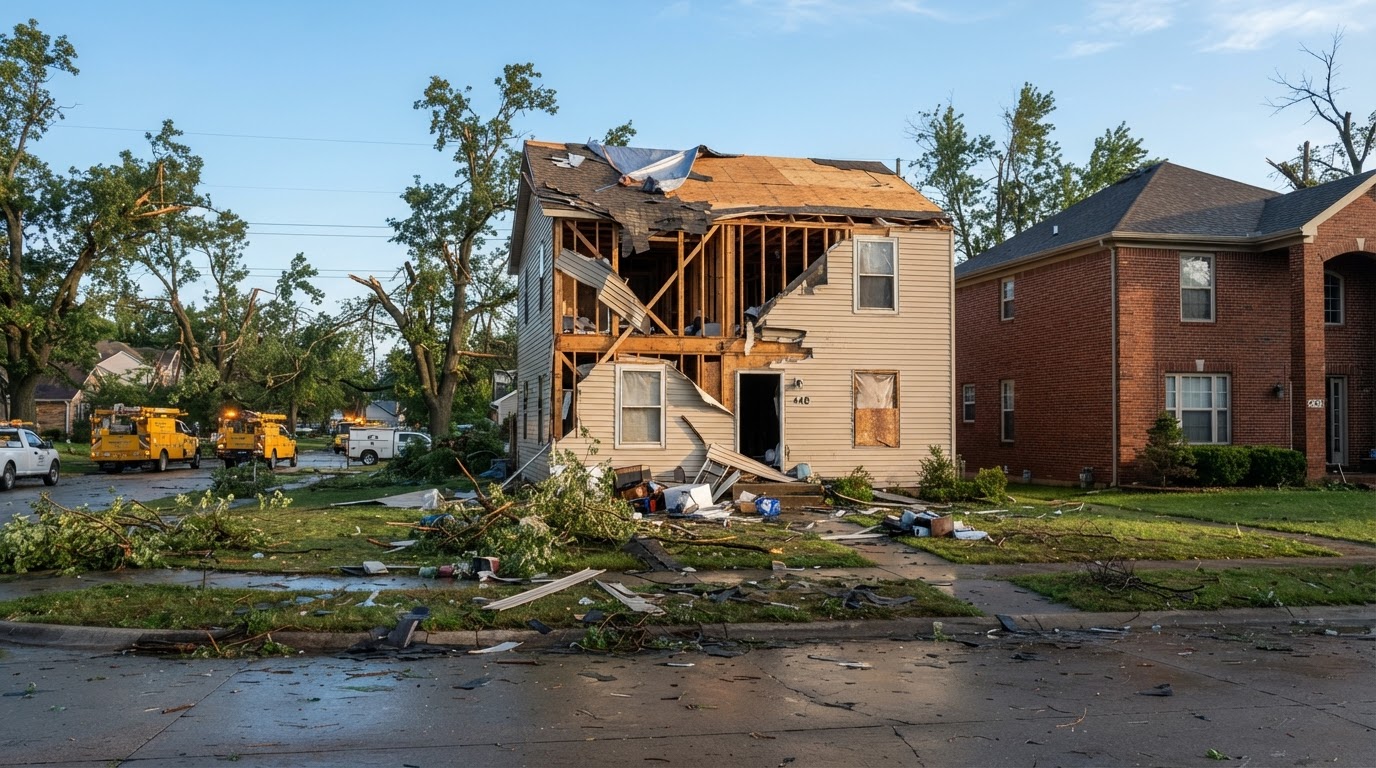
Your home's market value and replacement cost are rarely the same. Learn how to calculate the coverage you truly need to rebuild after a disaster, based on official FEMA and federal guidance.
Why Market Value Won't Rebuild Your Home
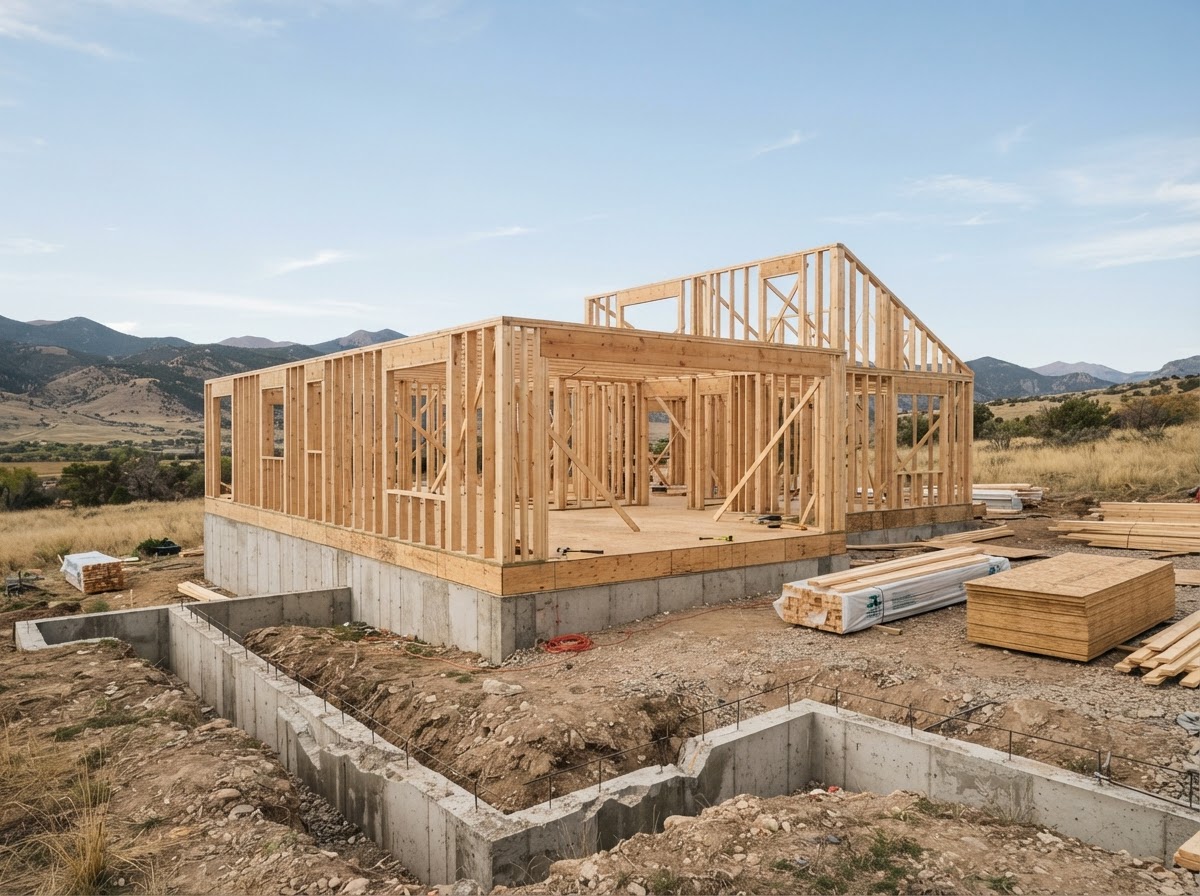
Many homeowners mistakenly insure their house for its market value—what it would sell for today. But market value includes land, location, and local real estate trends. The cost to actually rebuild your home after a total loss is driven by construction materials, labor, and local building codes—none of which are reflected in market value. According to FEMA, the average homeowner is underinsured by about 20% due to this confusion.
What Is Replacement Cost Coverage?
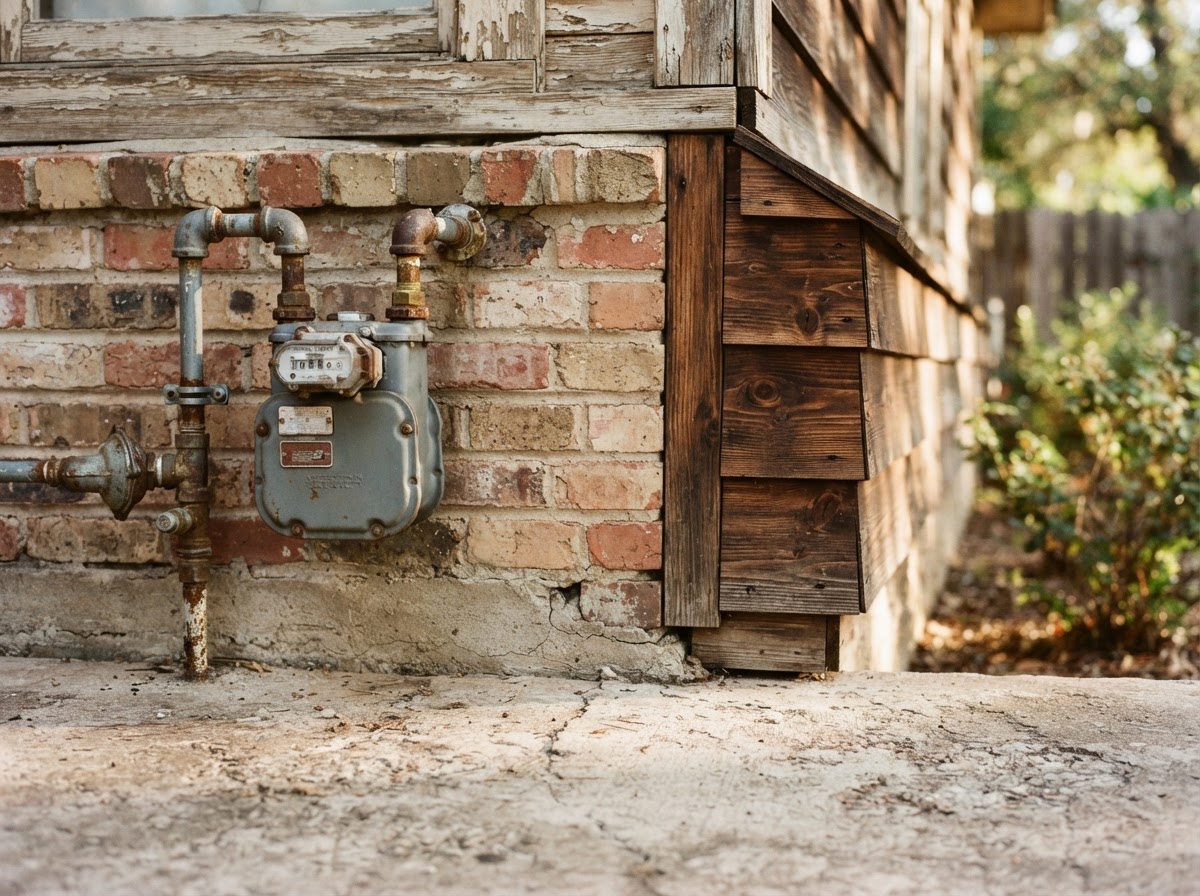
Replacement cost coverage pays to rebuild your home with materials of similar kind and quality, up to your policy's limit. This is the standard you need, not actual cash value (which subtracts depreciation). Most standard homeowners policies include replacement cost on the dwelling, but you must verify the limit is adequate. The National Flood Insurance Program (NFIP) and Ready.gov stress that rebuilding costs are often higher than expected due to labor shortages and updated building codes after a disaster.
Step-by-Step: How to Calculate Your Rebuilding Cost
Follow these steps to arrive at a realistic coverage amount:
- Get a professional replacement cost estimate. Many insurers offer free estimators, or hire a local appraiser or builder. This should be updated every 2–3 years.
- Factor in local construction costs. The cost per square foot varies widely by region. For example, rebuilding in coastal California is much more expensive than in the Midwest.
- Include special features. Custom finishes, historic details, high-end materials, or unique architectural elements increase rebuild costs.
- Account for building code upgrades. After a major disaster, local codes often change. FEMA’s flood maps and earthquake standards may require higher foundations, stronger roofs, or improved electrical systems.
Extended Replacement Cost: Your Safety Net
Standard replacement cost may still fall short if construction costs spike after a widespread disaster. That’s why FEMA recommends adding extended replacement cost coverage—typically 20% to 50% above your dwelling limit. This buffer covers the surge in demand for contractors and materials following a hurricane, wildfire, or flood. While few states mandate this, it’s a relatively low-cost endorsement that can save you from being underinsured.
Inflation Guard: Keeping Up with Rising Costs
Even if you get the right number today, inflation will erode your coverage. Most policies include an automatic inflation guard that increases your dwelling limit annually based on the consumer price index. But you can also ask for a higher adjustment factor if you live in a fast-growing area. NOAA notes that building material costs have risen 30% in the last five years in some disaster-prone regions.
Don’t Forget: Flood and Earthquake Are Separate
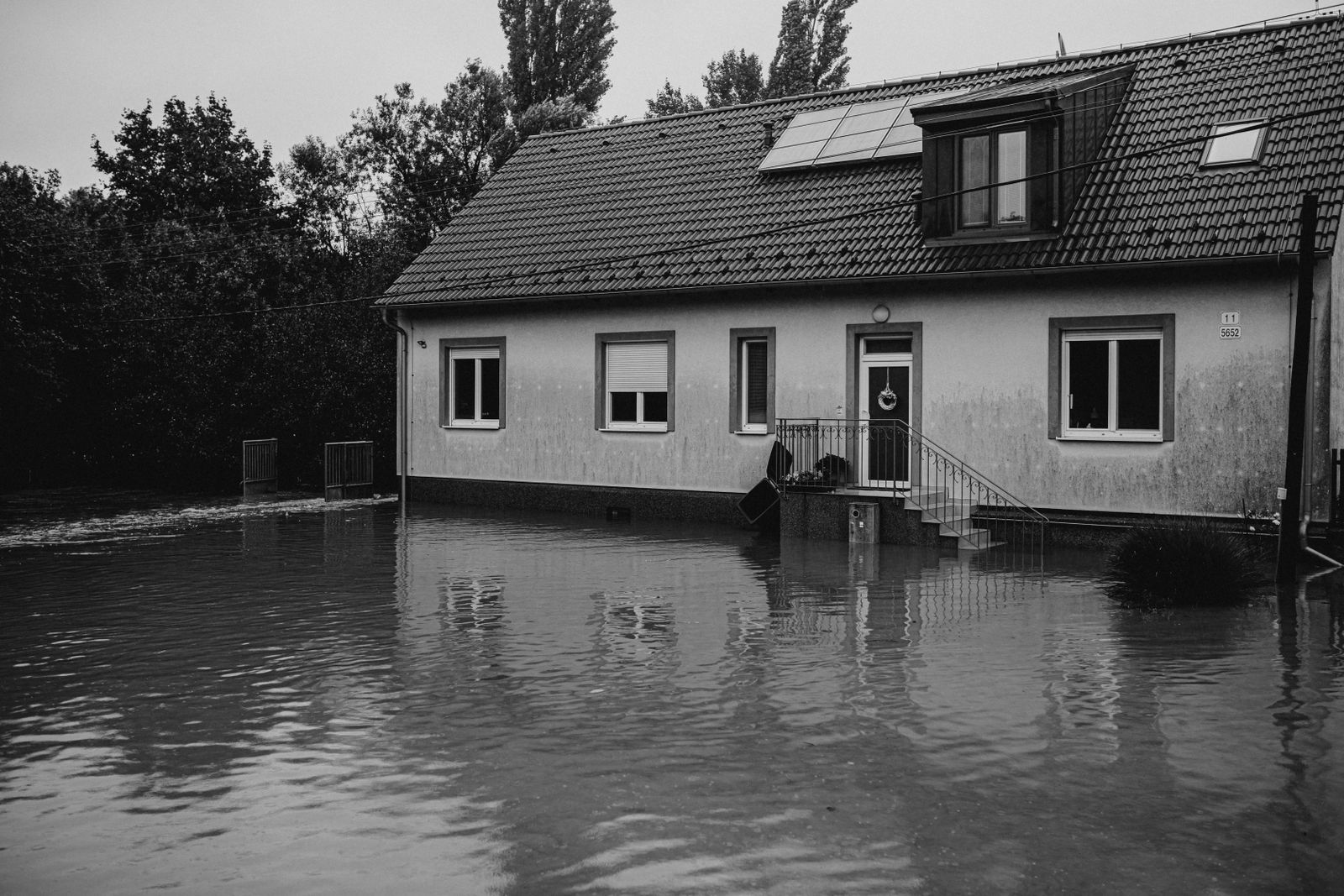
Your standard homeowners policy does NOT cover flood or earthquake damage. If you live in a flood zone (or even if you don’t—25% of flood claims come from moderate-risk areas), you need a separate policy through the National Flood Insurance Program (NFIP) or a private insurer. Similarly, homeowners in California, Washington, Alaska, or along the New Madrid fault should consider earthquake insurance. FEMA’s National Risk Index can show you your local risk.
Common Pitfalls and How to Avoid Them
- Underinsuring by skimping on garage, deck, or fence. These structures are often covered under “other structures” (typically 10% of dwelling limit). If you have a large detached garage or workshop, increase that percentage.
- Ignoring ordinance or law coverage. This pays the extra cost to bring your home up to current building codes (e.g., adding fire sprinklers). It’s essential after a disaster requires a complete rebuild.
- Not updating after renovations. A new kitchen, finished basement, or new roof increases your home’s replacement cost. Inform your agent immediately.
- Choosing actual cash value to save money. You’ll receive far less—enough for a down payment on rebuilding, not the full cost.
When to Re-evaluate Your Coverage
FEMA and the CDC recommend reviewing your policy annually or after any major life event: a renovation, change in local building codes, or a natural disaster that impacts construction costs. Contact your state insurance commissioner’s office for consumer guidance. You can also use Ready.gov’s disaster planning tools to estimate your needs.
Actionable Conclusion
Don’t leave your rebuild to chance. Start by getting a professional replacement cost estimate, add an extended replacement cost rider, ensure inflation guard is active, and purchase separate flood/earthquake policies if needed. Then review these numbers every year. A few hours today can save you from financial ruin after the next natural disaster. For more state-specific advice, visit FEMA or your state’s emergency management agency.
About our guidance
Our guides are grounded in publicly available information from official sources such as FEMA, NOAA, USGS and Ready.gov. Information is general in nature — always verify details for your specific property and policy with official sources and your insurer.
Related guides
 InsuranceLender-Placed Flood Insurance: The Expensive Backup If Your Policy LapsesYour lender can force-place flood insurance if your policy lapses — and bill you for it, usually at a higher price. Here is how…Oct 15, 2026Read guide →
 InsuranceWhat Happens to Your NFIP Policy If Congress Lets the Program LapseCongress extended the NFIP through December 11, 2026. If the program lapses, existing policies stay in force and claims get paid…Oct 15, 2026Read guide →
 InsuranceExcess Flood Insurance: Coverage Above NFIP's $250,000 LimitThe NFIP caps flood coverage at $250,000 for the building and $100,000 for contents. If your home would cost more to rebuild,…Oct 15, 2026Read guide →