
How to Appeal a Denied Homeowners Insurance Claim After Storm Damage
4 min read
On this page
- Why Was Your Storm Damage Claim Denied?
- Step 1: Review Your Policy and the Denial Letter
- Step 2: Gather Evidence to Support Your Appeal
- Step 3: Write a Formal Appeal Letter
- Step 4: Request a Reappraisal or Mediation
- Step 5: File a Complaint with Your State Insurance Department
- Step 6: Consider Legal Action or a Public Adjuster
- Additional Resources from Federal Agencies
- Timeline and Tips for Success
- Conclusion
If your homeowners insurance claim for storm damage was denied, you still have options. Learn the step-by-step process to appeal, including reviewing your policy, gathering evidence, and filing complaints with state regulators.
Why Was Your Storm Damage Claim Denied?
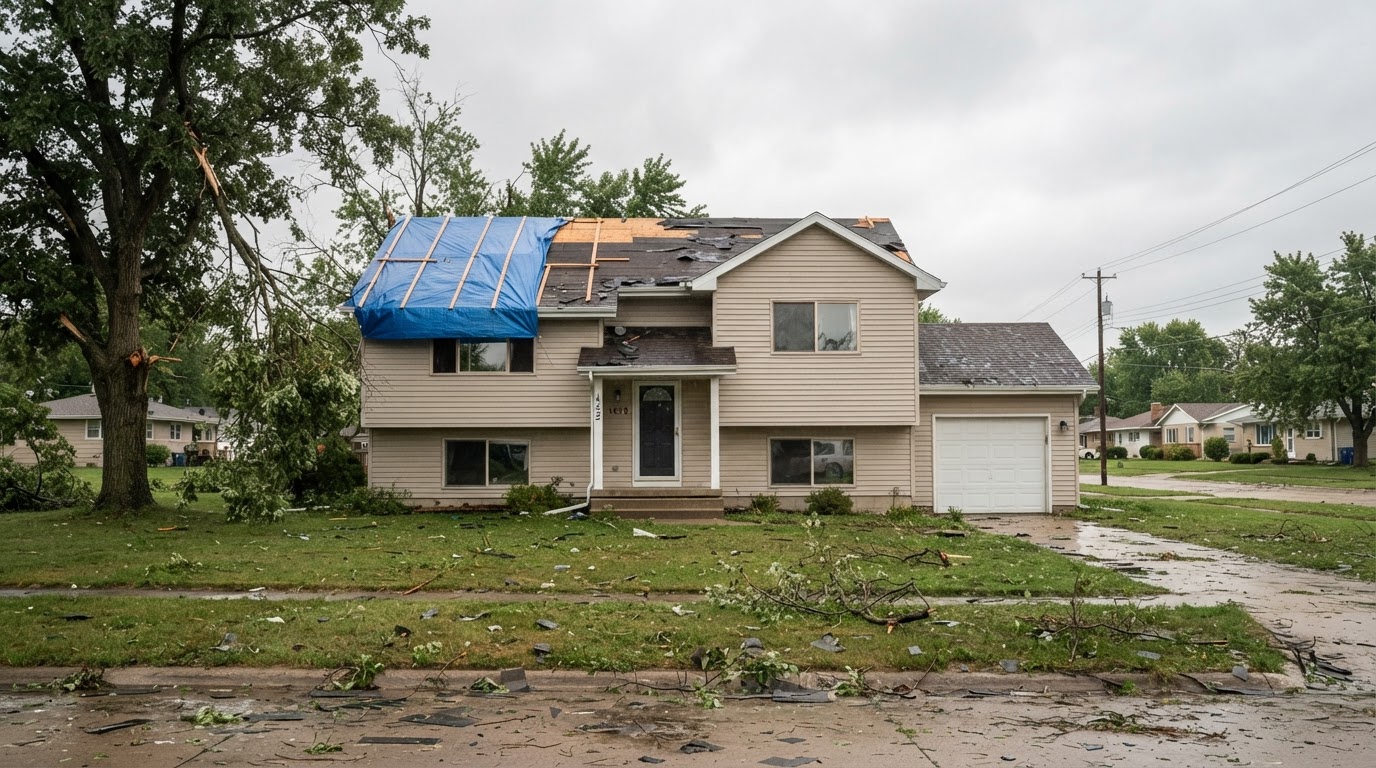
After a storm damages your home, a denied insurance claim can be devastating. Common reasons for denial include: policy exclusions (e.g., flood or earthquake damage not covered), insufficient documentation, missed filing deadlines, or the insurer determining the damage was pre-existing. Before appealing, carefully read your denial letter—it must explain the specific reason(s) under your policy. If unclear, request a written explanation.
Step 1: Review Your Policy and the Denial Letter

Your homeowners insurance policy is a contract. Check the declarations page, exclusions, and conditions. For storm damage, note:
- Perils covered: Standard policies cover wind, hail, lightning, and fire. Flood and earthquake require separate policies.
- Deductibles: Some policies have separate wind/hail deductibles (often a percentage of the dwelling limit).
- Time limits: You may have only 30–60 days to file an appeal. Mark deadlines on your calendar.
If you believe the denial is based on a misinterpretation, highlight the relevant policy language. The Ready.gov site offers general guidance on insurance and disasters.
Step 2: Gather Evidence to Support Your Appeal
Build a strong case with documentation. Include:
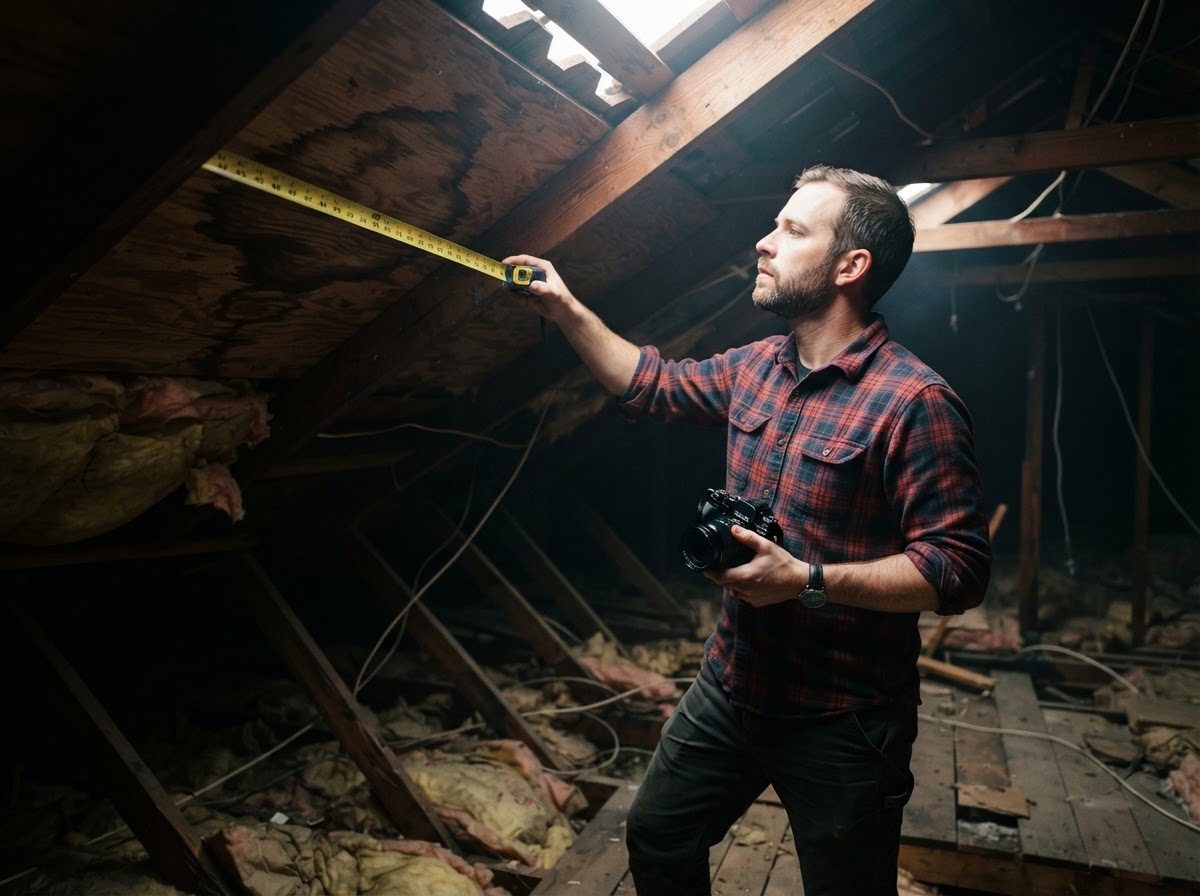
- Photos and videos of damage taken before any repairs, showing the extent and cause (e.g., wind-torn roof, floodwater line).
- Repair estimates from licensed contractors. Get at least two quotes.
- Weather reports from the National Weather Service (weather.gov) confirming storm type, wind speeds, and hail size on the date of loss.
- Receipts for temporary repairs (e.g., tarping a roof) and any destroyed personal property.
- Maintenance records showing your property was in good condition before the storm (e.g., roof inspections, gutter cleaning photos).
If flood damage is involved, consult FEMA's National Flood Insurance Program for specific requirements.
Step 3: Write a Formal Appeal Letter
Send a written appeal to your insurer’s claims department or the address in your denial letter. Use certified mail for proof of delivery. Your letter should:
- State your policy number, claim number, and date of loss.
- Explain why you believe the denial is incorrect, referencing policy language and your evidence.
- Attach copies (not originals) of all supporting documents.
- Request a specific outcome (e.g., reversal of denial, payment for covered damages).
- Include your contact information and a deadline for response (e.g., 30 days).
Keep a copy for your records. If you need help, FEMA's Individual Assistance program may offer caseworkers after a declared disaster.
Step 4: Request a Reappraisal or Mediation
Many policies include an appraisal clause for disputes over the amount of loss. Either party can demand an appraisal. Each selects an appraiser, and they choose an umpire. The decision is binding on the amount but not coverage.
Mediation is less formal. Some states offer free mediation programs for insurance disputes (check your state insurance department). Find your state insurance department for options.
Step 5: File a Complaint with Your State Insurance Department
If the insurer still denies your claim after your appeal, file a complaint with your state insurance commissioner. They have authority to investigate unfair claims practices. Provide all documentation and the insurer’s response. Complaints often lead to a review and may result in a settlement. Visit the National Association of Insurance Commissioners (NAIC) to find your state regulator.
Step 6: Consider Legal Action or a Public Adjuster
As a last resort, you can hire a lawyer who specializes in insurance bad faith claims. They can sue the insurer for breach of contract or bad faith if they unreasonably denied coverage. Some lawyers work on contingency. Alternatively, a public adjuster can negotiate on your behalf—they take a percentage of the claim. Ensure they are licensed in your state.
Additional Resources from Federal Agencies
If your area was declared a federal disaster after the storm, FEMA may provide grants for temporary housing, repairs, and other needs—even if your insurance claim is denied. Apply at DisasterAssistance.gov. Also, check CDC guidance on mold cleanup after water damage, as proper mitigation can prevent further harm and strengthen your claim.
Timeline and Tips for Success
- File your appeal as soon as possible—most policies allow 30–60 days.
- Keep a log of all communications with your insurer (names, dates, summary).
- Do not accept a late payment or settlement that waives your rights without consulting an attorney.
- Never commit fraud: Exaggerating damage can void your policy.
Conclusion
A denied claim is not the end. By understanding your policy, gathering solid evidence, and following the appeals process, you can increase your chances of a favorable outcome. Use the official resources from Ready.gov, NOAA/NWS, and your state insurance department. If all else fails, seek professional help. Your home is worth the fight.
About our guidance
Our guides are grounded in publicly available information from official sources such as FEMA, NOAA, USGS and Ready.gov. Information is general in nature — always verify details for your specific property and policy with official sources and your insurer.
Related guides
 InsuranceLender-Placed Flood Insurance: The Expensive Backup If Your Policy LapsesYour lender can force-place flood insurance if your policy lapses — and bill you for it, usually at a higher price. Here is how…Oct 15, 2026Read guide →
 InsuranceWhat Happens to Your NFIP Policy If Congress Lets the Program LapseCongress extended the NFIP through December 11, 2026. If the program lapses, existing policies stay in force and claims get paid…Oct 15, 2026Read guide →
 InsuranceExcess Flood Insurance: Coverage Above NFIP's $250,000 LimitThe NFIP caps flood coverage at $250,000 for the building and $100,000 for contents. If your home would cost more to rebuild,…Oct 15, 2026Read guide →