
How to Check Flood Risk Before Buying a Home
3 min read
On this page
- Why Flood Risk Matters for Homebuyers
- Step 1: Check FEMA Flood Maps
- Step 2: Understand Flood History of the Area
- Step 3: Consider Flood Insurance Requirements
- Step 4: Visit the Property During a Rainstorm
- Step 5: Check Local Flood Preparedness
- Step 6: Obtain a Full Flood Risk Assessment
- Additional Resources
- Conclusion
Learn how to evaluate flood risk for a property using FEMA flood maps, flood insurance requirements, and other official resources before making a purchase decision.
Flooding is the most common and costly natural disaster in the United States. Before buying a home, understanding its flood risk is critical—not just for safety, but also for insurance costs and property value. This guide walks you through practical steps to check flood risk using official government resources.
Why Flood Risk Matters for Homebuyers
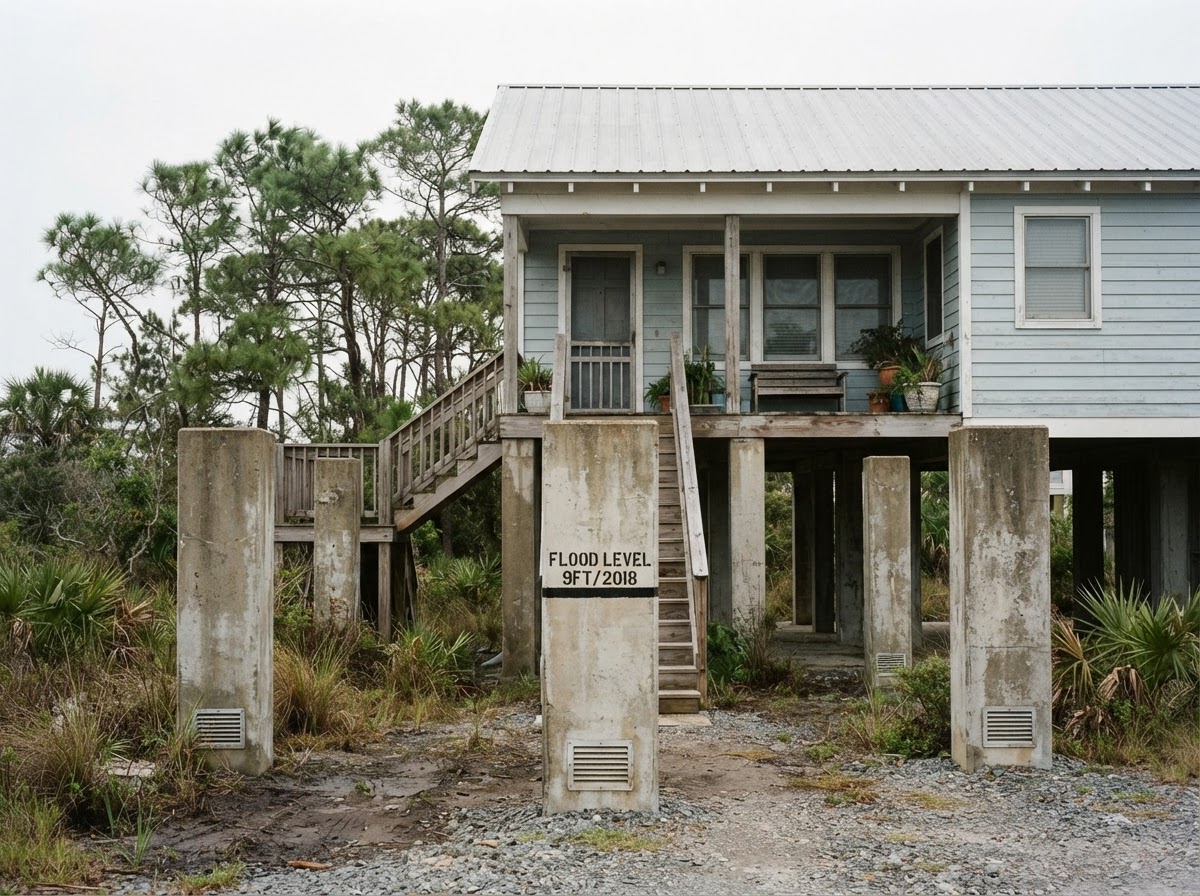
Flooding can happen anywhere, not just in high-risk zones. According to FEMA, just one inch of water can cause $25,000 in damage. Beyond repairs, flood risk affects your mortgage requirements, insurance premiums, and resale value. Lenders typically require flood insurance if the home is in a Special Flood Hazard Area (SFHA). Even outside SFHAs, flood insurance may be wise.
Step 1: Check FEMA Flood Maps
FEMA's Flood Insurance Rate Maps (FIRMs) are the official source for flood risk zones. Use the FEMA Flood Map Service Center to search by address. Look for the property's location relative to the 100-year floodplain (Zone A, AE, etc.). Remember: maps are periodically updated, so check the effective date.
What the Flood Zones Mean
- High-risk zones (A, AE, A1-30, V, VE): 1% annual flood chance (100-year flood). Mandatory flood insurance for federally backed mortgages.
- Moderate- to low-risk zones (B, X, C): 0.2% to 0.1% annual chance. Insurance is not required but recommended.
- Coastal high-hazard (V zones): Areas subject to storm surge and wave action.
Step 2: Understand Flood History of the Area
Beyond FEMA maps, investigate local flood history. Check NOAA's National Weather Service for past flood events and US Drought Monitor for soil saturation data. Talk to neighbors or the local emergency management agency about known flood spots.
Use Historical Flood Data Tools
- USGS Flood Event Viewer: See past flood extents and river gauge data.
- FEMA's Flood Risk Map Updates: Check for pending changes that may alter the property's zone.
Step 3: Consider Flood Insurance Requirements
If the property is in an SFHA, your mortgage lender will require flood insurance. For conventional loans, the National Flood Insurance Program (NFIP) offers policies through FEMA. Private insurance may also be available. Use the FloodSmart.gov website to estimate premiums. Even if not required, consider a policy—it is surprisingly affordable outside high-risk zones.
Step 4: Visit the Property During a Rainstorm
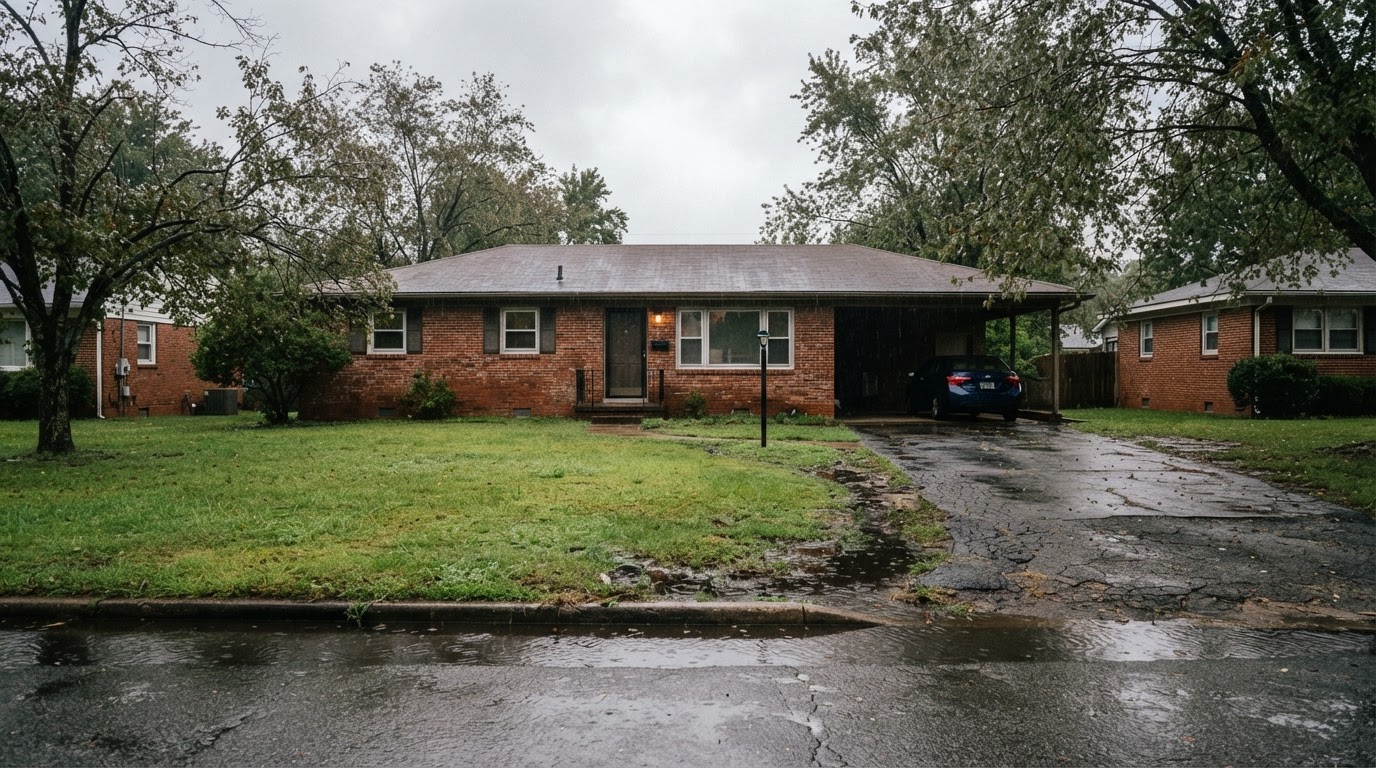
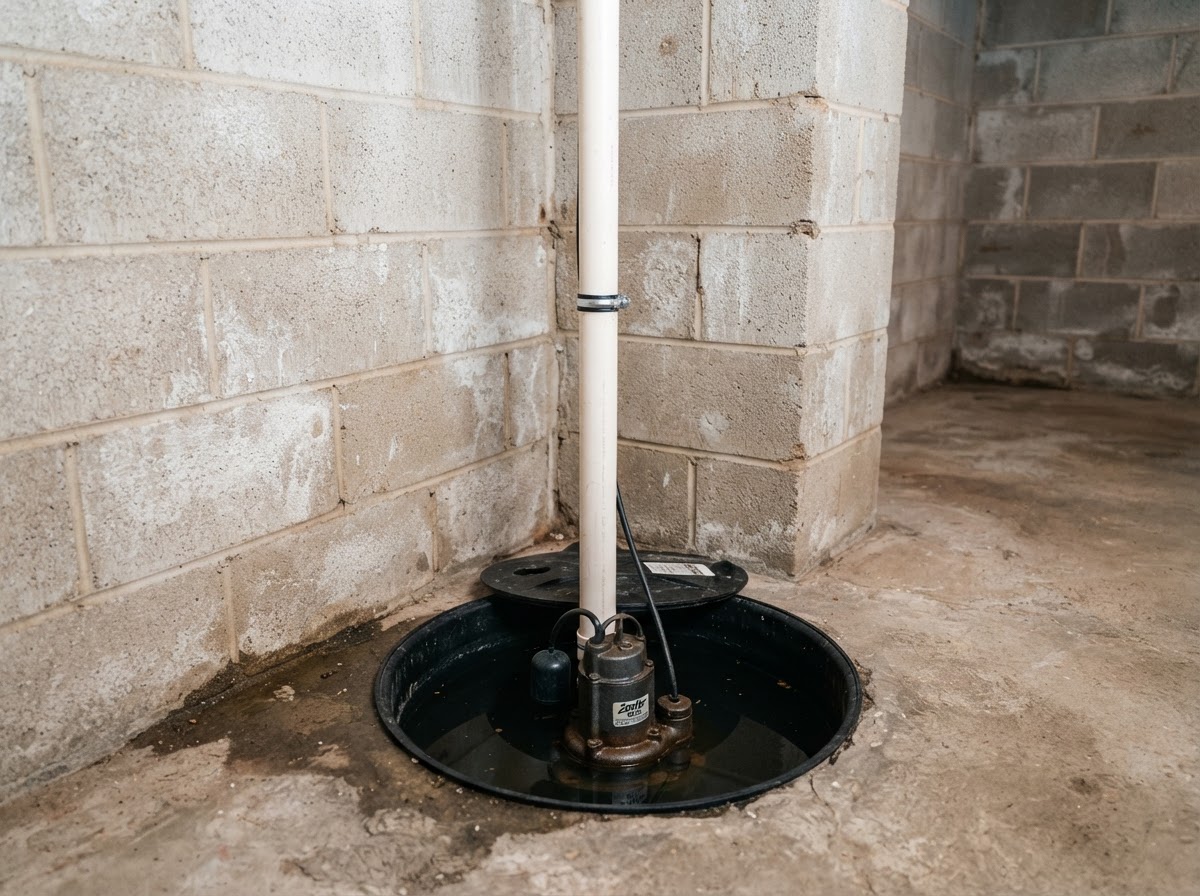
If possible, visit after heavy rain. Look for water pooling, drainage patterns, and signs of past flooding like water stains, warped floors, or mold. Check the basement and crawlspace. Ask the seller for disclosure of any past flood damage.
Step 5: Check Local Flood Preparedness
Local governments maintain flood mitigation measures like levees, dams, and stormwater systems. Ask your real estate agent or local public works department about the area's floodplain management. Review the community's Community Rating System (CRS) score—better scores mean lower insurance premiums.
Step 6: Obtain a Full Flood Risk Assessment
For a comprehensive view, hire a licensed surveyor to perform a flood elevation certificate (FEMA form). This provides exact information about the property's elevation relative to the base flood elevation (BFE). The certificate can also help lower insurance costs if your home is built higher than required.
Additional Resources
- Ready.gov: Floods – preparedness tips for homeowners.
- CDC: Flood Safety – health and safety after flooding.
- State Emergency Management Agencies – local flood hazard info.
Conclusion
Checking flood risk before buying a home is a straightforward process using official government tools. Start with FEMA flood maps, verify flood history, understand insurance requirements, and consider a professional assessment. Taking these steps protects your investment and ensures you and your family are prepared for potential flooding. For more information, visit HomeRiskMap.com.
About our guidance
Our guides are grounded in publicly available information from official sources such as FEMA, NOAA, USGS and Ready.gov. Information is general in nature — always verify details for your specific property and policy with official sources and your insurer.
Related guides
 InsuranceLender-Placed Flood Insurance: The Expensive Backup If Your Policy LapsesYour lender can force-place flood insurance if your policy lapses — and bill you for it, usually at a higher price. Here is how…Oct 15, 2026Read guide →
 InsuranceWhat Happens to Your NFIP Policy If Congress Lets the Program LapseCongress extended the NFIP through December 11, 2026. If the program lapses, existing policies stay in force and claims get paid…Oct 15, 2026Read guide →
 InsuranceExcess Flood Insurance: Coverage Above NFIP's $250,000 LimitThe NFIP caps flood coverage at $250,000 for the building and $100,000 for contents. If your home would cost more to rebuild,…Oct 15, 2026Read guide →