
How to Check Your Home’s Flood Risk Before You Buy
4 min read
On this page
- Why Checking Flood Risk Matters
- Step 1: Check FEMA Flood Maps
- Step 2: Order a Flood Insurance Rate Quote
- Step 3: Research Flood History and Local Hazards
- Step 4: Consider Professional Assessments
- Step 5: Evaluate Mitigation Measures
- Step 6: Understand Flood Insurance Requirements
- Additional Online Tools
- Conclusion: Make an Informed Decision
Learn how to assess flood risk using FEMA maps, flood insurance data, and local resources before purchasing a home. This guide helps you avoid costly surprises.
Why Checking Flood Risk Matters
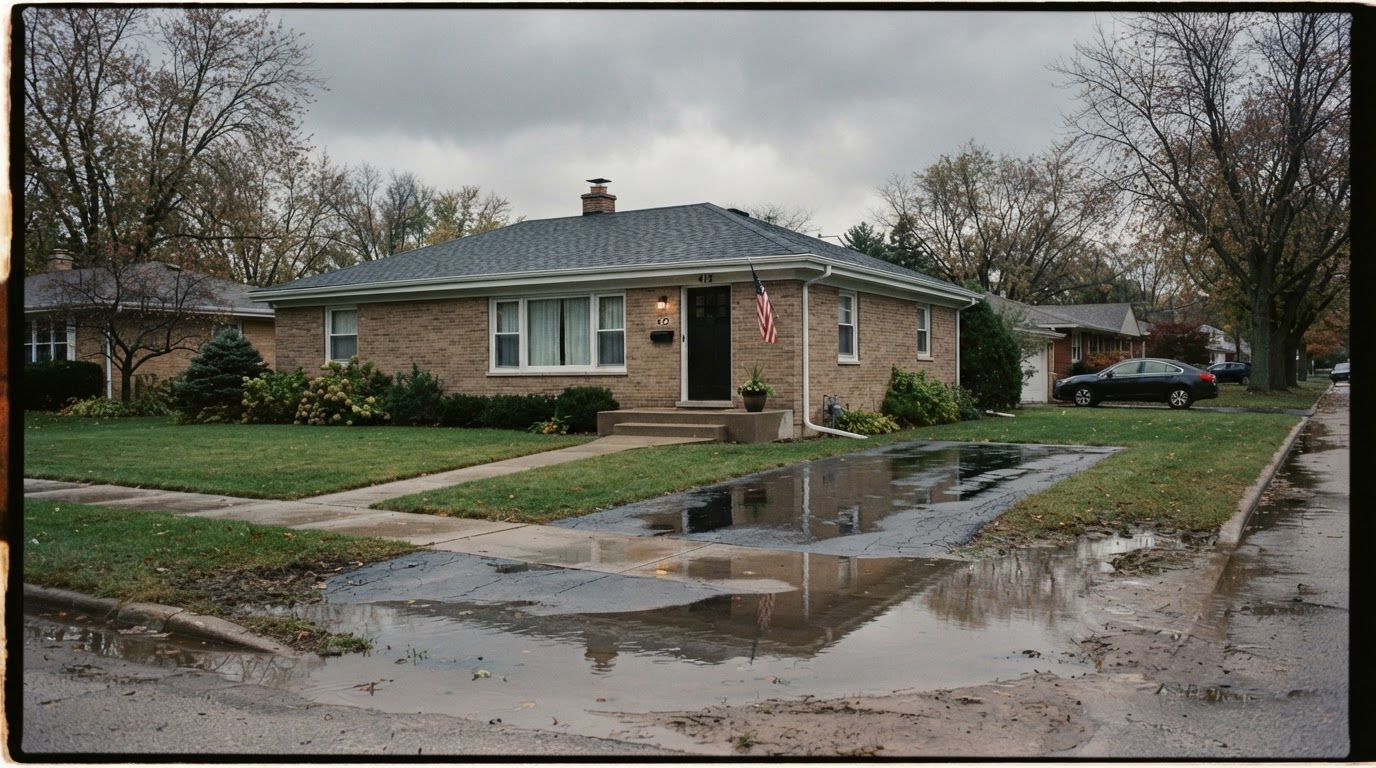
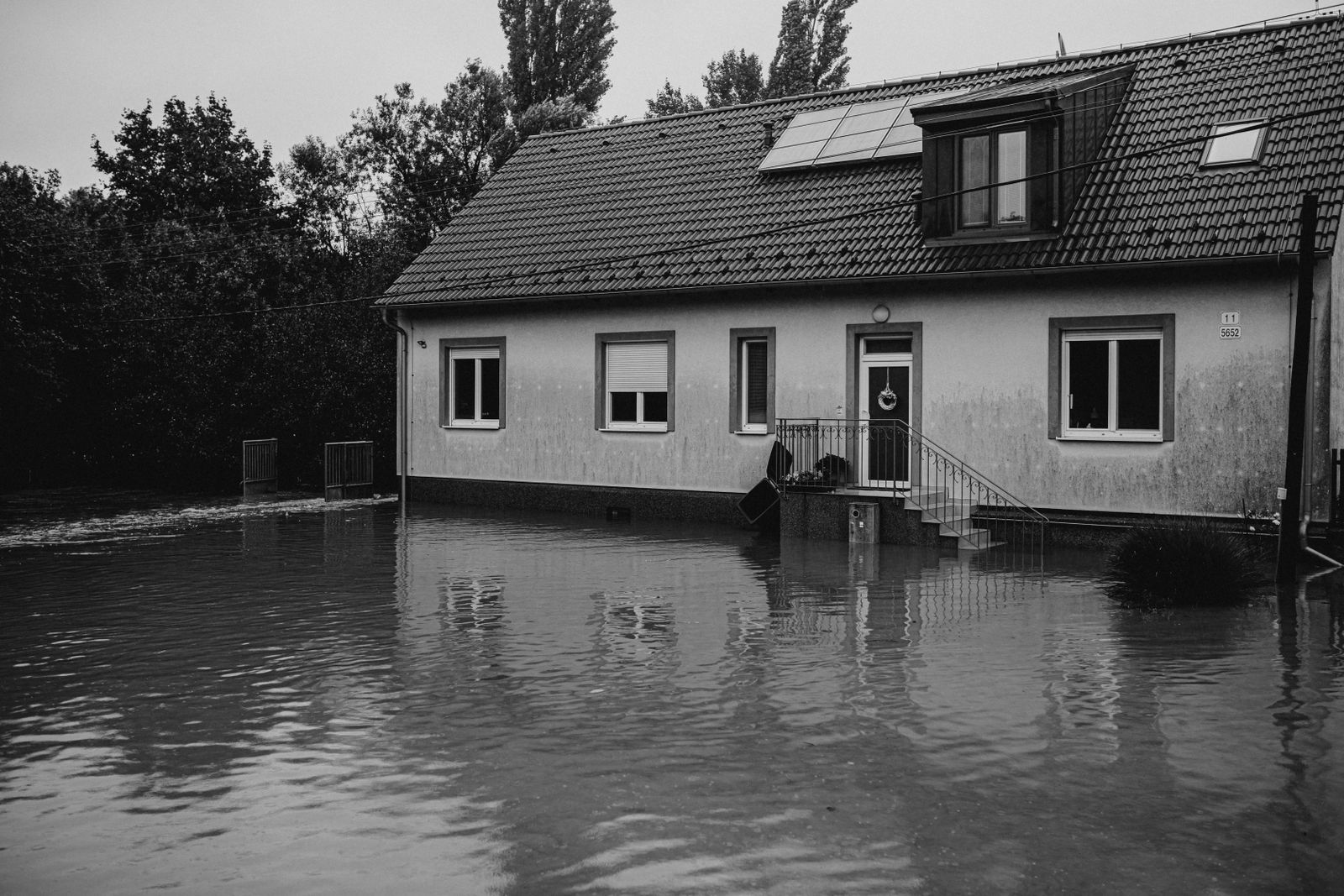
Flooding is the most common and costly natural disaster in the United States. According to FEMA, just one inch of water can cause more than $25,000 in damage to a home. Many homeowners discover their flood risk only after a storm hits—or when they try to buy insurance. Before you make an offer on a home, it's essential to understand its flood history and future risk. This guide walks you through the steps using official government resources.
Step 1: Check FEMA Flood Maps
Start with FEMA's Flood Map Service Center. Enter the property's address to see the current Flood Insurance Rate Map (FIRM). These maps show Special Flood Hazard Areas (SFHAs), which have a 1% annual chance of flooding—also known as the 100-year floodplain.
- High-risk zones (A, AE, AO, etc.): If the property lies in an SFHA, your lender will likely require flood insurance.
- Moderate- to low-risk zones (B, C, X): Flood risk is lower but not zero. About 25% of all flood claims come from these areas, per FEMA.
Keep in mind that FEMA maps are not always updated. Check the map's effective date and any preliminary revisions. You can also view Ready.gov's flood safety tips for context.
What if the Map Is Outdated?
FEMA reviews and updates maps periodically. Visit your local floodplain manager or FloodSmart.gov for information on upcoming map changes. If the home is near a river, coast, or drainage area, consider a higher risk even if the current map shows low risk.
Step 2: Order a Flood Insurance Rate Quote
Talk to a licensed insurance agent about flood insurance rates. Under the National Flood Insurance Program (NFIP), premiums reflect the property's risk. An inexpensive quote may indicate low risk, while a high quote—or a rate that requires elevation certificates—can signal significant hazard.
- Flood insurance is separate from standard homeowners insurance and costs roughly $700–$1,000 per year on average, but can be much higher in high-risk zones.
- If the seller already has a policy, ask for claims history. A history of repeated claims is a red flag.
Step 3: Research Flood History and Local Hazards
Beyond FEMA maps, check multiple sources:
- National Weather Service: Search for local flood warnings, past floods, and rainfall records.
- USGS WaterWatch: See historical streamflow data near the property.
- U.S. Drought Monitor: Drought conditions can affect soil absorption and flash flood risk.
- State emergency management agency: Many states, like California's Cal OES or Texas DEM, provide hazard mitigation plans and local risk assessments.
Ask the Seller and Neighbors
Under most state disclosure laws, sellers must reveal known flood damage. Ask for: (1) past flood repairs, (2) whether the home has ever been flooded, and (3) if the basement or crawlspace shows signs of water intrusion. Speak with neighbors about their flood experiences.
Step 4: Consider Professional Assessments
Hire a licensed home inspector to look for water damage, mold, and foundation issues. For a deeper dive, request an elevation certificate (if available) from the local building department. This document shows the home's lowest floor elevation relative to the Base Flood Elevation (BFE). The FEMA Elevation Certificate is the standard form.
Step 5: Evaluate Mitigation Measures
If you're still interested in a property with flood risk, check what flood protection measures exist:
- Flood vents allow water to flow through crawlspaces, reducing pressure.
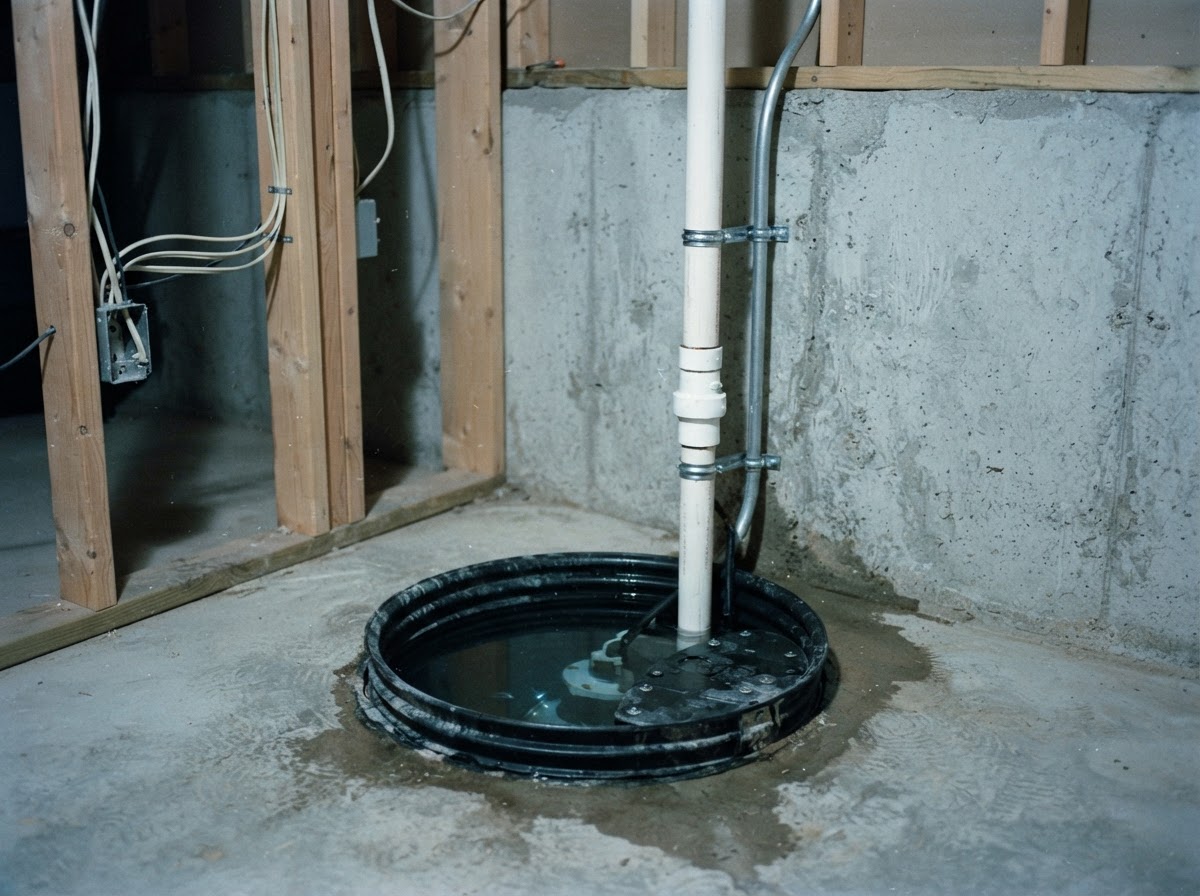
- Sump pumps with backup power can remove water during heavy rain.
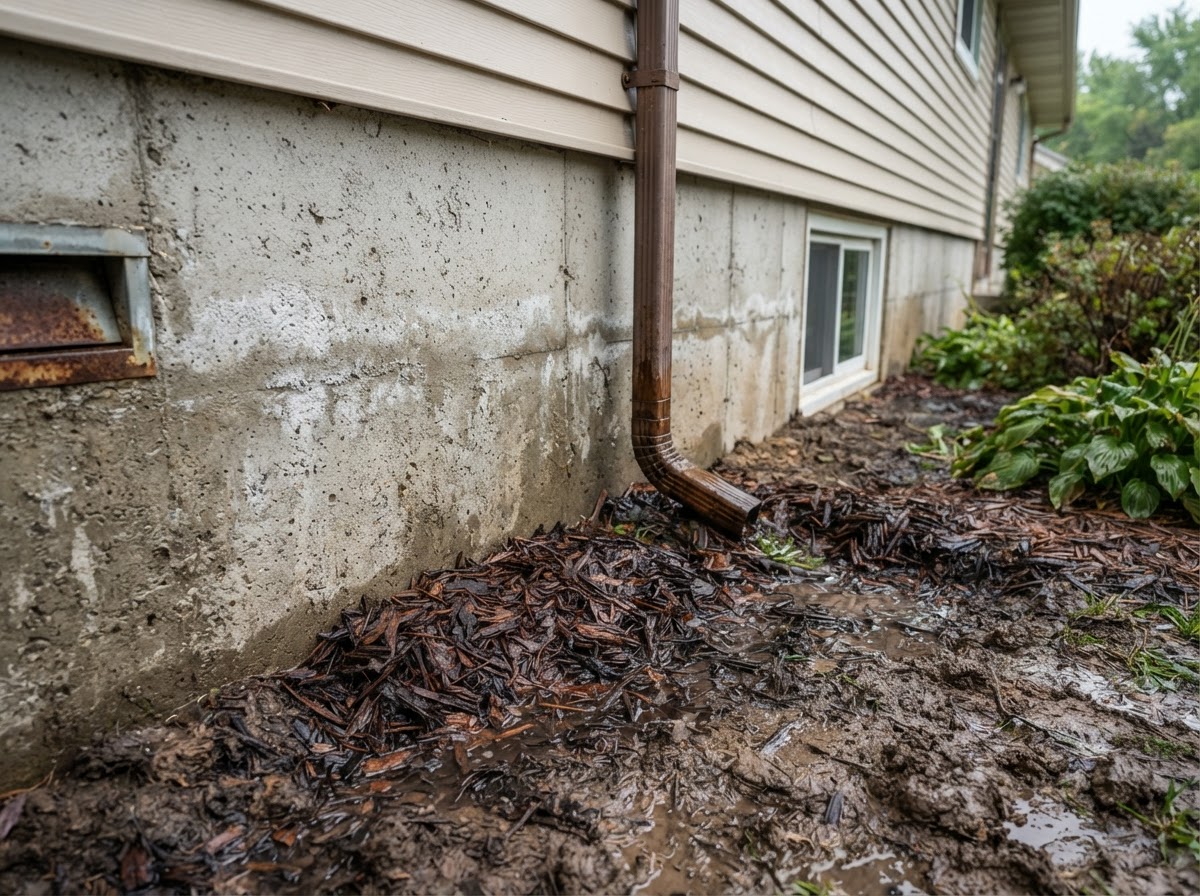
- Landscaping that slopes away from the foundation.
- Flood barriers or sandbags as temporary solutions.
Check with your local floodplain manager if the home is in a community that participates in the Community Rating System (CRS). CRS communities receive discounted flood insurance rates for implementing floodplain management activities.
Step 6: Understand Flood Insurance Requirements
If you have a federally backed mortgage and the home is in a high-risk zone (SFHA), you must buy flood insurance. Even if not required, CDC flood safety guidelines stress that flood damage can happen anywhere. Flood insurance covers the structure and contents, but there are limits—separate policies are needed for basements, crawlspaces, and additional living expenses.
Additional Online Tools
Several tools combine flood risk data with other hazards:
- FEMA National Risk Index: Shows flood risk alongside other natural hazards for any location.
- First Street Foundation Flood Factor: Provides property-level flood risk scores (not an official government source but commonly referenced).
- USGS Earthquake Hazards: While not flood-related, earthquake risk often coincides with flooding in coastal areas.
Conclusion: Make an Informed Decision
Buying a home is one of the biggest decisions you'll make. Don't let flood risk be an afterthought. By checking FEMA maps, insurance quotes, local history, and conducting a thorough inspection, you can either proceed with confidence or negotiate repairs and insurance costs. If the risk is too high, walk away—there are safer homes out there. For more guidance, visit FloodSmart.gov and Ready.gov.
About our guidance
Our guides are grounded in publicly available information from official sources such as FEMA, NOAA, USGS and Ready.gov. Information is general in nature — always verify details for your specific property and policy with official sources and your insurer.
Related guides
 InsuranceLender-Placed Flood Insurance: The Expensive Backup If Your Policy LapsesYour lender can force-place flood insurance if your policy lapses — and bill you for it, usually at a higher price. Here is how…Oct 15, 2026Read guide →
 InsuranceWhat Happens to Your NFIP Policy If Congress Lets the Program LapseCongress extended the NFIP through December 11, 2026. If the program lapses, existing policies stay in force and claims get paid…Oct 15, 2026Read guide →
 InsuranceExcess Flood Insurance: Coverage Above NFIP's $250,000 LimitThe NFIP caps flood coverage at $250,000 for the building and $100,000 for contents. If your home would cost more to rebuild,…Oct 15, 2026Read guide →