
How to Create a Family Emergency Evacuation Plan
4 min read
On this page
A step-by-step guide to creating a family evacuation plan that works for any natural disaster. Learn from official FEMA and Ready.gov recommendations.
Why Your Family Needs an Evacuation Plan
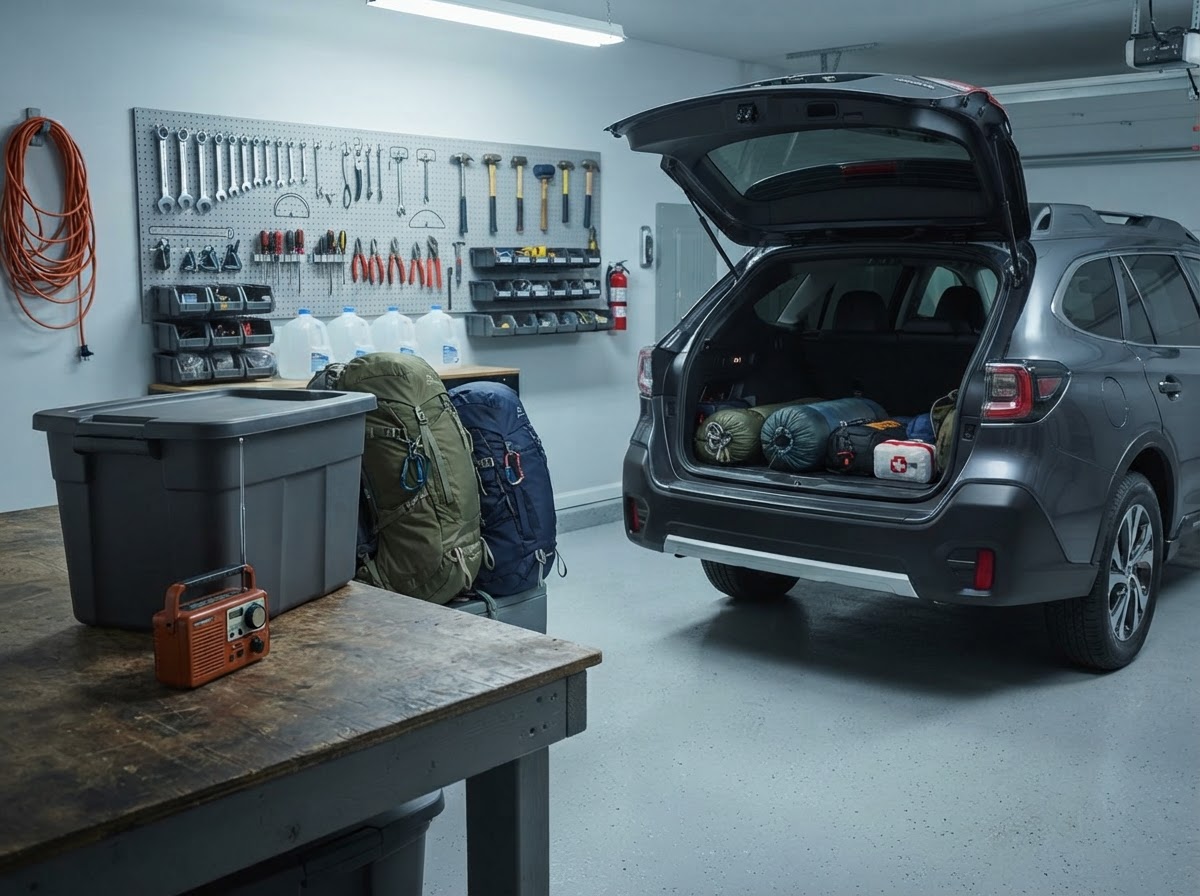
Natural disasters can strike with little warning. Whether it's a wildfire, flood, hurricane, or earthquake, having a plan before an emergency happens is essential for your family's safety. According to Ready.gov, only 48% of Americans have discussed emergency plans with their households. Don't wait until it's too late. Use this guide to create a family emergency evacuation plan based on official guidance from FEMA, NOAA, and other trusted sources.
Step 1: Know Your Hazards
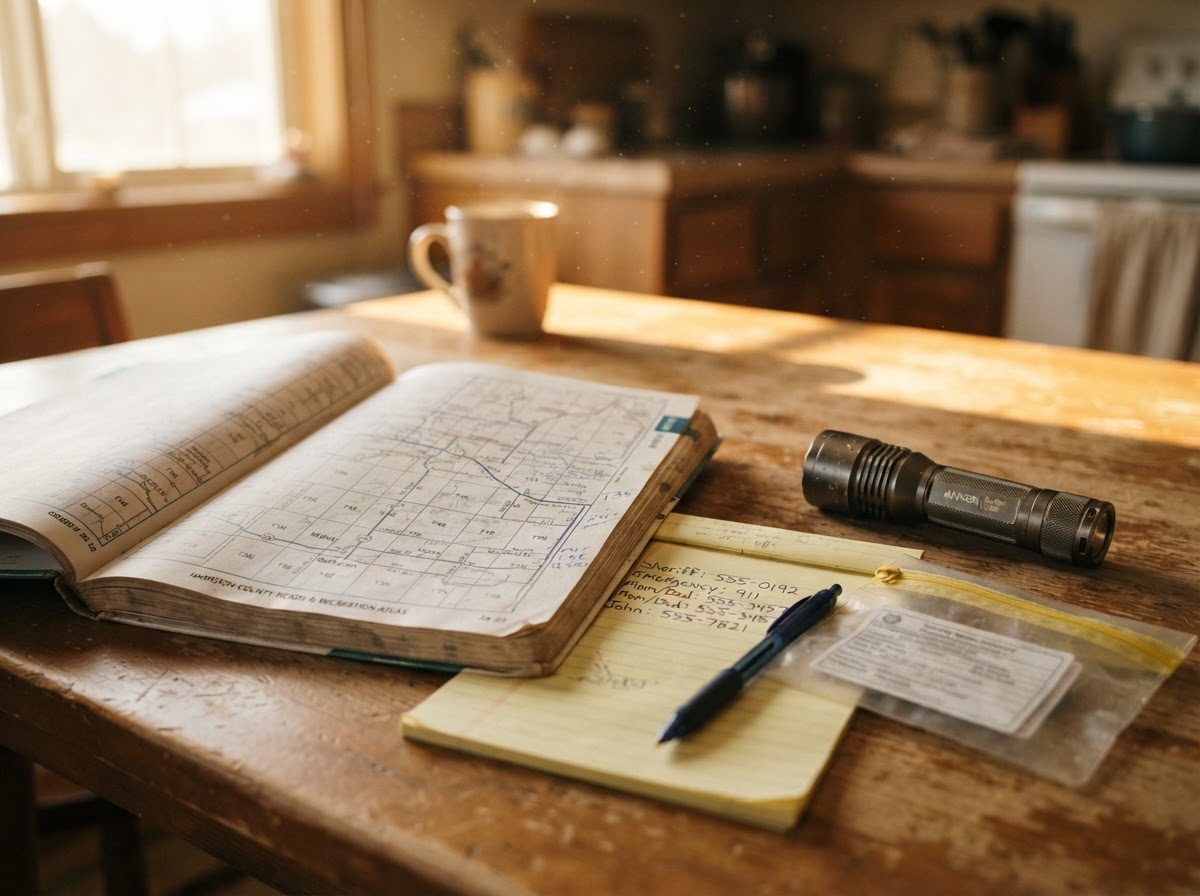
Start by understanding the natural disasters most likely to affect your home. Use the FEMA National Risk Index to identify risks in your area, such as floods, hurricanes, tornadoes, earthquakes, or wildfires. Also check your local National Weather Service office for specific alerts. Knowing your hazards will help you tailor your plan to the threats you face.
Step 2: Create a Communication Plan
In an emergency, communication systems can fail. Establish a plan to stay in touch with family members.
- Choose an out-of-state contact that everyone can call to report their location. Long-distance lines may work when local lines are jammed.
- Designate two meeting places: one right outside your home (e.g., a neighbor's porch) and one outside your neighborhood (e.g., a public library or park).
- Ensure everyone has emergency contact numbers saved in their phones and written on a card in their wallet or backpack.
- Consider a group chat or text chain as text messages often go through when calls don't. Learn more at Ready.gov's Make a Plan.
Step 3: Map Your Evacuation Routes
Plan how you will leave your home and community.
- Identify primary and alternate routes from your home to the meeting places and out of your town. Avoid low-lying areas prone to flooding or routes that cross bridges in earthquake zones.
- Practice driving or walking these routes so they become familiar. Consider traffic patterns and time of day.
- If you rely on public transportation, contact your local transit authority for their emergency plans.
- For special needs (e.g., wheelchair users), ensure routes are accessible and identify any barriers. Ready.gov for People with Disabilities offers more guidance.
Step 4: Pack a Go Bag
A go bag (or emergency kit) should contain essentials to sustain each family member for at least 72 hours. The Ready.gov emergency kit includes:
- Water: one gallon per person per day.
- Non-perishable food and a manual can opener.
- Flashlight, battery-powered radio, and extra batteries.
- First aid kit and prescription medications (a 7-day supply).
- Multi-purpose tool, whistle, and duct tape.
- Copies of important documents (IDs, insurance policies) in a waterproof bag.
- Cash in small bills and a portable charger for phones.
- Masks, hand sanitizer, and personal hygiene items.
- Extra clothing, sturdy shoes, and blankets.
Customize your bag for each family member, including infants (diapers, formula) and seniors (hearing aid batteries, walkers).
Step 5: Plan for Pets and Livestock
Don't leave your animals behind. According to Ready.gov Pets, include your pets in your evacuation plan:
- Identify pet-friendly hotels or shelters along your routes. Many shelters accept only service animals.
- Prepare a pet go bag with food, water, bowls, leash, vaccination records, and a carrier.
- For livestock, have a plan to transport them or secure them in a safe area. Contact your local emergency management agency for guidance.
Step 6: Practice Your Plan
Practice makes perfect. Run through your evacuation plan at least twice a year.
- Conduct a drill with all family members, including pets. Time yourselves.
- Test your communication plan by calling your out-of-state contact.
- Review and update your plan as your family changes (new baby, new address, etc.).
- Check your go bag every six months for expired items or seasonal needs.
Special Considerations
For Older Adults and People with Disabilities
If you or a family member has mobility, hearing, or vision challenges, adjust your plan accordingly. Register with your local emergency management office for special assistance. Ensure your go bag includes necessary medical equipment and backup power sources.
Infants and Young Children
Pack formula, bottles, diapers, wipes, and comfort items. Practice with young children so they know what to expect. Use the Ready Kids materials to teach them.
Neighbors and Community
Check on elderly or disabled neighbors during a crisis. Share your plan with trusted neighbors so you can help each other.
Conclusion
Creating a family emergency evacuation plan doesn't have to be complicated. Start today: know your hazards, build a communication plan, map routes, pack a go bag, and practice together. For more resources, visit Ready.gov, FEMA's National Risk Index, and NOAA's National Weather Service. Your family’s safety is worth the time. Make the plan now.
About our guidance
Our guides are grounded in publicly available information from official sources such as FEMA, NOAA, USGS and Ready.gov. Information is general in nature — always verify details for your specific property and policy with official sources and your insurer.
Related guides
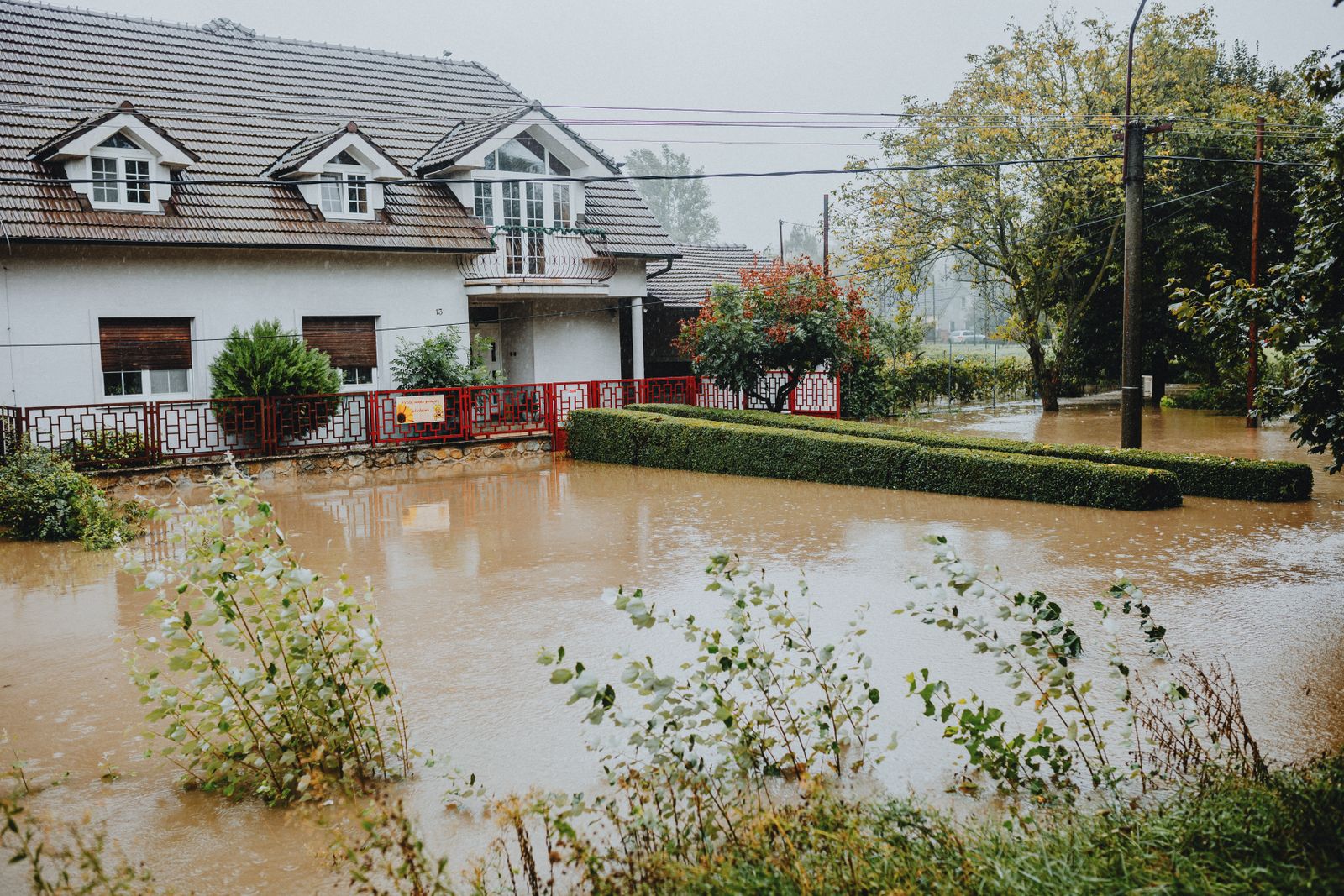 InsuranceLender-Placed Flood Insurance: The Expensive Backup If Your Policy LapsesYour lender can force-place flood insurance if your policy lapses — and bill you for it, usually at a higher price. Here is how…Oct 15, 2026Read guide →
 InsuranceWhat Happens to Your NFIP Policy If Congress Lets the Program LapseCongress extended the NFIP through December 11, 2026. If the program lapses, existing policies stay in force and claims get paid…Oct 15, 2026Read guide →
 InsuranceExcess Flood Insurance: Coverage Above NFIP's $250,000 LimitThe NFIP caps flood coverage at $250,000 for the building and $100,000 for contents. If your home would cost more to rebuild,…Oct 15, 2026Read guide →