
How to File a Flood Insurance Claim: A Step-by-Step Guide
4 min read
On this page
- Introduction
- Step 1: Ensure Safety First
- Step 2: Notify Your Insurance Company Immediately
- Step 3: Document the Damage Thoroughly
- Step 4: Prepare for the Adjuster Visit
- Step 5: Complete the Proof of Loss Form
- Step 6: Understand What Your Policy Covers
- Step 7: Appeal If Necessary
- Step 8: Receive Payment and Begin Repairs
- Additional Tips for a Smooth Claim
- Conclusion
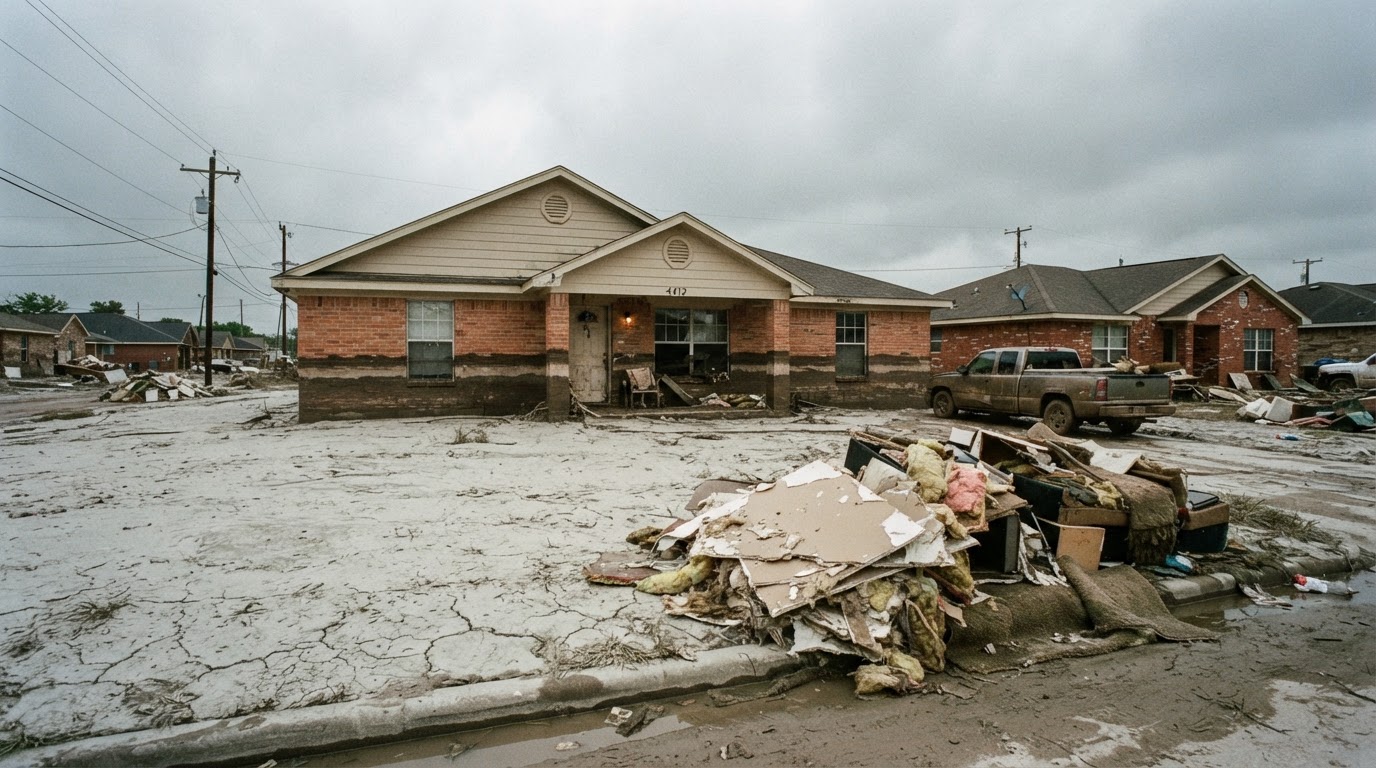
Filing a flood insurance claim can be overwhelming, but knowing the right steps will help you recover faster. This guide walks you through the NFIP claims process from start to finish.
Introduction
Flooding can happen anywhere—just a few inches of water can cause thousands of dollars in damage. If you have flood insurance through the National Flood Insurance Program (NFIP) or a private insurer, knowing how to file a claim correctly is essential to getting the compensation you deserve. This step-by-step guide will walk you through the entire process, from documenting damage to receiving your settlement.
Step 1: Ensure Safety First
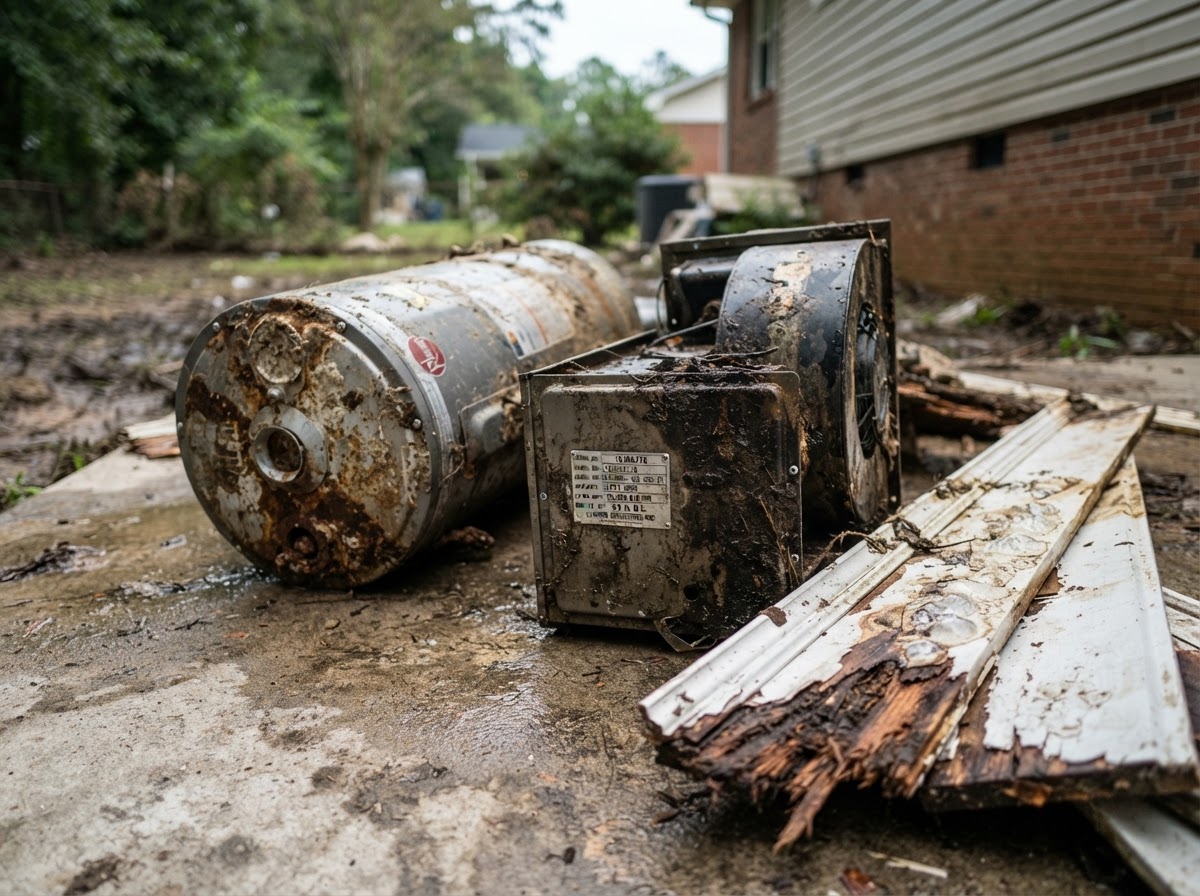
Before you start any paperwork, make sure you and your family are safe. Do not enter a flooded building until officials say it is safe. Avoid contact with floodwater, which may contain sewage, chemicals, or electrical hazards. Visit CDC's Flood Safety for more guidance.
Step 2: Notify Your Insurance Company Immediately
Contact your insurance agent or company as soon as it is safe. Provide your policy number and basic details about the damage. Most NFIP policies require you to file a claim within 60 days of the loss, but calling early speeds up the process. Ask them:
- What information they need
- When an adjuster will be assigned
- How to submit your proof of loss form
Step 3: Document the Damage Thoroughly
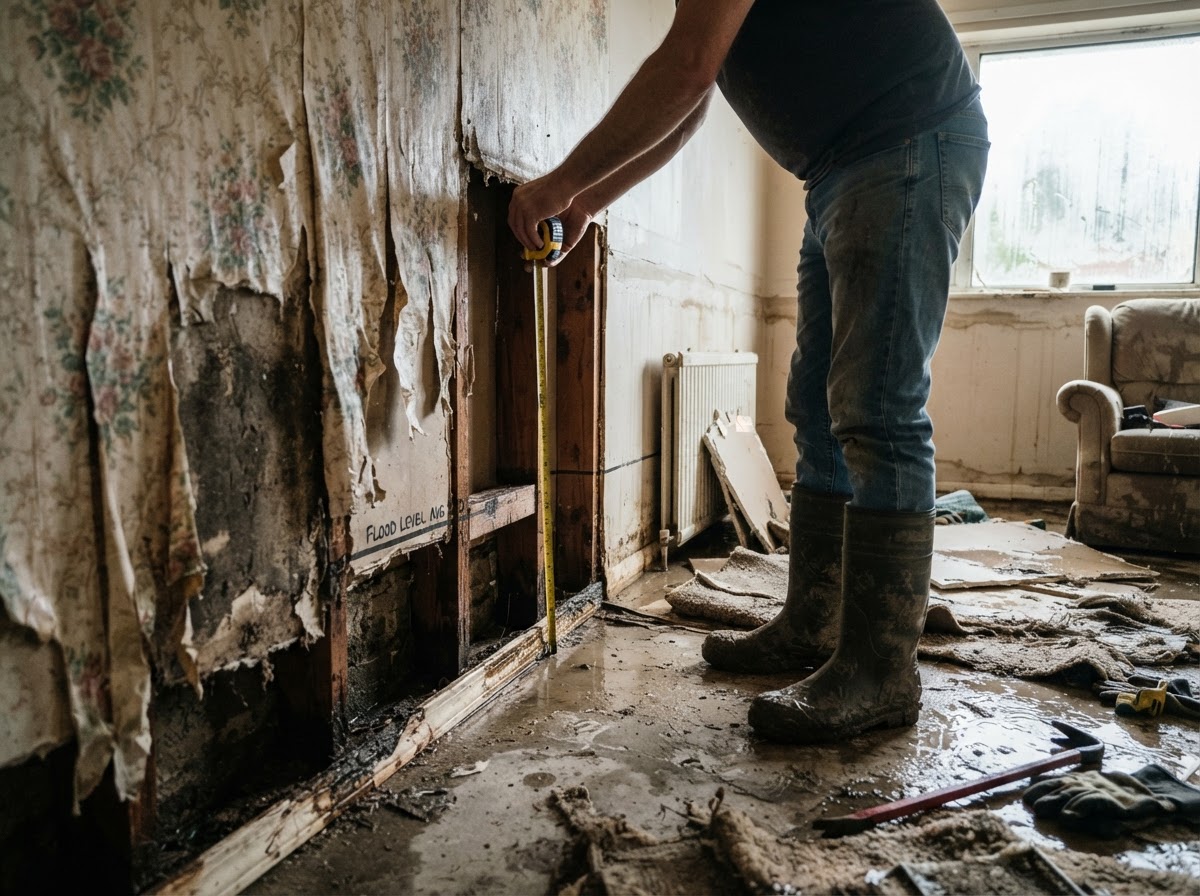
Before you clean up or make repairs, take photos and videos of all damaged areas and possessions. Use a ruler or tape measure to show water levels. Create a written inventory of damaged items, including:
- Description of each item
- Approximate age, value, and replacement cost
- Serial numbers, receipts, or photos if available
Keep samples of damaged carpet, flooring, or wallpaper for the adjuster. Do not throw anything away until the adjuster has seen it. The NFIP's Claims Process page offers more tips.
Step 4: Prepare for the Adjuster Visit
An insurance adjuster will inspect your property to assess the damage. Be present during the inspection if possible. Have your documentation ready: photos, videos, inventory list, and a copy of your policy. The adjuster will measure damage to the building and contents. Ask questions if you don't understand something.
Step 5: Complete the Proof of Loss Form
Your adjuster will provide a Proof of Loss (POL) form. This is your sworn statement of the amount you are claiming. It must be filed within 60 days of the loss unless the deadline is extended. Include:
- Your insurance policy number
- Date and cause of loss
- Detailed list of damaged property and estimated value
- Supporting documents (photos, receipts, etc.)
Sign the form in front of a notary public. Your insurance company may accept electronic signatures. Failure to file a timely, accurate POL can delay or reduce your payment. See FEMA's Proof of Loss Tips for help.
Step 6: Understand What Your Policy Covers
NFIP policies cover both building property and personal contents. Building coverage includes the foundation, walls, electrical and plumbing systems, appliances, and permanently installed carpeting. Contents coverage includes furniture, clothing, electronics, and other belongings. Deductibles apply separately for building and contents. Wait for claim approval before making permanent repairs. Temporary repairs to prevent further damage (e.g., boarding windows, drying out the home) are usually allowed—keep all receipts.
Standard NFIP policies do not cover:
- Damage caused by moisture or mold that could have been avoided
- Property outside the building (landscaping, septic systems, etc.)
- Loss of use or additional living expenses (some private policies may cover this)
Step 7: Appeal If Necessary
If you disagree with the adjuster's estimate or the amount your insurer offers, you have the right to appeal. Submit additional documentation, such as a second estimation from a contractor. The appeals process is detailed in your policy. You can also request a review by FEMA. Keep all correspondence and notes.
Step 8: Receive Payment and Begin Repairs
Once your claim is approved, you will receive a check or direct deposit. Payment for building damage may be released in installments as work progresses. Use the funds for repairs and replacement. Be aware that if you have a mortgage, your lender may be named on the check and may require that repairs be completed before releasing funds.
Additional Tips for a Smooth Claim
- Keep a log of all phone calls and emails with your insurance company.
- Do not sign any release or waiver until you fully understand it.
- Contact your state insurance department if you feel your claim is unfairly handled.
- Consider hiring a public adjuster who works for you, not the insurance company.
- For more help, visit FEMA's Flood Insurance page and Ready.gov/floods.
Conclusion
Filing a flood insurance claim doesn't have to be a nightmare. By acting quickly, documenting everything, and staying organized, you can navigate the process with confidence. Remember to start with safety, notify your insurer immediately, and file your proof of loss on time. The steps you take now can make the difference between a fair settlement and a prolonged dispute. For more resources on protecting your home from natural hazards, explore HomeRiskMap.com.
About our guidance
Our guides are grounded in publicly available information from official sources such as FEMA, NOAA, USGS and Ready.gov. Information is general in nature — always verify details for your specific property and policy with official sources and your insurer.
Related guides
 InsuranceLender-Placed Flood Insurance: The Expensive Backup If Your Policy LapsesYour lender can force-place flood insurance if your policy lapses — and bill you for it, usually at a higher price. Here is how…Oct 15, 2026Read guide →
 InsuranceWhat Happens to Your NFIP Policy If Congress Lets the Program LapseCongress extended the NFIP through December 11, 2026. If the program lapses, existing policies stay in force and claims get paid…Oct 15, 2026Read guide →
 InsuranceExcess Flood Insurance: Coverage Above NFIP's $250,000 LimitThe NFIP caps flood coverage at $250,000 for the building and $100,000 for contents. If your home would cost more to rebuild,…Oct 15, 2026Read guide →