
How to Prepare Your Home for Hurricane Season (Room-by-Room Checklist)
4 min read
On this page
Get your home hurricane-ready with this practical, room-by-room checklist based on official government guidance from FEMA, NOAA, and Ready.gov.
Why a Room-by-Room Approach?
Hurricane season brings strong winds, heavy rain, and storm surge that can damage your home from every angle. Rather than feeling overwhelmed, tackle preparation one room at a time. This checklist follows guidance from Ready.gov, FEMA, and NOAA's National Hurricane Center to help you protect your family and property.
General Preparation Before You Start
Before going room by room, complete these steps:
- Check your insurance: review flood and wind coverage at least 30 days before hurricane season (June 1).
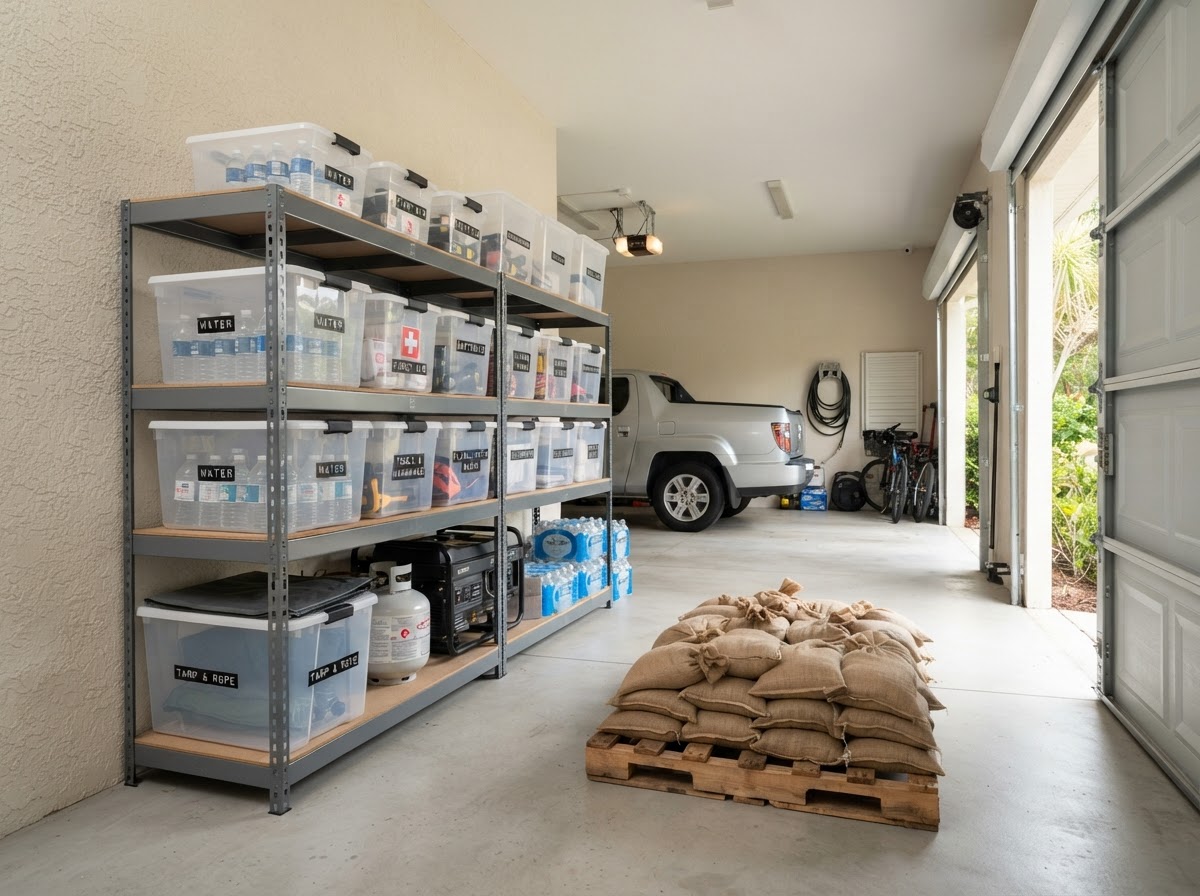
- Assemble an emergency supply kit with water, food, medications, flashlights, batteries, first aid, and important documents.
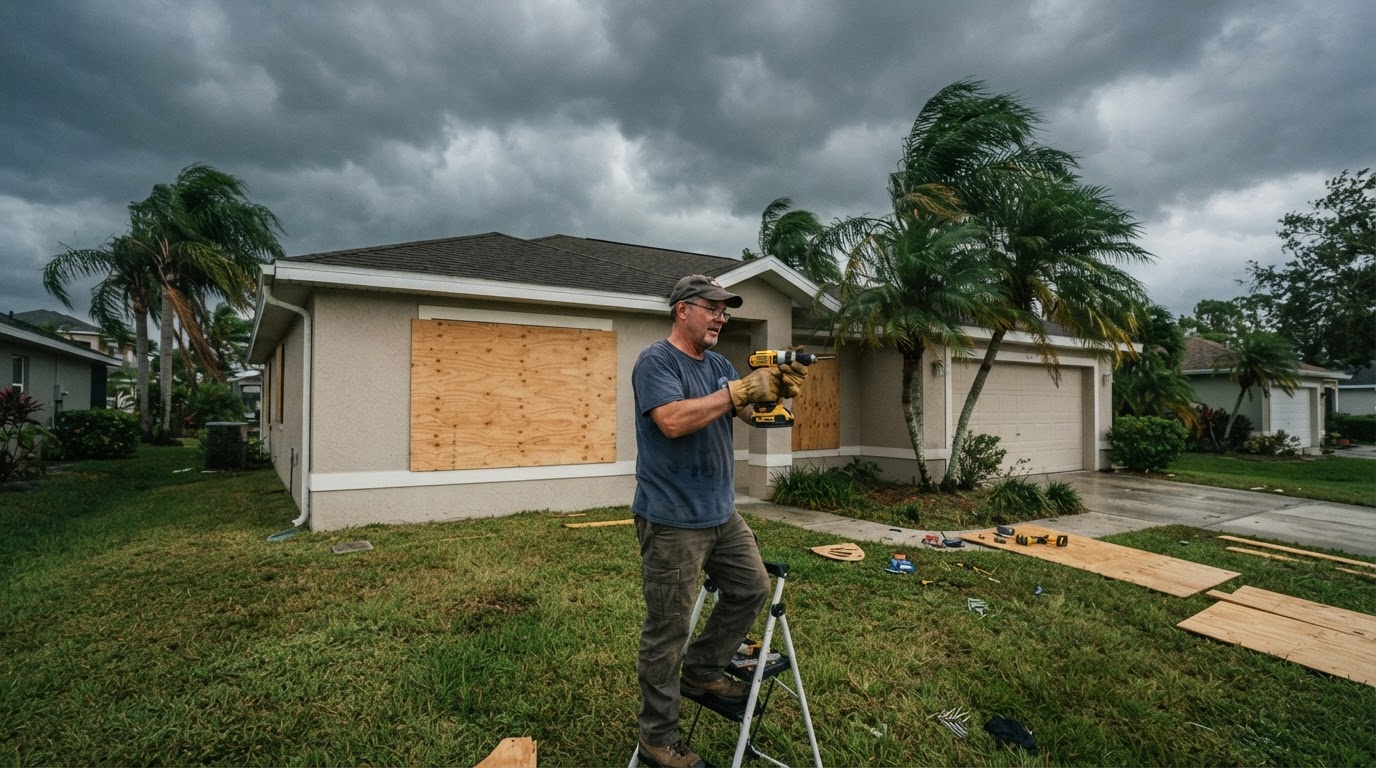
- Install hurricane shutters or have plywood cut to fit windows and doors.
- Trim trees and secure loose outdoor items (patio furniture, grills, trash cans).
Living Room & Common Areas
Protect Windows and Doors
Strong winds can shatter windows and allow water to enter. Install impact-resistant windows or permanent storm shutters. If using plywood, pre-cut pieces and label them. FEMA recommends using 5/8-inch exterior-grade plywood. Secure sliding glass doors with a horizontal brace or a wooden rod in the track.
Secure Valuables
Move electronics, artwork, and important papers to upper floors or high shelves to avoid flood damage. Use plastic bins for documents. Consider a water-resistant safe.
Kitchen
Stock Supplies
Store at least one gallon of water per person per day for three days (for drinking and sanitation). Keep non-perishable food that doesn’t require cooking. Remember a manual can opener. CDC advises against using gas stoves for heat due to carbon monoxide risk.
Secure Appliances
Unplug large appliances when a hurricane warning is issued to avoid damage from power surges. Turn the refrigerator to its coldest setting and keep the door closed to preserve food longer during an outage.
Bathrooms
Water and Sanitation
Fill bathtubs and large containers with water for flushing toilets and cleaning. Have a bucket and plastic bags ready for emergency sanitation if the sewer system backs up. Store a supply of hygiene items and a first aid kit.
Leak Prevention
Check caulking around tubs, showers, and sinks. Seal any gaps where water could penetrate from wind-driven rain.
Bedrooms
Safe Room or Interior Space
Identify a small interior room (like a closet or bathroom) on the lowest floor, away from windows, as your safe area. Ready.gov recommends reinforcing this room to FEMA P-320 standards for the strongest protection. If you don’t have a safe room, choose a room with no windows or a closet under stairs.
Emergency Supplies
Keep a flashlight, battery-powered or hand-crank radio, extra batteries, and a whistle (to signal for help) in your safe room. Store a smaller version of your emergency kit there if possible. Avoid using candles due to fire risk; use LED lanterns instead.
Garage & Utility Room
Garage Door
A garage door is a common entry point for wind. Install a bracing kit that meets FEMA’s wind retrofit guidelines. If you don’t have a brace, park your car close to the door for extra support but never sleep in the garage.
Water Heater & HVAC
Elevate water heaters, furnaces, and electrical panels above potential flood levels (consult local flood maps from FloodSmart.gov). Anchor these appliances to prevent shifting.
Outdoor Areas
Yard and Structures
Bring in all loose objects: grills, planters, toys, and garden tools. Anchor sheds and playhouses with ground straps. Trim dead branches that could become projectiles. Fill propane tanks and secure them upright away from the house.
Storm Surge Zones
If you live in a storm surge evacuation zone (check NOAA or your local emergency management), move vehicles to higher ground early. Stack sandbags around doors to reduce water entry.
Attic & Roof
Roof Tie-Downs
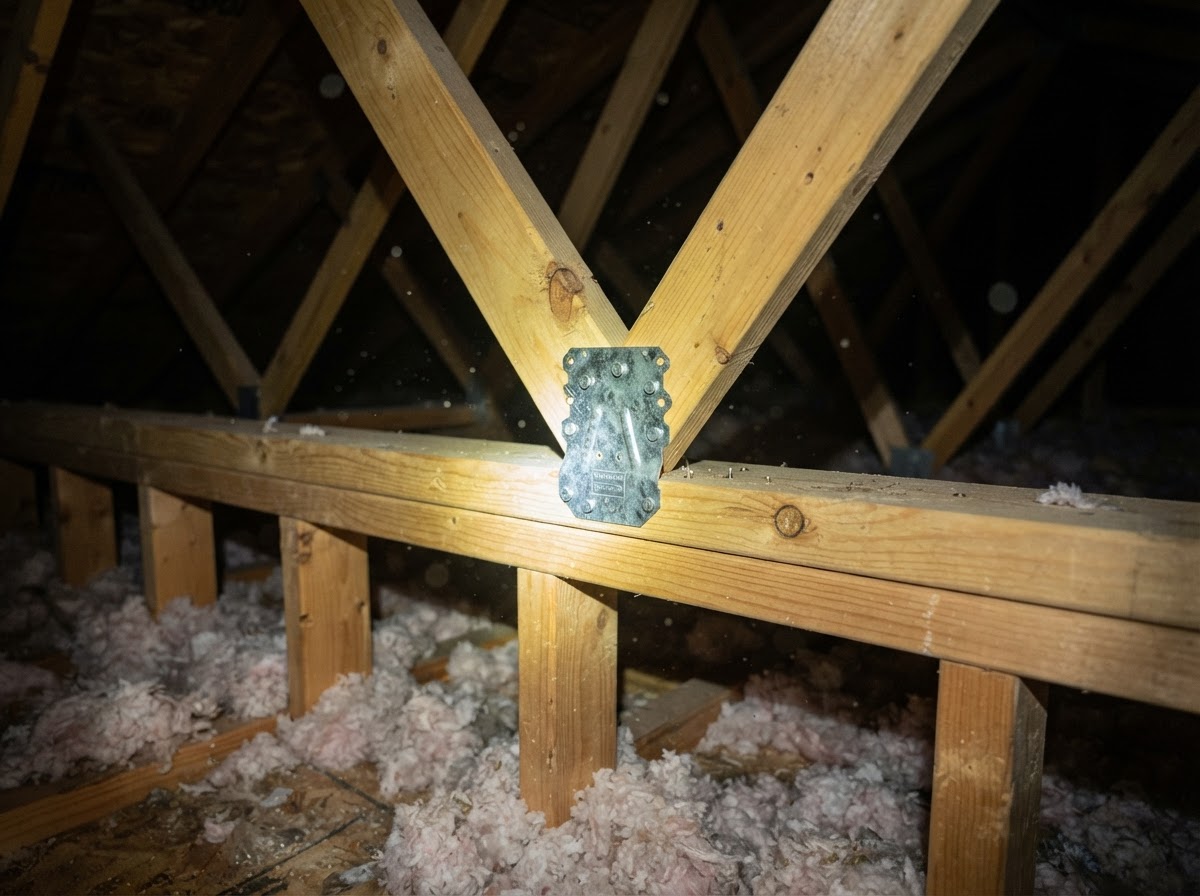
For older homes, consider retrofitting with hurricane straps or clips that connect the roof to walls. FEMA’s wind retrofit guide covers these upgrades.
Check Ventilation
Ensure roof vents are securely fastened and gaskets are intact to prevent water intrusion. Clear gutters and downspouts of debris so water flows away from the foundation.
Create a Family Emergency Plan
Document your evacuation routes and meeting points. Practice your plan with everyone in the household. Sign up for local emergency alerts through your county or state office. Keep a printed list of emergency contacts and medical information.
Final Checklist Before Storm Landfall
- Charge all devices and backup batteries.
- Fill your car’s gas tank.
- Move your emergency kit to your safe room.
- Check on neighbors, especially elderly or disabled.
- Review the latest forecast from NOAA’s National Hurricane Center.
Conclusion
Preparing your home for a hurricane doesn’t have to be overwhelming. By working through this room-by-room checklist, you’ll reduce vulnerabilities and give your family a safer space to ride out the storm. Start now—before a hurricane threatens. For more detailed guidance, visit Ready.gov/hurricanes and FEMA.gov.
About our guidance
Our guides are grounded in publicly available information from official sources such as FEMA, NOAA, USGS and Ready.gov. Information is general in nature — always verify details for your specific property and policy with official sources and your insurer.
Related guides
 InsuranceLender-Placed Flood Insurance: The Expensive Backup If Your Policy LapsesYour lender can force-place flood insurance if your policy lapses — and bill you for it, usually at a higher price. Here is how…Oct 15, 2026Read guide →
 InsuranceWhat Happens to Your NFIP Policy If Congress Lets the Program LapseCongress extended the NFIP through December 11, 2026. If the program lapses, existing policies stay in force and claims get paid…Oct 15, 2026Read guide →
 InsuranceExcess Flood Insurance: Coverage Above NFIP's $250,000 LimitThe NFIP caps flood coverage at $250,000 for the building and $100,000 for contents. If your home would cost more to rebuild,…Oct 15, 2026Read guide →